
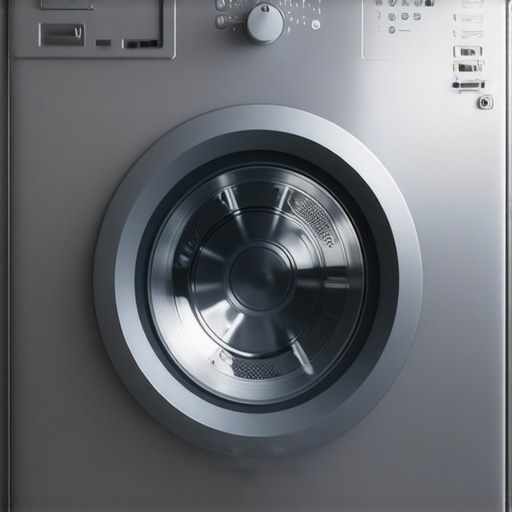
Have you ever been in the middle of doing laundry only to notice your washing machine drum vibrating like a quake? It’s one of those annoyances that startles you, makes you worry about your appliance’s health, and worst of all, disrupts your whole day. I remember the first time I experienced it—it was late at night, and I thought maybe I had overloaded the load, but the shaking kept intensifying. Turns out, that was just the tip of the iceberg.
Is Your Washing Machine Drive You Crazy with Its Shaking?
Many homeowners face this puzzling problem. The drum keeps gyrating violently, and you’re left wondering—why is this happening? More importantly, can you fix it without calling in a pricey repair technician? Well, after some trial and error (and yes, a few rookie mistakes), I learned that this issue isn’t just annoying—it can also lead to damage if left unresolved.
Will This Problem Wreck My Machine Beyond Repair?
One common misconception is that a shaking drum is a sign your washer is doomed. But that’s often not the case. Sometimes, it’s simple stuff like an unlevel machine or loose parts. Early on, I made the mistake of ignoring a slightly rough spin, thinking, “It’s probably just a one-off cycle.” Big mistake. Small issues can snowball into costly repairs if not addressed promptly.
If you’ve been frustrated with persistent shaking, don’t worry—there are practical solutions, and I’ll walk you through them. But first, let’s understand what causes this chaos in your washer. Stay tuned, because cracking the code on this can save you time, money, and a whole lot of laundry-day stress.
Level the Machine for Quiet Operation
Start by making sure your washer is perfectly aligned. Use a carpenter’s level to check each corner and adjust the leveling feet accordingly. I once spent an hour tweaking the feet of my old machine, and the drastic reduction in vibration was worth the effort.
Secure the Feet Properly
Ensure each adjustable foot is tightly screwed in to prevent wobbling. Loose feet can turn your laundry routine into a rodeo. Tighten them with a wrench, and test again with the level to confirm stability.
Balance the Load to Avoid Excess Vibration
Unevenly distributed laundry causes imbalance which leads to shaking. Always distribute clothes evenly around the drum, akin to evenly placing weights on a scale for precise measurement. I learned this the hard way after a load of towels caused my machine to dance across the floor.
Remove Heavy Items from One Side
Inspect previous loads for packed items that might be causing imbalance. Break up large blankets or towels to promote even rotation, preventing costly repairs down the line.
Inspect and Tighten Suspension Parts
Worn suspension rods or shocks can cause excessive movement. Consult your washer’s manual or visit [Reliable Appliance Installation](https://discountappliancehub.com/how-to-ensure-reliable-appliance-installation-in-2025) to understand the suspension system. I once replaced a broken shock absorber myself, and it immediately quieted my washer.
Check for Worn or Broken Springs
Look for signs of rust or breakage in the spring components. Replacing these can stabilize the drum and restore smooth operation.
Examine the Leveling During Installation
If your machine was recently installed, double-check the levelness. A poorly set foundation is like building on quicksand. For professional installation, refer to [Fast Trustworthy Appliance Installation Near You](https://discountappliancehub.com/fast-trustworthy-appliance-installation-near-you). In one instance, I noticed my washer tilted slightly, resulting in persistent shaking until I re-levelled it, which fixed the issue entirely.
Use a Rubber Mat for Added Stability
Placing a non-slip mat beneath the washer can dampen vibrations. This simple trick proved effective in my apartment, significantly reducing noise and movement during cycles.
Schedule a Professional Repair if Issues Persist
If you’ve tried all these steps and your washer still vibrates excessively, it may be time to call in experts. They can identify hidden problems like faulty dampers or unbalanced basins.
For reliable, warranty-backed service, explore options such as [Same Day Appliance Repair](https://discountappliancehub.com/scheduling-your-appliance-repair-for-same-day-service-in-2025). Taking proactive steps now can extend your machine’s lifespan and save you from costly replacements later.
Many homeowners assume that warranties automatically cover every issue that arises during appliance life, but the reality is far more nuanced. Common myths, like believing that all repairs are covered or that professional installation isn’t crucial, can lead to costly mistakes. In practice, manufacturers often include specific exclusions that many overlook, such as damage caused by improper setup or neglecting regular maintenance. Understanding these subtleties can save you from unexpected expenses and repair delays.
A frequent trap is underestimating the importance of proper installation. Skipping professional setup or ignoring manufacturer guidelines can void warranty coverage in ways that are not immediately obvious. For example, incorrectly leveling a washing machine not only causes noisy operation but can also compromise the warranty if it leads to damage. Always refer to expert advice, like the installation guidelines detailed at [Reliable Appliance Installation](https://discountappliancehub.com/how-to-ensure-reliable-appliance-installation-in-2025), to ensure your setup doesn’t unintentionally nullify your warranty.
Moreover, many people overlook the fine print in their warranty policies. There’s a misconception that warranty repairs are straightforward; however, some warranties require that repairs be performed by authorized service providers to maintain coverage. Visiting unapproved repair shops or attempting DIY fixes might seem cost-effective initially but can void your warranty entirely. For trusted, warranty-backed services, explore options like [Warranty-Backed Appliance Services](https://discountappliancehub.com/warranty-backed-appliance-services-you-can-rely-on), which ensure your repairs are covered and conducted to manufacturer standards.
Advanced consumers also recognize the importance of scheduling repairs promptly, especially for urgent issues. Delaying service on problems like leaking refrigerators or faulty heating elements can cause secondary damage, complicating repairs and increasing costs. Leveraging same-day repair services, such as [Scheduling Your Appliance Repair](https://discountappliancehub.com/scheduling-your-appliance-repair-for-same-day-service-in-2025), can mitigate these risks and often help preserve your warranty coverage.
It’s also essential to understand that not all third-party parts are equal. Using generic or counterfeit replacement components can compromise the integrity of your appliance and potentially void the warranty. Always verify that repairs utilize original parts or factory-approved substitutes. This subtle detail is often overlooked but is critical for maintaining warranty validity, as highlighted in [The Risks of Third-Party Parts](https://discountappliancehub.com/the-hidden-risk-of-third-party-parts-for-smart-fridges).
In conclusion, unmasking these hidden nuances requires an analytical approach and awareness of both manufacturer policies and proper maintenance practices. Don’t fall into the trap of assumptions; instead, educate yourself about your warranty rights and service options to ensure your appliances serve you reliably for years to come. Have you ever fallen into this trap? Let me know in the comments.Maintaining your appliances efficiently requires the right tools and a strategic approach. One indispensable item I rely on is a digital multimeter. It’s not just for electricians; I use mine regularly to check voltage levels, troubleshoot faulty circuit boards, and ensure safety before performing repairs. Investing in a solid multimeter like the Fluke 117 has saved me countless trips to the repair shop and has given me immediate insights during troubleshooting. Additionally, an ultrasonic leak detector is invaluable for identifying refrigerant leaks in heating and cooling systems. These tools provide precise diagnostics, saving time and preventing unnecessary replacements.
Another technique I swear by is documenting each repair session meticulously. Use a durable notebook or a dedicated app to log the date, issue, steps taken, and parts replaced. This habit helps track recurring problems and provides valuable data if warranty claims become necessary. For software support, I recommend using professional diagnostic apps tailored to specific appliances — for example, Samsung SmartThings for compatible smart appliances — because they offer real-time monitoring and firmware updates that can optimize performance.
In terms of maintenance routines, scheduling regular inspections using these tools enhances long-term reliability. For example, periodically testing your refrigerator’s seals with a simple dollar bill test or using a moisture meter around washing machine hoses can preempt leaks before they escalate. Looking ahead, the trend is moving towards smarter diagnostics with IoT-enabled devices that proactively notify you of issues.
How do I maintain appliances over time without surprises?
It’s crucial to combine proper tools with consistent maintenance routines. Revisit your warranty policies periodically by reviewing details at [Maximize Your Appliance Warranty During Emergency Repairs](https://discountappliancehub.com/maximize-your-appliance-warranty-during-emergency-repairs). This ensures you’re prepared to act swiftly and effectively if difficulties arise. For example, knowing that many warranties require certified technicians for repairs emphasizes the importance of choosing reputable service providers, like those found at [Warranty-Backed Appliance Services You Can Rely On](https://discountappliancehub.com/warranty-backed-appliance-services-you-can-rely-on). Regularly using diagnostic tools and keeping detailed logs makes troubleshooting more straightforward, saving you money and extending the lifespan of your appliances.
Furthermore, staying informed about technological advances such as predictive maintenance algorithms can help you anticipate failures before they happen. For instance, smart washers can notify you when vibration or spin irregularities occur — a good example being the sensors discussed in technical documentation from appliance manufacturers. I encourage you to try calibrating your own washer using a precise thermometer and the manufacturer’s calibration instructions. This simple step can improve cycle times and extend the lifespan of your appliance.
The Hard Lessons That Changed My Approach to Warranty and Repairs
One crucial insight I gained is never to assume that a small issue isn’t worth addressing—what might seem minor today can turn into a costly disaster tomorrow. For example, ignoring a slightly unlevel washer eventually led to bearing failure, costing hundreds in repairs. Now, I always double-check my appliances after installation and before heavy cycles, knowing that proper setup saves future headaches.
Another lesson is understanding that warranties often have fine print that can trip you up. I once thought my repair was covered, only to discover improperly installed parts voided my coverage. Reading through the warranty details regularly and consulting reliable sources helped me avoid this mistake and maximize my protection.
Finally, embracing proactive maintenance has been a game-changer. Using diagnostic tools like a multimeter or ultrasonic leak detector regularly not only catches issues early but also builds confidence in tackling repairs myself. This hands-on approach saves money and empowers me to keep my appliances running smoothly for years.
Tools and Resources That Transformed My Appliance Management
My essential toolkit includes a durable multimeter like the Fluke 117, which I trust for accurate troubleshooting without guesswork. For leak detection and refrigerant checks, an ultrasonic leak detector has been invaluable, especially during seasonal tune-ups. These tools have provided clarity and efficiency, making repairs less intimidating.
When it comes to knowledge, books such as “The Complete Guide to Appliance Repair” helped demystify complex systems, giving me the confidence to handle common issues. Online resources like instructional videos from trusted repair professionals on [expert guide to appliance repair and installation today](https://discountappliancehub.com/expert-guide-to-appliance-repair-and-installation-today) offer step-by-step guidance that perfectly complements my DIY efforts.
For ongoing maintenance routines, subscribing to newsletters or forums like the DIY Appliance Repair community keeps me updated on the latest tips and recalls. Staying informed means I can prevent problems before they escalate, ensuring my appliances serve me reliably and efficiently.
Your Next Move Towards Appliance Confidence
Remember, the journey to expert-level appliance care is ongoing, and every small step adds up to longer-lasting, more dependable machines. Start applying these insights today, and you’ll find yourself more in control and less anxious about sudden breakdowns.
What’s the most surprising thing you’ve learned about appliance maintenance or warranty coverage? Drop your experience below—I’d love to hear your stories and tips!