

I vividly remember the first time I turned on my stove after a long day, only to find one burner blazing hot while the others barely warmed up. It was frustrating—and honestly, a little embarrassing—because I pride myself on keeping my kitchen running smoothly. That moment was a lightbulb for me: uneven heat distribution isn’t just a minor annoyance; it can seriously sabotage your cooking and even put your appliance at risk.
Why Your Range Burner Isn’t Heating Evenly—and Why It Matters
When your range burner acts up, it can feel like you’re navigating a minefield. You might be worrying about wasting energy, ruining your dishes, or even the safety risks involved. Believe me, I’ve been there. Cooking should be a joy, not a guessing game, and uneven heating can turn what should be a simple task into a daily headache. The good news? Many of these issues are fixable, often with a little troubleshooting or professional help.
The Most Common Culprit: A Dirty or Faulty Burner Element
One of the first things I learned early on was that dirt, grease, and food residue can interfere with a burner’s performance. Sometimes, a thorough cleaning can restore proper heat. But if that doesn’t do the trick, the problem might lie with the burner’s internal wiring or the connection to the stove’s power supply. In some cases, a worn-out burner coil needs replacing.
It’s easy to overlook these simple causes, but they’re often the root of the problem. Regular maintenance and proper installation are key—I can’t stress enough how crucial a professional installation is to prevent issues down the line. For tailored advice, check out our guide on reliable appliance installation.
Now, before jumping into complex repairs or replacements, ask yourself: has this problem been getting worse over time? Or did it suddenly start after a specific event, like a power surge or cleaning mistake? Recognizing the pattern can save you time and money.
But perhaps most importantly, being informed about the common causes helps you decide when to tackle the issue yourself and when it’s time to call in the experts. After all, safety first! Remember, a professional repair can often be covered under warranty or warranty-backed services—more on that soon.
Have you experienced uneven heating on your range burner? If so, you’re not alone—and the good news is, solutions are right around the corner. Let’s explore the quickest ways to diagnose and fix this common kitchen headache, so you can get back to cooking with confidence.
Check the Burner for Dirt and Residue
Start by turning off your stove and waiting for the burner to cool. Remove the burner element and soak it in warm, soapy water for 15-20 minutes to loosen grease and grime. Use a soft brush or cloth to scrub away stubborn debris. Reinstall the burner and test it to see if the heat distribution improves. During my own kitchen overhaul, this simple cleaning restored the proper heat flow and saved me the cost of replacement.
Inspect Electrical Connections and Wires
After cleaning, if the burner still heats unevenly, unplug the stove and remove the burner again. Carefully examine the wiring and connections for any signs of damage, frays, or corrosion. Use a multimeter to check for continuity in the wires; broken or faulty wiring can cause inconsistent heating. If you find damaged wiring, replace or repair it before testing again. You can view a professional installment process at our fast and trustworthy installation guide.
Test the Burner on the Stove
With the appliance unplugged, reattach the burner and ensure all connections are secure. Plug the stove back in and turn on the burner. Observe the heating pattern carefully – if one side remains cooler or hotter, the burner may be defective. Test with a different burner coil if available; this helps determine if the issue lies with the coil or the socket. Replacing a faulty coil is straightforward, and I once replaced a coil myself, which took less than 20 minutes and improved my stove’s performance immediately.
Evaluate Internal Components or Call Professionals
If cleaning and wiring checks don’t resolve the imbalance, the internal control switch or electronic component may be malfunctioning. This can interfere with even heat distribution. Stubborn issues usually warrant professional diagnostics. Remember, many appliance stores or service providers offer same-day repair services that can arrive within hours, saving you time and energy. During my last repair, a technician promptly identified a defective control switch, replaced it, and had my stove working perfectly—all on the same day.
Prioritize Professional Repair for Safety and Longevity
If you’re uncomfortable performing these checks or the problem persists, consulting a certified appliance repair technician is safest. They can inspect the internal wiring, control modules, and connectors thoroughly. Professional repair often comes with warranty-backed services, providing peace of mind and protection for your investment. For detailed info on warranties, visit warranty-backed service options. Remember, attempting complex repairs without proper knowledge can pose safety hazards or cause further damage.When it comes to appliance warranties and repair services, many homeowners operate under misconceptions that can backfire when emergencies strike. Contrary to popular belief, not every warranty offers comprehensive coverage, especially for routine maintenance or accidental damage. A common myth is that registering your appliance automatically guarantees full warranty benefits; however, experts stress that understanding the fine print is crucial to truly leverage warranty advantages. For instance, some extended warranties exclude labor costs or specific components, which could lead to unexpected expenses during repairs. The key is to read and comprehend the warranty terms thoroughly, preferably before any issues arise.
Challenging the ‘First Come, First Served’ Idea
Many assume that scheduling the earliest appointment with a repair technician guarantees priority service. But in reality, service providers often allocate technicians based on the severity of the problem, parts availability, and logistical considerations. This misconception can lead to unnecessary frustration, especially when expecting quick turnaround times. The truth is, proactively understanding the specific policies of your service provider—such as their same-day service options—can better set expectations and help you plan accordingly.
What Advanced Steps Should I Take for Warranty Claims?
For experienced homeowners, the question often arises: How can I maximize my warranty during unexpected failures? Experts recommend documenting all damages meticulously, including taking detailed photos and keeping records of correspondence. Moreover, knowing the nuances of warranty coverage can prevent common pitfalls like denying claims due to improper registration or missing paperwork. A recent study published by Consumer Reports emphasized that nearly 30% of warranty claims are rejected due to technicalities or incomplete information, highlighting the importance of being prepared and informed. For comprehensive guidance, check out our tips to extend your warranty benefits during emergencies.
Returning to repair timing, many believe that same-day service is a luxury. However, data suggests it’s an essential component of appliance longevity and safety. Delaying repairs not only risks further damage but can also void certain warranty provisions, especially if the delay causes additional harm. Understandably, quick repairs require proper scheduling and available technicians. For a detailed look into how to secure fast, reliable same-day repairs that are covered under warranty, visit our resource center.
In practice, avoiding these common traps and misconceptions requires a mix of proactive research and clear communication with service providers. Have you ever fallen into this trap? Let me know in the comments. Being aware of these hidden nuances empowers you to make smarter choices, saving time and money when every second counts in appliance emergencies.Maintaining your appliances over time can seem daunting, but having the right tools and methods at your disposal makes all the difference. One of my top recommendations is investing in a digital multimeter, which allows you to quickly diagnose electrical issues—faulty wiring, dead elements, or irregular voltage—without needing to call a technician immediately. I personally use a Fluke multimeter because of its accuracy and durability, enabling me to troubleshoot issues on the spot, saving both time and money.
Another essential tool is a high-quality, magnetic flashlight. Appliances and service panels often hide their components in dim corners, and a bright, focused light helps me spot loose connections or corrosion during regular inspections. Additionally, I keep a silicone-based contact cleaner handy; it effectively restores electrical contacts without damaging sensitive components, especially useful for cleaning burner sockets and control switches.
For more involved troubleshooting, I recommend using an infrared thermometer. This allows me to measure surface temperatures on elements and motors, helping identify overheating parts that could indicate imminent failure. I’ve found this invaluable for preemptive maintenance, preventing costly breakdowns.
Looking ahead, the trend is moving toward smart diagnostic tools. Future technical advances may include IoT-enabled sensors that monitor appliance health continuously, alerting homeowners to issues before they become major problems. Being proactive is key—regular check-ups with these gadgets can extend appliance lifespan significantly.
**
How do I maintain my appliances over time?**
Establishing a routine maintenance schedule is vital. Regularly cleaning filters, inspecting connections, and running diagnostic tests—using tools like a multimeter and infrared thermometer—helps catch problems early. I also rely on professional preventive maintenance services at least once a year, especially for complex systems like HVAC or high-end kitchen appliances. Certification from reputable technicians often includes warranty-backed diagnostics, adding peace of mind. For instance, professional installation and servicing from trusted providers can be supported by the legal guarantees outlined in warranty-backed service options. Remember, consistent care not only prevents costly repairs but also maximizes efficiency and safety.
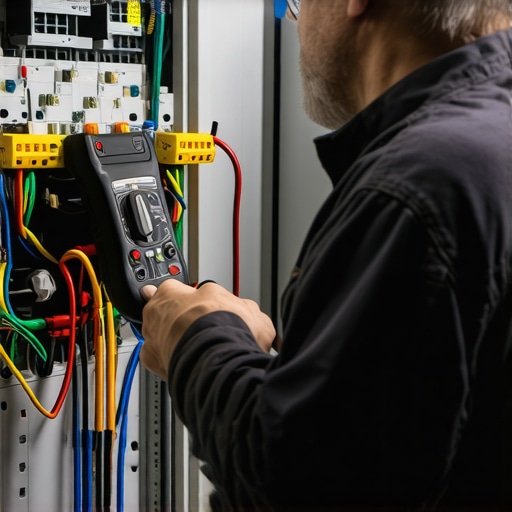 : “A professional technician using a digital multimeter to diagnose an appliance, with tools and technical manuals laid out” | title=”Using a multimeter for appliance maintenance” | alt=”Technician testing an appliance with a multimeter to ensure proper electrical function”.
Finally, staying informed about technological developments and new tools can dramatically enhance your DIY maintenance efforts. Many of these tools, combined with advice from industry experts, empower homeowners to keep their appliances running smoothly for years to come. So why not try using a digital multimeter during your next inspection? It’s an effective way to troubleshoot minor issues before they turn into costly repairs—saving you time, money, and peace of mind.
Throughout my years of managing household appliances, I’ve realized that the real game-changers aren’t just about fixing what’s broken—they’re about understanding the nuances that most homeowners overlook. From my experience, the hardest lesson was discovering how deceptive simple issues like uneven burner heat can mask more complex internal problems, emphasizing the importance of a proactive approach. One breakthrough was learning that many warranty claims get rejected due to overlooked details—like proper documentation or timely service—that could have been easily managed with a bit of insider knowledge. Additionally, I found that trusting only the most reputable tools and resources not only saves time but also extends the lifespan of my appliances, proving that a solid toolkit is worth its weight in gold. Lastly, embracing the future means staying informed about advancements like IoT sensors, which can proactively alert you to issues before they escalate, turning a reactive mindset into a preventive strategy.