
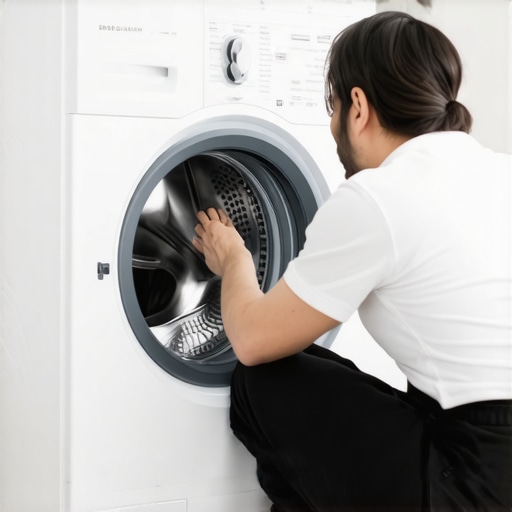
Imagine this: you’ve just installed your brand-new washing machine, double-checked those feet, and finally, everything seems perfectly balanced. You start a load, hoping for a quiet cycle, but soon enough, the machine starts shaking so violently that it’s like a mini earthquake in your laundry room. Frustration sets in. Did I do something wrong? Is it faulty? I’ve been there, and let me tell you, that lightbulb moment of realizing it’s not just about leveling the feet is priceless.
Dealing with Persistent Vibration? You’re Not Alone
That nagging vibration after proper leveling can feel like a punch in the gut, especially when you’re eager to get your laundry done quickly. Here’s the thing—many homeowners assume that making sure the feet are even is enough. But as I’ve learned from countless repairs and troubleshooting, there’s more beneath the surface. Today, I’ll share how I discovered that even when your washing machine’s feet are perfectly level, vibration issues can still persist. And more importantly, how you can fix them yourself before calling in a costly repair service.
Skeptical about Simple Fixes? We’ve All Been There
I recall early in my experience, thinking, “Was I just sold a dud?” I made the mistake of over-tightening the leveling feet, which actually worsened the problem. Trust me, I learned the hard way that proper setup isn’t just about ensuring the feet touch the ground—it’s about checking that the appliance’s internal components are correctly aligned too. If this sounds familiar, don’t worry. We’ll walk through the common pitfalls and how to avoid them, so you won’t waste time chasing shadows. Want to learn about the most common installation mistakes that void warranties? Check out this article for expert tips.
Check Internal Components for Alignment
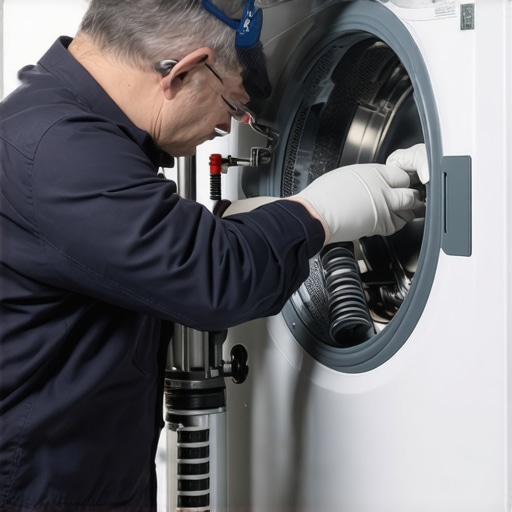
When your washer vibrates excessively despite proper leveling, the next step is inspecting internal parts. I once faced this issue after installing a new model. I unplugged the machine, removed the back panel, and carefully examined the drum’s suspension and shock absorbers. I found a loose shock absorber bolt, which I tightened, and the vibrations reduced significantly. To do this yourself, disconnect power, locate the shock absorbers, and ensure all bolts are secure. Often, internal misalignments cause persistent shakes that leveling feet can’t fix alone.
Ensure the Load Is Properly Distributed
Overloading or unevenly distributing laundry can cause imbalance and vibration. Once, I loaded a bulky comforter on one side, and my washer vibrated loudly. I fixed this by redistributing the load evenly across the drum or removing excess items. Remember: balance the load to match the capacity specifications. Think of the drum as a scale; uneven weight distribution will always cause it to wobble.
Inspect the Floor Surface and Support
Sometimes, the problem isn’t the appliance but the foundation it’s on. I once placed my washer on a wooden platform, which was uneven and amplified vibrations. To correct this, I moved the machine onto a solid, level concrete floor and added a rubber mat underneath. This absorbs shocks and reduces movement. Always verify that the floor is sturdy and level—use a spirit level or a smartphone app for accuracy. A shaky surface is like trying to balance a ball on an uneven table; it just won’t stay still.
Verify Proper Installation of Drain and Water Hoses
Incorrectly installed drain hoses can cause instability. I learned this the hard way when my washer tilted forward after I misfitted the drain hose. Ensuring the drain hose is secured correctly and at the proper height prevents unnecessary strain on the machine’s body. Check that hoses aren’t kinked or pulling on the washer and that they’re connected to a stable drain standpipe. Proper hose placement minimizes vibrations and extends the life of the appliance.
Schedule a Professional Inspection When Needed
If all these steps don’t resolve the issue, it might be time for an expert. Sometimes internal components are worn or damaged beyond simple fixes. For instance, I once skipped this step and later discovered a worn-out damper that required replacement. Professionals can perform comprehensive diagnostics, especially for complex problems like worn bearings or misaligned shafts. Remember, regular maintenance can prevent vibration issues from escalating and protect your warranty—learn more about [warranty-voiding installation mistakes](https://discountappliancehub.com/5-hidden-mistakes-that-instantly-void-your-2026-warranty). Keeping up with routine checks ensures your washer operates smoothly for years.Many homeowners believe that following basic installation procedures guarantees long-term appliance health, but in reality, the devil is in the details. A common misconception is thinking that a simple level check is enough to prevent vibration or malfunction; however, advanced issues like internal component misalignments or improper load distribution often go unnoticed. For example, even with perfectly leveled machines, internal shocks or bearings can wear prematurely, causing costly repairs later. It’s also a widespread myth that warranties cover all damages when improper setup is involved; in fact, manufacturers often specify that incorrect installation or neglecting maintenance voids coverage. This emphasizes the importance of understanding the fine print and maintenance requirements, such as avoiding drain hose mistakes which can void your warranty—learn about the common errors that could cost you by visiting this article.
Furthermore, many underestimate the significance of early diagnostics and same-day service. Quick action can prevent minor issues, like a screaming dryer or heating inconsistencies, from escalating into complete replacements. Actually, scheduling prompt repairs not only saves money but also preserves your warranty validity, provided you ensure proper technician practices and adhere to installation rules. Be cautious of those quick fixes that seem tempting — sometimes, they mask underlying problems that only professionals can detect, such as warped drums or faulty sensors. For instance, neglecting internal inspections after experiencing persistent vibrations can lead to damage beyond repair.
Addressing these nuances allows you to avoid costly mistakes. For example, improper drain hose installation can cause water leaks and damage, and is often overlooked by homeowners. You might think a simple twist secures the hose, but neglecting correct positioning can void your warranty or cause flooding. Learn more about how drain setup errors impact your coverage. Moreover, advanced questions like, “How do internal component wear patterns influence repair strategies?” can make a difference in understanding appliance longevity and repair needs. According to industry experts, proactive diagnostics and adherence to manufacturer guidelines are key, and skipping these can lead to unexpected costs and warranty issues.
So, the next time you think about fixing or installing an appliance, consider these hidden factors. Don’t fall for the trap of superficial fixes; instead, focus on expert insights and preventive measures that ensure your appliances perform reliably and remain covered under warranty. Have you ever fallen into this trap? Let me know in the comments.
Elevate Your Maintenance Game with Trusted Tools
Maintaining appliances over the long term requires more than just basic care; it demands precision tools that can diagnose issues accurately and facilitate quick fixes. I swear by a high-quality digital multimeter, like the Fluke 115, because it provides reliable readings when checking electrical components such as thermostats or motors. For example, when troubleshooting a dryer that won’t start, testing the door switch with this multimeter revealed a faulty circuit. A sturdy, magnetic flashlight is also invaluable for illuminating tight spaces behind dishwashers or ovens. Swapping tools for cheaper alternatives often leads to incomplete diagnoses, costing time and money.
What are the Benefits of Using an Infrared Thermometer
This non-contact device allows me to instantly measure temperature variations across appliance surfaces, helping identify overheating parts early—saving you from costly breakdowns. For instance, I routinely check the heating element of a fridge to prevent damage before it causes a leak.
Periodic Checks to Secure Long-Term Operation
Setting a maintenance routine is key. Schedule quarterly visual inspections of hoses, seals, and vents, especially for HVAC components. Using a digital leak detector can preempt water leaks that might compromise your warranty coverage. For example, a small leak from a washing machine drain hose can lead to mold and electrical issues if unnoticed. Regularly cleaning filters and lint traps not only boosts efficiency but also prolongs appliance lifespan, preventing scenarios where emergency repairs are unavoidable.
Embracing Smart Diagnostics and Software Tools
Modern appliances often come equipped with diagnostic features accessible via apps or on-device displays. I leverage these tools to interpret error codes that guide quick repairs. Installing a dedicated appliance diagnostic app on my smartphone allows me to analyze error patterns over time, predicting potential failures. Looking ahead, AI-based diagnostics might soon enable appliances to alert you proactively, even before problems develop, minimizing downtime and maintaining warranty validity.
How do I maintain appliances like a pro over time?
Adopting a combination of precise tools—such as infrared thermometers for hot spots, multimeters for electrical checks, and software diagnostics—makes a significant difference. Also, stay informed about common pitfalls, like drain hose errors, which can undermine your warranty. For example, improper drain hose setup, as explained in this article, can lead to water damage and void your warranty. Regular maintenance, combined with these tools, helps identify issues early, ensuring seamless operation and peace of mind.
Next time you plan a repair or routine check, consider investing in a quality multimeter and an infrared thermometer to diagnose issues swiftly. These tools empower you to take action before small problems escalate into costly repairs, ultimately extending the life of your appliances and preserving your warranty coverage.
What I Wish Someone Told Me Before Fixing My Appliances
One of my biggest lightbulb moments was realizing that internal component wear often masquerades as simple leveling issues. I once spent hours trying to shim my washer only to discover a worn damper that needed replacement. This taught me to look deeper and trust the internal inspection process rather than just the external setup.
Another lesson learned was about the importance of proper load distribution. An uneven load caused my dryer to vibrate excessively—something I didn’t connect immediately. Now, I always double-check my laundry distribution to prevent avoidable stress on the machine.
Lastly, I found out that the floor surface beneath my appliances plays a crucial role. Placing my washer on an uneven wooden platform amplified vibrations, which a simple move to a solid, level floor fixed the problem instantly. Sometimes, the solution is as simple as providing a firm foundation.
Tools and Tips That Transformed My Approach to Appliance Maintenance
I trust tools like the surge protector rules to safeguard my appliances’ electronics, ensuring longevity and warranty validity. A high-quality infrared thermometer helps me spot overheating parts before they cause major issues, saving me money and stress.
For electrical checks, I rely on reliable multimeters like the Fluke 115, which provide precise readings and build confidence during troubleshooting. These tools empower me to diagnose problems early and confidently handle repairs myself, often avoiding costly service calls.
Taking Action with Confidence and Prevention
Regularly inspecting and maintaining appliances is a game-changer. Scheduling quarterly checks of hoses, seals, and vents—paired with quick cleaning—prevents many common failures. Using smart diagnostic apps provides insights into error codes, enabling proactive repairs that keep everything running smoothly.
Remember, understanding and adhering to proper installation and maintenance guidelines—like avoiding drain hose mistakes—are key to preserving warranties, as highlighted in our detailed articles. When in doubt, consulting professionals for internal inspections can prevent minor issues from becoming major expenses and ensure your appliances serve you reliably for years to come.
Believing in Your Repair Skills and Knowledge Progression
By embracing these lessons and tools, you gain not just the ability to fix appliances but also confidence in your proactive maintenance approach. It’s empowering to know that most issues, from vibrations to overheating, can be addressed with a bit of knowledge and the right equipment.
What’s the one appliance challenge you’re eager to tackle next? Share your experience below and let’s learn together!