
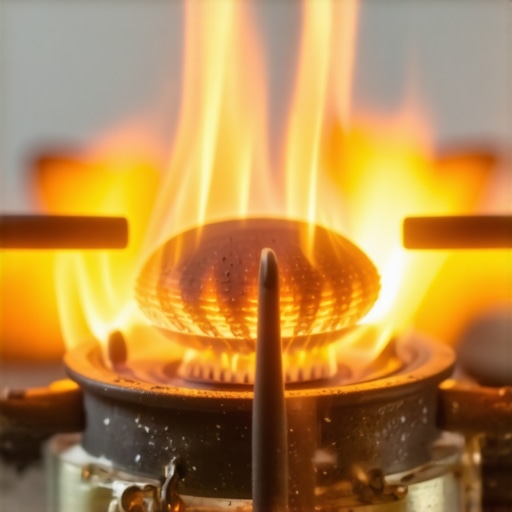
It was late on a busy weekday when I finally decided to cook dinner after a long day. As I turned on my gas range, I immediately noticed something was off. Instead of the usual vibrant blue flame, I was greeted with an unsettling orange glow. My heart sank. Was it safe? Was my stove about to explode? That lightbulb moment made me realize: many homeowners overlook the significance of a yellow or orange flame, dismissing it as normal or harmless. But quickly, I learned that this seemingly minor issue could have real safety implications.
Understanding the Importance of a Properly Blue Flame
The flame on your gas stove isn’t just for show—it’s a critical indicator of combustion efficiency and safety. A healthy, blue flame signifies that natural gas or propane is burning efficiently, producing minimal carbon monoxide and maximizing energy use. Conversely, an orange or yellow flame suggests incomplete combustion, which can lead to dangerous carbon monoxide buildup and unnecessary fuel waste. This realization is crucial because, according to the U.S. Consumer Product Safety Commission, improper burner operation, including incorrect flame color, can pose serious health risks if ignored.
Is Your Flame Actually Worth The Hype?
When I first encountered this issue, I thought, “It’s just a color change. No big deal.” That was a mistake. I neglected to consider that a persistent orange flame might hint at issues like poor gas-air mixture, dirty burners, or even faulty gas valves. My early assumption could have led to hazardous situations. I learned the hard way that addressing this problem promptly not only improves your appliance’s performance but also ensures your safety. If you’ve ever ignored a yellow or orange flame, ask yourself—have you checked if your stove is operating safely? Chances are, you might need a quick fix or professional help. For dependable solutions, you might find it helpful to explore the process of same-day appliance repair with warranty backing.
In this post, I’ll walk you through practical steps to identify, troubleshoot, and fix that unappealing orange flame, so you can cook with confidence once again. Let’s dive into what causes this issue and how you can resolve it without panic or unnecessary expense. Are you ready to restore safety and efficiency to your cooking experience? Let’s get started.
Test the Gas Supply and Flame Color
First, ensure your gas supply is steady; a fluctuating flow can cause color shifts. Turn off all burners and relight them one at a time, observing the flame. A proper flame should be a steady, vibrant blue with a small yellow tip. If the flame remains orange, proceed to the next step to inspect the burners and air-to-gas mixture.
Clean and Inspect the Burners
Dirty or clogged burners can disrupt combustion, leading to orange flames. Remove the burner heads and soak them in warm, soapy water to dissolve grease and debris. Use a small brush or toothpick to clear the tiny holes of obstructions. Reassemble and test again. During my repair experience, I found that a simple cleaning restored the blue flame within minutes, saving me a costly service call.
Adjust the Air-to-Gas Ratio
Most modern gas stoves have an air shutter near the burner. Loosen the screw and turn the shutter to increase or decrease air intake, aiming to achieve a bright blue flame. Too much air yields a blue flame, while too little causes yellow or orange. Carefully make small adjustments, testing after each relax. This step is crucial; poor combustion not only wastes fuel but also risks carbon monoxide buildup.
Check for Gas Leaks and Proper Ventilation
Use a soapy water solution around connections to detect leaks. Bubbles indicate escaping gas—tighten fittings or call a professional if leaks persist. Ensure your kitchen is well-ventilated; inadequate airflow can exacerbate incomplete combustion issues. Remember, safety first: if you smell gas strongly, evacuate and contact emergency services immediately.
Schedule Professional Calibration if Needed
If the flame remains stubbornly orange after cleaning and adjustments, it’s time to consult a technician. Professional calibration ensures your stove’s combustion mechanism is properly tuned. Reliable and swift service is available through same-day appliance repair, which also offers warranty-backed solutions to protect your investment.
Prevent Future Flame Color Issues
Regular maintenance, such as keeping burners clean and checking for gas leaks, can prevent flames from turning orange. Scheduling annual inspections with qualified professionals helps maintain safe, efficient operation. Proper upkeep not only prolongs your appliance’s lifespan but also ensures your home’s safety.
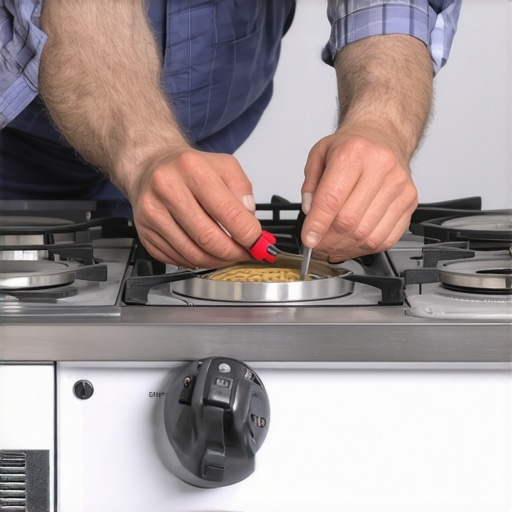 When it comes to appliance installation and repair, many homeowners harbor common misconceptions that can cost them time, money, and safety. One pervasive myth is that choosing the cheapest service provider guarantees savings. In reality, opting for the lowest price often sacrifices quality and leaves you vulnerable to subpar workmanship or even appliance damage. Trusted companies with comprehensive warranties, like those offering same-day repair services with warranty coverage, prioritize expertise over cost-cutting.
A less obvious trap lies in misunderstanding what warranties cover. Many assume that warranties repair only specific parts, but some providers exclude labor costs or have strict conditions that void coverage if the installation isn’t performed properly. Always review the details in the warranty policy to avoid surprises.
Advanced homeowners consider the importance of proper calibration and professional expertise during installation. Inaccurate setup can lead to inefficiency, increased energy bills, or even safety hazards like gas leaks or electrical hazards. For example, improper leveling or miswired appliances can cause ongoing issues, often mistaken for malfunction. This is why engaging certified technicians for installation, as described in reliable setup guides, is crucial.
Another nuanced aspect is the differentiation between parts warranty and full-service coverage. While many focus on parts replacement, comprehensive warranties encompass diagnostics and repairs, which are vital for long-term appliance health. Recognizing this can save you from frequent breakdowns and skyrocketing expenses. Learn more about warranty-backed repair solutions that go beyond parts to ensure peace of mind.
Common mistakes also include neglecting to register warranties promptly or failing to understand the service process. Many assume warranties are automatic; however, registration efforts, like detailed in best practices for warranty registration, can be the difference between covered repairs and out-of-pocket expenses.
On the repair front, a frequent oversight is delaying professional intervention until issues worsen. Small symptoms, such as a slightly louder noise or irregular operation, often signal deeper problems. Waiting can lead to more complex failures, higher costs, and potential safety risks, especially with gas or electrical appliances. It’s why timely expert repairs are essential.
Finally, advanced consumers recognize the value of transparency and warranties in the repair process. Verify that your service provider offers warranty-backed solutions, detailed quotes, and transparent procedures. This approach ensures accountability and keeps your appliance repairs within a trustworthy framework.
Have you ever fallen into this trap? Let me know in the comments. Remember, understanding these nuances can make the difference between ongoing hassle and hassle-free appliance ownership. Do your homework, choose certified experts, and ensure you’re fully protected with the right warranties and service standards.
Keep It Working: My Go-To Tools and Techniques
Maintaining appliances efficiently over time requires not just routine checks but also reliable tools that can diagnose and address issues before they escalate. Personally, I swear by a professional-grade multimeter for electrical troubleshooting, especially for checking continuity and voltage drops, which are common causes of appliance failures. For gas appliances, a digital manometer is indispensable for ensuring proper gas pressure, preventing hazards and inefficiencies. I also use a high-quality ultrasonic leak detector to identify small gas leaks that could otherwise go unnoticed, ensuring safety and performance.
Beyond hardware, software plays a key role. For example, using diagnostic apps provided by manufacturers allows me to perform quick self-tests on smart appliances, saving time and identifying issues early. Regularly updating firmware also helps patch bugs and improve device longevity. I recommend scheduling these checks quarterly, especially for connected devices, to stay ahead of potential problems.
When it comes to long-term results, maintaining a detailed repair and maintenance log is vital. I track parts replaced, firmware updates, and service dates, which not only helps in warranty claims but also provides a clear history for technicians. This practice minimizes unnecessary repeat repairs and ensures your appliances run smoothly longer. For instance, I keep a record of my fridge’s defrost cycle replacements, which has extended its overall lifespan significantly.
Looking ahead, the trend is moving towards integrating IoT diagnostics directly into appliances, allowing remote monitoring and predictive maintenance. This will make maintenance more proactive than reactive, keeping your appliances in top shape effortlessly.
How do I maintain appliances over time?
Consistent checkups using dedicated tools, following manufacturer guidelines, and keeping detailed records create a robust maintenance routine. I also recommend consulting professional services for calibration, especially for complex or high-end appliances, to ensure optimal operation. Reliable, warranty-backed repair services like same-day fixes with warranty benefits can be lifesavers for unexpected issues, offering peace of mind and long-term savings.
Finally, employing the right maintenance tools and methods can drastically reduce downtime and repair costs. For example, regularly testing the thermostat resistance with a multimeter or cleaning condenser coils yearly can prevent major breakdowns.
If you’re interested in elevating your maintenance game, I recommend trying out a digital manometer for gas pressure checks—it’s a small investment with big safety and efficiency returns. Remember, proactive maintenance with the right tools is your best bet for keeping appliances running smoothly for years to come. Want more expert tips? Check out this comprehensive repair guide.
What I Wish I Knew Before Rushing to Fix a Flame
Soon after my first DIY gas stove repair, I realized that trusting surface appearances can be deceptive; a vibrant blue flame is just the beginning of safety. The toughest lesson was that neglecting regular maintenance or ignoring warning signs, like an orange flame, can lead to dangerous Carbon Monoxide buildup. That lightbulb moment taught me that deep knowledge and attention to detail are integral to appliance longevity and household safety.
Tools and Tips That Changed My Approach to Repairs
From a reliable multimeter to a professional-grade ultrasonic leak detector, my toolkit has become my best ally. These tools empower me to diagnose issues accurately and prevent small problems from escalating. Supplementing hardware with trusted resources—like manufacturer diagnostic apps and reputable repair guides—has transformed my maintenance routine into a proactive safeguard, saving time, money, and peace of mind.
Empower Your Next Step with Confidence
The future belongs to those who take charge of their appliance health, armed with knowledge, the right tools, and a decisive mindset. Whether it’s a quick cleaning or scheduling a professional calibration, each action contributes to a safer, more efficient home environment. Remember, handling appliances with care isn’t just about repairs—it’s about fostering confidence and safety day after day.
What Hidden Lessons Are You Still Discovering?
- Sometimes, the smallest flame shift signals a bigger issue; never dismiss early signs—trust your observations and act swiftly.
- Proper calibration by qualified technicians can extend your appliance’s lifespan far more than routine cleaning alone.
- Warranties are a safety net—but only if you understand and utilize them correctly; familiarize yourself with their scope and your rights.
- Regular maintenance routines, combined with effective troubleshooting tools, turn what seems tedious into a form of invested safety.
- My biggest lightbulb moment was realizing that appliance safety isn’t a one-time fix but a continuous, mindful practice rooted in knowledge and care.
Tools I Lean On Daily
- Multimeter for electrical diagnostics—essential for catching issues before they manifest.
- Digital manometer for gas pressure checks—trust me, it’s a game changer for safety checks.
- Ultrasonic leak detectors—detect tiny, dangerous leaks that eyes or nose might miss.
- Manufacturer diagnostic apps—stay updated, troubleshoot on the go, and avoid unnecessary service calls.
Each of these tools has helped me save money and ensure my appliances operate safely and efficiently. Combining hardware with a commitment to learning and routine checks elevates your maintenance game to expert level.
Seize Control—Your Home Deserves It
Now is the time to take action, harness your newfound knowledge, and turn appliance maintenance from a chore into a confidence-building habit. Your home’s safety and your peace of mind depend on it. You’ve got the power—start today.
Have you ever hesitated before tackling a appliance issue? What did you learn that changed your approach? Share your story below!