
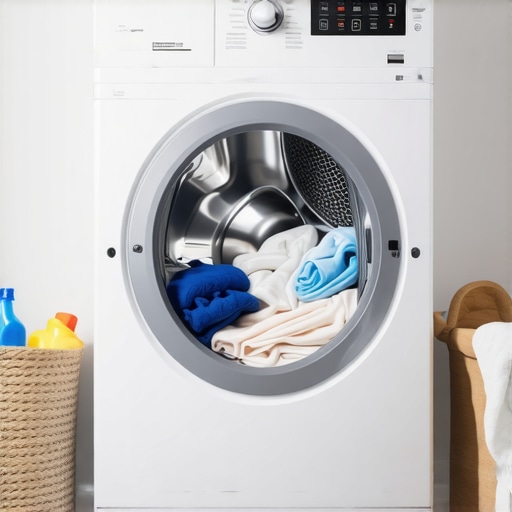
Have you ever loaded your gas dryer with freshly washed clothes, hit the start button, only to realize that it’s spinning—yet somehow not producing any warm air? That frustrating moment when your perfectly good dryer seems to have turned into a chilly, useless machine. I’ve been there myself, thinking I’d have to call in a costly repair technician or, worse, replace the entire appliance. But let me tell you—there’s often a simple fix. And today, I want to share my experience and help you get your dryer heating up again without breaking the bank.
Bright Idea: Understanding Why Your Gas Dryer Isn’t Heating
Is Your Dryer Only Spinning and Not Heating?
When your gas dryer spins but doesn’t heat, it feels like a misfire—like the engine revs but doesn’t go anywhere. This issue is more common than you might think. From clogged gas valves to faulty thermostats, there are a handful of suspects. But before diving into complex repairs, it’s crucial to pinpoint the culprit. A key reason is a problem with the gas supply or ignition system — if your dryer isn’t igniting properly, it won’t produce heat at all.
Early in my repair adventures, I made a mistake I see many homeowners repeat: assuming the problem was with the heating element itself, which isn’t even part of a gas dryer! Instead, gas dryers rely heavily on their igniter, gas valve coils, and flame sensors. Overlooking these parts can lead you down the wrong repair path, wasting time and money. For more insights on common issues, check out this article.
What We’ll Cover Today
Stick with me, and I’ll walk you through the essential steps to diagnose and fix a gas dryer that’s spinning cold. From checking gas supply lines to testing thermostats, I’ll offer practical advice rooted in real-world experience. By the end, you’ll know whether it’s a simple fix or time to call in a professional. Ready? Let’s restore your dryer’s heat—so your clothes come out warm, not chilly.
.
Check the Gas Supply First
Before opening up the dryer, ensure the gas valve is fully open. Locate your home’s gas shut-off valve and verify that it’s turned on. A common mistake is forgetting to turn the valve back on after an emergency or maintenance. I once worked on a dryer where the gas was accidentally shut off during home repairs; simply turning the valve on restored heat. See related issues with power surges that can affect gas appliances.
Inspect and Test the Igniter
Locate the Igniter
Access the dryer’s lower panel and find the igniter, which resembles a small coil or glow plug. When functioning correctly, it glows bright orange to ignite the gas.
Test the Igniter
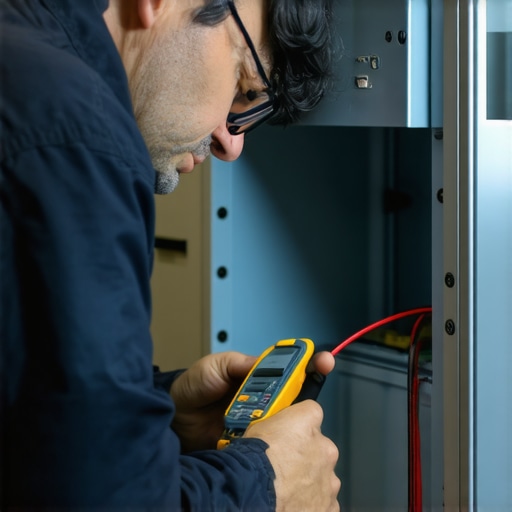
Disconnect the igniter and use a multimeter set to resistance mode. A good igniter typically reads between 50 to 300 ohms. If your reading is infinite or zero, the igniter is faulty. I replaced a worn-out igniter on a client’s dryer, which instantly got it heating again.
Examine the Gas Valve Coils
The gas valve coils open the flow of gas when ignited. To test, locate the coils, usually near the gas valve assembly. Unplug their connector and test continuity with a multimeter—any reading of open circuit indicates a coil failure. Replacing these coils is straightforward and often cost-effective—saving you from replacing the whole dryer.
Consider the Flame Sensor
This safety device detects a flame after ignition. If dirty or malfunctioning, it may shut off the gas supply. To test, clean it gently with fine emery cloth. If it still doesn’t work, replacing the flame sensor restores safe operation.
Examine Thermostats and Limit Switches
Bad thermostats can prevent the heating cycle from starting. Use a multimeter to check for continuity. Replace any defective part, and your dryer should heat normally. Remember, a defective thermostat can be similar to a broken thermostat in a smart thermostat system—like this article detailing thermostat issues.
Check for Blockages and Gas Leaks
Inspect for clogs in gas lines or vent pathways. Use a soapy water solution to check for leaks around connections; bubbles indicate leaks. Fixing a leak prevents dangerous situations and ensures proper combustion. I once discovered a tiny leak caused by a loose fitting, which was quick to repair and restored heating.
Verify Power and Control Board
Ensure the dryer’s control board isn’t malfunctioning. Listen for clicking when attempting to ignite; if absent, the control system may be faulty. While testing complex electronics requires specialized tools, simple visuals can reveal burnt components or corrosion. An inexpensive control swap often solves persistent electrical issues.
When to Call a Professional
If you’ve tested all these components and your gas dryer still won’t heat, it might be time to consult an expert. Professionals can perform comprehensive diagnostics, especially for intricate control systems or gas line repairs. Remember, attempting unsafe repairs can be dangerous; always prioritize safety and consider contacting a licensed technician for stubborn issues.
 When it comes to appliance warranties and repairs, many homeowners operate under misconceptions that can cost them time and money. A common myth is that warranty coverage is comprehensive and will automatically cover all repair costs, but in reality, manufacturers often exclude damages caused by improper installation or neglect. This misunderstanding leads many to believe that any repair is free or covered, when in truth, many warranties have fine print that voids coverage if basic installation guidelines aren’t followed. For example, improperly leveling a washing machine or failing to clean filters regularly can void your warranty, even if the appliance is still under contract.
Additionally, the assumption that same-day service should always be available is another misconception. While many companies advertise quick turnaround times, they often prioritize emergency repairs affecting daily routines or safety issues. If your issue is minor or non-urgent, you might experience longer wait times, contrary to expectations. Knowing this can help set realistic expectations and prevent frustration.
Furthermore, some homeowners overlook the importance of the specific parts used during repairs. Using non-OEM (original equipment manufacturer) parts might seem harmless but can actually void your warranty and compromise the appliance’s performance. This is especially critical when considering complex systems like smart appliances, where proprietary components ensure compatibility and functionality. For instance, installing generic replacement parts on a smart fridge could lead to connectivity issues or even damage the unit, and manufacturers might refuse warranty claims under such circumstances.
Have you ever fallen into this trap? Let me know in the comments.
Do warranties truly guarantee coverage, or are there hidden pitfalls? The answer lies in understanding the nuances that most consumers miss.
It’s essential to read the fine print and familiarize yourself with your appliance’s warranty terms. Often, manufacturers require professional installation and maintenance records to validate claims. Skipping regular diagnostics or neglecting recommended maintenance can be considered misuse, voiding your coverage. For example, ignoring routine checks on the control board or neglecting to clean vents can lead to costly repairs not covered by warranty, because they are classified as preventable damages.
In the realm of repairs, another advanced nuance involves the specific diagnostic procedures technicians must follow before concluding a repair is necessary. Modern appliances incorporate sophisticated sensors and control systems that require precise diagnostics; bypassing these steps can lead to misdiagnosis or unnecessary replacements. This is why many service providers emphasize the importance of certified technicians who adhere to manufacturer protocols. Attempting DIY repairs without proper knowledge not only risks damaging your appliance but also voids the warranty.
Beyond warranties, service parts and installation standards play a crucial role. As seen in many cases, misaligned or improperly installed appliances can lead to increased wear and tear—reducing lifespan and increasing unexpected repair costs. For example, incorrect leveling of a dryer causes excessive vibrations, leading to premature component failure. Always consult installation guides or professional services to ensure compliance, safeguarding your warranty and prolonging your appliance’s life.
In conclusion, understanding these subtle yet impactful nuances can save you from costly errors and ensure your appliances remain under warranty when needed. Don’t assume everything is straightforward; take the time to read guidelines and seek expert advice when in doubt. If you’re interested in safeguarding your appliances further, explore [the critical power surge rule for smart fridge warranties](https://discountappliancehub.com/the-critical-power-surge-rule-for-smart-fridge-warranties). Knowledge truly is power—protect your investment wisely.
Keep Your Appliances Running Smoothly with the Right Tools
Maintaining appliances over time requires more than just basic care; it demands a set of precise tools and a disciplined approach. As a seasoned technician, I swear by certain equipment that ensures longevity and reliable performance. One indispensable tool is a high-quality digital multimeter. I prefer a Fluke model because of its accuracy and durability. This tool allows me to test thermostats, sensors, and electronic control boards with confidence, catching issues before they escalate. Regular voltage and continuity checks prevent unnecessary component replacements, saving time and money.
Another vital piece of equipment is an infrared thermocouple. I use it to quickly identify hotspots or cold zones in complex systems like smart refrigerants or oven assemblies. This non-contact method saves me from dismantling entire units just to find a thermal imbalance. Over time, these thermal insights help me recommend preventive maintenance, extending appliance life. Remember, investing in quality tools pays off—they’re more reliable and have a longer lifespan than cheap alternatives.
Leveraging Software for Diagnostics
Alongside hardware, employing diagnostic software enhances troubleshooting accuracy. I frequently use manufacturer-specific apps or universal diagnostic tools like BlueDriver to interface with electronic control units. These software solutions can read error codes, provide real-time performance data, and even reset systems remotely. For example, when diagnosing a smart fridge, connecting via Wi-Fi allows me to identify firmware glitches or sensor malfunctions without invasive procedures. As appliances become more connected, mastering these tools will be essential for continued maintenance success.
Predictions for Future Trends
Looking ahead, I believe the integration of AI-driven diagnostics will revolutionize appliance maintenance. Imagine devices that alert you to potential failures before they happen, based on predictive analytics. Embracing IoT (Internet of Things) technology, technicians will increasingly rely on remote monitoring and data analytics to perform proactive service, reducing downtime significantly.
How do I keep my tools in top shape over time?
Keeping tools functional and accurate requires routine calibration and proper storage. I schedule annual calibration for my multimeter with authorized service centers. I also keep all my equipment in a dedicated toolbox, protected from moisture and dust. Maintaining your tools ensures reliable readings, which directly translates to accurate diagnoses. Additionally, staying updated on software firmware updates ensures compatibility with new appliances and troubleshooting protocols.
For appliance repair professionals and serious DIYers alike, investing in high-quality, well-maintained tools is the cornerstone of long-term success. Trying out advanced diagnostic methods, like using an infrared thermocouple, can give you insights that simple visual checks might miss. Remember, as appliances evolve toward smarter systems, your toolkit must evolve too. Check out this article for more tips on safeguarding your smart appliances during repairs.
The Hardest Lesson I Learned About Warranty, Appliance Repair, Installation, and Same-Day Service
One critical insight is that many homeowners underestimate how important proper installation is to warranty coverage. Even a small misstep during setup can void years of protection, which I learned the hard way when a client’s new refrigerator failed prematurely because it wasn’t leveled correctly. Never assume that warranty coverage is automatic; read the fine print and follow all installation guidelines meticulously.
Myths That Can Hold You Back from Fast Repairs
An ongoing misconception is that same-day appliance repairs are always guaranteed. In reality, urgent issues like gas leaks or fire hazards get priority. If your problem isn’t an immediate safety concern, you’ll often face longer wait times. Knowing this helps set realistic expectations and avoids frustration when scheduling repairs or parts replacement.
Secrets Manufacturers Don’t Share About Your Coverage
I’ve discovered that using non-OEM replacement parts might seem cost-effective initially but can damage your appliance and void your warranty. It’s tempting to cut costs, but in the long run, trusting original parts and certified technicians ensures your appliance stays protected. For example, installing generic control boards in smart appliances risk disconnecting your device from manufacturer support, which can be costly.
How Regular Maintenance Saves Your Money and Time
Consistent care, like cleaning vents or inspecting gas lines, prevents many issues that would otherwise lead to expensive repairs or even warranty voidance. I advise homeowners to keep a maintenance schedule aligned with manufacturer recommendations—it’s a small effort for big savings. Remember, proactive steps often prevent disasters that disrupt your peace and budget.
Curiosity Keeps the Repair World Moving
Have you ever thought about how proper installation and maintenance could have saved you money? Share your experiences below. Your story might help someone avoid the same pitfalls and keep their appliances running smoothly long term.