
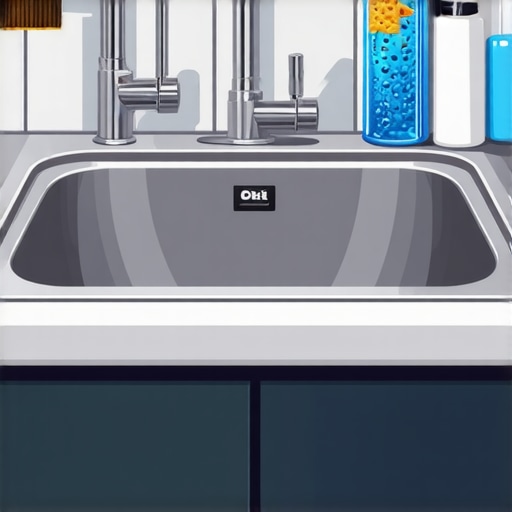
Ever had that moment in the middle of dinner prep when your garbage disposal suddenly stops working—no noise, no grind, just silence. You fumble around, press the reset button, and hope for the best, only to be disappointed again. That sinking feeling of ‘Did I just break it?’ hits hard. Honestly, I’ve been there too. What finally clicked for me was discovering the power of that tiny, often overlooked reset button—sometimes called the ‘hidden’ button—that can restore your garbage disposal in seconds. But here’s the thing: many folks, myself included at first, treat it as a last resort or even ignore it altogether.
Today, I want to share with you the secrets I’ve learned after countless frustrations and trial-and-error. If your disposal isn’t working, chances are that button is your best friend. And no, it’s not a mystery device—it’s a simple safety feature that’s designed to protect your unit and make troubleshooting easier. Once I understood what that little button does, fixing my garbage disposal became straightforward, saving me the hassle—and the money—of calling in a pro every time.
In this post, we’ll tackle exactly how to locate, understand, and properly reset your garbage disposal, so you’re never left scratching your head again. Trust me, with this knowledge, fixing that stubborn disposal will be as routine as flipping a light switch. Ready to regain control over your kitchen appliances?
Why the Reset Button Is Your Kitchen Hero
The reset button isn’t just a quirky feature; it plays a crucial role in protecting your garbage disposal from overloads or jams. When the motor senses a problem—like trying to process something too tough or jammed—the built-in safety mechanism trips, shutting down the unit. That tiny reset button then acts as a reset switch, allowing the motor to restart once the issue is addressed. Think of it as a safety net designed to prevent damage and extend the life of your appliance.
In my early days of homeownership, I made the mistake of ignoring this handy feature. Instead of pressing that small button, I tried all sorts of makeshift fixes—hammering, jamming, even prying the disposal open with a screwdriver. Not only did those methods not work, but they risked damaging the unit or worse. It wasn’t until I read a trusted guide—like this one on appliance troubleshooting—that I realized how to properly use that reset button and save myself a lot of trouble. If you want to learn more about common disposal issues and their solutions, check out this comprehensive article on why your washing machine pump fails.
Locate the Reset Button Precisely
Start by unplugging the disposal or turning off the circuit breaker to ensure safety. Look underneath the sink near the base of the unit—most disposals have a small, round, red or black button that acts as the reset. I remember encountering my first stuck disposal, and after carefully inspecting, I easily found it hiding behind the sink’s spray arm. Use a flashlight if necessary, as it can be tiny and tucked away behind other components.
Understand When to Reset
Only reset after resolving the jam or overload. If the disposal has stopped working after grinding food or hearing a loud noise, it’s a candidate for reset. Never press the reset button if the unit is still making noise or humming—these indicate other issues that need addressing first. I once pressed the button prematurely, which didn’t fix the problem and made me realize I should’ve checked for jams first.
Clear Jams Before Resetting
Before pressing the reset, manually remove obstructions. Use pliers or tongs to pull out any jammed objects like utensils or bones. Never put your hand into the disposal—safety first. After clearing, manually rotate the blades with a hex key if accessible, which can sometimes free stubborn jams. This step saved me from repeated failures when I attempted to reset too early, and it was an eye-opener on proper troubleshooting.
Press the Reset Button Correctly
Press firmly on the reset button until it clicks. If it’s stuck, use a non-metallic object like a screwdriver to gently push it in. Hold for a few seconds and release. My first attempt involved repeatedly pressing it, which didn’t work because I hadn’t combed out the jam first. Remember, pressing resets only after clearing jams or preventing overloads.
Test the Disposal Once Reset
Restore power and run water while turning the disposal on. Listen for normal operation—no humming or silence. If it works, you’ve successfully reset it. If not, double-check for jams or wiring issues. I once thought resetting fixed an issue, only to realize a jam persisted, causing me to revisit the process and be more methodical.
Prevent Future Issues With Regular Maintenance
To avoid frequent resets, routinely clean the disposal and avoid putting hard or fibrous materials down the drain. Run cold water during operation to keep blades clear. Also, occasionally reset the unit as a preventive measure—think of it like giving your car regular check-ups to prevent breakdowns. Knowing how and when to reset your disposal has transformed my maintenance routine—saving time and frustration.
When homeowners hear ‘same-day service’ or ‘warranty,’ they often assume a straightforward process—quick fixes, guaranteed coverage, and hassle-free solutions. However, the reality is far more nuanced. Many believe that requesting urgent service or trusting their warranty guarantees comprehensive support, but in practice, misconceptions abound. Let’s dig deeper into what most people get wrong and how these misunderstandings can lead to costly mistakes.
One common myth is that same-day service always means immediate, on-the-spot repairs. In reality, many providers prioritize jobs based on severity, parts availability, and technician schedules, which can lead to delays even with the “same-day” promise. For example, if your washing machine stops mid-cycle, alerting the service provider doesn’t always mean your repair will happen within 24 hours. Understanding this nuance helps set realistic expectations and prevents frustration.
Another trap lies in overestimating the coverage of appliance warranties. Many consumers assume that warranties cover all repair costs or that they are universal. But warranties often have fine print—specific parts are excluded, or certain types of damage, like from hard water or improper installation, aren’t covered. Recognizing these limitations can save you from disappointment and surprise expenses. Moreover, warranties usually don’t cover damage caused by DIY repairs or neglect. So, if you attempted a repair yourself, your warranty might be voided, leaving you responsible for future issues. Learn how to protect your warranty rights properly by consulting expert advice or detailed guides.
Now, here’s a question many advanced homeowners ponder: How can I differentiate between a genuine emergency requiring immediate service and a situation that can wait? For instance, a refrigerator leaking water might seem urgent, but if it’s just a slow drip not risking water damage, scheduling a repair within a few days might suffice. However, if you notice signs like refrigerant leaks or the compressor failing, prompt action becomes crucial. For insight on when to call for same-day repairs, check out our dedicated guide on emergency appliance repairs.
Furthermore, many homeowners overlook the importance of verifying the service provider’s licensing and warranty policies before scheduling repairs. A provider lacking proper certification might offer enticing ‘cheap’ rates but could leave you vulnerable to subpar fixes or non-guaranteed work. Always ask for proof of licensing and understand the warranty terms on both parts and labor. Sometimes, installing incompatible or non OEM parts voids the warranty—a common mistake that leads to additional expenses. More about this can be found in our article on the risks of third-party parts.
Lastly, beware of the ‘free diagnostic’ trap. Many companies advertise free assessments but end up charging hefty fees for repairs or parts. It’s essential to clarify these details beforehand. Knowing exactly what is covered and what isn’t, especially for installation or repair services, protects your wallet. Confirm whether the service includes parts, labor, and if they guarantee their work.
In conclusion, the key to navigating appliance repair and warranty services lies in understanding the subtler details: service timelines, coverage limitations, licensing, and proper troubleshooting. By avoiding common misconceptions, you can make informed decisions that save you time and money. Remember, good knowledge prevents costly mistakes—so always research thoroughly before scheduling repairs or claiming warranties.
Have you ever fallen into this trap? Let me know in the comments.Maintaining appliances over time requires a strategic combination of the right tools and consistent habits. From specialized equipment to software, each element plays a role in keeping your systems functioning smoothly and preventing costly breakdowns. Personally, I rely on a high-quality multimeter for electrical diagnostics, as it allows me to quickly identify power issues and wiring faults. For example, testing the voltage at a breaker or a component can save hours of guesswork, ensuring repairs are precise.
Another indispensable tool is a set of precision screwdrivers, especially those with insulated handles, which I use for delicate disassembly. This reduces the risk of accidental shorts or damage. In my experience, investing in a digital infrared thermometer has revolutionized my approach to preventive maintenance, enabling me to detect overheating components before they fail. For instance, monitoring heat patterns around the motor or control panels can hint at impending issues, allowing for timely intervention.
On the software side, I utilize diagnostic apps compatible with smart appliances. These tools often provide real-time data access and troubleshooting guides directly from the manufacturer, making diagnosis faster and more accurate. As technology advances, integrating remote monitoring systems into your routine will become essential—allowing you to receive alerts before minor problems escalate into major failures.
Prediction for future trends points toward increased automation and AI-driven diagnostics. Imagine appliances that alert you to issues via your smartphone or automatically schedule service. Embracing these innovations now prepares you for a seamless maintenance experience.
To keep your appliances working effectively, establish a regular maintenance schedule. For example, periodically inspecting and cleaning filters, coil assemblies, and drain lines can significantly extend their lifespan. Use tools like a pressure gauge to verify proper water pressure in dishwashers or washing machines, ensuring optimal operation. Regularly running diagnostic tests with compatible apps can also preempt failures.
How do I maintain appliances over time? Consistency is key. Schedule weekly checks, like inspecting for leaks or unusual noises, and adhere to manufacturer-recommended cleaning routines. Additionally, always update your appliance firmware when prompted, as software updates often include important performance improvements and security patches.
When tackling repairs yourself, leverage instructional resources and diagnostic tools to avoid unnecessary service calls. For example, referencing detailed guides on why your washing machine won’t drain can empower you to solve common issues efficiently. Remember, faithful maintenance not only prevents emergencies but also amplifies the dollars saved over the appliance’s lifespan.
Try incorporating a digital infrared thermometer or a diagnostic app into your routine this month. These tools have transformed the way I approach appliance care, and I bet they’ll do the same for you. Proper, proactive maintenance is the best investment in appliance longevity and performance.
Discovering Why I Always Overlooked the Reset Button
One of the biggest lessons I learned about appliance troubleshooting is that sometimes the simplest solution is the most overlooked. I used to spend hours trying to fix my garbage disposal with complex tools or calling professionals, only to realize that a tiny reset button could have saved me all that effort. That realization taught me the importance of thoroughly understanding the features your appliances have—like that small, discreet reset button that acts as a safety switch, preventing damage and prolonging lifespan. Now, I always check for that button BEFORE attempting any drastic measures.
Avoiding the Common Reset Ritual Mistakes
Early on, I made the mistake of pressing the reset button prematurely or multiple times without resolving underlying jams or overloads. It’s tempting to think that pressing repeatedly will fix the issue, but in reality, if there’s debris or a jam, resetting won’t help until you clear the obstacle. My lightbulb moment was realizing that you need to physically clear obstructions first—using tongs, not hands—and then press the reset. This approach prevents further damage and ensures your disposal is back to normal quickly.
Why Regular Maintenance Can Save Your Day
Through my experience, I found that proactive maintenance—like periodically running cold water, avoiding fibrous waste, and keeping blades free of debris—reduces the chances of overloads forcing me to reset frequently. It’s like giving your appliance a health check-up, which ultimately extends its life. Installing a service app on your smartphone can even alert you to potential issues early, like abnormal vibrations or overheating, so you can step in before a complete shutdown occurs. Investing in these habits has made my kitchen safer and my appliance last longer.
Learning the Hidden Tricks from Seasoned Pros
Over time, I discovered that professionals often have a few tricks up their sleeves—like testing blades with a hex key or recognizing signs of motor burnout—beyond just pressing the reset button. For example, knowing how to easily locate the tiny reset switch behind the sink spray arm or understanding when a reset isn’t enough and a jam is still present has made me more confident troubleshooting on my own. To deepen this knowledge, I recommend checking out expert guides on why your washing machine won’t drain, as similar principles often apply across appliances.