
I remember the exact moment I realized my dishwasher wasn’t cleaning dishes properly—it was during a rare morning rush when I loaded it, only to find our once-sparkling plates came out grimy and waterlogged. Frustrated and a bit alarmed, I thought it might be a simple clog or maybe a faulty part, but it felt bigger than that. Turns out, a small, overlooked cause was behind the messy results: a clogged internal filter. That lightbulb moment made me dive into the world of dishwasher intricacies, and what I discovered was eye-opening.
Why Recognizing the Symptoms of a Clogged Dishwasher Filter Matters
Many homeowners don’t realize that a seemingly minor issue, like unresolved water drainage or persistent odors, can actually stem from a clogged filter inside the dishwasher. These symptoms aren’t just inconveniences; they’re signals from your appliance warning you that it’s not functioning at peak efficiency. Ignoring these signs can lead to costly repairs or even damage that void your warranty. According to appliance repair experts, addressing internal component issues early can save you significant time and money.
Have you ever experienced your dishwasher not draining fully? Or noticed a foul smell emanating from it? If so, you’re not alone—and I’ve been there myself. Recognizing these signs early helped me avoid more serious problems down the line.
Is It Really Worth the Fuss to Check the Filter?
Early on, I made the mistake of assuming every dishwasher hiccup was a major repair required. I ignored simple fixes like cleaning the filter until a technician pointed it out. That oversight not only delayed the fix but also underscored the importance of understanding your appliance’s inner workings. Learning how to identify symptoms of a clogged internal filter can empower you to troubleshoot effectively, ensuring your dishwasher runs smoothly and prolonging its lifespan.
In the next sections, I’ll guide you through how to spot these symptoms, what causes clogs, and how you can prevent them—saving you money and frustration. Plus, I’ll share how warranty-backed services ensure you’re covered when repairs are needed, so stay tuned for practical tips you can trust.
Remove and Access the Filter
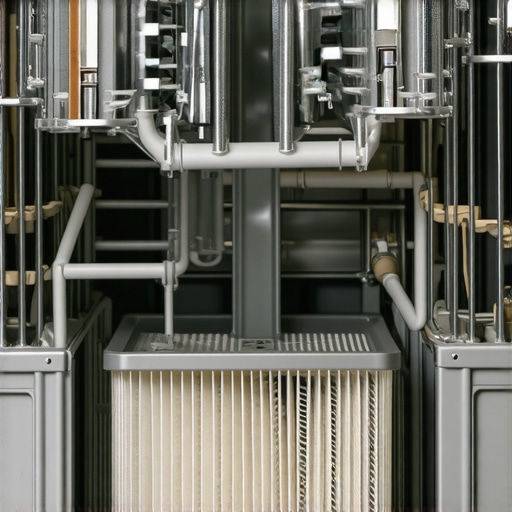
Start by unplugging your dishwasher to ensure safety. Locate the bottom rack and remove it to access the filter area, usually at the bottom of the dishwasher tub. Use a flashlight if needed to see clearly. Carefully unscrew or pull out the filter assembly, which often resembles a small, cylindrical or flat mesh screen. I once used a screwdriver to loosen a stubborn filter, which resulted in water splashing everywhere—so proceed gently to avoid spills.
Clean the Filter Thoroughly
Once removed, rinse the filter under warm running water. Use a soft brush or an old toothbrush to gently scrub away any trapped debris, grease, or mineral deposits. For stubborn buildup, soak the filter in a mixture of vinegar and water for 10-15 minutes. During my last cleaning, I discovered a thick layer of soap scum clogging the mesh, significantly impacting water flow. Proper cleaning restores optimal drainage and cleaning performance.
Inspect and Clear the Discharge Path
With the filter out, check the dishwasher’s drain hose for kinks or obstructions. Disconnect the hose if accessible and flush it with water to clear blockages. Alternatively, use a long flexible brush or pipe cleaner to dislodge debris. When I cleared a clogged hose last month, I found a small chunk of food blocking water flow, which once removed, improved drainage dramatically. This proactive step prevents future clogs and odors.
Reassemble and Test
After cleaning, reattach the filter securely, ensuring it clicks or screws into place tightly. Replace the bottom rack and restore power. Run a short cycle with an empty dishwasher to verify proper drainage and absence of odors. I always recommend monitoring the first few minutes after cleaning to ensure water is draining correctly. If problems persist, consider consulting professional services—more on that below.
Prevent Future Clogs
Regularly inspect and clean the filter every 1-3 months, especially if you notice lingering odors or poor cleaning. Avoid overloading the dishwasher, which can cause excess debris and strain on components. Also, use Rinse Aid to help keep the filter and spray arms clear of mineral buildup. For comprehensive support and peace of mind, check out [warranty-backed appliance services](https://discountappliancehub.com/warranty-backed-appliance-services-you-can-rely-on) to keep your dishwasher performing at its best.
Many homeowners operate under common myths that can cost them both time and money, especially when it comes to warranties, appliance repair, same-day service, and installation. Let’s dig deeper into these misconceptions to help you make smarter decisions and avoid costly pitfalls.
Why Most People Overlook Warranty Fine Print
One of the biggest mistakes is assuming warranties cover everything. In reality, many warranties exclude accidental damages, improper installation, or neglect. For example, a manufacturer’s warranty might not cover issues caused by DIY installation mistakes or neglecting regular maintenance. Overlooking these clauses can lead to denial of coverage when you need it most. Reading the warranty carefully, understanding what’s covered, and knowing how to leverage warranty services can save you a lot of frustration.
Myth of Instant Repairs and Service
Another misconception is that same-day or instant appliance repairs are always straightforward and fully covered. While quick service claims are appealing, they often come with hidden costs or limitations. For instance, some providers offer same-day repairs only for specific issues or within certain hours, and additional charges might apply if you request priority scheduling. Navigating warranty-backed services, like those detailed here, is essential to maximize benefits and avoid unexpected expenses.
Installation Woes Can Haunt You Later
Many assume that professional installation is a one-time expense with no further repercussions. However, improper installation—even if performed by someone claiming to be a professional—can void warranties or cause premature appliance failure. Make sure your installers are certified and follow manufacturer guidelines. Use trusted services that guarantee installation quality, as improper setup can lead to issues that aren’t covered under warranty, turning what seems like a minor cost into a costly repair.
Advanced Tip: What’s the Impact of Home System Compatibility on Repairs?
Beyond the basics, consider how your home’s electrical and plumbing systems affect appliance longevity and repair claims. An appliance installed on an inadequate circuit or with incompatible plumbing can lead to early breakdowns. Experts recommend verifying that your home’s infrastructure meets manufacturer specifications before installation. For more insights on ensuring reliable appliance setup, check out our comprehensive guide on reliable installation practices.
The key takeaway is that understanding the nuanced terms of warranties, the realistic scope of same-day services, and the importance of proper installation can dramatically impact your appliance’s lifespan and overall satisfaction. Ignoring these details might seem minor initially but can have significant consequences down the line. Do your due diligence, read the fine print, and choose reputable, warranty-backed services like those offered here to safeguard your investments. Have you ever fallen into this trap? Let me know in the comments.
Maintaining your appliances over the long term requires more than just occasional cleaning; it involves using the right tools and adopting effective methods that ensure durability and performance. As someone who has navigated countless appliance issues, I can affirm that investing in quality equipment and understanding proper maintenance routines pay off significantly. In this section, I’ll share the specific tools I rely on and how they help me keep everything running smoothly, with an eye toward future trends in appliance care.
Precision Parts Cleaners Make All the Difference
When it comes to tiny but crucial components like filters and spray arms, I swear by using a ultrasonic cleaner. This device vibrates at high frequencies, dislodging stubborn debris without risking damage to delicate parts. I personally use a compact ultrasonic cleaner for dishwasher filters, which ensures thorough cleaning and restores like-new performance. It’s a worthwhile investment, especially since detailed cleaning extends appliance lifespan and helps prevent costly repairs. For stubborn mineral deposits, I soak parts in a vinegar solution beforehand, but the ultrasonic process ensures a deep clean that manual scrubbing can’t match. As appliance sophistication increases, these tools will become more compact and affordable, making routine maintenance accessible to everyone.
Smart Monitoring Software Enhances Longevity
Modern appliances often come equipped with diagnostic interfaces or Wi-Fi connectivity, allowing remote monitoring of usage and faults. I recommend integrating smart leak detectors that connect via home automation systems—these not only alert you to issues instantly but also log data over time. This data helps anticipate failures before they happen, shifting maintenance from reactive to proactive. For example, monitoring the water flow rate in your dishwasher can indicate filter clogging early, preventing breakdowns. As AI and IoT technologies advance, expect smarter systems that automatically schedule maintenance or order replacement parts. To stay ahead, I’ve integrated apps that sync with appliance manufacturers’ diagnostic tools—saving time and reducing unexpected breakdowns.
Why Proper Documentation and Professional Tools Matter
Using professional-grade multimeters, circuit testers, and internal inspection cameras enables me to diagnose complex issues accurately. For example, inspecting the control board with a digital oscilloscope can pinpoint faulty components—a task best left to experienced technicians. Proper documentation, such as keeping detailed logs of maintenance and repairs, helps extend warranty coverage and streamlines future troubleshooting. I also emphasize consulting validated repair guides and manufacturer resources to ensure repairs meet safety standards and warranty conditions. In the future, expect more AI-powered diagnostic tools to further simplify these tasks, making professional-grade inspections more accessible for the DIY enthusiast.
How do I maintain appliances over time?
Consistent, scheduled maintenance combined with high-quality tools ensures your appliances operate efficiently for years. Regularly cleaning filters and spray arms, monitoring water inlet systems, and inspecting electrical connections are vital steps. Implementing preventive measures like installing surge protectors and using appropriate detergents adds layers of protection. For intricate repairs or when in doubt, consulting warranty-backed services like those described here can prevent warranty voidance and save you money. Looking toward the future, adopting smart maintenance systems that predict failures before they occur will become standard, making appliance care both easier and more effective. To get started, try incorporating an ultrasonic cleaner into your routine—you might be surprised by the difference it makes.
Lessons Only Insiders Have Learned About Warranty and Repairs
One of the biggest realizations I had was that small, overlooked details can save you from costly repairs. For instance, I once ignored my dishwasher’s unusual sounds, only to discover a minor clog that, if addressed early, prevented a full breakdown. Patience and attention to detail are crucial in maintenance—waiting for that first sign of trouble often means you miss the window for simple fixes.
Another insight was understanding that warranties are more than just a safety net—they’re a powerful tool when you know how to use them. Reading the fine print and knowing what services are covered helped me avoid unnecessary expenses, especially during urgent repairs. Plus, having trusted, warranty-backed professionals on speed dial turned out to be a game-changer for quick, reliable fixes.
Lastly, I learned that proper installation isn’t just a box to check; it directly impacts your appliance’s lifespan. Investing in certified installation services ensures you aren’t unknowingly setting yourself up for future headaches. The small extra cost upfront truly pays off in the long run, keeping your dishwasher running smoothly under warranty protections.
Tools and Resources That Changed How I Care for Appliances
One of my favorite tools is the ultrasonic cleaner—it makes deep cleaning filter components effortless and effective. Using this device, I’ve prevented many drainage issues before they escalated, saving both time and money. I also rely on diagnostic apps connected to modern appliances, which allow me to monitor performance remotely and catch potential problems early.
For repair guidance, I turn to reputable online manuals and product-specific forums. These resources supplement professional advice and help me understand the inner workings of my appliances, leading to better DIY maintenance. And when in doubt, I never hesitate to consult warranty-supported services—such as those featured on this site—to ensure repairs are done correctly and under coverage.
Finally, I keep detailed logs of maintenance activities and repairs, which proved invaluable when claiming warranty services or troubleshooting recurring issues. Proper documentation combined with the right tools makes appliance upkeep less daunting and more empowering.