

I remember the morning I found my expensive organic steaks sitting in a pool of lukewarm blood. My freezer sounded like a helicopter was trying to take off in the kitchen, but the air inside was barely cool. I did what any desperate person does: I poked at the back panel with a butter knife, trying to dislodge the ice buildup myself. It was a massive mistake that almost cost me the entire unit. That rhythmic thwack-thwack-thwack was my evaporator fan hitting a wall of frost, and by the time I realized what was happening, the motor was screaming for help. Today, I’m going to show you exactly how to tackle an evaporator fan obstruction so you don’t end up with a puddle on your floor or a ruined appliance. We are going to dive into the root causes, from the defrost timer failure that freezes your refrigerator coil to simple airflow mistakes you might be making every day.
Get Your Freezer Back to Sub-Zero Without the DIY Disasters
In those early days of homeownership, I thought I could solve every mechanical issue with a YouTube video and a bit of grit. I learned the hard way that when your freezer starts growing a glacier around its fan, it is usually a symptom of a deeper issue, like the airflow barrier in your fridge that spoils your veggies. When ice obstructs the fan, the cold air can’t circulate. This causes your compressor to work overtime, which drastically spikes your energy bill and wears out your machine years before its time. According to the USDA, food must be kept at 0°F (-18°C) or below to remain safe indefinitely, so every minute that fan is stuck, your health is on the line. If you are currently dealing with a warm fridge, you might need to know how to get an emergency fridge repair before your food spoils.
Is a Professional Repair Actually Worth the Headache?
You might be worried that calling in the pros will break the bank, or that you can just ‘defrost it’ and everything will be fine. Trust me, I tried the ‘just unplug it’ method for months. The ice always came back, thicker and faster than before. Sometimes, the issue is as simple as why your freezer is building up snow around the gasket, which is a cheap fix compared to a burnt-out fan motor. But if you wait too long, that obstruction will kill the motor entirely. Have you ever heard that rhythmic clicking in your freezer and ignored it until the morning your ice cream turned into soup? I want to hear your horror stories—tell me in the comments if you’ve ever tried a ‘quick fix’ that ended up making things worse. Before you start unscrewing panels, you should also check the reason your warranty claim was denied in the past to make sure you aren’t voiding any current protections. Now, let’s look at the actual steps to clear that ice safely.
Clear the Path Before You Touch the Screws
Before you even think about grabbing a screwdriver, you need to treat your freezer like a crime scene. Empty the shelves completely. I once tried to ‘work around’ a bag of frozen peas, only to have them thaw into a mushy mess that leaked into the vents. If you have a secondary fridge, move your perishables there. If not, a high-quality cooler is your best friend. This is also the perfect time to maximize your appliance warranty during emergency repairs by documenting the state of the unit before you start. Unplug the power cord immediately. Working on a live appliance is like trying to fix a bicycle chain while someone is pedaling; it’s dangerous and unnecessary. If your unit is built-in, you might need an expert guide to appliance repair and installation today to ensure you don’t rip the floorboards while pulling it out.
Expose the Fan Without Melting the Plastic
Most evaporator fans are hidden behind a plastic panel at the back of the freezer. You’ll usually find two to four screws holding it in place. Once those are out, don’t just yank the panel. There are often wires for the light or the fan itself attached to the back. When I first did this, I used a heavy-duty heat gun because I was in a rush. I ended up warping the plastic panel so badly it never sat flush again. Now, I use a simple hair dryer on the lowest heat setting or, better yet, a bowl of steaming hot water placed inside with the door closed for twenty minutes. This gentle steam softens the ice bonds without turning your freezer interior into a Salvador Dalí painting. 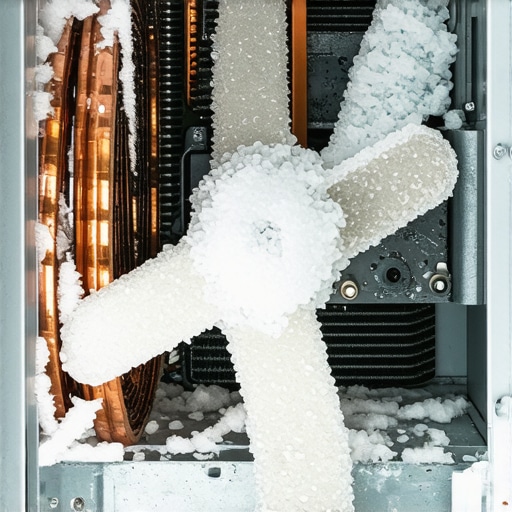
Is Your Motor Dead or Just Chilled to the Bone?
Once the panel is off, you’ll likely see a block of ice that looks like a miniature glacier. This is often the reason why your refrigerator compressor is running 24 hours a day; it’s trying to reach a temperature it can’t possibly maintain because the fan is stuck. Use your fingers to gently spin the fan blades. If they move freely once the ice is gone, your motor is probably fine. If they feel gritty or won’t budge even when clear of frost, the motor bearings have likely seized from the moisture. At this point, you have to decide if you’re up for a part replacement or if you’re better off scheduling your appliance repair for same-day service in 2025. A professional can swap a motor in fifteen minutes, whereas a DIYer might spend three hours just trying to find the right part number online. If you choose the pro route, knowing what to expect from same-day appliance repair experts will help you prep the workspace and get the job done faster. Clean the area thoroughly of any standing water to prevent immediate re-freezing once you power the unit back up.
I’m going to go against the grain here: stop trying to ‘melt away’ the evidence before a technician arrives. Most homeowners think they are doing the repair person a favor by defrosting the unit entirely. In reality, you are deleting the ‘crime scene’ data. A seasoned pro needs to see the pattern of the frost. Is it a localized ice ball, or is the entire coil covered in a white blanket? This distinction tells them if you have a slow refrigerant leak or just a simple defrost timer failure that freezes your refrigerator coil. If you clear it all out, they might misdiagnose the issue, leading to a second service call and another bill. Have you ever fallen into this trap? Let me know in the comments because I certainly did during my first fridge meltdown.
Same-Day Fixes Aren’t Always the Best Cure
We all want affordable same-day appliance fixes with warranty benefits, but there is a nuance most people miss. A ‘speedy’ repair that doesn’t address the root cause is just a temporary band-aid. According to a study by Consumer Reports, nearly 20% of major appliance repairs require a follow-up visit because the initial diagnosis was rushed. If your fan was blocked by ice, simply replacing the fan without checking the defrost heater is a recipe for failure. You need to ensure you are getting fast trustworthy appliance installation near you or repair work that looks at the system holistically. This means verifying that the critical clearance gap for a refrigerator in a nook isn’t the real reason your coils are struggling to shed heat.
Does Your Protection Plan Actually Cover the Fan Motor?
This is where things get tricky. I’ve seen so many neighbors get hit with a ‘denied’ notice because they didn’t understand the fine print that voids your fridge protection plan. Most people assume that if a part breaks, it’s covered. However, many companies use the wear and tear clauses that might void your warranty to skirt around paying for motors that died due to ‘lack of maintenance.’ If they find that you haven’t cleaned your condenser coils in three years, they can argue the fan motor failed due to environmental stress, not a manufacturer defect. This is why you must keep the maintenance receipt you must save for future claims in a dedicated folder. Before you call for help, make sure you have the document most people forget before calling service—your original purchase receipt and the specific terms of your extended coverage. If you’re unsure about your current status, you might want to learn how to renew your appliance protection plan before it expires to avoid being left out in the cold during the next heatwave.
The Gear That Saved My Freezer (And My Sanity)
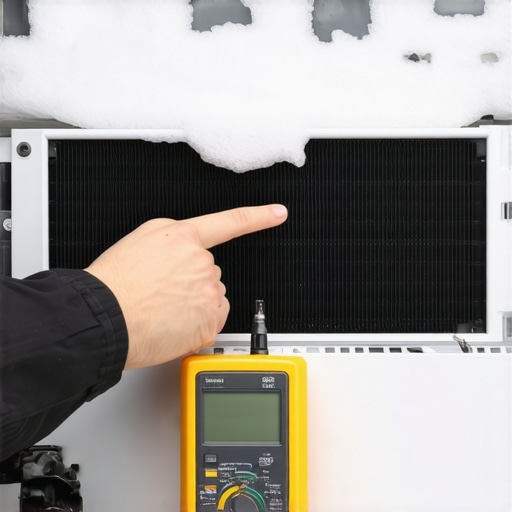
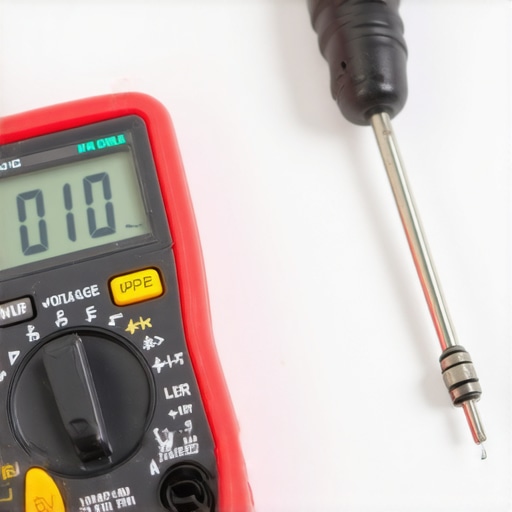
I’ve wasted enough money on ‘bargain’ tools to buy a whole new fridge. If you’re serious about DIY, you need a high-quality digital multimeter—I personally swear by the Fluke 115. I use it because it features a low input impedance mode (LoZ) which prevents false readings from ‘ghost voltages’ that often plague modern electronic control boards. Without it, you might think a motor is dead when it’s actually just a faulty relay on the board. For the physical tear-down, I always reach for a magnetic 1/4-inch nut driver. Those tiny screws at the back of a dark freezer compartment love to play hide-and-seek in the drain hole, and a magnetic tip is the only thing standing between you and an afternoon spent fishing for hardware with a coat hanger. Ensuring you have the right gear is the first step toward how to ensure reliable appliance installation in 2025.
How do I keep my cooling system running for years?
Maintenance isn’t a one-and-done event; it’s a rhythm. Every six months, I pull my fridge out to vacuum the condenser coils. If those coils are choked with pet hair and dust, the compressor runs hotter, the evaporator fan works harder, and your ice buildup returns twice as fast. I also recommend a ‘dollar bill test’ on your door gaskets. If you can slide a bill out with zero resistance, you’re losing cold air and inviting moisture. This simple check is part of what makes warranty-backed appliance services you can rely on actually worth the investment, as they catch these leaks before they kill your motor. According to the Association of Home Appliance Manufacturers (AHAM), regular coil cleaning alone can improve efficiency by up to 30%, which extends the life of every internal component.
Smart Sensors Are the Next Big Thing
I predict that within the next three years, we won’t be guessing about ice buildup anymore. We are already seeing the integration of ultrasonic sensors that detect frost thickness before it ever hits the fan blades. Until then, you have to be your own sensor. If you start hearing that faint clicking, don’t wait. Seeking out same-day appliance repair quick solutions with warranty support is much cheaper than replacing a compressor that burned out trying to fight a block of ice. You can even look for top-tips for same-day service warranty coverage to make sure your proactive maintenance is documented and protected. My best advice? Buy a $10 digital thermometer with a remote probe. Keep the probe in the freezer and the display on the outside. If the temp climbs above 5°F, you know you have an issue before the ice cream melts. Go grab your vacuum and clean those coils today—it’s the single best thing you can do for your kitchen’s longevity.
The Hard Truth About My Butter Knife Blunder
Reflecting on my own kitchen catastrophes has taught me more than any manual ever could. If I could go back to that morning with the steaks, here is what I would tell myself before I ever touched a tool. First, silence is not golden in a freezer; it is usually a sign that your fan is either dead or trapped in a tomb of ice. Second, never underestimate the power of a simple refrigerator thermostat test every diyer should know before you start tearing out the back panel. Third, and perhaps most importantly, the biggest ‘loophole’ for saving money is actually reading the fine print. You can find the warranty loophole that could save you hundreds on parts if you know exactly how to document the failure correctly. I spent years fighting for coverage that was already mine simply because I didn’t have my paperwork in order. Don’t be like past-me; be the person who checks the sensor before the motor.
What’s Actually in My Emergency Repair Kit?
I don’t believe in buying every gadget on the shelf, but three items have saved my sanity time and again. A reliable digital thermometer with an external display is non-negotiable; it lets you see a rise in temperature before your food actually thaws. I also keep a dedicated ‘Appliance Folder’ that houses every manual and the document most people forget before calling service, which is typically the proof of professional installation for built-in units. For the physical work, a magnetic nut driver and a low-heat hair dryer are my go-to tools for safely melting frost. If you are planning a new setup, knowing how to ensure reliable appliance installation in 2025 will prevent the vibration and leveling issues that often lead to ice buildup in the first place.
Don’t Wait for the Puddle to Appear
Handling an evaporator fan obstruction can feel like a high-stakes race against time, but remember that you have the tools and the knowledge to win. Whether you choose to melt the ice yourself or decide that the situation requires warranty-backed appliance services you can rely on, taking action today is the only way to protect your investment and your groceries. The kitchen is the heart of the home, and a working freezer is what keeps it beating. Have you ever noticed a strange clicking or humming noise in your freezer and ignored it until it was too late? Let me know your experiences in the comments below!