
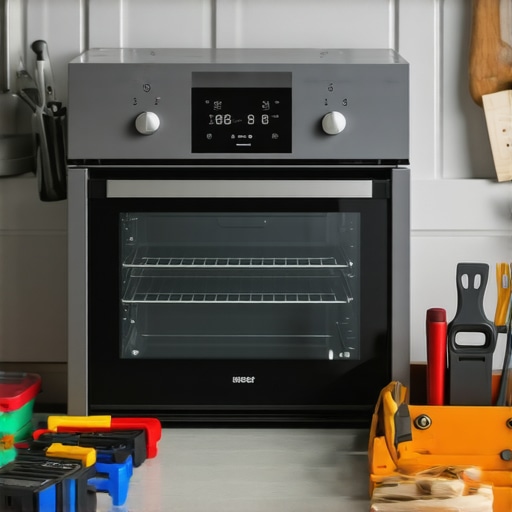
It was a gloomy Sunday afternoon when I finally realized my oven wasn’t heating evenly. I was about to start preparing my family’s favorite roast, only to find that the thermometer kept bouncing between hot and lukewarm. Frustration set in. I knew this wasn’t just a minor hiccup; it was a sign something was seriously off. That moment of disappointment made me wonder: how many home cooks and busy families like mine are losing time, money, and dinner plans due to simple oven issues that could be fixed quickly?
Don’t Let a Fluctuating Oven Ruin Your Day
Many of us underestimate how crucial a reliable oven is to our daily routines. When it starts acting up—whether it fluctuates in temperature or refuses to heat properly—it can throw off your entire schedule. The good news? There are practical, straightforward solutions that can get your oven back in shape the very same day. I’ve been there, and I promise that with a little know-how—and avoiding some common mistakes—you can resolve these issues without waiting for days or spending a fortune.
Is Your Fix Worth It or Just a Waste of Time
One thing I learned early on was that attempting DIY repairs without proper knowledge can sometimes do more harm than good. I once tried to fix my oven’s thermostat myself, only to find myself calling a repair technician later because I overlooked a simple connection issue. That taught me the importance of understanding what *really* works and when to call in the pros. For essential tips on what not to do, check out our guide on [DIY mistakes that void your warranty](https://discountappliancehub.com/5-diy-errors-that-void-your-2026-appliance-warranty-checklist).
So, have you faced this frustrating problem before? If your oven’s temperature is all over the place, don’t worry—I have some proven fixes that can make a real difference. Ready to restore your kitchen’s heart to perfect cooking conditions? Let’s dive into the specific steps you can take, starting with one of the most common culprits behind oven temperature fluctuations.
Check the Oven Door Seal for Secure Closure
Start by inspecting the door gasket for tears or gaps. A loose or damaged seal allows heat to escape, causing uneven cooking. I once spent an hour trying to troubleshoot my oven’s temperature issues, only to discover a cracked gasket. Replacing it was straightforward and made a noticeable difference in cooking consistency.
Verify the Oven Temperature Sensor
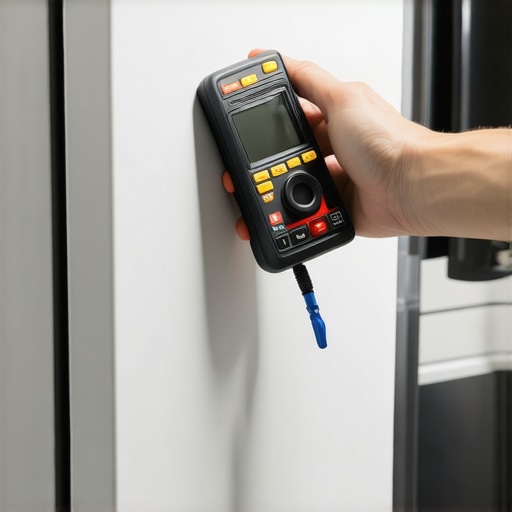
Locate the temperature sensor, typically a thin, cylindrical probe near the oven’s rear wall. Use a multimeter to test its resistance—consult your oven’s manual for specific values. A faulty sensor won’t accurately report temperature, leading to under or overcooking. I recently replaced mine following a quick tutorial, and my baked goods now turn out perfectly. For detailed guidance, see our article on 3 oven fixes for same-day repair.
Test the Heating Element
Turn off power and visually inspect the bake or broil elements for signs of damage—blisters, cracks, or breaks. Use a multimeter to check for continuity. A broken element won’t heat properly. I encountered a burnt-out bake coil that prevented my oven from reaching the set temperature. Replacing it restored proper function and saved my dinner plans. Be sure to buy the correct part and follow safe installation practices.
Examine the Control Thermostat and Settings
Ensure the oven’s control knob or digital settings are correct. Sometimes, a simple reset or calibration fixes temperature discrepancies. I once reset my oven’s electronic controls by unplugging for a few minutes, which recalibrated the system. If issues persist, consider consulting a professional to avoid voiding your warranty—review our guide on 7 fine print traps that void your extended warranty.
Check Power Supply and Circuit Breaker
Ensure the circuit breaker hasn’t tripped and the power outlet supplies voltage. Use a multimeter or a voltage tester for verification. An overloaded circuit or a loose connection can cause inconsistent heating. I tested my outlet, reset the breaker, and confirmed proper voltage, resolving my oven’s heating issues quickly. For safety, consider hiring a qualified electrician if you’re uncertain about electrical work.
Schedule Professional Evaluation if Troubles Persist
If after these steps your oven still doesn’t heat evenly, it might be time to consult a technician. Sometimes, internal component failures require specialized tools. Remember, attempting complex repairs without proper knowledge can risk damaging your appliance and voiding warranties—see our article on why waiting for repair can cost you more. A same-day professional service can quickly diagnose and fix the problem, minimizing your inconvenience and kitchen stress.
Many homeowners operate under misconceptions about appliance warranties and repair procedures, often believing they are entirely protected or that DIY fixes are safe. However, the reality is far more nuanced. A common myth is that warranties cover any repair, regardless of what causes the malfunction. In truth, as explained by appliance experts, warranties frequently contain fine-print clauses that exclude coverage if installation errors or improper use are involved—highlighted in our guide on 7 fine print traps that void your 2026 warranty.
How do I maintain my appliances over time?
Maintaining your appliances effectively requires the right tools and a systematic approach. I personally rely on a high-quality digital multimeter, like the Fluke 117, which I use to test wiring and troubleshoot electrical issues with precision. Investing in a reliable multimeter ensures you’re not guessing when checking components such as thermostats or heating elements.
Another essential tool in my toolkit is a dedicated appliance inspection mirror. This allows me to see behind or into tight spaces, especially useful when inspecting elements or wiring connections without disassembly. I also keep a set of specialized screwdrivers, including insulated and precision bits, which prevent accidental damage during repairs or maintenance tasks.
Complementing these tools, I utilize specific software and manuals—like the manufacturer’s diagnostics guides—that provide step-by-step instructions tailored to each appliance model. Having digital copies of these manuals, stored securely on my tablet, speeds up troubleshooting and helps me identify common issues quickly.
Looking ahead, the trend in appliance maintenance seems headed towards smart diagnostics. Future tools might include AI-enabled sensors that monitor appliance health and alert you instantly of potential failures, much like modern car diagnostics systems. Implementing proactive monitoring could save time and reduce emergency repairs.
Are you wondering how to keep your appliances functioning flawlessly? Start with regular inspections using precise tools, like the multimeter and inspection mirror I recommend. Regular maintenance not only prolongs the lifespan of your appliances but also ensures safety and efficiency. And remember, staying current with the latest diagnostic tech, as highlighted by industry experts, can give you a significant advantage in managing home repairs.
#{ }
}
My Unexpected Lessons About Warranty Conditions and Professional Repairs
One of the most eye-opening lessons I encountered was realizing how easily warranties can be voided by seemingly minor installation errors or neglecting proper setup procedures. I once believed that a quick fix or DIY tweak wouldn’t affect my coverage, but later discovered that some mistakes, like ignoring specific setup guidelines, can make you ineligible for repairs under warranty. This taught me the importance of thoroughly understanding warranty fine print and prioritizing professional installation for crucial appliances.
Tools and Resources That Transformed My Maintenance Approach
Over time, I found that having the right tools makes all the difference. For example, a reliable multimeter proved invaluable when diagnosing electrical issues, saving me time and money. I also rely on detailed manufacturer guides and online tutorials, which provide specific, model-based instructions—reducing guesswork during repairs. Combining these resources with expert advice helps me stay ahead of potential problems, ensuring my appliances function efficiently and my warranty stays intact.
Believing in My Power to Prevent Major Failures
The most empowering realization came when I learned that consistent maintenance and timely repairs can significantly extend appliance lifespan and protect warranties. Knowing that I can handle many issues with proper knowledge and tools motivates me to stay proactive. Taking control means I avoid costly emergency repairs and prevent small issues from becoming larger disasters. So, I encourage you to embrace the mindset of proactive care, harness your tools, and reach out for professional help when needed—the peace of mind is well worth it.
What’s Your Biggest Appliance Repair Insight?
Have you ever experienced a warranty claim being denied due to a setup error or improper maintenance? Share your story below, and let’s learn from each other’s experiences to keep our appliances running smoothly and warranties protected!