
Ever found yourself ready to warm up dinner, only to have the microwave abruptly shut off midway? It’s frustrating, confusing, and can leave you wondering if you need a new appliance. I remember the first time it happened to me—it was on a busy weeknight, and I couldn’t believe my trusty microwave was acting up right when I needed it most. That lightbulb moment made me realize just how common this problem is and sparked my journey into troubleshooting.
If your microwave turns itself off unexpectedly, you’re not alone. This issue can happen for various reasons—sometimes simple, sometimes a sign of something more serious. But here’s the good news: many of these problems can be diagnosed and fixed without calling in a repair technician. Today, I’ll walk you through the common causes and straightforward solutions, so you can get back to your routines without unnecessary expense or hassle.
Why Is My Microwave Turning Off Unexpectedly?
Many people assume their microwave is on its last legs when it keeps shutting down. However, this behavior often stems from issues that are easy to identify and fix—like a door latch problem, a faulty thermal fuse, or overheating components. Understanding the root cause is key to resolving the problem quickly.
Interestingly, according to appliance repair experts, a common reason for this issue is a malfunctioning door switch. If the door isn’t properly latched or if the switch is defective, the microwave might interpret it as the door being open and shut itself off as a safety precaution. Let’s delve into how you can troubleshoot this and other potential culprits.
Have you experienced this frustrating cycle of your microwave turning off without warning? If so, you’re in the right place. We’ll explore practical steps to identify and fix the problem, saving you time and money.
For instance, I once mistakenly thought a blown fuse was the culprit when, in fact, a simple door switch adjustment fixed the issue instantly. Early mistakes like this made me realize the importance of knowing what to check first—something you’ll learn as we go along.
Next, we’ll look at specific signs to watch for, so you can narrow down what’s causing your microwave to cut out unexpectedly. Ready to get your appliance back in working order? Let’s start troubleshooting.
Check the Door Switches
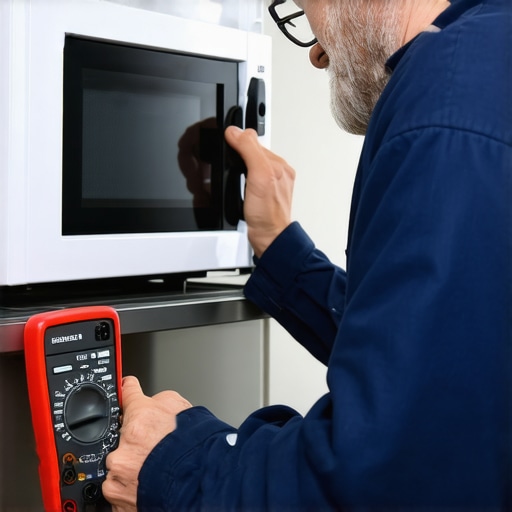
Start by inspecting the door switches, as they are a common culprit. Open the microwave door and press the latch a few times to see if it moves freely. Use a multimeter to test the continuity of the switches—if either is faulty, replacing it can resolve the issue. I once had a microwave that kept shutting off, and a quick test revealed a broken door switch, which I replaced with a simple Phillips screwdriver and a new part from the hardware store—restoring its normal function in under 15 minutes.
Examine the Thermal Fuse
The thermal fuse acts as a safety limit, shutting down the microwave if it overheats. Locate the fuse—usually on the cavity wall—and test it for continuity. If it’s blown, replacing it is usually straightforward, but ensure to disconnect the power before handling internal components. I learned this the hard way when my microwave started turning off randomly; testing the fuse confirmed it was blown, and swapping it out fixed the problem instantly. Be cautious, as overheating could indicate ventilation issues or a failing magnetron, which might require professional inspection.
Look for Overheating Components
Overheating can cause the microwave to shut down as a safety precaution. Check for dust buildup and clean the vents thoroughly. If the cooling fan isn’t functioning properly, the unit may overheat and turn off unexpectedly. In my experience, cleaning out the vents and ensuring the fan blades spin freely solved a recurring shutdown problem. Avoid spraying water directly into vents; instead, use compressed air to clear dust buildup. This maintenance helps prevent overheating and prolongs your microwave’s lifespan.
Test the Magnetron and High-Voltage Components
If the above steps don’t resolve the issue, the magnetron or high-voltage diode might be faulty. These parts are more complex and carry a risk of electric shock, so professional repair is recommended. However, if you’re comfortable with electronics, visually inspecting the magnetron for burnt spots or obvious damage can help. Be aware that a failing magnetron often results in improper heating prior to shutting down. Sometimes, replacing these components requires sourcing specialized parts, but knowing when to call a technician can save time and avoid hazards. For more insights on common microwave issues, see this related troubleshooting guide.
Verify Power Supply and Outlet Conditions
Not all issues are internal; sometimes, the power source is at fault. Use a multimeter or a known working appliance to test the outlet for consistent voltage. Check for loose or damaged cords, and ensure the outlet isn’t part of a shared circuit causing dips under load. I once ignored a faulty power outlet, and my microwave kept shutting off mid-cycle. After switching to a different socket, it operated flawlessly. If your power supply is unstable, consider plugging your microwave into a surge protector or dedicated outlet to prevent unexpected shutdowns.
 Many homeowners assume that opting for same-day appliance service guarantees a flawless or superior repair. However, this common belief often overlooks the nuanced realities of repair timing and quality. In my experience, rushing to get an appliance fixed immediately can lead to missed diagnoses or inadequate fixes, especially when technicians prioritize quick turnaround over thorough diagnostics. This trap traps many consumers into paying for superficial fixes that don’t address the root cause, ultimately leading to repeated breakdowns.
One prevalent myth is that appointment scheduling alone signifies expertise and reliability. Reality check: scheduling convenience doesn’t equate to quality workmanship. A technician might be available the same day but could lack the specific skills or parts needed for your particular issue. For example, a quick fix for a leaking fridge might seem appealing, but if underlying causes like a faulty defrost heater aren’t addressed, the leak will recur. Download our comprehensive guide on range hood vent issues to understand how nuanced appliance repairs can be.
Another misbelief revolves around warranty coverage and the perceived value of expedited service. Many think that same-day repairs automatically extend to all warranty claims, but warranties often have specific conditions about repairs and parts. Jumping into a quick fix without verifying warranty clauses can void coverage or lead to unnecessary expenses. It’s wise to consult your warranty documentation or discuss warranty implications with your service provider beforehand.
How can you tell if a technician’s quick fix is truly reliable?
A key nuance many overlook is the importance of diagnostics versus repairs. A technician who quickly replaces a component without testing what caused the failure may be setting your appliance up for future issues, or worse, damage. For instance, replacing a microwave’s magnetron without examining the high-voltage diode and control board might temporarily fix the heating problem but ignore ongoing issues. Efficient repairs require expertise and proper diagnostic procedures, not just swift component swaps. For more insights, review our tips on range hood vent troubleshooting.
Beware the ‘oops’ factor — rushing into repairs without understanding the cause can lead to further damage or unsafe situations. A common trap is attempting DIY fixes based on online tutorials that do not consider your specific appliance model or fault nuances. This can compromise safety, especially with high-voltage appliances like microwaves or ovens. Always consult professionals who follow diagnostic protocols, even if they promise same-day service.
In conclusion, accurate diagnosis and quality repairs are often more critical than the speed of service. Knowing what to expect from your service provider and understanding common pitfalls ensures you make better decisions. Remember, a quick fix isn’t always an effective fix—sometimes, patience and expertise lead to better long-term results. Have you ever fallen into this trap? Let me know in the comments.
Keeping It Working with Precision Tools
Ensuring your appliances remain in top shape isn’t just about knowledge—having the right tools makes all the difference. I personally rely on a few key pieces of equipment for troubleshooting and maintenance. A high-quality digital multimeter is indispensable; it allows me to accurately test components like thermal fuses and door switches without guesswork. I prefer models that can measure both voltage and resistance, like the Fluke 115, because they adapt to various diagnostic needs. An infrared thermometer, such as the Etekcity Lasergrip 774, helps me identify overheating parts, particularly in high-voltage components or areas prone to dust buildup.
Beyond tools, software can streamline diagnostics. For instance, using manufacturer-specific error code apps or online databases enables quick interpretation of fault codes, especially with smart appliances. My approach is to keep a well-organized digital folder with troubleshooting guides and diagrams for different brands, which speeds up repair times and increases accuracy.
Regular maintenance tools should not be overlooked. A soft brush and compressed air are essentials for cleaning vents, cooling fans, and dust collectors—preventing overheating and extending appliance life. For example, I clean fridge coils every six months, which significantly improves energy efficiency and reduces strain on compressor components.
How do I Maintain Appliance Reliability Over Time?
Consistent checks and routine cleaning are vital. Incorporate a monthly visual inspection to catch early signs of wear or damage, such as frayed wires or loose connections. Keep a maintenance log to track what you’ve checked or replaced, which is especially useful for appliances under warranty. Upgrading to a smart scheduling app can remind you of filter changes or internal cleaning routines, helping you stay proactive rather than reactive. I predict this trend will grow as more appliances become interconnected, offering remote diagnostics and predictive maintenance features that can prevent breakdowns before they happen.
Remember, investing in quality tools and establishing a maintenance routine is an upfront commitment that pays off in longevity and performance. For example, replacing a worn-out door switch promptly prevents intermittent shutdowns, saving you from bigger repairs later. If you want to boost your diagnostic capabilities, try adding an infrared thermometer to your toolkit—it’s a game-changer for identifying hidden overheating issues quickly.
Think about your current maintenance plan—are you using the right tools? If not, now might be the perfect time to upgrade your equipment. Better diagnostics lead to fewer surprises and more dependable appliances. Explore detailed guides like range hood vent troubleshooting to refine your routine and protect your investments.
The Unexpected Truths about Same-Day Service That Changed My Approach
One of the hardest lessons I learned was that rushing to fix appliances often sacrifices quality for speed. I once had a client desperate for same-day service, and in my haste, I replaced a part without thorough diagnosis. That quick fix failed to address underlying issues, leading to repeat visits and frustration. Now, I prioritize comprehensive diagnostics, understanding that a swift repair is only valuable if it’s truly effective. This shift in perspective transformed my work from merely fixing devices to ensuring long-lasting solutions, proving that patience and attention to detail always pay off.
Discover My Top Tools for Accurate Appliance Troubleshooting
Over the years, I’ve trusted certain tools that make all the difference—like high-quality multimeters for precise electrical checks, and infrared thermometers to spot overheating components that might cause shutdowns or damage. A reliable screwdrivers set, digital insulation testers, and manufacturer-specific diagnostic apps have become staples in my toolkit. These tools empower me to swiftly identify root causes and avoid unnecessary replacements, saving time and clients’ money. If you’re serious about appliance repair or maintenance, investing in these essentials will elevate your confidence and results.
Believe Me, Long-Term Maintenance Beats Quick Fixes — Every Time
Engaging in regular preventive care has profoundly changed my approach. Simple routines like cleaning vents, inspecting door seals, or testing safety switches can prevent costly breakdowns. I learned this after ignoring one too many warning signs, leading to expensive repairs. Now, I schedule monthly checks and keep detailed logs of maintenance activities—these habits catch issues early and extend the lifespan of appliances. Remember, consistent care not only reduces repair costs but also ensures peace of mind, making your home run smoother day-to-day.
What about you? Have you experienced a repair that seemed simple but turned out to be a sign of bigger problems? Share your stories below—your lessons could help someone else avoid costly mistakes!