
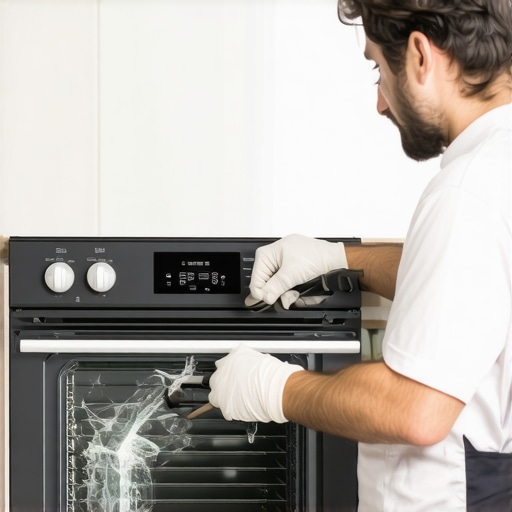
It happened on a quiet Sunday afternoon—my kid accidentally slammed the oven door, and suddenly, I was staring at shattered glass where a sturdy panel once was. My stomach sank. I knew the risks of DIY repairs, but I also hate waiting for service appointments that seem to drag on forever. That lightbulb moment made me realize: if I wanted to keep my kitchen safe and functioning, I’d have to tackle this replacement myself.
Why Replacing Oven Door Glass Is More Than Just A Visual Fix
Zipping open the oven door and seeing that cracked glass isn’t just about aesthetics. Cracked or broken glass can pose serious safety hazards—sharp edges, potential for further breaking, and even fire risks if debris falls into heating elements. Plus, a damaged door hampers energy efficiency and can lead to uneven cooking.
Now, I know what you’re thinking: “Is replacing oven door glass really worth the risk?” Many folks worry about causing more damage or mishandling such a fragile part. Trust me—I’ve made that mistake early on, thinking that I could just put tape over the cracks and keep baking. That was a rookie error. Improper handling can lead to shattered glass everywhere or worse, injury. According to appliance safety experts, “DIY repairs can be successful if proper precautions are taken, but are risky without proper knowledge and tools” (source: [National Safety Council](https://www.nsc.org)).
If you’ve ever faced a similar mishap and hesitated to DIY because of fear, you’re not alone. The good news is that, with careful steps and the right guidance, you can replace that broken oven door glass safely. Today, I’ll walk you through my experience and share tips to avoid common mistakes, so you don’t have to face the same stress I did.
Ready to restore your oven’s safety and appearance? Let’s get into the details.
Will Replacing Oven Glass Void Your Warranty?
One of the biggest fears I had early on was messing up and losing my warranty. I’ve learned that many manufacturers allow self-repair of replacement glass as long as the parts are genuine and you follow safety instructions. Check your oven’s manual or contact the manufacturer beforehand to confirm. Also, ensure you have the proper tools, like gloves, screwdrivers, and the replacement glass piece. If you’d like to explore more about maintenance and avoid costly repairs, consider reading about how to keep your appliances in top shape, such as [properly stacking your washer and dryer](https://discountappliancehub.com/the-proper-way-to-stack-your-washer-and-dryer) or cleaning your front-load washer gasket to prevent leaks.
Gather Your Tools and Replacement Glass
Start by collecting essential tools like safety gloves, a Phillips screwdriver, a flat-head screwdriver, and the replacement oven door glass, which you can order based on your oven’s model. I once rushed to the hardware store without gloves and ended up cutting my fingers on the fragile shattered glass; wearing gloves afterwards made a huge difference. Make sure the new glass matches your oven’s specifications to prevent fitment issues.
Power Off and Prepare the Work Area
Always unplug the oven or switch off the circuit breaker to prevent electric shock. Clear the surrounding area to avoid knocking over small parts or tools. I recommend using a well-lit workspace, as visibility is crucial when handling delicate parts, especially if the oven is built into cabinetry. Remember, safety first: no rushing through these initial steps.
Remove the Oven Door Carefully
Open the oven door to its full extent. Locate the hinges—these are typically secured with clips or screws. Gently lift or unscrew the hinges following your oven’s manual instructions. A useful analogy is imagine the door as a delicate machine part; just like removing a car battery carefully prevents damage, do the same here. If you’re unsure, consult the manufacturer’s guide to avoid misalignment or breaking the hinges.
Disassemble the Door for Glass Replacement
Lay the door flat on a protected surface, such as a towel-covered table, to prevent scratches. Remove the screws or clips securing the inner panel. Be cautious, as the glass is often held in place with adhesive or clips. During my first attempt, I mishandled the panel, causing the glass to fall. To prevent this, support the panel with one hand while unscrewing, and proceed slowly. Once open, carefully detach the cracked glass, wearing your gloves to shield from sharp edges.
Insert and Secure the New Glass
Align the new glass in the frame, ensuring it sits properly within the grooves or clips. Reattach the inner panel, pressing firmly but gently to avoid cracking the new glass. Tighten screws gradually to ensure even pressure. When I replaced my oven glass, I double-checked fitment before reassembling to prevent rattling or misalignment, which can lead to further damage over time.
Reattach the Door and Test
Reassemble the hinges carefully, making sure they lock into place securely. Open and close the door a few times to ensure smooth operation. Plug in the oven or switch on the circuit breaker. Test the oven’s function to confirm the door seals properly and that no cracks are visible. Proper reinstallation is critical; a misaligned door can cause leaks of heat or safety hazards.
Tips to Maintain Your Oven Post-Repair
Regularly clean the door seal, following tips from guides like this resource to prevent debris buildup. Check the hinge alignment periodically to avoid stress on the glass. Using protective gloves during cleaning and maintenance extends the lifespan of your replacement and ensures safety. Remember, taking your time with each step minimizes risks and leads to a successful repair.Many homeowners operate under misconceptions when it comes to appliance repair, installation, and warranties. A prevailing myth is that doing DIY repairs automatically voids the manufacturer’s warranty. In reality, most manufacturers allow for self-repair as long as genuine parts are used and proper procedures are followed, provided you check your manual or contact customer support beforehand. This misconception leads many to avoid cost-saving DIY fixes, missing out on convenient solutions.
Another widespread mistake is believing that same-day service is always the best or only option. While prompt service providers can be incredibly helpful, rushing into quick fixes without proper diagnostics might result in repeated issues or unnecessary expenses. For example, a quick response to a leaking refrigerator might overlook underlying problems, leading to more costly repairs down the line. It’s essential to balance fast service with thorough diagnosis.
A key nuance many overlook involves the complexities of warranties. Extended warranties often include fine print that exclude coverage for certain damages or neglect regular maintenance. For instance, neglecting to regularly clean your dishwasher’s filter or drain line can void parts of your coverage if a malfunction occurs due to buildup or neglect. Understanding what’s covered requires a careful review of the warranty terms rather than assuming comprehensive protection.
One particularly overlooked area is the importance of proper installation. Incorrect installation not only leads to appliance inefficiency but can also negate warranty claims—some manufacturers are strict about adherence to installation guidelines. For example, improperly leveled refrigerators can cause cooling issues, which may not be covered if found to be install-related. Always ensure installers follow recommended procedures or consult detailed guides.
Additionally, many assume all repair parts are created equal, but as experts warn, using non-genuine parts can compromise your warranty and appliance longevity. A study by the Consumer Reports suggests that appliances repaired with genuine parts have a significantly lower failure rate. When considering repairs, always verify part authenticity.
So, next time you’re tempted to skip a professional diagnosis or disregard warranty fine print, remember these hidden nuances. They could save you significant time and money in the long run. Have you ever fallen into this trap? Let me know in the comments.When it comes to keeping your appliances running smoothly over the years, investing in the right tools and adopting effective maintenance habits can make all the difference. Personally, I’ve found that using a high-quality digital multimeter, such as the Fluke 115, allows me to troubleshoot electrical components with precision, saving time and avoiding unnecessary replacements. Additionally, a laser thermometer helps me quickly identify overheating parts, which is crucial for appliances like ovens and refrigerators.
Beyond tools, developing a routine maintenance schedule tailored to each appliance extends their lifespan significantly. For example, regularly inspecting and cleaning your dishwasher’s filter and spray arms not only improves performance but also prevents costly repairs. I recommend following expert guidelines and checking out resources like this article for specific cleaning tips.
In terms of software, I rely on appliance diagnostic apps compatible with smart devices. They provide real-time insights into potential issues, enabling proactive repairs before breakdowns occur. As the trend heads toward smart home integration, staying updated on firmware updates and app compatibility becomes essential for optimal performance.
How do I maintain appliances over time?Regular maintenance involves more than just cleaning. It includes testing components with a multimeter to catch early signs of wear, checking seals and gaskets for leaks, and scheduling professional inspections periodically. For instance, maintaining your washer’s moisture sensor can significantly improve drying efficiency—see this guide for a detailed walkthrough. By combining proper tool use with scheduled checks, you can avoid unexpected failures and ensure your appliances operate at peak efficiency.
Looking ahead, I predict that more appliances will incorporate AI-driven diagnostics, providing homeowners with actionable insights via smartphone notifications. Staying ahead of these trends means equipping yourself with the latest tools and knowledge now—so don’t hesitate to try that laser thermometer on your fridge compressor today. Preventive care not only saves money but also gives peace of mind knowing your appliances are in top shape. 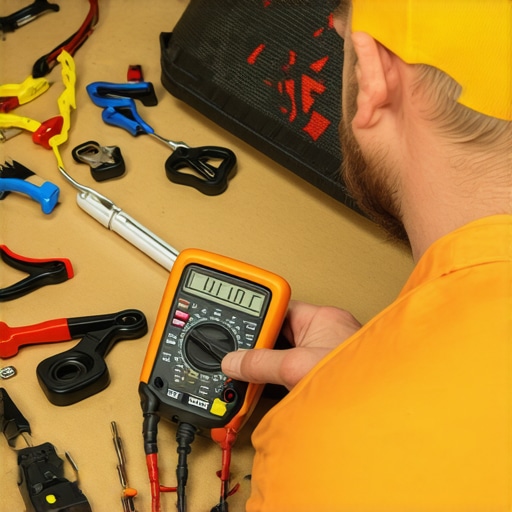
Reflecting on my journey through appliance repair, I realize that the biggest lesson wasn’t just about fixing broken glass but understanding the nuances that can make or break a DIY project. One eye-opening moment was discovering how even seemingly simple repairs demand knowledge of your specific model; what worked for one oven might damage another. Equipment matters—trustworthy tools and genuine parts aren’t just accessories but essentials that safeguard your repair success. I also learned that patience beats haste—rushing can turn a minor scratch into a shattered panel, adding stress and expense. Lastly, listening to expert advice, like from reputable sources such as this resource, guides you to avoid common pitfalls and develop confidence in your skills.