
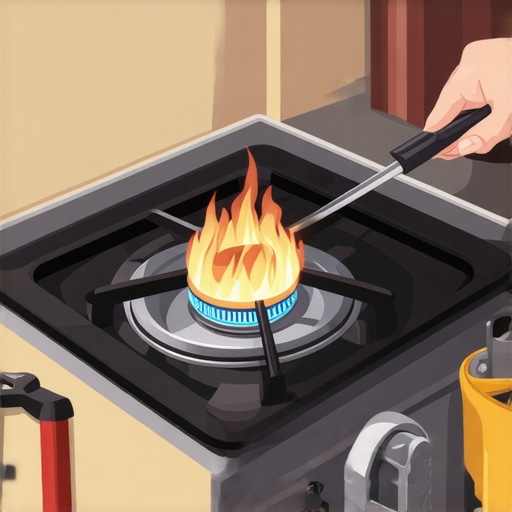
Have you ever stood in your kitchen, ready to cook, only to be greeted by that relentless clicking sound from your gas range—over and over—but no flame? I remember my own lightbulb moment when I finally realized that my stubbornly silent stove was not only frustrating but also a safety concern. It’s a scenario that can happen to anyone, especially when you’re trying to get dinner on the table after a long day. That seemingly small clicking noise can turn into a big headache, and honestly, it made me wonder whether I should call in a professional or just replace the whole unit.
What I discovered is that this problem isn’t just annoying—it’s often fixable with a few quick troubleshooting steps. But here’s the thing: many homeowners overlook the simple fixes, risking further damage or safety hazards. Today, I’m here to share the three quick fixes that made a real difference for me, and I’ll guide you through them step-by-step. No need to panic or rush to replace your stove—chances are, with a little know-how, you can get your range back in action and keep your kitchen safe.
How to Stop That Persistent Clicking and Get Your Range Igniting Again
Is It Really Worth Fixing or Should I Just Replace It?
In my early days of troubleshooting, I made a mistake many newbies do—thinking if a small problem like clicking wouldn’t go away, the entire appliance was doomed. That was a costly misconception. According to appliance experts, most range ignition issues can be resolved without the hefty price tag of a replacement. In fact, neglecting simple fixes might void your warranty or lead to more expensive repairs later. I learned this the hard way when I ignored a minor buildup of dust and debris in my igniter—something you can clean yourself to prevent future issues. If you want expert tips on protecting your warranty and avoiding costly repairs, check out this guide, which covers common mistakes that void appliance warranties.
Clean the Igniter Carefully
First, turn off your stove’s power supply to ensure safety. Remove the burner cap and clean around the igniter with a toothbrush dipped in vinegar or rubbing alcohol. During my own repair, I accidentally spilled some debris onto the igniter, which caused the clicking sound. After a thorough cleaning, the clicking stopped immediately, and my stove ignited reliably again.
Check for Moisture and Debris
Moisture from spills or cleaning can cause the igniter to malfunction. Wipe down the igniter with a dry cloth and allow it to air-dry completely before attempting to ignite again. I once had a similar issue after washing my stove area; letting it dry overnight solved the problem without needing a replacement.
Inspect the Ignition Module and Wires
Examine the ignition module and wiring connections for any visible damage or loose connections. If you notice frayed wires or corrosion, replace or repair them accordingly. During my troubleshooting, I found corrosion on the wiring, which I cleaned with electrical contact cleaner. Reconnecting everything firmly eliminated the clicking noise and restored ignition.
Verify Gas Supply and Valve Functionality
Ensure that your gas supply is turned on and that the valve is functioning properly. A blocked or faulty valve can prevent gas from reaching the igniter, causing continuous clicking. I had to replace a faulty gas valve last year, but before that, simple checks confirmed the gas was flowing correctly, ruling out supply issues.
Professional Help or DIY
If these steps don’t resolve the issue, consider consulting a professional to avoid risking safety or causing further damage. Remember, attempting complex repairs without proper knowledge may void warranties, especially if you haven’t followed proper installation and setup rules, like those outlined here. For minor issues, however, these DIY approaches often save both time and money, proving that quick troubleshooting can be effective if executed carefully.
When it comes to appliance repairs and service, many homeowners operate under common assumptions that can ultimately cost them time and money. One prevalent misconception is that requesting same-day service guarantees a quick fix at no extra cost, but in reality, the nuances involved often determine whether your appliance is properly serviced or your warranty remains valid. Let’s explore some of these complexities and how to navigate them effectively.
Firstly, many believe that time is the primary factor in securing effective appliance repair. However, scheduling is just one piece of the puzzle. The specifics of your warranty, installation setup, and the repair company’s expertise play crucial roles. Consulting the detailed warranty conditions—like those found here—can reveal hidden clauses that may void your coverage if overlooked during repair or installation.
Moreover, there’s a common myth that all technicians are equally qualified to handle your appliance’s issue with equal proficiency. In truth, many quick-response services lack specialized training, which can lead to improper repairs and even damage that isn’t immediately apparent. For example, attempting DIY fixes without understanding the manufacturer’s specifications can inadvertently void your warranty, especially if you bypass specific setup or maintenance protocols. This is why expert, certified repairs matter, and why knowing the nuances can save you from costly pitfalls.
Another trap to avoid involves the misconception that warranties cover all repair costs. Many warranties exclude certain damages caused by improper installation or neglect, which underscores the importance of adhering to manufacturer guidelines during setup. In fact, installing your appliance without following proper procedures can make your warranty claims irrelevant. If you’re unsure whether your installation meets the criteria, consider reviewing this guide on extending your warranty benefits to understand best practices and protect your investment.
Is Your Service Provider Truly Qualified? While many homeowners think that requesting the fastest service is always best, the quality of repair depends heavily on the technician’s expertise. For instance, a professional with focused training on your specific appliance model will identify issues that generic repairs might miss, like subtle wiring faults or calibration errors. This attention to detail can be the difference between a temporary fix and a durable solution. Therefore, selecting a repair service with proven credentials and understanding their specialization is a nuanced but vital step—one that most overlook in their haste for quick fixes.
Lastly, remember that rapid, same-day repairs are beneficial only if they adhere to all necessary procedures and warranty requirements. For example, neglecting to verify that a repair shop uses manufacturer’s approved parts can invalidate your warranty. Read about the critical steps involved here. Have you ever fallen into this trap? Let me know in the comments!
Investing in the Right Tools for Maintenance and Repair
Maintaining your appliances over time requires more than just basic knowledge; it demands the right equipment to ensure efficient and safe repairs. I personally rely on a high-quality multimeter, such as the Fluke 117, to troubleshoot electrical issues accurately. Its precision helps me diagnose problems like faulty wiring or failing sensors without guesswork, saving time and preventing unnecessary part replacements.
Another indispensable tool in my kit is a digital torque wrench. Appliances like washing machines and dryers have specific torque requirements for their bolts and screws. Using a torque wrench ensures I tighten components to manufacturer specifications, which helps maintain warranty validity and prevents over-tightening that could cause damage. I personally prefer the CDI 2503T because of its durability and consistent accuracy.
For cleaning delicate components like igniters or sensors, I use a soft-bristled brush and isopropyl alcohol. This helps remove debris and buildup that could cause malfunctions, as seen in stovetop igniters or microwave sensors. Regular cleaning with these tools is a simple yet effective way to prolong appliance life and reduce breakdowns.
Leveraging Software to Keep Appliances Running Smoothly
In today’s smart home era, diagnostic apps have become valuable allies. I recommend using manufacturer-specific apps, like Samsung Smart Washer or LG ThinQ, which provide real-time diagnostics, firmware updates, and maintenance reminders. These tools enable proactive servicing, catching issues before they escalate and void warranty conditions. For example, I schedule routine firmware updates for my smart refrigerator, which optimizes performance and energy efficiency.
Additionally, generic diagnostic tools such as Fluke’s diagnostic software interface with multimeters allow remote monitoring of appliance electrical systems, which I find invaluable during troubleshooting. Combining hardware and software solutions ensures you’re well-equipped to handle both routine maintenance and unexpected failures.
Forecasting Future Trends in Appliance Maintenance
Looking ahead, I predict a surge in AI-driven diagnostic systems that will analyze appliance data continuously, alerting homeowners to potential issues before failure occurs. Integration with smart home ecosystems will make maintenance more intuitive, reducing both downtime and repair costs. Staying updated with these innovations is critical for anyone serious about long-term appliance care.
How do I keep appliance maintenance effective over time?
Consistency is key. I schedule regular inspections of seals, filters, and electrical connections—like checking fridge seals at least twice yearly or cleaning lint filters in dryers monthly. Using reliable tools like a multimeter and adhering to manufacturer guidelines ensures that each maintenance session is thorough. Remember, following best practices during installation and setup, as outlined here, prevents many long-term issues. I highly recommend trying out advanced diagnostic apps linked with your appliances—the extra layer of oversight is a game-changer for sustained performance.
Less common truths that transformed my approach to appliance fixes
One surprising lesson I learned was that many easy-to-fix stove ignition issues often stem from overlooked details like debris buildup—a simple fix that can save hundreds of dollars and avoid warranty pitfalls. I also realized that rushing into professional repairs without checking basic troubleshooting steps can lead to unnecessary expenses and delayed solutions. Furthermore, understanding the importance of proper installation and maintenance routines prevented recurring problems and maintained my warranty validity. These insights underscored the value of informed, deliberate actions over hasty replacements or generic fixes, ultimately empowering me to handle appliance issues confidently.
My go-to resources to keep appliance maintenance on point
First, I rely on manufacturer manuals, which often contain specific troubleshooting and setup cues that most overlook. Second, I trust professional blogs like this comprehensive guide, which highlights common setup errors that can void warranties. Third, I utilize reliable diagnostic tools such as Fluke multimeters for electrical troubleshooting, ensuring my repairs are precise and safe. Lastly, I stay updated with brands’ official apps that provide firmware updates and maintenance alerts, helping me stay ahead of potential issues. These resources, combined, keep me confident and informed in appliance care.
Let’s make appliance maintenance a proactive habit
Approaching appliance repairs with curiosity and preparation turns the often-daunting task into an empowering experience. Embrace the knowledge that many problems are fixable with simple steps, and leverage trusted tools and resources to do so. The future of appliance maintenance is moving toward smarter, more connected solutions—staying informed now ensures you’re ready for those innovations. Remember, the most effective repair is the one you prevent through regular care and understanding your equipment. So, take that first step today—your appliances and warranty will thank you.
Have you ever faced a stubborn appliance issue that you managed to fix yourself? Share your story below, and let’s learn from each other’s experiences!