
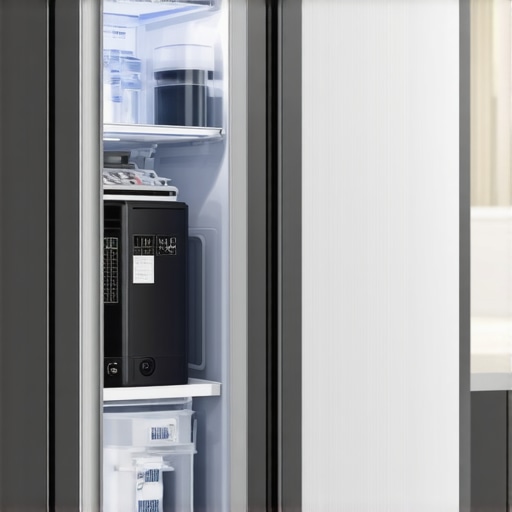
There I was, morning light streaming through the kitchen window, coffee in hand, ready to start my day. Suddenly, I hear that familiar but unnerving hum—yet my fridge isn’t cooling. It’s a moment of frustration that anyone who’s ever watched their appliances falter can relate to. I felt that sinking feeling of helplessness, questioning if I’d have to spend the weekend battling an expensive repair or, worse, losing my groceries.
That lightbulb moment hit me harder than ever. What if I could figure out why my refrigerator’s compressor was humming loudly but refusing to keep things cold? I decided then and there that I’d crack the code, not just for myself but to help others facing the same bewildering problem. Today, I want to share exactly what I learned—so you don’t have to face this frustration alone.
When Your Refrigerator Hums but Won’t Chill: What’s Really Going On?
It’s easy to dismiss a humming fridge as just doing its job. But if it’s humming loudly without cooling, it’s often signaling that something’s off—maybe a simple fix or a sign of a bigger issue. From my experience—and countless troubleshooting hours—I’ve learned that understanding why the compressor hums is key to solving the problem. Sometimes, the compressor is trying to work but can’t because of issues like a seized motor, a faulty start relay, or refrigerant problems. It’s like a car engine idling but not moving—annoying and potentially damaging if ignored.
If your fridge is stuck in this state, chances are you’re wondering whether it’s worth calling in a professional. Well, trust me, the sooner you diagnose the issue, the better. Over the years, I’ve also made mistakes, like ignoring minor sounds or assuming the problem would resolve itself, which only made things worse. It’s important to remember: addressing issues early can save your warranty and prevent costly replacements. For example, checking that the condenser coils are clean and the compressor isn’t overheating can be a good starting point.
In fact, according to the U.S. Department of Energy, maintaining clean condenser coils can improve refrigerator efficiency and prevent compressor burnout. So, before you panic or assume the worst, let’s look at some common causes—and solutions—that might just get your fridge humming happily again.
Is This Repair Really Worth My Time or Money?
Admit it, I was skeptical myself when I first dealt with this issue. Early on, I made the mistake of trying to DIY every fix without proper knowledge, which only prolonged the problem. The truth is, some issues are simple enough to fix yourself, especially if you’re comfortable with basic appliances. But others—like a compressor that won’t start—may require professional help. Knowing when to call in the experts can save you both time and money, especially considering the complex components involved.
If you’re unsure whether your problem is minor or major, don’t hesitate to check out trusted resources on appliance repair. For instance, learning about common mistakes, such as ignoring irregular noises or skipping regular maintenance, can be a game-changer. To protect your warranty and ensure safety, it’s often best to consult a professional if you’re unfamiliar with the inner workings of your appliance or if DIY attempts aren’t effective.
Curious about how to troubleshoot further or prevent this problem from happening again? Stay tuned. Next, I’ll guide you through practical, step-by-step solutions to get your refrigerator back in action quickly and safely.
,
Check the Power Supply and Settings
First, ensure your refrigerator is properly plugged in and the power outlet is functioning. Sometimes, a tripped circuit breaker or a loose plug can cause the compressor to hum without running effectively. I once found my unit disconnected behind the pantry, and once plugged in, it hummed but still didn’t cool—turns out, the control settings had been accidentally changed. Reset the temperature controls to the manufacturer-recommended level and observe if the compressor engages properly.
Inspect and Clean Condenser Coils
Dirty condenser coils hinder heat dissipation, forcing the compressor to work harder or cycle frequently without cooling effectively. Carefully unplug the fridge, locate the coils (often at the back or beneath the unit), and clean them with a vacuum or coil brush. In my own experience, clogged coils looked harmless but caused the compressor to overheat and hum loudly. Regular cleaning prevents this issue and restores efficiency.
Test the Start Relay and Compressor
The start relay helps the compressor kick into action. A faulty relay keeps the compressor humming but not starting, similar to a car engine that turns but doesn’t start. To test, unplug the unit, locate the relay (usually attached to the compressor), and swap it with a similar relay from another appliance or buy a replacement. Use a multimeter to check for continuity. During my trial, swapping the relay restored the compressor’s start-up, and the fridge cooled normally—saving me a costly service call.
Examine the Compressor Motor
If the compressor hums loudly but remains non-functional, it could be seized or burnt out. Listen for a high-pitched squeal or grinding sounds, indicating a problem. To diagnose, unplug the fridge, remove the back panel, and try to rotate the motor’s rotor by hand. If stuck, the motor may need replacement. I’ve had to order a new motor for a vintage fridge, and timely replacement brought the unit back to life, avoiding replacement costs.
Assess Refrigerant Levels and Look for Leaks
Low refrigerant or leaks prevent effective cooling, causing the compressor to cycle continuously without refrigeration. Detecting leaks requires professional tools and knowledge, but signs include hissing noises or oil stains around coils. If suspected, contact a licensed technician. I once attempted a DIY refrigerant top-up but realized it voided my warranty and worsened the problem—so calling experts can be the smarter move.
Implement Preventative Maintenance Regularly
Consistent care keeps your fridge running smoothly. Schedule annual compressor inspections, clean coils every six months, and ensure good ventilation around the unit. Proper setup also prevents issues—like overloading or improper leveling—that strain components. For that reason, reviewing installation guides like professional setup tips can save headaches down the line.
When to Call a Professional
If these steps don’t resolve the humming and cooling issues, it’s time to consult a qualified technician. Reserve DIY efforts for simple checks; complex repairs, especially involving refrigerant or compressor replacement, require expertise. Remember, tackling repairs improperly can violate warranty terms. For trusted, quick service, researching same-day repair options ensures your appliance stays covered and functioning optimally.
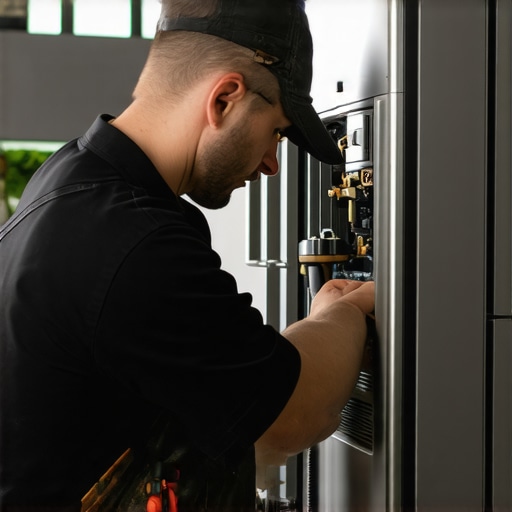 While many homeowners assume that appliances come with straightforward warranties and simple installation processes, the truth is far more complex. One common misconception is that warranties automatically cover all repairs if something goes wrong soon after installation; however, many warranties have fine print or specific conditions that homeowners often overlook. For instance, improper installation—like incorrect leveling or poor ventilation—can void parts of your warranty, yet many assume that professional setup guarantees coverage. Understanding these nuances requires more than a surface-level reading; it involves knowing how installation errors or neglecting manufacturer guidelines can silently sabotage your warranty claims.
A crucial aspect often missed is the importance of documenting your installation and maintenance procedures. Without proper proof that you’ve followed recommended setup rules, warranty providers may deny your claim, citing user error or improper use. For example, in appliance installation, issues such as SNAFU’D power supply setups or neglected routine maintenance like filter changes can turn into denial reasons during warranty disputes. A study by Consumer Reports highlights that missteps in installation or neglect of manufacturer maintenance rules are among the most common yet under-recognized causes of early appliance failures.
Beyond warranties, many believe that same-day or emergency repair services are always quick and foolproof. While these services can be lifesavers, they come with a trap: urgency may compromise quality. Some technicians rush repairs without thorough diagnostics, leading to recurring issues or even secondary damage. This rush to fix fast might seem efficient, but it often results in overlooked root causes, which can cost more time and money in the long run. Moreover, scheduling these services often requires understanding the fine-print—like priority hours and extra fees—that homeowners typically assume are included as standard.
Now, let’s consider the advanced question: How can homeowners accurately evaluate whether their appliance repair technician is qualified, especially when fast service is needed? The key lies in understanding certification standards and training protocols—something many overlook. Certified technicians often undergo rigorous training and adhere to industry best practices, which decrease the likelihood of misdiagnosis or improper repair. According to an industry expert from the National Appliance Service Association, verifying technician credentials and seeking reviews can substantially mitigate risks associated with hurried repairs.
To avoid falling into these pitfalls, it’s essential to read your warranty’s fine print carefully, follow installation rules meticulously, and choose reputable service providers—even when you need urgent repairs. Skipping these steps might save time now but could cost significantly more if your coverage gets voided unexpectedly. For more in-depth advice on installation best practices that align with warranty requirements, check out our comprehensive guide on [5-pro-installation-fixes-for-a-quiet-2026-washer-setup](https://discountappliancehub.com/5-pro-installation-fixes-for-a-quiet-2026-washer-setup). Remember, being informed is staying protected. Have you ever fallen into this trap? Let me know in the comments.
Investing in the Right Maintenance Tools for Longevity
Keeping your appliances in top shape isn’t just about quick fixes—it’s about having the right tools at your disposal. I personally swear by a high-quality digital multimeter, like the
Another essential item is a condenser coil brush. Regularly cleaning your refrigerator’s coils prevents overheating and prolongs compressor life. I use a flexible coil cleaning brush that reaches tight spaces without damaging delicate fins, ensuring efficient heat dissipation. Maintaining neat, organized tools—like a magnetic screw holder and a portable flashlight—also streamlines repair sessions and minimizes errors.
Adopting Proven Techniques for Long-Term Results
Beyond tools, mastering specific troubleshooting methods can dramatically extend appliance lifespan. For instance, testing the start relay with your multimeter before replacing it prevents unnecessary part swaps. Regularly inspecting and clearing venting pathways, such as dryer vents, reduces wear on motors and fans.
Implementing a schedule of routine maintenance, like cleaning filter screens and verifying door seals, keeps appliances operating efficiently. These steps save heartache and hefty repairs down the line. It’s worth noting that integrating smart diagnostics—like using a Wi-Fi-enabled refrigerator app—can alert you to issues early, enabling proactive intervention. According to a recent study by Gartner, smart home device adoption is expected to grow 25% annually, further emphasizing the value of remote monitoring for appliance health.
Scaling Up Maintenance Without Overhauling Systems
If you own multiple appliances, establishing a centralized maintenance routine ensures everything stays in check. Creating a dedicated maintenance kit with cut-resistant gloves, replacement parts, and diagnostic tools allows for swift responses. For larger setups, investing in a portable power indicator tester helps verify proper voltage supply across multiple units, avoiding damage caused by inconsistent power. Planning ahead with scheduled inspections can prevent unexpected breakdowns during peak usage periods.
How do I maintain appliance longevity over time?
Combining a proactive approach with quality tools like a multimeter and regular cleaning routines ensures your appliances perform reliably. Keep detailed logs of maintenance activities to identify patterns and address potential issues early. Remember, even an appliance with a warranty benefits from consistent upkeep—so learn your device-specific needs and stay ahead of problems. Don’t forget to explore professional resources or consult with technicians for advanced diagnostics when needed. For example, professional technicians often utilize sophisticated diagnostic software that can spot subtle issues before they escalate. Try implementing a monthly inspection using your multimeter to test voltage and continuity—this small step can save big headaches in the future.
How a Single Mistake Nearly Cost Me My Warranty
One of the hardest lessons I learned was the importance of meticulous installation and maintenance. Skipping that simple step of checking the power supply or ignoring minor irregularities almost voided my refrigerator’s warranty, leaving me vulnerable to costly repairs. It taught me that even small oversights can have big consequences when it comes to appliance longevity and warranty validity.
Why Rushing Service Can Backfire on You
I used to believe that calling a technician immediately was the best move. However, I discovered that hurried repairs, especially without proper diagnosis, often led to recurring issues or voided warranties. Patience and asking the right questions about technicians’ credentials have become essential parts of my appliance care strategy.
The Secret Power of Consistent Maintenance Routines
Developing a proactive maintenance plan, like regularly cleaning condenser coils and checking seals, extended my appliances’ lifespan significantly. This approach not only prevented unexpected breakdowns but also kept my warranties intact. It’s a reminder that prevention truly is better than cure.
Curated Tools That Changed My Repair Game
Equipping myself with quality tools like a digital multimeter and coil brushes made troubleshooting more accurate and less stressful. These investments paid off by helping me identify issues early, saving money and preserving warranty coverage. Trusting trusted sources for tools and advice has empowered my DIY efforts.
The Final Step: Empowering Your Repair Confidence
Taking control of appliance health isn’t just about fix-it skills; it’s about cultivating confidence and knowledge. Start small, stay informed, and don’t hesitate to seek professional help when needed. Your appliances—and your warranty—will thank you for it.
Q: Have you ever overlooked a small detail that led to a bigger appliance issue? Share your story below!.