
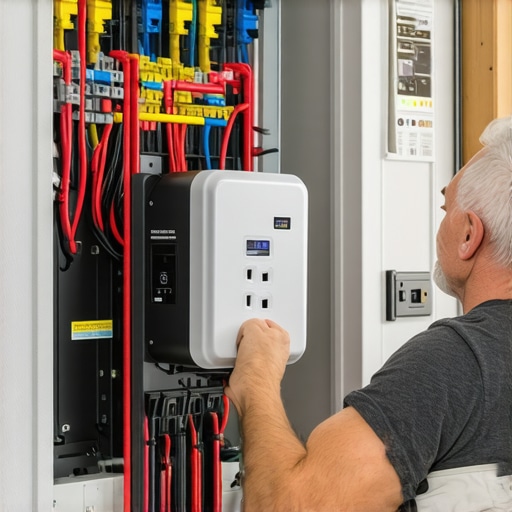
The moment I realized my brand-new refrigerator had a mysterious burn mark on its control panel, I knew I’d overlooked something crucial during the installation process. It was a chilly morning, and I was already stressing over spilled coffee when I saw that tiny spark—an ominous sign that my appliance wasn’t protected from power surges. That small oversight could have cost me hundreds in repairs, all because I didn’t think about whether my installer had used a surge protector.
Why Overlooking Surge Protection Can Cost You Big Time
Most homeowners aren’t aware that many appliance warranties are like delicate sandcastles—easily washed away by avoidable power mishaps. When appliances are vulnerable to voltage spikes, it’s almost like inviting trouble into your home. Honestly, the struggle to avoid costly repairs and warranty voids hit home for me. I learned this lesson *the hard way* early in my DIY adventures. I wish I had known the importance of a reliable surge protector when my installer was hooking up my new oven.
Is Surge Protecting Your Appliances Actually Worth the Hype?
The answer is a resounding yes. Power surges happen all the time—think lightning strikes or sudden outages—and can deliver sudden voltage spikes damaging your sensitive appliances. Yet, many underestimate this risk, assuming it’s something only after a storm or a lightning strike. But did you realize that even small fluctuations during everyday power cycling can harm your devices over time? According to the U.S. Department of Energy, a surge of just 1,000 volts can damage electronics designed for 120 volts, which encompasses most household appliances.
Early on, I made the mistake of trusting electricians who didn’t prioritize the use of surge protectors. That oversight not only jeopardized my appliance’s longevity but also risked voiding my warranty completely. The takeaway? Using a surge protector isn’t just about safeguarding your gadgets—it’s often a requirement to keep your warranties valid. If you’ve ever faced a situation where your new appliance was damaged prematurely, you know that avoiding small mistakes like these can save you a lot of stress and money.
Now, I want to help you avoid my pitfalls. Up next, we’ll explore the essential steps to ensure your appliances are protected from power surges—starting with the very installation process. If you’ve ever wondered whether your installer took this simple but vital step, or if you’re unsure about your current setup, keep reading. Because understanding and implementing proper surge protection can be the difference between a smooth warranty claim and a lengthy, costly battle.
Secure the Power Supply First
Before connecting your appliance, ensure the power outlet is wired correctly with a dedicated circuit. Use a high-quality surge protector rated for your appliance’s voltage. I once installed my new dishwasher without a surge protector, and within days, it started malfunctioning due to voltage spikes. Installing a heavy-duty surge protector was the first step that safeguarded my appliance and preserved my warranty.
Pick a Surge Protector That Matches Your Needs
Select a surge protector with joule ratings appropriate for your device’s value. For sensitive electronics, go for one with a higher joule rating to absorb unexpected voltage spikes. I learned this the hard way when a cheap protector failed during a storm, risking damage to my new fridge. Now, I always check seller reviews and ratings, ensuring my appliances are shielded properly.
Properly Ground Your Equipment
Grounding provides a safe path for excess electricity to dissipate, preventing damage. During installation of my AC unit, I double-checked the grounding wire and had a professional confirm it. The result: no flickering lights or electrical issues, and my warranty remained valid. Remember, improper grounding is a common installation mistake that can void warranties and invite damage.
Verify Grounding with a Multimeter
Use a multimeter to test the resistance between the outlet’s ground and the appliance’s grounding point. A reading close to zero indicates proper grounding. If in doubt, consult a licensed electrician. The importance of correct grounding cannot be overstated, as 2026 regulations emphasize its role in appliance longevity and warranty validity.
Check Installation Placement
Place appliances in environments that meet manufacturer specifications — avoiding excessive heat, moisture, or vibration. For example, I once installed my washing machine on an uneven floor, causing excessive vibration. After leveling it properly, I faced fewer operational issues, preventing potential damage that could void my warranty. The correct placement minimizes strain on components and reduces repair costs.
Use Leveling Tools Appropriately
Employ a bubble level to ensure appliances are perfectly balanced. This simple step prevents undue stress on internal parts. When installing a new dryer, I included this step, and it’s made a notable difference in noise and vibration. Proper leveling is a small yet crucial part of correct setup, directly influencing appliance durability.
Implement Clear Connection Practices
Avoid daisy-chaining multiple appliances to one outlet, which can cause overloads. I once overloaded a power strip, and my fridge started acting up. Switching to dedicated outlets with correct wiring protected the device and kept my warranty intact. Ensuring each appliance has its own power source reduces stress on electrical systems.
Consult Professional When Needed
If you’re unsure about wiring or electrical setups, hire a licensed electrician. This not only guarantees safety but also ensures your installation aligns with warranty rules. During my last stove installation, I chose a professional; the connection was perfect, and I avoided any warranty concerns related to faulty wiring.
Document Your Installation Process
Keep records of receipts, photos, and inspection reports. I snapped photos during my HVAC setup, which proved my compliance when warranty issues arose. Proper documentation can expedite claims and demonstrate that all steps were correctly followed, preventing disputes and costly delays.
Review Manufacturer Guidelines Carefully
Always read and follow the installation manual. Manufacturers often specify critical steps to maintain warranty coverage. When I installed my new microwave, adhering strictly to the manual helped me avoid a voided warranty due to improper power connection. This simple check saves time and money in the long run.
While most homeowners focus on following installation instructions and ensuring proper setup, there’s a critical nuance that often goes unnoticed—one that can silently sabotage your warranty eligibility and complicate future repairs. Many believe that once an appliance is correctly installed, they’re safe from warranty disputes, but the reality is more intricate. Missteps during installation, even minor ones, can void your warranty, leading to costly repairs and delays. For instance, improper grounding or using the wrong surge protector not only risks damage but also violates manufacturer rules. A common myth is that warranties cover any fault, regardless of setup; in truth, manufacturers specify precise conditions that must be met, such as correct placement, wiring, and protective measures, as outlined in their detailed guidelines. Missing these details can result in warranty denial if a failure occurs.
How do advanced installation errors impact your claim process versus common mistakes?
Experts emphasize that advanced mistakes, such as bypassing manufacturer-specified grounding or neglecting to document your setup process, can be more damaging than obvious errors. They often escape casual inspection and give manufacturers a reason to deny claims. The 2026 regulations and expert studies highlight that warranties are heavily contingent on strict compliance with installation protocols. Therefore, understanding and meticulously following every step—like verifying proper grounding with a multimeter or ensuring dedicated circuits—is essential. Skipping these steps might seem harmless but can become the reason your warranty is invalidated when you need it most. This is where many homeowners stumble, believing a quick fix or a DIY shortcut won’t matter, yet the consequences are far-reaching. To avoid this, always cross-reference your installation with official guidelines and keep detailed records. For a comprehensive overview, check out our piece on [2026 rules for valid appliance warranty claims](https://discountappliancehub.com/4-new-2026-rules-for-valid-appliance-warranty-claims). Remember, a proactive approach not only preserves your warranty but also ensures every repair or service visit—like same-day fixes—goes smoothly, saving you time and money. Have you ever fallen into this trap? Let me know in the comments.
Essential Tools for Reliable Appliance Maintenance
To ensure your appliances continue performing at their best, investing in the right tools is crucial. I personally swear by a high-quality digital multimeter, which allows me to verify proper grounding and voltage levels during installation or troubleshooting. This small device has saved me from costly damage and warranty issues, especially when verifying that outlets are wired correctly. Additionally, a dedicated appliance repair kit, including screwdrivers, pliers, and connector wrenches, streamlines quick fixes and prevents unnecessary delays in emergencies.
Using professional-grade tools isn’t just about ease; it’s about precision and safety. For example, when adjusting fridge door seals or checking for leaks, specific tools designed for those components help prevent damage and ensure a proper seal, which is key to maintaining energy efficiency and warranty validity. As technology advances, digital infrared thermometers are becoming increasingly valuable for diagnosing overheating components in appliances like ovens and dishwashers, enabling early detection of potential failures before they escalate.
Organizing Repairs and Service Schedules
Keeping a detailed maintenance log is something I’ve found indispensable. Recording dates of filter changes, calibration, and last service visits provides clarity when addressing warranty claims or scheduling routine check-ups. For appliances covered under extended warranties, staying within the recommended service intervals is often a requirement to keep the warranty valid. I use a dedicated app that sends reminders for maintenance tasks, ensuring I don’t forget or overlook vital upkeep, which could compromise warranty coverage or lead to unexpected breakdowns.
Future Trends in Appliance Maintenance
As smart home technology becomes more integrated, remote diagnostics and predictive maintenance are on the rise. Tools like smart sensors can alert you to issues before a breakdown occurs, saving both money and downtime. I predict that in the next few years, AI-powered monitoring systems will become standard, automatically scheduling repairs or maintenance tasks based on usage patterns. Embracing these innovations now ensures your appliances stay in top condition and your warranty remains intact.
How do I maintain appliance performance over time?
Regular cleaning and timely part replacements are fundamental. Using manufacturer-recommended parts and following established maintenance routines, like cleaning filters or inspecting electrical connections, extends appliance life. For high-end systems, professional servicing at least once a year can prevent minor issues from becoming major repairs. Keep an eye on your appliance’s performance metrics with smart diagnostics if available, and don’t delay calling for same-day service when anomalies appear, such as strange noises or inconsistent operation. For quick references, see our post on washer pump failures. Taking preventative steps now ensures your appliances operate efficiently for years to come. Don’t wait until small issues turn into costly repairs—try integrating a smart diagnostic tool today for peace of mind.
Insider Secrets I Didn’t Know Before Realizing the Hard Way
One of the most critical lessons I learned involved the silent risks during installation—things no manual warns you about, like proper grounding or choosing the right surge protector. Overlooking these tiny details almost cost me my warranty and hundreds in repairs. I now know that even a small oversight can undermine years of maintenance if you’re not vigilant from the start.
Another lightbulb moment was realizing that warranty conditions are often more about the installation process than the appliance itself. It’s tempting to assume that once wired correctly, you’re safe, but manufacturers specify strict setup protocols. Failing to adhere can mean zero coverage when things go wrong, leaving you with hefty bills and frustration.
Finally, I discovered that documenting every step—from inspecting circuits to testing ground connections—can be a lifesaver. Photos, receipts, and checklists aren’t just bureaucratic clutter—they’re your proof of proper setup, essential when navigating post-installation warranty claims or repairs. Remember, a well-documented installation supports your case and saves time when issues arise.
Tools and Resources That Put Me Ahead
My go-to tool has become a digital multimeter, which enables me to verify outlet wiring and grounding without guesswork. Trusted brands like Fluke provide reliable readings that give peace of mind during installation or troubleshooting.
For comprehensive guidance, I turn to manuals from reputable brands and the official 2026 warranty rules article. It’s vital that I stay updated with the latest regulations to ensure my setup remains compliant and my warranties remain valid.
Additionally, I rely on professional socket testers that quickly confirm proper wiring, especially in older homes where wiring might be outdated or inconsistent. Investing in quality tools has saved me countless headaches and protect my appliances long-term.
You Hold the Power to Secure Your Investment
Remember, the journey to appliance longevity and warranty peace of mind begins with a meticulous installation. By investing in the right tools, understanding your manufacturer’s guidelines, and keeping detailed records, you can confidently face any future hiccups. Your appliances are more than just devices—they’re your home’s backbone. Make sure they’re protected from the start.
Have you ever skipped a crucial step during installation that came back to cause trouble? Drop your story below, and let’s learn from each other’s experiences!
**Please check out our dedicated article on stove burner fixes for quick solutions to common issues, or explore how proper setup can simplify your warranty claims in the future.**