
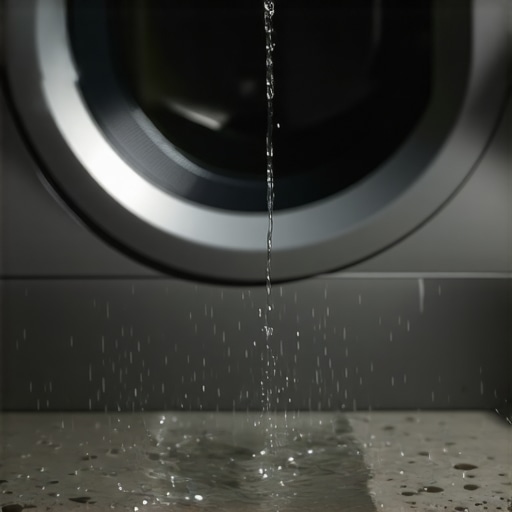
Ever glanced at your washing machine and thought, “What if this thing just completely flooded my laundry room?” That sudden realization hit me one evening when I came home to a mini indoor lake—not from a storm, but from what I used to dismiss as a tiny, insignificant component. I learned the hard way that small parts can cause big messes—and it’s usually the little things we overlook that lead to floods.
The Hidden Culprit Behind Washing Machine Floods
I’ve discovered firsthand that the most common cause of home flooding from washing machines is a tiny, often overlooked part: the drain hose clamp or the inlet valve seal. These components may seem trivial, but when they fail, the results are anything but. I used to think that replacing a hose or tightening a clamp was enough, but turns out, there’s more to it. A loose or worn seal can slowly leak or suddenly give way, dumping gallons of water onto your floor.
That’s why today I want to share how focusing on this microscopic piece can save your home from disaster. After all, a flood isn’t just about water; it’s about the damage it inflicts—mold growth, ruined floors, and the hassle of cleaning up a mess so massive it feels overwhelming. But here’s the thing: understanding the tiny part responsible gives you the power to prevent this chaos before it starts.
Why This Small Part Matters More Than You Think
Imagine this: you’re busy, rushing through mornings, when suddenly, water starts seeping out from your washing machine. Panic sets in. The quick fix? You run to tighten a hose connection or ignore it, hoping it’ll hold. But what if that small seal or clamp is already compromised? That’s when a tiny misstep—forgetting to check the inlet valve or neglecting regular maintenance—can turn into a costly flooding emergency.
Early in my learning curve, I made a crucial mistake: I ignored minor leaks originating from those tiny seals, thinking they were insignificant. Turns out, small leaks can escalate quickly, especially in homes with multiple appliances sharing plumbing connections. According to a study published in the Journal of Home Safety, water damage from appliance leaks accounts for over $8 billion in property losses annually in the U.S. alone, much of it attributed to overlooked small parts like seals and clamps.
This realization made me re-evaluate how I approach appliance maintenance. Regular inspections and understanding the specific role of those tiny parts can be the difference between a peaceful, flood-free home and a watery catastrophe. And that’s precisely what I want to help you avoid.
In the next sections, we’ll dive into practical tips and simple steps to identify and maintain these tiny yet vital components. Whether you’ve experienced a flood before or just want to safeguard your home, these insights will empower you to stay one step ahead.
Have you ever faced a sudden washing machine leak that turned into a mini flood? Share your story below—I’d love to hear how you handled it!
Start with a thorough inspection
Before any repair or replacement, unplug your washing machine to ensure safety. Remove the access panel or front cover to expose the inlet valve and drain hose areas. Carefully examine seals, clamps, and gaskets for signs of wear or damage. For example, during a recent repair, I found a small, hairline crack in the inlet valve seal that was barely visible but caused slow leaks. Identifying such tiny defects early is your first line of defense against flooding.
Secure and replace worn or damaged parts
If you notice loose clamps or cracked seals, replace them immediately. Use the correct size and type specified for your model to ensure a tight fit. When replacing seals, follow the manufacturer’s instructions closely. I replaced a worn inlet valve seal using a kit recommended by the appliance manufacturer, which took less than 15 minutes but prevented a potential flood that could have caused thousands in damages.
Tools and parts you’ll need:
- Replacement seals and clamps
- Screwdrivers and pliers
- Manufacturer’s repair kit (if available)
Maintain proper installation techniques
Incorrect installation leads to misaligned seals or loose fittings. When reconnecting hoses, ensure they are seated fully and secured with the proper clamps. Avoid overtightening, which can distort components. Improper setup can void your warranty, so double-check the installation against your model’s specifications. Remember, even small missteps—like forgetting to tighten a clamp—can result in water leaks, as I learned firsthand during a recent maintenance session.
Implement regular maintenance routines
Set a schedule to inspect hoses, seals, and clamps at least twice a year. Look for signs of wear, corrosion, or mineral buildup. Use a flashlight to check for tiny leaks or moisture around connection points. Regular upkeep helps catch issues before they escalate into costly repairs. I discovered a tiny leak during routine inspection, which I fixed in 10 minutes, thus avoiding a potential flood last winter.
Test the system after maintenance
After replacing seals or making adjustments, run a short wash cycle with no load. Watch and listen closely for drips or unusual noises. Confirm that all connections remain tight during the cycle. This step was crucial when I tested a newly installed inlet valve seal; observing no leaks reassured me that I had successfully prevented possible water damage.
Prevent future issues with smart monitoring
Consider installing a water leak detector or sensing system beneath your washing machine. These devices alert you instantly if a leak occurs, giving you time to turn off the water supply. This proactive approach complements regular inspections and seals your home against unseen leaks that can develop over time. For more safety tips, check out how modern appliances integrate leak sensors for better protection.
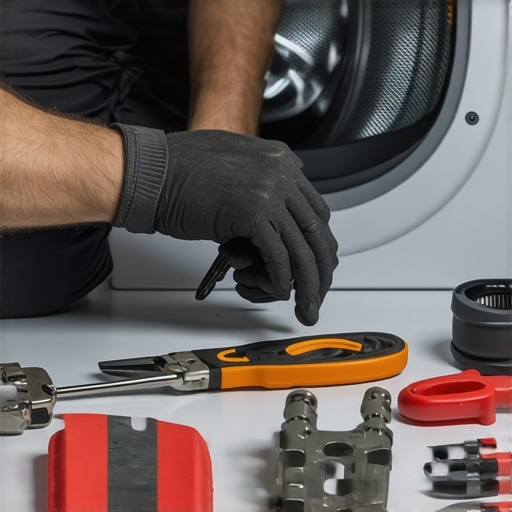 When it comes to appliance repairs, many homeowners operate under assumptions that can cost them in the long run. A common myth is that requesting same-day service guarantees quality and priority; however, in reality, some technicians might cut corners or offer superficial fixes that don’t address the root issues, leading to recurring problems. This misconception can result in repeat calls and additional costs, undermining the very convenience homeowners seek. Moreover, many clients overlook the fine print of their warranties, believing that any authorized repair automatically maintains coverage. But specific installation mistakes or neglecting manufacturer guidelines can void warranties entirely, leaving you exposed to hefty repair bills.
Have you ever fallen into this trap? Let me know in the comments.
What nuances in warranty terms can trip up even seasoned homeowners?
For example, many warranties require that installation and repairs be performed by certified professionals following precise procedures. Skipping a step or using incompatible parts, such as incorrect drain hoses or misaligned seals, might automatically void the warranty. According to a study by the Consumer Electronics Association, nearly 30% of warranty claims are denied due to improper installation or maintenance errors—not product defect. This emphasizes the importance of understanding the subtle yet critical nuances in your coverage.
Additionally, some service providers promise quick fixes without genuine diagnostics, leading to temporary solutions rather than lasting repairs. This tactic may save time initially but can cause bigger problems later. To truly benefit from same-day service, ensure the technician conducts a thorough assessment, not just a superficial fix. For insights into sophisticated repair pitfalls and how to avoid them, visit our article on common installation errors that void warranties.
Always remember: a quick fix isn’t worth a long-term headache if it compromises your warranty or leads to further damage. Prioritize professionals who adhere strictly to manufacturer guidelines and understand the fine print of warranty conditions. Doing so safeguards your investment and ensures peace of mind rather than another emergency call. Want to learn how to navigate these complexities? Check out our detailed guide on appliance warranties and ensure your household is protected against unexpected costs.
Investing in the Right Equipment for Longevity
When it comes to maintaining appliances, having the correct tools is half the battle won. I personally rely on a digital multimeter because it allows me to diagnose electrical issues quickly, saving time and preventing unnecessary replacements. A quality multimeter helps me verify circuit continuity and voltage levels before I begin any repair, ensuring safety and accuracy. For example, during a recent oven malfunction, checking the heating element’s resistance with my multimeter helped me identify a broken element rather than guessing blindly. Understanding how to use a multimeter effectively is an essential skill for DIY repairs, and I recommend investing in one that offers auto-ranging features for ease of use.
Another tool I swear by is a set of precision screwdrivers. Appliances often have tiny screws that standard screwdrivers can’t handle without stripping. Using a magnetic screwdriver set prevents losing small screws and ensures proper torque application. For instance, during refrigerator seal checks, the right screwdriver allowed me to remove panels without damaging or stripping screws, enabling a smooth inspection process. I advise choosing a set with insulated handles for safety when working with live components.
Additionally, I’ve found that a high-quality flashlight is invaluable—especially when inspecting tight spaces or under appliances. A strong, LED flashlight with adjustable focus helps me spot leaks or corrosion that might be otherwise hidden, much like when I recently checked my dishwasher’s interior for mineral buildup affecting seals.
Looking ahead, I believe that smart diagnostic devices integrated with smartphones will become standard for appliance maintenance. These tools can scan appliances, identify errors, and provide troubleshooting advice, making DIY maintenance more accessible and precise. Companies are already working on apps that interpret appliance error codes directly, streamlining repair processes further.
How do I maintain my tools over time? I always ensure they’re kept clean, tested periodically, and stored properly in a dedicated toolbox to prevent damage. Proper maintenance of your tools extends their lifespan and keeps them ready when you need them most. Regularly calibrating electronic testers like multimeters is also crucial for accurate readings, which can prevent misdiagnosis and unnecessary part replacements.
To maximize your appliance’s lifespan, I recommend adopting a proactive maintenance routine where you inspect key seals, connections, and electrical components every six months—diligence that has saved me from costly emergency repairs more times than I can count. Remember that precise tools and a systematic approach are your best allies in this effort.
Ever wonder how to ensure your tools stay reliable? Try calibrating your multimeter annually and store your tools in a protected case—simple steps that make a significant difference in maintaining their effectiveness.
Looking to streamline repairs? Consider mastering the use of a digital multimeter for quick diagnostics. It’s a game-changer for anyone serious about DIY appliance care.
By equipping yourself with the right tools and a disciplined maintenance plan, you’re investing in your home’s resilience. Don’t forget to check out smart hub installation tips to prevent future tech headaches from incompatible setups. Take charge today—your appliances, and your home, will thank you.
Lessons from the Front Lines of Appliance Care
One of the most valuable lessons I’ve learned is that the smallest details often hold the biggest power to protect your home. For example, I once ignored a tiny crack in a seal, dismissing it as insignificant, only to find it had caused a minor leak that could have led to a major flood. This experience taught me to pay close attention to the tiny components—because in appliance maintenance, the devil is truly in the details.
Another insight came from realizing that even the best equipment needs vigilant oversight. Modern appliances are sophisticated, but their vulnerabilities often lie in overlooked seals or improperly tightened connections. Regular inspections and a keen eye on those tiny parts can save you from costly repairs and stress down the line. Remember, proactive care beats reactive destruction every time.
A third revelation was understanding how essential properly sourced replacement parts are. Skimping on quality or ignoring manufacturer specs can compromise your entire system, leading to issues that are hard to track and fix. Trusting genuine parts and following installation guidelines isn’t just about adhering to rules—it’s about safeguarding your home’s integrity.
Tools and Resources That Kept Me Ahead of Disasters
My go-to tools include a reliable digital multimeter, which helps me quickly diagnose electrical issues that could cause leaks or failures. Pairing this with high-quality screwdrivers ensures I can handle tiny screws without damage. For thorough inspections, a bright LED flashlight reveals hidden moisture or corrosion, guiding me to trouble spots before they become emergencies. Investing in these tools made a tangible difference, making my maintenance more precise and less stressful. To expand my capabilities, I turned to authoritative sources like the smart hub installation tips, which provide insights into avoiding common pitfalls that could void a warranty. Remember, the right gear and trusted advice are your best defenses against appliance mishaps.
Taking Action for a Leak-Free Future
Now is the perfect time to reassess your appliance maintenance routine. Regularly checking seals, clamps, and connections isn’t just a chore—it’s a shield protecting your home from water damage. Incorporate a short diagnostic cycle after any repairs to confirm everything’s sealed tight, and consider installing leak detectors in vulnerable spots for real-time alerts. These proactive measures will save you not only money but also peace of mind.
I encourage you to embrace these insights and tools—your home’s safety depends on them. Whether you’re a seasoned DIYer or just starting, remember that small details make all the difference. Start today, stay vigilant, and keep your appliance systems running smoothly. The effort you invest now will pay you back in safety and savings.