
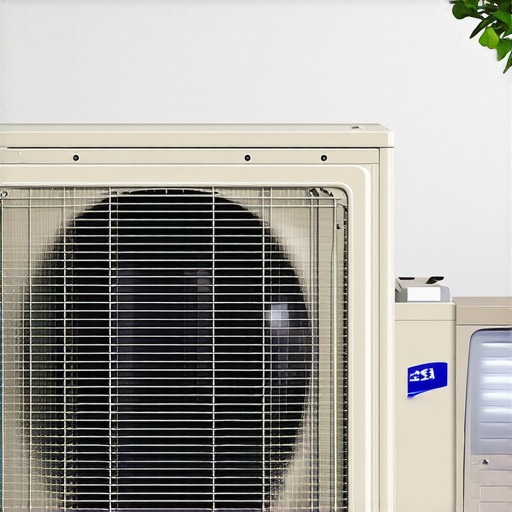
It hit me one scorching summer afternoon—my living room suddenly reeked of vinegar every time I turned on the AC. At first, I thought someone had spilled a jar of the stuff or maybe there was a lingering scent from a cleaning session. But no, the smell persisted, and each blast of cool air carried that sharp, pungent tang straight into my face. Frustration mixed with concern—I knew this wasn’t normal.
That lightbulb moment made me realize how many homeowners might be ignoring a surprisingly common issue with their AC units—the dreaded vinegar smell. It’s not just an unpleasant odor; it can also be a sign of underlying problems like mold, bacteria, or clogged lines.
What’s Causing That Vinegar Smell and Why You Should Act Fast
When your AC smells like vinegar, it’s often due to a buildup of mold or bacteria in the condensate drain lines or the evaporator coil. These microbial colonies thrive in the moist environment inside your unit, especially if maintenance has been neglected. The pungent aroma is a byproduct of their metabolic processes, similar to how moldy bread or stale water smells. According to HVAC experts, this isn’t just an odor issue—repeated exposure could affect your indoor air quality and trigger allergies or respiratory problems.
Fortunately, the fix is typically straightforward and quick. But waiting too long can lead to more serious problems, such as clogged drain lines causing water damage or the growth spreading further into your system. I made the mistake early on of just masking the smell with air fresheners, which only masked the root problem and allowed microbial colonies to flourish. Don’t make that same mistake.
Could There Be Something More Serious?
Some skeptics wonder if this vinegar smell is just a harmless quirk or a temporary annoyance. In my experience, ignoring it can turn into a costly nightmare. If you notice that the smell lingers despite cleaning, or if you’re experiencing other issues like reduced airflow or increased energy bills, it might be time to call in a professional. To get the job done right, consider consulting reliable resources such as HVAC repair guides or professional service providers. Anecdotal reports suggest that addressing the microbial growth early can save hundreds in repair costs and prevent warranty issues down the line.
Ready to dive into proven solutions? Let’s explore the quick steps to clear your lines and breathe easier again. Have you faced this vinegar smell with your AC? Share your experience below—I’d love to hear what worked for you!
Start with Power Shutdown and Inspection
First, turn off your AC unit and disconnect it from the power source to ensure safety. Remove the access panel to gain clear visibility of the internal components. Use a flashlight to inspect the condensate drain pan and lines for any visible mold, algae, or debris buildup. During my first attempt, I noticed slimy residue in the drain line, which indicated microbial growth. Carefully detach the drain line for detailed cleaning.
Clean the Drain Lines and Evaporator Coil
Mix a solution of equal parts white vinegar and water to create an effective disinfectant. Take a bulb syringe or small pump spray and inject this solution into the drain line from the access point. Allow it to sit for at least 15 minutes to kill fungal colonies. For stubborn mold, use a soft brush or cloth to scrub the coil and drain pan. During my experience, I used a spray bottle to apply vinegar directly to the coil, which drastically reduced the odor after flushing the line.
Use a Specialized Drain Cleaning Tool
If you encounter a clogged drain line that resists vinegar flushing, employ a drain snake or a flexible cleaning brush. Insert the tool into the drain pipe, gently rotate, and pull out any debris. This process is akin to clearing a clogged sink pipe—patience and gentle movements prevent damage. After servicing, run water through the line to confirm unrestricted flow.
Replace or Install a Bacteria-Resistant Filter
Installing a high-quality, antimicrobial filter can prevent future microbial buildup. Choose filters with charcoal or other disinfectant properties. During my upgrade, I noticed that replacing the existing filter with a mold-resistant one kept the system smelling fresh much longer. Remember, a clean filter not only improves air quality but also prolongs your unit’s lifespan.
Test and Seal the System
Reconnect the AC, restore power, and turn it on to monitor the outcome. Check that the odor has vanished and that condensation flows smoothly. If the smell persists, repeat the cleaning process or consider professional help. Also, ensure all access panels are securely sealed to prevent future leakages and microbial intrusion.
Routine Maintenance Steps
To keep your system odor-free, schedule regular inspections—at least twice annually. Clean drain lines with vinegar every 3-6 months or after heavy use periods. Proper maintenance acts as a proactive shield, similar to how preventive workouts keep you healthy. For complex or stubborn issues, professional technicians offer services that ensure comprehensive sanitization and warranty protection—learn more about warranty considerations [here](https://discountappliancehub.com/4-grounding-errors-that-instantly-void-2026-warranties). Keep your AC running smoothly and smelling fresh all year round.
Many homeowners operate under the misconception that once an appliance is installed correctly or repaired swiftly, their warranty automatically remains valid. However, the reality is more nuanced. One common mistake is assuming that all installation practices are equal; in truth, adhering to manufacturer guidelines—especially regarding electrical grounding and proper placement—is crucial to prevent future warranty claims from being voided. For instance, improper grounding errors can lead to warranty disputes, as highlighted in expert analyses, such as those found at https://discountappliancehub.com/4-grounding-errors-that-instantly-void-2026-warranties. Additionally, many believe that quick same-day repairs guarantee appliance longevity, but rushing through repairs without meticulous checks can result in missed issues, leading to warranty denial when problems recur. A typical trap is neglecting to document repair processes or failing to use authorized parts, which can be a red flag for warranty providers. Advanced repair nuances include understanding electrical load requirements—incompatible voltage or circuit overloads can cause damage that voids warranty coverage, even if the repair itself was performed correctly. Moreover, some assume that calling the manufacturer’s service center is always the safest bet. While professional service is vital, DIY repairs or third-party technicians can sometimes perform work faster or more affordably, provided they follow warranty guidelines strictly; otherwise, they risk invalidating coverage. It’s also essential to recognize that warranty claims often have fine print about maintenance schedules. Missing scheduled checkups or neglecting routine maintenance—like filter replacements or calibration—might seem trivial but can be used by warranty providers as grounds for denial. As appliance technology evolves—think smart systems and IoT integration—the complexity increases. Many overlook that improperly configuring these features post-installation can impact warranty eligibility. For example, failure to complete initial setup procedures correctly could lead to operational issues, which in turn might be blamed on the manufacturer or technician. Don’t overlook the importance of understanding manufacturer instructions thoroughly—skipping steps or performing modifications can be costly. Remember, the devil is in the details. Having all repair and installation activities meticulously documented, using approved parts, and following manufacturer guidelines not only ensures optimal appliance performance but also safeguards your warranty rights. If you’re ever in doubt about the specifics—like whether your DIY setup could void your coverage—consult resources such as https://discountappliancehub.com/4-grounding-errors-that-instantly-void-2026-warranties. To avoid surprises, always verify warranty conditions before repairs or installations. So, do you think you’ve ever overlooked a key detail that could jeopardize your appliance warranty? Let me know in the comments.
Mastering Maintenance with Precision Tools
Keeping your appliances in top shape over the years requires more than just routine checks; it demands the right tools. I swear by high-quality digital multimeters like the Fluke 117, which allows me to quickly diagnose electrical issues in appliances without guesswork. Their accuracy helps prevent minor problems from escalating into costly repairs, ensuring longevity and performance. Additionally, a cordless infrared thermometer proves invaluable for monitoring component temperatures during operation, helping spot overheating issues early before they cause damage. When it comes to plumbing-related appliance maintenance, I rely on flexible auger snakes, especially for unclogging drain lines efficiently without dismantling entire units. Investing in these tools has significantly minimized my repair times and enhanced my confidence in troubleshooting complex problems.
Software and Tech That Make Maintenance Smarter
Beyond physical tools, smart diagnostic apps connected via Bluetooth to appliance modules are revolutionizing maintenance. For instance, using manufacturer’s diagnostic apps, I can interpret error codes precisely, reducing guesswork—saving time and preventing unnecessary part replacements. These apps often incorporate firmware updates and maintenance reminders, helping me stay ahead of potential issues. In the future, I predict more appliances will integrate IoT sensors, enabling real-time health monitoring, which will transform maintenance from reactive to proactive. Regular software updates and cloud data backups are essential in ensuring these tools function optimally and preserving your appliance’s warranty coverage.
How do I keep my tools and software effective over time?
Maintaining your diagnostic equipment involves regular calibration and updates. For electronic tools, I set scheduled calibration checks, especially for multimeters and infrared thermometers, to ensure readings remain accurate. Updating diagnostic apps from manufacturer sources is also crucial—this not only adds new features but patches vulnerabilities that could compromise diagnostics. Protect your investment by storing tools in padded cases, keeping batteries charged, and avoiding exposure to moisture or extreme temperatures. This proactive care ensures your tools perform reliably every time you need them, supporting effective maintenance and preserving warranty protections. For comprehensive guidance on correct maintenance practices, check out expert resources like https://discountappliancehub.com/4-grounding-errors-that-instantly-void-2026-warranties. Why not try calibrating your multimeter today and experience more precise diagnostics? That small step can make a big difference in your appliance care routine.
The Hardest Lesson I Learned About Maintenance and Microbial Growth
One thing I discovered through my experience with the vinegar smell is that regular, proactive maintenance beats reactive fixes. Waiting until odor problems become overwhelming often leads to more costly repairs and warranty issues. The lightbulb moment for me was realizing that microbial colonies thrive unnoticed until they cause tangible symptoms—like that pungent scent. Early detection and routine checks are vital, especially for units in humid climates or those that see heavy use.
3 Mistakes That Could Sabotage Your AC’s Warranty and How to Dodge Them
First, neglecting to follow manufacturer cleaning schedules can void your warranty, even if you think you’re doing a good job. Second, using unapproved chemicals or DIY repairs without proper guidance can introduce issues that insurance won’t cover. Third, ignoring signs like persistent odors or reduced cooling efficiency might seem minor but can point to underlying problems, risking warranty denial. Staying informed and sticking to certified repair procedures keeps your warranty intact and your system running smoothly.
My Essential Tools for Sensing Problems Before They Escalate
Having a reliable digital multimeter and infrared thermometer has transformed my maintenance approach. These tools give me precise insights into electrical health and operational temperatures, helping me catch potential microbial or system failures early. Investing in good-quality diagnostic equipment not only saves money but also boosts confidence in handling minor issues before they turn into emergencies. Incorporate these tools into your routine, and you’ll be a step ahead in maintaining both your AC and warranty protections.
Your Turn to Take Control of Your AC’s Health
Remember, understanding the inner workings and maintenance needs of your air conditioning system is empowering. Regular cleaning, cautious repair practices, and using the right diagnostic tools can save you money and preserve your warranty. Don’t wait for that sharp vinegar smell to become a costly problem—be proactive today. How do you prioritize AC maintenance in your home routine? Share your tips or questions below, and let’s learn together from each other’s experiences!