
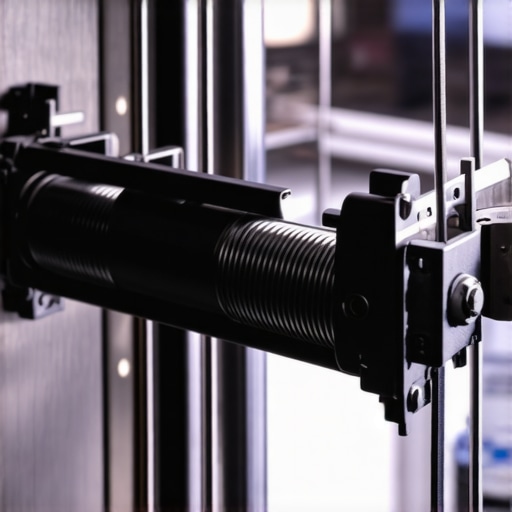
It was a quiet Tuesday evening when a sound like a small pistol shot echoed through my kitchen. Bang! My foot was inches away from the dishwasher. I reached down, pulled the handle, and the heavy door completely gave up, crashing down like a lead weight toward my shins. No resistance. No smooth glide. Just a terrifying, heavy drop. If you have ever experienced that sudden, gut-wrenching thud of a door that refuses to stay up, you know exactly how startling it can be. It is a classic sign of a broken tension mechanism, and believe me, it is one of those household annoyances that you cannot ignore for long before someone gets hurt or a glass panel shatters. Today, I am going to share exactly how to diagnose this terrifying drop and what you can do to restore peace, balance, and safety to your kitchen.
That Sudden Drop is More Than a Noisy Nuissance
After my own door crashed, I made the classic rookie mistake. I figured I could just ignore it and hold the door up with my knee while loading plates. Two chipped coffee mugs and a bruised shin later, I realized my stubbornness was costing me more than a simple repair. Your dishwasher relies on a delicate balance of heavy-duty steel springs, plastic pulleys, and high-tension cords to make that heavy door feel light as a feather. When one component snaps, the entire system fails. According to research by consumer safety advocates, heavy appliance doors present a genuine risk for pinch injuries and impact bruises when their counterbalance systems fail. Fixing this is not just about convenience; it is about keeping your kitchen safe. If you want to prevent other common door issues before they start, you might also want to check out my guide on the fix for a dishwasher door that wont latch shut.
Is this fix actually worth the DIY hassle?
I get it. The moment you realize you have to pull a giant, heavy machine out from under your custom kitchen cabinets, a wave of dread sets in. You start worrying about scratching your hardwood floors, flooding the kitchen, or voiding your home warranty. But here is the good news: replacing a broken door spring or tension cord is actually one of the most straightforward repairs you can perform yourself. You do not need an engineering degree, just a few basic tools, a bit of patience, and the right replacement parts. Have you ever had your dishwasher door suddenly drop on your foot, or are you currently proping yours open with a kitchen chair? Tell me about your kitchen battle scars in the comments below! If you decide the DIY route is not for you and want a professional to handle it quickly, you can always look into same day appliance repair quick solutions with warranty support to get your kitchen back to normal without the heavy lifting.
Step-by-Step Guide to Restoring Your Dishwasher Door Balance
To fix a door that drops like a stone, you have to get behind the side panels of the machine. Think of your dishwasher door tension system like a classic garage door on a much smaller scale: heavy springs pull on steel cables or plastic cords wrapped around pulleys to offset the weight of the metal door. When you open the door, those springs stretch; when you close it, they retract. If one side snaps, the remaining side cannot handle the load alone, causing that sudden, terrifying drop. To do this safely, always start by flipping the circuit breaker to cut the power and turning off the water supply line under your sink. This prevents any accidental shocks or soggy messes while you work.
Pull the Unit and Inspect the Damage
You cannot access the tension springs while the machine is tucked under the counter. Unscrew the mounting brackets that secure the dishwasher to the underside of your countertop. Carefully slide the dishwasher out about a foot or two. During my first attempt at this, I pulled the unit too quickly and nearly ripped the water line right out of the floor. Take it slow and make sure your hoses have enough slack to move. Once you have cleared the cabinetry, look at the bottom sides of the machine. You will see a thick metal spring connected to a plastic wheel pulley by a nylon cord. If you see a frayed or snapped cord, or a spring hanging loose, you have found your culprit. If you feel uncomfortable pulling the unit yourself because of tricky custom cabinetry, it might be wise to review the how to ensure reliable appliance installation in 2025 guidelines to avoid damaging your kitchen floor or plumbing lines.
Thread the New Cable and Tension Spring
Always replace these parts in pairs. If the left cable snapped, the right one is likely on its last thread anyway. Unhook the old spring from the back frame and slide the broken cable off the plastic pulley. Take your new cable, hook it onto the door hinge link, thread it over the top of the pulley, and attach the other end to the new tension spring. Hook the opposite end of the spring into the designated slot on the dishwasher frame.  When I did this on my own unit, I used a pair of locking pliers to hold the spring stretched while I hooked it in—it saved my fingers from getting pinched. Once both sides are connected, test the door by opening it halfway. It should hover in place. If it still falls, adjust the tension by moving the spring to a different slot further back on the frame. If you run into unexpected electrical or alignment issues during this process, securing warranty-backed appliance services you can rely on can protect your investment and save you the headache of troubleshooting complex mechanical alignments.
Is a DIY fix always the best move?
Let’s be completely honest: the modern home service industry loves to tell you that every single appliance hiccup is a direct ticket to a replacement or an expensive service call. On the flip side, the DIY community often pushes the narrative that you can, and should, fix absolutely everything yourself with a pair of pliers and a YouTube video. In my experience, both sides are wrong. While swapping a door spring is highly doable, the real nuance lies in knowing when your intervention actually voids your protection. People often assume that any physical DIY repair instantly voids their entire appliance coverage, but that is a myth. Under the federal Magnuson-Moss Warranty Act, a manufacturer cannot deny warranty coverage simply because you performed basic maintenance or a DIY repair, unless they can prove your specific repair work caused the damage. However, the ‘trap’ most homeowners fall into is using cheap, generic, third-party parts. If a non-certified spring snaps and bends your door hinge, you are on your own. If you want to avoid these costly misunderstandings, you should read about the difference between a factory warranty and a service contract before picking up your tools.
The hidden alignment trap most people overlook
When you slide your dishwasher back into place after replacing the door cables, you might think the job is done. This is where the ‘oops’ factor kicks in. If your dishwasher is even slightly out of level, the new tension cords will rub against the side frames. Over the course of just a few weeks, this friction will fray the nylon, leading to another terrifying crash. It is absolutely critical to check your alignment before tightening those mounting brackets. I always recommend reviewing the leveling secret for a silent dishwasher cycle to make sure your machine sits perfectly square, which protects your new tension cords and keeps your kitchen quiet. 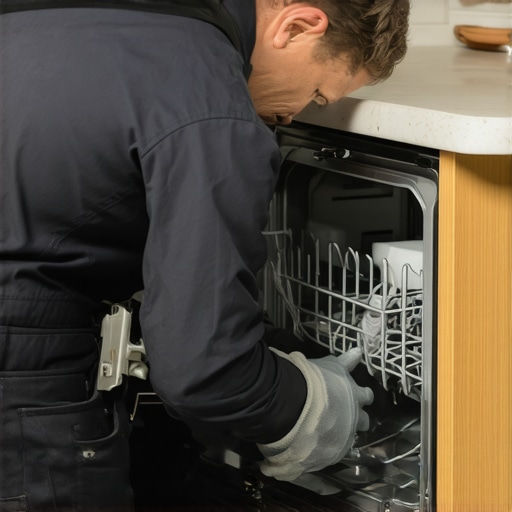
How do you handle a warranty claim when things go wrong?
If you do find yourself facing a major mechanical failure that goes beyond a simple spring replacement, do not panic. Many homeowners assume that if their dishwasher breaks down after hours or during a holiday, they have to wait days just to speak to a representative, leading them to hire uncertified help in a rush. This is a massive mistake that really will void your coverage. You can actually learn how to claim your warranty after the store closes down to protect your financial investment. For those times when the job is simply too complex or physically demanding to handle safely on your own, calling in certified professionals who offer affordable same day appliance fixes with warranty benefits is the smartest way to keep your kitchen running without risking your physical safety or your appliance’s coverage. Have you ever fallen into this trap of fixing one thing only to accidentally cause another issue, or did you struggle with a warranty claim? Let me know in the comments below!
My Personal Toolkit for Appliance Maintenance and Calibration
Over years of tackling these heavy doors, I have learned that using the right specialty tools makes the difference between a frustrating afternoon and a ten-minute victory. I never start a tension adjustment without my trusty pair of curved locking pliers and a digital tension gauge. The locking pliers are absolutely essential because they clamp onto the steel spring loops, allowing me to stretch the spring safely with one hand while threading the nylon cord with the other—without them, you risk a painful pinch or a snapped cable flying back. I also use a standard digital level to verify the cabinet alignment. If the machine tilts even half a degree, the cable will rub against the frame. In the future, I predict we will see smart dishwashers with built-in digital strain sensors in the hinges that alert your smartphone before a cable actually snaps, but until that technology arrives, these simple physical tools are our best defense.
How do I maintain my dishwasher door tension system over time?
To prevent that sudden, terrifying drop from happening again, you should perform a quick inspection once a year. Pull the bottom kickplate off your dishwasher and shine a flashlight at the bottom corners. Check the nylon cords for any signs of fraying or wear. If you notice even a single loose thread, replace both cables immediately. It is also wise to clean any accumulated grease or kitchen grime off the plastic pulley wheels using a mild degreaser; sticky buildup forces the pulleys to drag rather than spin, which accelerates cable wear. Taking five minutes to wipe down these moving parts is the best way to extend their lifespan. If you want to keep your entire kitchen setup in perfect working order, understanding the one installation move most canton kitchen remodels skip for new appliances can save you from future mechanical headaches caused by poor spatial planning.
For those who want to ensure their appliances remain in pristine condition without risking a DIY mistake, professional service is always an option. I highly recommend scheduling certified technicians who can handle complex adjustments while preserving your manufacturer protection. You can read my complete guide on what to expect from same day appliance repair experts to see how they verify safety mechanisms and tension alignments. If you decide to tackle this yourself, my top recommendation is to use a small dab of silicone-based lubricant on the pulley axles during your next inspection—this simple trick dramatically reduces friction and prevents early cable failure. Go ahead and take off your kickplate this weekend to inspect those cords before they have a chance to snap!
What Most Repair Manuals Forget to Mention About Door Tension Cords
Over years of working with various kitchen setups, I have realized that fixing a heavy door is never just about swapping out parts. Here are a few vital lessons that will save you time and money:
- Symmetric wear is a real rule: If you notice one side of your tension cable is frayed, do not make the mistake of replacing only that single side. The remaining cord has been absorbing double the tension and is guaranteed to fail shortly after. Always change them in pairs.
- Avoid the over-tightening trap: When adjusting the tension springs, it is tempting to use the tightest hook setting to make the door feel incredibly light. However, this puts excessive strain on the plastic pulleys, causing them to warp or crack prematurely. Aim for a balanced drift where the door holds its position at a 45-degree angle.
- Friction is your biggest enemy: The nylon cords must glide smoothly. If your dishwasher cabinet opening is too tight, the sides of the machine can bow inward, forcing the cables to rub directly against the metal frame. Check this clearance carefully during re-installation to prevent premature snap.
My Go-To Maintenance Tools for a Perfectly Balanced Door
Having the right gear on hand makes this physical repair feel like a quick tune-up rather than a weekend chore. Here is what I always keep in my service kit:
- Curved Locking Pliers: Essential for safely holding the heavy tension springs extended while you thread the nylon cords. This protects your fingers from sudden pinches.
- Digital Spirit Level: Essential to verify your machine is aligned perfectly. If you are unsure why your dishwasher cycle seems noisy or off-balance, reading about the leveling secret for a silent dishwasher cycle will explain how proper cabinet leveling preserves your tension cords.
- Silicone-Based Lubricant: A tiny drop on the pulley wheels keeps the movement smooth and silent. Avoid petroleum-based lubricants as they degrade plastic parts over time.
Bring Back the Light and Effortless Glide of Your Kitchen Workhorse
You do not have to live with a heavy, dangerous door that threatens your glassware and your shins every time you load a plate. With a little patience, the correct replacement parts, and the right approach, you can restore that satisfying, feather-light balance to your dishwasher. If you run into a tricky alignment or feel uncomfortable pulling the appliance out of your custom cabinetry, seeking out expert guide to appliance repair and installation today is a fantastic way to ensure the job is done safely and correctly.
Have you ever had a dishwasher door drop suddenly on your foot, or did you run into a tricky spring tension issue while trying to level your machine? Let me know your experiences in the comments below!