
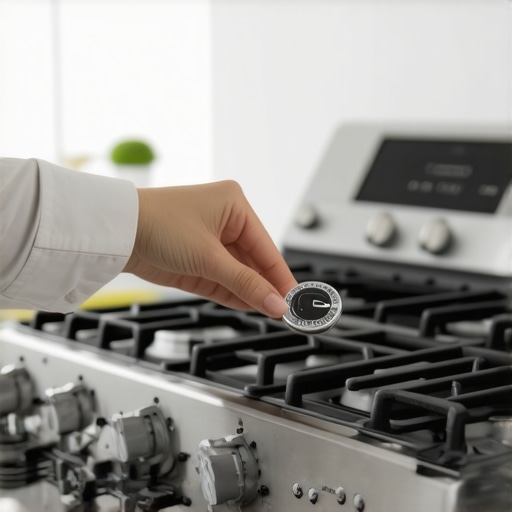
I sat there staring at the white envelope, the ‘URGENT SAFETY NOTICE’ printed in bold red ink across the front. I’ll be honest—I almost tossed it into the recycling bin next to the pizza coupons and the credit card offers. My range had been acting a bit wonky lately, and I’d already been down the rabbit hole of trying to figure out the control board solder joint that kills your range, but I figured this was just another high-pressure sales tactic. I had been burned before, specifically when I fell for a pitch that looked like a bill but was actually just a way to get me to buy a manufacturer extended plan. It was a classic rookie mistake. I didn’t want to be the guy who falls for the same trick twice, but I also didn’t want my kitchen to go up in flames because I was too stubborn to read the fine print.
Stop Tossing Those Official Looking Letters in the Trash
When it comes to your kitchen appliances, a recall isn’t just a suggestion; it’s a warning that something under your hood is genuinely dangerous. In my early days as a homeowner, I ignored a notice for my old stove because I thought it was just a nudge for a fast trustworthy appliance installation service I didn’t need yet. Six months later, I found out the hard way that the burner valves could leak gas. Today, I’m going to show you how to peel back the layers of corporate jargon and figure out if that letter is a legitimate safety alert or just more junk mail cluttering your counter.
Is this just a sneaky way to sell me a service plan?
It’s a fair question. We are constantly bombarded with ‘final notices’ for warranties we never even had. But here’s the kicker: according to the Consumer Product Safety Commission (CPSC), while thousands of appliances are recalled every year for serious fire or injury hazards, the actual repair rate for these items can be as low as 10% because people simply don’t believe the notices are real. They think it’s a scam to get a technician in the door for expert guide to appliance repair and installation today. I made that mistake once, and it cost me a lot of sleep. You need to know that a genuine recall usually involves a specific serial number range and a very clear description of the hazard, not just a vague offer for a ‘free inspection.’ Have you ever received one of these letters and wondered if it was worth the paper it was printed on? Let me know in the comments if you’ve been skeptical too. Before you call for scheduling your appliance repair for same-day service in 2025, let’s verify if the manufacturer is actually footing the bill for a safety fix. We’ll look at the red flags of fakes and the green lights of a real safety campaign, including why the reason your warranty claim was denied in the past might actually be linked to an unaddressed recall.I remember crouching on my linoleum floor with a flashlight in one hand and my phone in the other, squinting at the tiny silver plate tucked inside my dishwasher door frame. I’d just received a notice about a potential fire hazard, and my first instinct was that it was a scam to sell me expert guide to appliance repair and installation today. But once I matched my serial number to the list on the CPSC website, the skepticism vanished. This is your first concrete step: stop looking at the letter and start looking at the machine. Manufacturers often use ‘Recall Campaigns’ that sound optional, but if your model matches, the risk is real. You’re looking for the Model and Serial (M/N and S/N) numbers, usually found on a sticker near the door seal, behind the kickplate, or on the back of the unit. 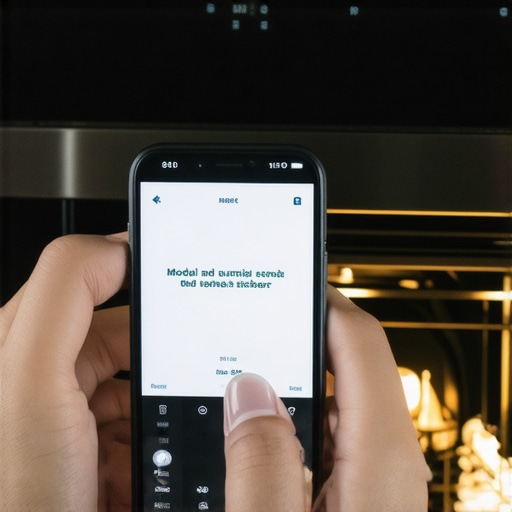
Cross-Check Your Model Number Before Panicking
To verify a recall, don’t just call the number on the letter—go straight to the source. Visit the Consumer Product Safety Commission (CPSC) website or the manufacturer’s official ‘Safety’ portal. When I did this for my dishwasher, I found out the heating element was prone to cracking and igniting the plastic tub. If I had just assumed it was a nudge for how to ensure reliable appliance installation in 2025, I might have lost my kitchen. Once you confirm a match, document it. Take a clear photo of the serial plate and the notice you received. This documentation is your golden ticket if you ever need to know how to challenge a warranty claim rejection for your fridge or other appliances later on.
Make the Manufacturer Pay for Your Safety Fix
A legitimate recall means the manufacturer is legally obligated to remedy the defect, usually at no cost to you. This is where people get confused. They think a recall is the same as a service call where you pay for affordable same-day appliance fixes with warranty benefits. It’s not. If the recall specifies a repair, the parts and labor should be covered. In my case, I had to be firm. The customer service rep tried to tell me I was out of the original warranty period. I had to remind them that a safety recall overrides the standard expiration date. This is a common hurdle, and knowing how to maximize your appliance warranty during emergency repairs can give you the leverage you need to get the fix scheduled without opening your wallet.
Demand Professional Help Instead of a DIY Patch
Sometimes a manufacturer will offer to send you a ‘repair kit’ to install yourself. Unless it’s something incredibly simple, like a new sticker or a plastic clip, I always recommend requesting a certified technician. Why? Because a botched DIY safety fix can lead to your insurance company denying a future claim. When I dealt with my range, I insisted on fast trustworthy appliance installation for the replacement part. I wanted the paper trail that a pro had touched the machine. This ensures that if things go south, the liability stays with the manufacturer and the service provider, not on your shoulders. It also gives you a chance to ask about what to expect from same-day appliance repair experts if other parts of the machine seem to be failing simultaneously.
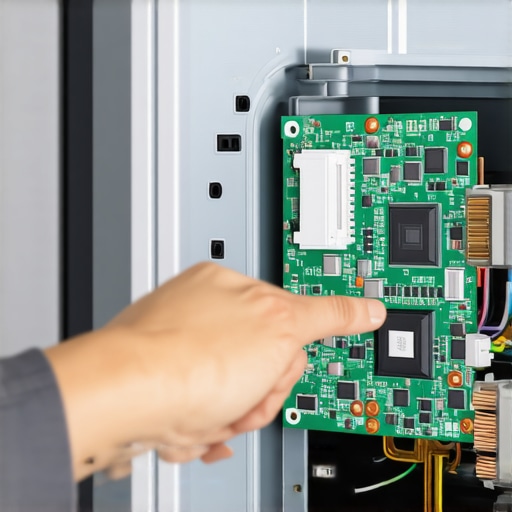
You’ve likely heard the advice to ‘wait and see’ if a minor glitch fixes itself. I’m here to tell you that’s the fastest way to turn a free recall repair into a four-figure replacement bill. Everyone assumes same-day service is just for emergencies like a flooded laundry room, but in the world of high-end appliances, speed is actually a preventative tool. If a manufacturer issues a recall for a thermal switch, ignoring it doesn’t just risk a fire—it puts constant heat stress on your electronics. In my years of tinkering, I’ve seen countless owners ignore a minor safety notice only to end up with the control board solder joint that kills your range because the unit was running twenty degrees too hot for months. Have you ever fallen into this trap? Let me know in the comments if you’ve regretted waiting. Let’s talk about the hidden nuance of timing. When you are scheduling your appliance repair for same-day service in 2025, you aren’t just paying for a quick fix; you’re preserving your right to a warranty claim. A common mistake I see is ‘warranty sandbagging’—waiting until the very end of a coverage period to report three different problems. This is a massive ‘oops’ factor that backfires every single time. I’ve seen exactly why third-party warranty companies deny legitimate claims: they often cite ‘owner negligence’ if you knew about a defect—like a recall notice—and kept using the machine anyway. The National Fire Protection Association (NFPA) reports that home fires involving range burners are often exacerbated by delayed maintenance or ignored safety alerts. By acting immediately, you eliminate their favorite excuse to deny your claim.
Why does my extended plan keep rejecting recall-related fixes?
It’s a frustrating Catch-22. You have a manufacturer extended plan, a recall happens, and suddenly no one wants to take responsibility. Here is the secret the industry doesn’t tell you: standard service plans often explicitly exclude ‘known manufacturing defects.’ If a recall is active, the manufacturer—not the warranty provider—is the one who holds the checkbook. If you try to file it as a standard breakdown, you’ll likely find the reason your warranty claim was denied is a simple clause buried in the fine print. To navigate this, you need top tips for same-day service warranty coverage that emphasize the difference between ‘wear and tear’ and a ‘safety failure.’ Don’t let them bounce you back and forth. Demand that your same-day appliance repair quick solutions with warranty support explicitly state the cause of failure on the invoice. This gives you the paper trail to fight back if the warranty company tries to dodge their obligation later. Remember, a recall is a legal admission of a defect, and that is your strongest leverage in any repair dispute.
I’ve realized that the difference between a homeowner who pays thousands in repairs and one who only pays for the occasional part is the quality of their diagnostic tools. I don’t just guess when a burner won’t ignite or a fridge won’t cool. I grab my Fluke 117 Multimeter—a tool that has paid for itself ten times over. I use it because it gives me a clear digital readout of continuity and voltage, which is essential if you want to perform the refrigerator thermostat test every diyer should know before calling in the pros. Being able to tell a dispatcher, ‘I have 120 volts at the terminal but no response from the load,’ changes the entire dynamic. It turns you from a vulnerable customer into an informed partner, and it’s one of my top tips for same-day service warranty coverage because it helps the technician bring the right part on the first trip. 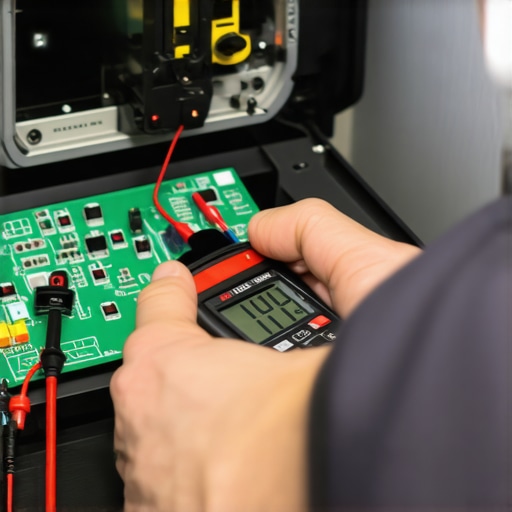
How do I maintain my household fleet over time?
Maintaining high-end appliances is about more than just wiping down the stainless steel; it’s about creating what I call a ‘Maintenance Moat.’ I keep a digital log of every filter change, every coil vacuuming session, and every strange noise. This isn’t just for my peace of mind; it is essential how to prove periodic maintenance to keep your warranty valid if a major component fails. If you can show a service provider that you’ve adhered to the Association of Home Appliance Manufacturers (AHAM) performance standards by keeping your condenser coils free of dust, you effectively shut down the ‘owner negligence’ argument that companies love to use. You should also be looking at the hidden costs of ignoring a slow fridge leak; what looks like a few drops of water can eventually warp subflooring and invite mold, turning a simple gasket replacement into a kitchen renovation. When you maximize your appliance warranty during emergency repairs, you are essentially leveraging this history of care to ensure the company holds up their end of the bargain.
Your Fridge Will Soon Call the Repairman Before It Breaks
Looking ahead, the trend is moving away from reactive repairs and toward predictive maintenance. We are already seeing smart appliances that monitor power draw and cycle frequency to predict when a compressor or heating element is about to give out. Within the next few years, I expect that how to ensure reliable appliance installation in 2025 will include setting up AI-driven diagnostic hubs. This technology will likely be tied directly to your same-day appliance repair quick solutions with warranty support, allowing replacement parts to be shipped to your house before you even realize your freezer is struggling. It’s a game-changer for anyone who has ever lost $300 in groceries because of a weekend breakdown. My challenge to you today: Take five minutes to find your dishwasher’s model number and enter it into a simple spreadsheet. Start your maintenance log now, and you’ll be miles ahead when the next safety notice arrives.
What I’ve Learned from Balancing My Checkbook Against My Kitchen Hazards
It took me years of DIY trial and error to realize that a recall notice isn’t a nuisance—it’s actually an opportunity to get a free upgrade on a failing component. The biggest myth that held me back was thinking that if the machine works today, it’ll work tomorrow; however, a recall often addresses a slow-burn issue that eventually ruins the motherboard. I’ve seen exactly why third-party warranty companies deny legitimate claims, and it almost always comes down to the homeowner ignoring the early warning signs. My ‘lightbulb moment’ was realizing that the manufacturer is actually terrified of the liability, which puts you in the driver’s seat if you know how to maximize your appliance warranty during emergency repairs. Silence isn’t golden when it comes to your range; it’s usually just the calm before a very expensive storm.
The Gear That Keeps My Kitchen Running Without a Hitch
If you’re serious about protecting your home, you need more than just a basic toolkit. I swear by my digital multimeter for performing the refrigerator thermostat test every diyer should know. Beyond hardware, I keep the CPSC.gov recall list bookmarked and check it every six months like clockwork. For those times when a fix is too complex for a Saturday afternoon, I rely on warranty-backed appliance services you can rely on to ensure the job is done to code. This combination of personal diagnostic knowledge and professional support is what keeps my home safe and my budget intact. I also highly recommend keeping a dedicated folder—digital or physical—for every fast trustworthy appliance installation receipt you ever receive.
Take Control of Your Kitchen’s Future Today
Don’t let a red-ink envelope intimidate you or end up in the recycling bin. Your kitchen is the heart of your home, and keeping it safe is the best investment you can make this year. Whether you are scheduling your appliance repair for same-day service in 2025 or just tightening a loose bracket yourself, you’re taking a stand against planned obsolescence. You’ve got the tools and the knowledge now—go ahead and check that serial number. Have you ever discovered a recall on an appliance you’d been using for years without a clue? Let me know your story in the comments below.