
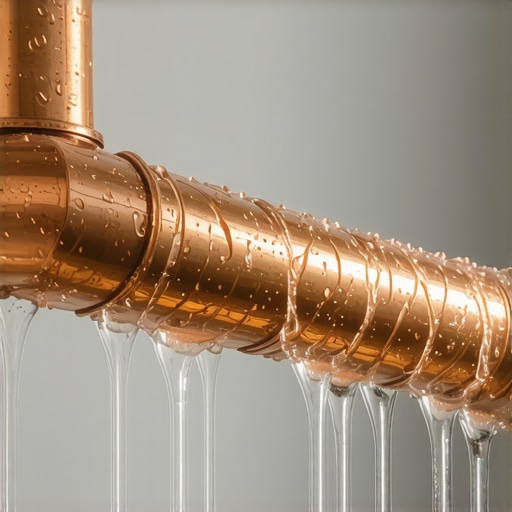
I still remember the first time I noticed that yellowish-brown circle forming on my pristine white living room ceiling. It wasn’t even raining outside. I felt that sudden pit in my stomach—the kind you get when you realize your home is actively failing you while you’re just trying to relax. I grabbed a ladder, peeked into the crawlspace, and there it was: my AC suction line was literally drenched, looking like a soda can on a humid July afternoon. Water was pooling on the drywall, and I knew I was in trouble.
Stop Ignoring Those Damp Spots Before They Get Expensive
When your AC line starts “sweating,” it is usually a sign of a temperature differential that your insulation just can’t handle anymore. That copper pipe carries cold refrigerant back to the compressor, and if warm, moist air touches that cold metal, you get condensation. I made the classic mistake of thinking it was just “normal humidity” for a few weeks. By the time I took it seriously, I wasn’t just looking at an HVAC fix; I was looking at a drywall replacement project. If you are hearing strange noises too, like why your ac is making a whistling sound through the vents, your system might be struggling with more than just sweat. Today, I’m going to walk you through exactly why this happens and how to stop the drip before your ceiling ends up on your floor.
Is This Actually a DIY Fix or Am I Way Over My Head?
Many homeowners fear that a sweating line means the whole condenser is toast. It’s a valid fear, but often, the culprit is much simpler—and cheaper—than a full replacement. One of my biggest early blunders was trying to patch the foam insulation with regular duct tape. It was a disaster. The tape didn’t seal the air out, it just trapped the moisture against the pipe, accelerating the problem. You need to know when to wrap a pipe and when to call for scheduling your appliance repair for same day service in 2025 to avoid a mold colony in your rafters. Have you ever looked up and seen a mystery wet spot on your ceiling? Tell me about your experience in the comments below.
It’s important to realize that according to the U.S. Department of Energy, even a small gap in your pipe insulation can lead to significant energy loss and moisture buildup in unconditioned spaces. I found out the hard way that how we stopped the ac from spitting water on the carpet wasn’t just about the indoor unit, but the entire line set’s integrity. We are going to dive into the physics of why this happens and the three specific steps I took to bone-dry my attic for good.
Start With a Fresh Layer of High-Quality Insulation
The fix isn’t just about slapping some foam on a pipe; it’s about creating an airtight seal. Think of your AC suction line like a cold soda can. If you put that can in a koozie but leave the top exposed, condensation still forms and runs down the side. You have to eliminate the air-to-metal contact entirely. I started my repair by stripping away all the old, brittle insulation that had basically turned into a sponge. This is a messy job, but you can’t build on a rotten foundation. Make sure the copper is dry and clean before you even think about putting the new stuff on. If you notice the line is already leaking into your home, you might need to look into scheduling your appliance repair for same day service in 2025 to prevent permanent structural damage.
Seal Every Inch Without Using Cheap Tape
I once spent four hours trying to use electrical tape and duct tape to seal the seams on my insulation. Don’t do that. Within 48 hours, the heat and moisture in the attic turned the adhesive into a gooey mess that slid right off the foam. Now I only use weather-resistant foam tape designed specifically for HVAC applications. You need to wrap the joints where two pieces of foam meet so tightly that no air can seep through. If air gets in, moisture will follow. 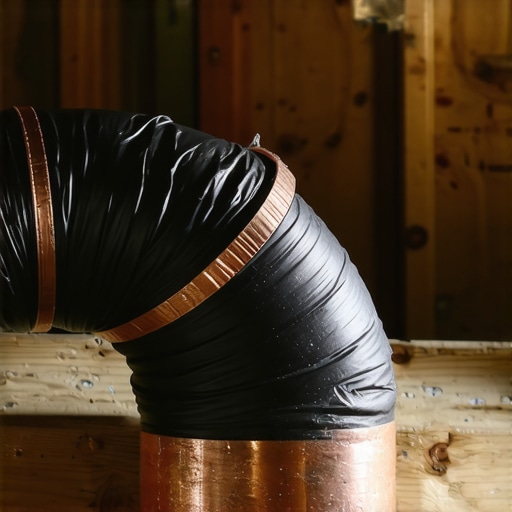 If you’re dealing with a system that’s already failing to keep things cool, you might be facing more than just a sweat issue—check if why your ac is blowing room temperature air is part of the problem. Sometimes, the sweating is just a symptom of a much larger mechanical failure.
Look at Your Filter and Coils First
Sometimes the sweating isn’t just an insulation problem; it’s a temperature problem. If your coils are freezing over because of the hvac filter direction error that strains your motor, the suction line gets significantly colder than it is designed to be. I learned this the hard way when I realized my ‘insulation issue’ was actually just a cheap filter I had installed backwards in a hurry. Check your airflow before you go buying yards of foam. You should also take the time to learn how to deep clean your ac evaporator coils safely. Dirt on those coils acts like an insulator in the worst way possible, forcing the refrigerant to stay at sub-freezing temperatures longer than it should.
Check Your Warranty Before the Big Repairs
If you find that the line is still dripping even after a perfect wrap and a filter change, you might be dealing with a low refrigerant charge or a failing compressor. This is the point where DIY ends and professional tools begin. Before you panic about the bill, check your paperwork. Understanding what an extended warranty really covers when your ac quits can save you thousands. I’ve seen homeowners pay full price for a repair that was actually 100% covered by their installation agreement. If you find yourself needing a professional hand, consult an expert guide to appliance repair and installation today to ensure the technician is actually addressing the root cause and not just putting a band-aid on the sweat.
Most people assume that if a little insulation is good, a massive, thick layer of fiberglass or generic wrap is better. In my experience, that’s exactly how you end up with a moldy attic. The ‘more is more’ approach fails because thickness isn’t the hero here; the vapor barrier integrity is. According to experts at ASHRAE (the American Society of Heating, Refrigerating and Air-Conditioning Engineers), moisture ingress is the single most common reason for insulation failure in systems running below-ambient temperatures. If your wrap allows even a microscopic amount of air to reach that cold copper, you’re just building a dark, wet cave for bacteria. You need closed-cell elastomeric foam, not just whatever is cheapest at the big-box store.
One massive trap I see DIYers fall into—and I’ve been guilty of it too—is the over-tightened zip tie. You want the insulation to stay put, so you crank down on those plastic ties until the foam pinches. Stop right there. When you compress that foam, you destroy the R-value at that specific point and create what we call a ‘thermal bridge.’ This creates a pinpoint cold spot on the outside of the insulation where condensation will form anyway. It’s like wearing a high-end parka but having a giant hole cut in the chest. 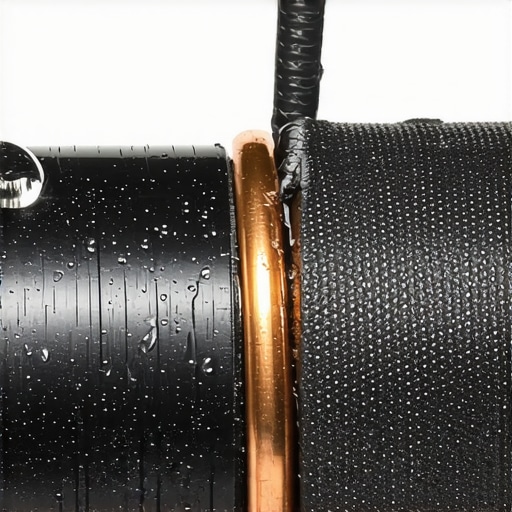 Have you ever fallen into this trap where you thought you were fixing something but actually made it worse? Let me know in the comments.
Can a Messy DIY Job Void My Entire Compressor Warranty?
This is where things get technical and potentially very expensive. I used to think the manufacturer didn’t care about the ‘plumbing’ as long as the machine worked. I was wrong. Many technicians will see a poorly insulated, dripping line and mark it as ‘neglect’ or ‘improper maintenance’ in their reports. This is often the reason your warranty claim was denied when the compressor eventually burns out from working too hard. If you aren’t confident you can restore the line to factory-spec, scheduling your appliance repair for same day service in 2025 is a lot cheaper than buying a new outdoor unit out of pocket.
Furthermore, not all protection plans are created equal. You’ll find that why some extended warranty plans are better than others usually comes down to whether they cover ‘consequential damage’—like that drywall repair I mentioned earlier. To keep your coverage intact, you need to know how to prove periodic maintenance to keep your warranty valid. Keep your receipts for the high-quality foam tape and closed-cell wrap, or better yet, a service invoice. If you’re rushing because the water is already pouring, look for top tips for same-day service warranty coverage to ensure you’re getting a pro who understands the nuance of moisture barriers, not just someone with a roll of tape.
After years of patching up condensation issues, I finally stopped guessing and started measuring. If you want to move past the ‘duct tape and hope’ phase, you need to invest in a decent digital psychrometer. I personally use one to check the dew point in my attic before I even start wrapping. If the dew point is high and your pipe is cold, physics will win every single time unless your barrier is absolute. I’ve learned that relying on expert guide to appliance repair and installation today isn’t just for the big stuff; it’s about learning the precision required for these small, high-stakes environments.
Get the Right Tools to Find the Drip Before it Finds You
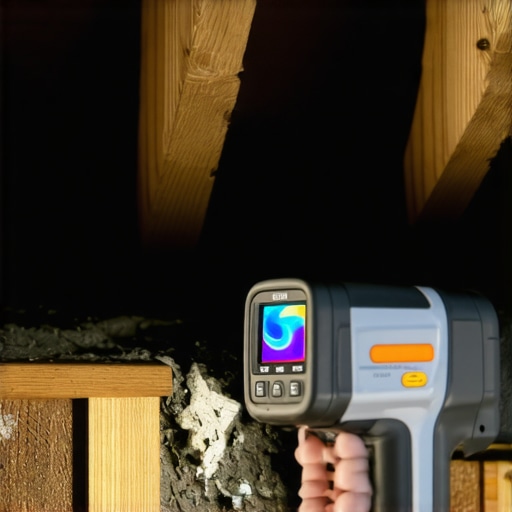
One tool that changed my DIY game was a basic thermal imaging camera. You don’t need a thousand-dollar rig; a simple smartphone attachment works wonders. By scanning the length of the line set, I can see the exact ‘thermal bridges’ where my insulation is too thin or compressed. It looks like a bright blue leak on the screen, showing me exactly where the heat is sneaking in. Using this method allows me to target my repairs instead of re-insulating the whole twenty-foot run. If you see deep blue spots on your ceiling through the lens, it’s time to stop DIYing and look into same day appliance repair quick solutions with warranty support before that drywall turns into mush.
How can I keep my AC lines dry for the long haul?
Long-term success comes down to an annual ‘squeeze test.’ Every spring, I crawl up there and gently squeeze the insulation. If it feels crunchy or stiff, the material has degraded and lost its R-value. If it feels soggy, you have a vapor barrier breach that’s been slow-cooking a problem for months. Don’t wait for the stain to appear on the ceiling. You should also ensure your unit was set up correctly from the start by checking for fast trustworthy appliance installation near you. Proper installation includes the right pitch for the lines and high-quality armaflex that doesn’t crumble after one season of attic heat. According to the Air Conditioning Contractors of America (ACCA) in their Manual J standards, improper insulation thickness for the local climate is one of the leading causes of preventable moisture damage in residential retrofits.
Looking ahead, I predict we are going to see more smart-home integration for these ‘dumb’ copper pipes. We are already seeing the rise of Bluetooth-enabled leak detectors, but the next step is integrated moisture sensors built directly into the insulation sleeves. These will ping your phone the second they detect a humidity spike under the foam. For now, we have to rely on our own vigilance and warranty-backed appliance services you can rely on to keep things running. If you’re tired of the drip-drip-drip, I challenge you to go up there this weekend with a flashlight and a roll of high-quality foam tape. Seal just one joint properly and see the difference it makes in your peace of mind. Have you checked your attic lines lately? Go take a look and let me know if you found any ‘sweat’ in the comments!
Small Air Gaps Cause Big Financial Headaches
The single most important lesson I’ve learned from years of home maintenance is that moisture is patient. You might think a tiny one-inch gap at the end of your insulation won’t matter, but that’s exactly where the condensation starts to migrate. I once ignored a small gap near the air handler, only to find that the water had traveled six feet down the inside of the foam and rotted a floor joist. This is why I always advocate for total encapsulation. If you find yourself in over your head, remember that affordable same day appliance fixes with warranty benefits can save you from the cascading costs of water damage. Don’t just look for a quick wrap; look for a complete vapor barrier that treats the pipe like a sealed vacuum system. If you notice other issues while you’re at it, like the strange reason your ac smells like dirty socks, handle them both at once to keep your air quality high and your attic dry.
Gear That Actually Stops the Drip
I don’t waste my time with the generic hardware store foam anymore. If you want this to be the last time you climb into the attic, you need the right arsenal. First, Closed-Cell Elastomeric Foam (often called Armaflex) is non-negotiable because it doesn’t absorb water like cheaper polyethylene. Second, get a Digital Psychrometer; knowing your attic’s dew point tells you exactly how thick your insulation needs to be to prevent sweating. Finally, if you are unsure if your repair is holding, you should know what to expect from same day appliance repair experts in terms of diagnostic tools like thermal cameras. These professionals can spot a leak in your vapor barrier that the human eye would miss for months. #IMAGE_PLACEHOLDER_E#
No More Stains on the Horizon
Solving the mystery of AC suction line sweating isn’t just about protecting your drywall; it’s about taking control of your home’s efficiency and longevity. Every drop of water that falls off that pipe is energy you paid for that didn’t reach your vents. By sealing those lines properly and learning how to maximize your appliance warranty during emergency repairs, you turn a potential disaster into a minor weekend win. Don’t let a simple piece of copper pipe dictate the health of your home. Take the time to do it right, check your seals annually, and sleep better knowing your ceiling is safe. Have you ever discovered a ‘mystery drip’ that turned out to be a simple insulation fix? Let me know about your DIY wins or fails in the comments below!