
I remember the first time it happened to me. It was a Tuesday night, and my daughter’s soccer uniform was soaking wet. I tossed it in the dryer, turned the dial, and… nothing. The machine spun, but the air stayed ice-cold. I felt that pit in my stomach—the one that says, ‘There goes five hundred bucks on a new machine.’ I spent the next hour frantically searching for my [warranty-backed appliance services](https://discountappliancehub.com/warranty-backed-appliance-services-you-can-rely-on) paperwork, convinced the heating element had finally given up the ghost. But here is the kicker: it wasn’t broken. It was just ‘resting.’
Your Dryer Is Not Dead, It Is Just Overprotective
Most of us assume the worst when the heat vanishes. I once made the massive mistake of ordering a $150 heating element before even checking the basics. It sat in my garage for months because the actual culprit was a tiny, ten-cent-sized button. Modern dryers are smart—sometimes too smart for their own good. They have a thermal limit switch designed to kill the power to the heater if things get too hot. It is a safety measure to prevent [your dryer vent from becoming a stealth fire hazard](https://discountappliancehub.com/why-your-dryer-vent-is-a-stealth-fire-hazard-in-your-home). If your [lint trap cleaning](https://discountappliancehub.com/the-lint-trap-trap-why-cleaning-the-screen-is-not-enough) has been a bit lax, or if you still need a [rigid metal vent for safety](https://discountappliancehub.com/why-your-new-dryer-needs-a-rigid-metal-vent-for-safety), that heat builds up fast.
Is This Reset Button Actually Real or Just a Myth?
I know it sounds too easy. You are probably thinking, ‘If it were that simple, why wouldn’t the manual tell me?’ The truth is, manufacturers would often rather you pay for [fast, trustworthy appliance installation](https://discountappliancehub.com/fast-trustworthy-appliance-installation-near-you) or a professional service call. But according to data from the National Fire Protection Association (NFPA), nearly 1 in every 22 home fires starts with a dryer—usually due to lint buildup. That little switch is the only thing standing between a cold load of jeans and a much bigger problem. It is real, it is accessible, and today I am going to help you find it. We are going to stop that [squeaking like a rusty gate](https://discountappliancehub.com/how-to-stop-your-dryer-from-squeaking-like-a-rusty-gate) and get the heat back where it belongs. Have you ever felt that sinking feeling when the dryer stays cold? Tell me about your most frustrating appliance fail in the comments! [image_placeholder]
Flip the Machine and Get to Work
To get your heat back, you need to think like a detective. You are not just looking for a broken part; you are looking for a safety gate that slammed shut. Before you do anything else, you must pull that dryer away from the wall to access the ‘organs’ of the machine.
Kill the Power Before You Touch Anything
Working on a dryer with the cord still plugged in is like trying to change a fan belt while the engine is idling—it is a dangerous recipe for a trip to the ER. Unplug it completely. If your dryer is hardwired, flip the breaker at the main panel. I once skipped this step because I was ‘in a rush’ and got a jolt that felt like a mule kicked my arm. It was a painful mistake that taught me to respect the 240 volts running through these machines.
Where They Hide the Magic Button
On most electric models, you need to unscrew the back panel. Take a deep breath; it is just a dozen small hex-head screws. Once that panel is off, you are looking for a small, silver or white component about the size of a quarter, usually mounted directly on the heater housing. This is your thermal limit switch, the guardian of your laundry room safety. 
Resurrecting the Heat with One Click
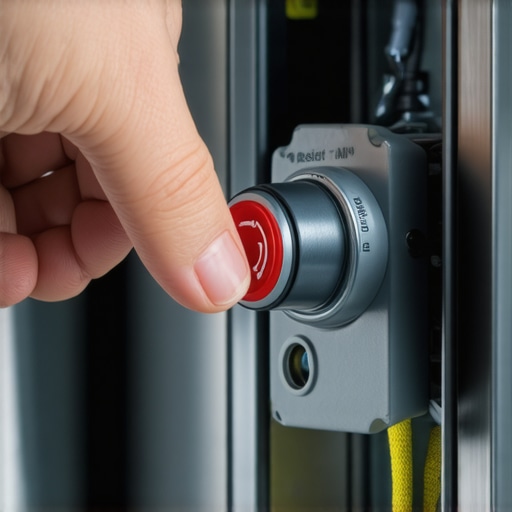
If the center of that switch has a tiny red or black button, you are in luck. This is the manual reset that most people never know exists.
The Satisfying Snap of Success
Press that button with your thumb. If you hear a distinct, mechanical ‘click,’ you just saved yourself a $150 service call. That click means the circuit was broken by an overheat event and you have now closed it again. However, if the button feels mushy or won’t stay down, the switch itself might be fried, and you will need affordable same-day appliance fixes with warranty benefits to get a replacement part installed correctly.
Why This Happened in the First Place
A tripped switch is a symptom, not the disease. The real villain is almost always restricted airflow.
Stop Feeding the Dust Bunnies
When I finally reset my switch that Tuesday night, I decided to look inside the flexible vent hose. I found enough lint to fill a small pillowcase. This is why the lint trap trap is so dangerous; it gives you a false sense of security while the internal guts of the machine choke on debris. If the air can’t get out, the heat stays in, and the switch trips to prevent your home from becoming a statistic.
Invest in Better Venting
If your current vent looks like a flimsy foil slinky, replace it immediately. You should check out why your new dryer needs a rigid metal vent for safety to understand how much of a difference a smooth, solid pipe makes for airflow. While you have the tools out, consider learning the moisture sensor trick for perfectly dry laundry every time to ensure you aren’t overworking the heating element and causing it to overheat again.
People often think a warranty is a golden ticket, but in the world of modern appliances, it is more like a legal chess match. In my experience, relying solely on the manufacturer for help is a recipe for three-week wait times and automated hold music. They often outsource to the lowest bidder who might not even carry the right tools for a specific heating element. That is why I always recommend looking for warranty-backed appliance services you can rely on that actually have local technicians ready to move immediately.
Why Your Warranty Isn’t Always a Safety Net
Most homeowners assume that if a part breaks, it is covered. Period. But there is a massive ‘Oops’ factor most people miss: the maintenance void. If you cannot prove you have been taking care of the machine, they will blame you for the failure. I have seen claims for expensive control boards denied simply because the owner did not have the maintenance receipt you must save for future claims. You need to understand the fine print that voids your fridge protection plan or your dryer coverage before you find yourself paying out of pocket for a ‘covered’ repair.
Why ‘No Fault Found’ Is Your Most Expensive Mistake
Have you ever called for a repair, only for the machine to work perfectly the moment the tech walks in? This is the ‘intermittent failure’ trap. If a technician cannot replicate the issue, many warranty companies will label it ‘No Fault Found’ and stick you with a trip charge ranging from $99 to $200. To avoid this, record a video of the appliance failing—showing the error code or the strange noise—before you call for scheduling your appliance repair for same-day service in 2025. According to data from the Association of Home Appliance Manufacturers (AHAM), documented evidence like video or photos is the single most effective way to bypass ‘No Fault’ denials and ensure a successful claim. 
Stop Handing Manufacturers a Reason to Deny You
Another nuance people get wrong is the difference between a manufacturer’s defect and an installation error. You might think you saved a bundle with a DIY setup, but if you did not follow how to ensure reliable appliance installation in 2025 protocols, any leak or short circuit will be blamed on your handiwork. The warranty specifically excludes ‘improper installation.’ This is why getting fast, trustworthy appliance installation is actually an investment in your future coverage.
Don’t Trust the ‘Free’ Replacement Myth
Finally, be wary of third-party contracts that promise the moon. You need to know why some extended warranty plans are better than others because some are just middle-men with no actual service network. They are the ones most likely to trigger the reasons why third-party warranty companies deny legitimate claims. Before you sign anything, or before you pay for a suspicious repair, learn how to spot a shady appliance repair quote. Have you ever fallen into this trap? Let me know in the comments! Getting your heat back is one thing, but keeping your warranty intact is where the real experts win.
I remember the first time it happened to me. It was a Tuesday night, and my daughter’s soccer uniform was soaking wet. I tossed it in the dryer, turned the dial, and… nothing. The machine spun, but the air stayed ice-cold. I felt that pit in my stomach—the one that says, ‘There goes five hundred bucks on a new machine.’ I spent the next hour frantically searching for my warranty-backed appliance services paperwork, convinced the heating element had finally given up the ghost. But here is the kicker: it wasn’t broken. It was just ‘resting.’
Your Dryer Is Not Dead, It Is Just Overprotective
Most of us assume the worst when the heat vanishes. I once made the massive mistake of ordering a $150 heating element before even checking the basics. It sat in my garage for months because the actual culprit was a tiny, ten-cent-sized button. Modern dryers are smart—sometimes too smart for their own good. They have a thermal limit switch designed to kill the power to the heater if things get too hot. It is a safety measure to prevent your dryer vent from becoming a stealth fire hazard. If your lint trap cleaning has been a bit lax, or if you still need a rigid metal vent for safety, that heat builds up fast.
Is This Reset Button Actually Real or Just a Myth?
I know it sounds too easy. You are probably thinking, ‘If it were that simple, why wouldn’t the manual tell me?’ The truth is, manufacturers would often rather you pay for fast, trustworthy appliance installation or a professional service call. But according to data from the National Fire Protection Association (NFPA), nearly 1 in every 22 home fires starts with a dryer—usually due to lint buildup. That little switch is the only thing standing between a cold load of jeans and a much bigger problem. It is real, it is accessible, and today I am going to help you find it. We are going to stop that squeaking like a rusty gate and get the heat back where it belongs. Have you ever felt that sinking feeling when the dryer stays cold? Tell me about your most frustrating appliance fail in the comments! [image_placeholder]
Flip the Machine and Get to Work
To get your heat back, you need to think like a detective. You are not just looking for a broken part; you are looking for a safety gate that slammed shut. Before you do anything else, you must pull that dryer away from the wall to access the ‘organs’ of the machine.
Kill the Power Before You Touch Anything
Working on a dryer with the cord still plugged in is like trying to change a fan belt while the engine is idling—it is a dangerous recipe for a trip to the ER. Unplug it completely. If your dryer is hardwired, flip the breaker at the main panel. I once skipped this step because I was ‘in a rush’ and got a jolt that felt like a mule kicked my arm. It was a painful mistake that taught me to respect the 240 volts running through these machines.
Where They Hide the Magic Button
On most electric models, you need to unscrew the back panel. Take a deep breath; it is just a dozen small hex-head screws. Once that panel is off, you are looking for a small, silver or white component about the size of a quarter, usually mounted directly on the heater housing. This is your thermal limit switch, the guardian of your laundry room safety.
Resurrecting the Heat with One Click
If the center of that switch has a tiny red or black button, you are in luck. This is the manual reset that most people never know exists.
The Satisfying Snap of Success
Press that button with your thumb. If you hear a distinct, mechanical ‘click,’ you just saved yourself a $150 service call. That click means the circuit was broken by an overheat event and you have now closed it again. However, if the button feels mushy or won’t stay down, the switch itself might be fried, and you will need affordable same-day appliance fixes with warranty benefits to get a replacement part installed correctly.
Why This Happened in the First Place
A tripped switch is a symptom, not the disease. The real villain is almost always restricted airflow.
Stop Feeding the Dust Bunnies
When I finally reset my switch that Tuesday night, I decided to look inside the flexible vent hose. I found enough lint to fill a small pillowcase. This is why the lint trap trap is so dangerous; it gives you a false sense of security while the internal guts of the machine choke on debris. If the air can’t get out, the heat stays in, and the switch trips to prevent your home from becoming a statistic.
Invest in Better Venting
If your current vent looks like a flimsy foil slinky, replace it immediately. You should check out why your new dryer needs a rigid metal vent for safety to understand how much of a difference a smooth, solid pipe makes for airflow. While you have the tools out, consider learning the moisture sensor trick for perfectly dry laundry every time to ensure you aren’t overworking the heating element and causing it to overheat again.
People often think a warranty is a golden ticket, but in the world of modern appliances, it is more like a legal chess match. In my experience, relying solely on the manufacturer for help is a recipe for three-week wait times and automated hold music. They often outsource to the lowest bidder who might not even carry the right tools for a specific heating element. That is why I always recommend looking for warranty-backed appliance services you can rely on that actually have local technicians ready to move immediately.
Why Your Warranty Isn’t Always a Safety Net
Most homeowners assume that if a part breaks, it is covered. Period. But there is a massive ‘Oops’ factor most people miss: the maintenance void. If you cannot prove you have been taking care of the machine, they will blame you for the failure. I have seen claims for expensive control boards denied simply because the owner did not have the maintenance receipt you must save for future claims. You need to understand the fine print that voids your fridge protection plan or your dryer coverage before you find yourself paying out of pocket for a ‘covered’ repair.
Why ‘No Fault Found’ Is Your Most Expensive Mistake
Have you ever called for a repair, only for the machine to work perfectly the moment the tech walks in? This is the ‘intermittent failure’ trap. If a technician cannot replicate the issue, many warranty companies will label it ‘No Fault Found’ and stick you with a trip charge ranging from $99 to $200. To avoid this, record a video of the appliance failing—showing the error code or the strange noise—before you call for scheduling your appliance repair for same-day service in 2025. According to data from the Association of Home Appliance Manufacturers (AHAM), documented evidence like video or photos is the single most effective way to bypass ‘No Fault’ denials and ensure a successful claim.
Stop Handing Manufacturers a Reason to Deny You
Another nuance people get wrong is the difference between a manufacturer’s defect and an installation error. You might think you saved a bundle with a DIY setup, but if you did not follow how to ensure reliable appliance installation in 2025 protocols, any leak or short circuit will be blamed on your handiwork. The warranty specifically excludes ‘improper installation.’ This is why getting fast, trustworthy appliance installation is actually an investment in your future coverage.
Don’t Trust the ‘Free’ Replacement Myth
Finally, be wary of third-party contracts that promise the moon. You need to know why some extended warranty plans are better than others because some are just middle-men with no actual service network. They are the ones most likely to trigger the reasons why third-party warranty companies deny legitimate claims. Before you sign anything, or before you pay for a suspicious repair, learn how to spot a shady appliance repair quote. Have you ever fallen into this trap? Let me know in the comments! Getting your heat back is one thing, but keeping your warranty intact is where the real experts win.
The Three Tools I Never Start a Repair Without
If you are serious about avoiding the ‘No Fault Found’ bill, you need more than just a screwdriver and hope. I keep a dedicated ‘Appliance Survival Kit’ in my laundry room. The most important thing in there is not even a tool—it is a simple $20 digital multimeter. I use it to test for ‘continuity,’ which is just a fancy way of saying the electrical path is not broken. If that thermal switch we talked about is dead, electricity will not pass through it. If the meter does not beep when you touch the probes to the terminals, the part is bad. It is that simple. Most people skip this and just start throwing parts at the problem, which is the fastest way to double your repair costs. You also need a set of nut drivers. Most modern dryers and washers use 1/4 inch or 5/16 inch hex-head screws for almost everything. If you try to use a flathead or a pair of pliers, you will strip the heads and turn a 20-minute job into a nightmare. Finally, I never start a deep clean without a high-suction shop vacuum and a flexible 36-inch crevice tool. I have learned the hard way that having the right expert guide to appliance repair and installation today means having the right torque and cleaning power at your fingertips.
How do I maintain my machines over the long haul?
Maintaining an appliance is not just about cleaning the lint trap. You have to think about the ‘invisible’ components. For your fridge, that means pulling it out every six months. I swear by the refrigerator coil trick that slashes your electric bill—vacuuming those dusty coils can stop the compressor from running 24/7 and dying early. For the dryer, it is about checking that back vent. According to the InterNational Association of Certified Home Inspectors (InterNACHI), a dryer’s life expectancy drops significantly if the exhaust line is not cleaned annually, as backpressure strains every single moving part including the belt and motor. 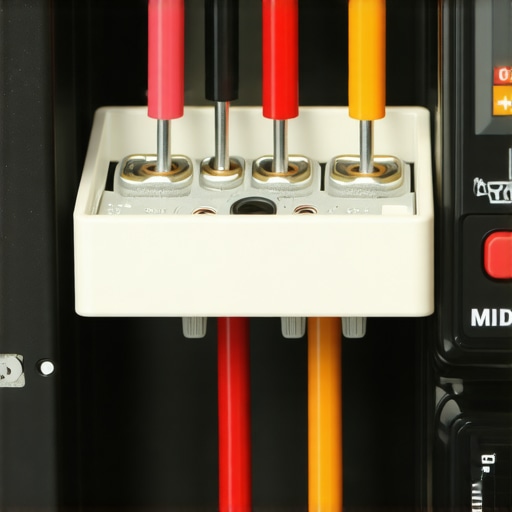
Predicting the Death of the Service Call
We are entering an era where you won’t need to guess why your washer is screaming. Many new LG and Samsung models already have ‘Smart Diagnosis’ where the machine plays a series of tones to your phone, and the app tells you exactly which sensor failed. In the next five years, I expect this to become the standard for scheduling your appliance repair for same-day service in 2025. We are moving toward a ‘predictive maintenance’ model where your smart hub will notify you that a bearing is wearing out before you even hear the first squeak. Instead of a tech coming out to ‘diagnose,’ they will arrive with the part already in hand because your fridge already emailed the service center. Until that becomes universal, you still need to be your own first responder. Keep the maintenance receipt you must save for future claims in a folder on your fridge. If you ever need to pivot and use top-tips for same-day service warranty coverage, having that paper trail is your only real leverage against a denied claim. Try this today: Grab a vacuum with a crevice tool and spend five minutes cleaning under your fridge. It sounds small, but it is the difference between a machine that lasts 15 years and one that dies at seven.
The Hardest Lesson I Learned About DIY Maintenance
If there is one thing I have learned after years of wrestling with heating elements and clogged vents, it is that appliances are not out to get you—they are just reacting to their environment. I used to think a cold dryer meant a trip to the appliance store, but the biggest ‘lightbulb moment’ for me was realizing that most failures are cries for help regarding airflow. You can save a fortune by simply listening to what your machine is telling you through its heat cycles. I also learned that the reason your warranty claim was denied often boils down to a lack of a paper trail. Now, I treat my maintenance receipts like gold bullion because they are the only things that keep manufacturers honest when it is time for affordable same-day appliance fixes with warranty benefits.
My No-Fail Toolkit for Home Repairs
You do not need a garage full of professional machinery to keep your home running smoothly. Over time, I have narrowed my ‘survival kit’ down to a few essentials that never let me down. First, a digital multimeter is non-negotiable for testing continuity; it turns guesswork into science. Second, a 36-inch flexible crevice tool for your vacuum is the only way to truly defeat the lint that hides deep in the machine’s belly. For everything else, I rely on an expert guide to appliance repair and installation today to ensure I am not accidentally voiding my coverage with a silly mistake. These tools pay for themselves the very first time you avoid a $100 service call just to have someone else push a button.
Reclaim Your Peace of Mind
Standing in front of a broken appliance can feel overwhelming, but remember that you are in the driver’s seat. Whether you are performing a simple manual reset or scheduling your appliance repair for same-day service in 2025, taking proactive steps today prevents a domestic crisis tomorrow. Do not let the fear of ‘breaking it further’ stop you from performing basic upkeep that extends the life of your machines. You have the knowledge, the tools, and the plan to keep your home running efficiently without breaking the bank. Have you ever discovered a ‘secret’ button or fix that saved you a massive repair bill? Let me know in the comments below!