
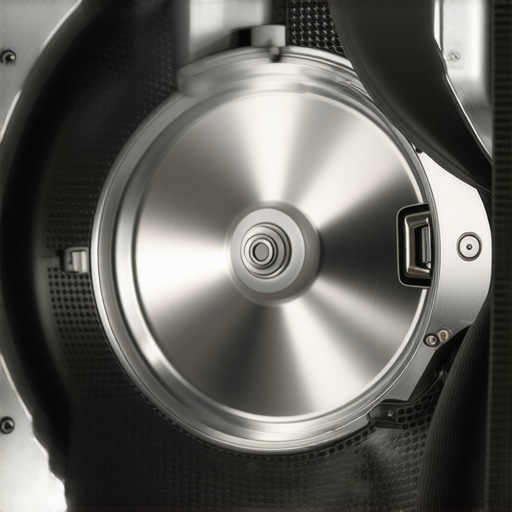
I was sitting in my living room last Tuesday, trying to enjoy a rare moment of silence, when my laundry room started sounding like a flock of frantic seagulls was trapped inside. It wasn’t just a minor annoyance; it was a high-pitched, metallic protest that vibrated through the floorboards. I honestly thought the drum was about to launch itself through the drywall. My first instinct, like many of yours might be, was to jump on my phone and search for fast, trustworthy appliance installation near you because I assumed the machine was toast. But then I took a breath. I’ve been under the hood of enough machines to know that a screaming washer usually isn’t a death sentence—it’s a plea for a simple adjustment. Have you ever been woken up by your washer sounding like a jet engine, or are you just starting to hear that rhythmic ‘chirp’ during the spin cycle? If so, you’re in the right place because we’re going to fix that together today.
The Tiny Component That Ruins Your Peace and Quiet
The truth is, that ear-piercing squeak is rarely a sign of a motor failure. Most of the time, it is a cry for help from the drive pulley. When the pulley loses its perfect alignment, the drive belt starts to rub, fray, and eventually, scream like a banshee. Think of it like a car tire that’s out of alignment; it’ll still roll, but it’s going to make a hell of a noise and wear out way too fast. I’m going to show you exactly how to diagnose this and realign the system without waiting three days for a technician to show up. We’re going to get your peace and quiet back by focusing on the one mechanical component people overlook most: the pulley track. While some folks focus on the one screwdriver turn that levels a rattling washer to stop vibrations, that won’t help you if the metal is rubbing. You need to look deeper.
Is a DIY Pulley Fix Actually Worth the Effort?
You might be thinking, “I’m not exactly a mechanic, should I even be touching the internal belt system?” I completely get that hesitation. Early in my DIY journey, I made the classic rookie mistake of spraying WD-40 directly onto the drive belt, thinking it would “silence” the friction. That was a disaster. It made the belt slip, the drum stopped spinning entirely, and I ended up having to learn how to document a dead-on-arrival appliance because I thought I’d broken it for good. It turns out, that most “squeaks” are mechanical alignment issues, not lubrication problems. According to data from Consumer Reports, noise is one of the top three complaints for modern laundry appliances, and a misaligned pulley is a frequent culprit that doesn’t actually require a full machine replacement if caught early. By taking thirty minutes to check the alignment now, you aren’t just stopping a noise; you are preventing the belt from snapping and saving yourself a much more expensive repair down the road. If you’ve dealt with similar issues on other machines, like the simple fix for a squeaky dryer drum, you’ll find the logic here is very similar.
Kill the Power and Open the Hood
Before you even touch a wrench, you have to cut the power. I cannot stress this enough. I once saw a guy try to ‘live-test’ a belt tensioner and nearly lose a finger when the motor kicked in unexpectedly. Unplug the machine and move it away from the wall so you have room to breathe. Depending on your model, you’ll likely need to remove the back panel or, for some front-loaders, the bottom access plate. If you aren’t sure how to get in there, consulting an expert guide to appliance repair and installation today can save you from accidentally snapping a plastic clip you didn’t know existed. Think of this stage like preparing for surgery; you want a clean, well-lit workspace and all your nut drivers laid out within reach.
How to Spot the Tell-Tale Signs of Belt Friction
Once you’re inside, look for ‘the black dust of death.’ This is essentially pulverized rubber from your drive belt. If you see a fine black soot coating the floor of the cabinet or the motor housing, your pulley is definitely out of alignment. I remember working on a neighbor’s machine last summer where the dust was so thick I thought the motor had caught fire. In reality, the pulley was just tilted by about three degrees, causing the belt to shave itself down every time it spun. If you don’t see dust but the noise persists, check for a shiny, polished look on the edges of the belt. This indicates it’s rubbing against the pulley flange rather than riding in the groove. If the noise is more of a thud than a squeak, you might actually be dealing with why your washing machine bangs loudly during the spin cycle, which is usually a suspension issue rather than a drive-train problem.
The Alignment Trick That Saves Your Motor
To fix the squeak, you need to loosen the mounting bolts on the motor or the idler pulley bracket just enough so they can move, but not so much that they wiggle freely. The goal is to align the belt so it sits perfectly centered on the pulley track. Use a straight-edge or even a piece of string to ensure the motor pulley and the large drum pulley are on the exact same plane. If they are even slightly staggered, the belt will ‘climb’ the side of the pulley and scream. This is very similar to the simple fix for a squeaky dryer drum where the rollers and belt must be perfectly parallel to avoid friction. Once you’ve aligned them, tighten the bolts in a star pattern to ensure the bracket doesn’t shift as you apply torque.
Spin the Drum by Hand Before Reassembling
Before you put the panels back on, give the drum a few good rotations by hand. Watch the belt. Does it stay centered? Does it try to walk toward the front or back? If it stays put and moves silently, you’ve nailed it. If it still chirps, the belt itself might be glazed from the previous heat and friction, and you’ll need a replacement. Don’t be tempted to use ‘belt dressing’ sprays; they are a temporary fix that eventually gums up the works. If you find yourself in over your head, remember that same day appliance repair quick solutions with warranty support are available to ensure you don’t spend your entire weekend fighting a machine that won’t cooperate. Handling this yourself is rewarding, but knowing when to call for fast trustworthy appliance installation near you is the mark of a smart homeowner.
While fixing that squeaky pulley ourselves is a great win, there comes a point where even the most dedicated DIYer considers calling in the cavalry. But let’s dig deeper into the world of professional service, because what most people get wrong about ‘speed’ can actually cost them hundreds in the long run. Everyone seems to think that ‘same-day’ is the gold standard of service. In my experience, however, an obsession with immediate arrival is often a trap. When you are scheduling your appliance repair for same-day service in 2025, you have to be careful that you aren’t just paying for a glorified courier. The most skilled technicians are rarely sitting by the phone waiting for it to ring; they are usually booked out because they do the job right the first time. If a company promises to be there in an hour, they might be sending a ‘diagnostic-only’ tech who lacks the specific parts for your high-end model, leading to multiple service fees for a single fix.
Don’t Let Your Maintenance Records Vanish
The real ‘oops’ factor I see homeowners fall into isn’t the repair itself, but the lack of a paper trail. You might successfully realign your washer, but if you don’t document your maintenance, you are essentially handing the manufacturer a ‘get out of jail free’ card. I’ve seen countless homeowners get their claims denied because they couldn’t prove they performed basic upkeep. For instance, if your fridge compressor dies but the coils are caked in pet hair, the inspector will almost certainly cite ‘owner neglect.’ This is one of the most common reasons your warranty claim was denied. According to a report by the National Association of Service Managers (NASM), lack of proper maintenance documentation remains the leading cause for disputed claims in the secondary appliance market. Always keep the maintenance receipt you must save for future claims in a dedicated folder, even if the work was a simple DIY filter change.
Why Do Some Extended Warranty Plans Fail When You Need Them Most?
This is a question I get from savvy readers all the time. It usually boils down to the ‘consequential damage’ clause. Most people assume a warranty is an ironclad shield, but many plans only cover the failed part, not the damage it caused. If a faulty valve floods your kitchen, the warranty might replace the $30 valve but leave you with $10,000 in water damage. Before you buy, you need to understand the wear and tear clauses that might void your warranty. Some lower-tier plans even exclude electronic control boards if the failure is attributed to a power surge rather than a mechanical defect. Knowing exactly what an extended warranty really covers when your ac quits or your washer dies is the only way to avoid a financial headache. If you’re feeling overwhelmed by the fine print, consulting an expert guide to appliance repair and installation today can help you decode the industry jargon. Have you ever fallen into this trap where a ‘covered’ repair ended up costing you out of pocket? Let me know in the comments—I’ve heard some absolute horror stories and might be able to help you navigate the appeal. If you decide the professional route is safer, look for affordable same-day appliance fixes with warranty benefits that explicitly state they cover both parts and labor for the long haul.
To keep your household running without a hitch, you need more than just a basic toolbox; you need a strategy. I’ve found that the difference between a ten-year appliance lifespan and a three-year disaster usually comes down to three pounds of pressure and a $20 tool. If you are serious about DIY, stop using those cheap, unbranded multimeters from the bargain bin. I personally swear by the Fluke 117 because of its non-contact voltage detection and True-RMS capabilities, which are essential when you’re trying to figure out if a control board is actually fried or if you just have ‘dirty’ power coming from the wall. This level of precision is exactly what I discuss in my expert guide to appliance repair and installation today. Relying on vague readings is how you end up replacing perfectly good parts while the real culprit—usually a loose ground or a failing capacitor—continues to wreak havoc.
How can I keep my appliances running efficiently over the long haul?
Maintenance isn’t a one-time event; it’s a rhythm. For example, every six months, I pull my fridge out to vacuum the coils. It sounds tedious, but the refrigerator coil trick that slashes your electric bill is the single most effective way to prevent compressor burnout. The Association of Home Appliance Manufacturers (AHAM) recently highlighted that nearly 25% of energy waste in older refrigerators comes specifically from dirty condenser coils and degraded door seals—issues that are often overlooked until a total failure occurs. Beyond cleaning, you should be checking your washing machine hose for tiny cracks or bubbles. These hoses are literal ticking time bombs that can cause thousands in water damage in minutes. If you aren’t comfortable doing these deep dives yourself, investing in warranty-backed appliance services you can rely on ensures that a professional eye catches the wear and tear you might miss.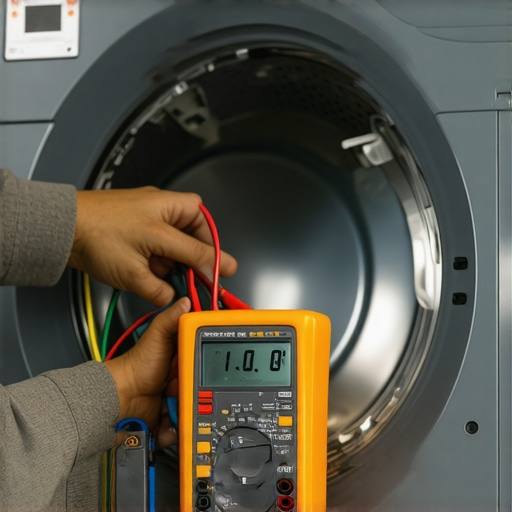
The Move Toward Predictive Smart Diagnostics
Looking ahead, the ‘guesswork’ of appliance repair is quickly becoming a thing of the past. We are entering an era where your washer won’t just break; it will send a push notification to your phone weeks in advance, warning you that the bearing friction is increasing. I’m already seeing this with high-end LG and Samsung units that use ‘ThinQ’ or ‘SmartThings’ to run self-diagnostic loops. In 2025, scheduling your appliance repair for same-day service will likely involve you uploading a diagnostic log file directly to the technician before they even leave the shop. This means they arrive with the exact part needed, eliminating the dreaded ‘second visit.’ However, even the smartest machine can’t fix itself. You still need to ensure reliable appliance installation from day one to make sure those sensors are calibrated correctly. My advanced tip for today: go buy a flexible condenser brush and use it on your fridge coils this weekend; it’s the cheapest ‘insurance policy’ you’ll ever buy. If you run into a snag that a brush can’t fix, don’t hesitate to contact us for more specific troubleshooting advice tailored to your model.
Hard Truths from a Decade of Dirty Hands
One thing I’ve learned is that the most expensive repair is the one you have to do twice. I see many homeowners rushing to find what to expect from same-day appliance repair experts without first checking if the technician actually has access to OEM parts for their specific high-end brand. Another lightbulb moment for me was realizing that your greatest asset isn’t a wrench—it’s the document most people forget before calling service. Without that original installation receipt or a digital maintenance log, even the most comprehensive warranty becomes a struggle to claim. Finally, always trust your gut; if a professional doesn’t check the ground wire or level the machine before diagnosing a ‘dead’ motor, they might just be fishing for a higher bill.
The Gear That Separates Pro Fixes from Temporary Patches
If you want to move beyond basic troubleshooting and ensure your machines last for the next decade, you need to upgrade your toolkit and your knowledge base. I always recommend starting with an expert guide to appliance repair and installation today to truly understand the electrical physics behind modern sensors. For physical safety, every laundry room should be upgraded with a rigid metal vent for safety to prevent lint fires, as the foil flexible tubes are notorious for trapping heat. I also swear by keeping a bottle of non-conductive electrical contact cleaner on hand; you would be surprised how many ‘faulty’ control boards are actually just victims of a little carbon buildup on the pins that a simple spray can resolve in seconds.
Take Back Control of Your Home Systems
You don’t need to be a master technician to keep your household running without a hitch; you just need to be observant and proactive. Whether you are tackling a squeaky pulley yourself or vetting a professional for fast trustworthy appliance installation near you, the power is always in your hands when you have the right information. Don’t let a piece of machinery dictate your peace of mind or drain your savings. Start with one small maintenance task this weekend—like cleaning those fridge coils or checking your washer hoses—and see how much more reliable your home becomes. Have you ever successfully talked a warranty provider out of a claim denial after they tried to use a technicality? I’d love to hear your success stories in the comments below!