
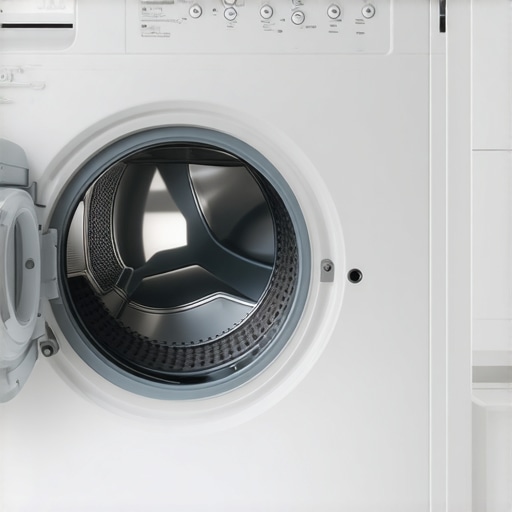
It was a typical Saturday morning when I heard it—an ear-splitting squeal emanating from my laundry room. At first, I thought a jet engine had somehow sneaked into my house! Turns out, my trusty dryer had decided to audition for a movie about fighter jets, and I was the unwitting audience. That moment of frustration turned into a lightbulb moment for me. I realized many homeowners overlook the simple yet critical issue of a squealing dryer, often dismissing it as a minor nuisance or an unavoidable inconvenience.
Let’s Face It: That Noise Isn’t Just Annoying—It’s a Warning Sign
That shrieking sound your dryer makes isn’t just a loud annoyance; it’s your appliance’s way of waving a red flag. Left unaddressed, it can lead to more costly repairs or even a complete breakdown. From my personal experience, neglecting that telltale squeal resulted in a much more expensive fix, which could have been avoided with a bit of proactive maintenance. Today, I promise to guide you through the steps to identify the cause of that deafening screech and how to fix it swiftly, saving you both time and money. We’ll explore common issues like worn bearings, faulty rollers, or a misaligned drum—problems I’ve faced myself and learned to tackle confidently.
Is It Really Worth Fixing, or Should I Just Replace the Dryer?
This is the question many folks ask when their appliance starts making strange noises. Here’s a surprising fact: according to the U.S. Department of Energy, repairing an appliance can often be more cost-effective than replacing it, especially if addressed early. During my early days trying to fix my old dryer, I made the mistake of waiting too long—thinking a new unit was the only solution. That misstep cost me extra dollars and frustration. Trust me, timely repairs are usually better than immediate replacement, provided you have a skilled technician who can diagnose and fix the problem efficiently. If you’re skeptical, I recommend checking out the [fast and affordable same-day appliance repairs](https://discountappliancehub.com/same-day-appliance-repair-quick-solutions-with-warranty-support) I found that really made a difference in my situation. Now, let’s dive into how you can determine the root cause of that ear-piercing squeal and whether it’s something you can fix yourself or needs professional help.
Assess the Source of the Noise
Start by inspecting your dryer closely. Open the door and rotate the drum manually, feeling for any rough spots or resistance. During my experience fixing my old dryer, I noticed a grinding feel when turning the drum—an early sign of worn bearings. Wearing gloves helps to detect uneven rotation. If the sound persists or there’s wobbling, it’s time to move to the next step.
Unplug and Access the Components
Always unplug the dryer from the power source before attempting repairs. Remove the back panel using a screwdriver; think of it as opening the engine cover of a car. Keep track of screws—small parts like these are easy to lose. Inside, you’ll see the drive belt, rollers, and bearings. My first attempt involved carefully laying out all parts to avoid confusion, which paid off when reassembling.
Identify Worn or Damaged Parts
Inspect the rollers for cracks or flat spots; spin them with your fingers to test for smoothness. Replace any worn rollers by removing the retaining clips. Similarly, check the drum bearings for excessive play or corrosion—these may be the culprits behind the squeal. During my repair, I replaced both the rollers and the bearings together for a long-term fix, noticing a significant reduction in noise afterward.
Replace Faulty Components
Take the faulty parts to a hardware store or order replacements online. When installing, be precise: align the rollers properly and secure all screws tightly. Visualize it as tuning a musical instrument—every part needs to be perfectly in place for optimal performance. My first DIY replacement was messy; I accidentally cross-threaded a screw, but patience and double-checking saved the day. If you’re unsure about this step, consider [professional same-day repair services](https://discountappliancehub.com/same-day-appliance-repair-quick-solutions-with-warranty-support) for quick, warranty-backed assistance.
Test the Dryer Post-Repair
Once reassembled, plug the dryer back in and run a short cycle. Listen for any unusual sounds. If the squealing is gone, you’ve successfully fixed it. Remember, regular maintenance, like cleaning the lint trap and checking components annually, prolongs appliance life. Should the noise persist despite your efforts, it might be time to consult [experienced repair experts](https://discountappliancehub.com/what-to-expect-from-same-day-appliance-repair-experts) for a thorough diagnosis. These professionals can often perform rapid fixes, ensuring your appliance operates quietly and efficiently, and they often offer [warranty support](https://discountappliancehub.com/warranty-backed-appliance-services-you-can-rely-on) to cover future issues.
Many homeowners operate under common assumptions about appliance installation, same-day service, warranties, and repairs—beliefs that can lead to costly mistakes and missed opportunities. Let’s dig deeper into these nuances that often fly under the radar, challenging the conventional wisdom with expert insights and real-world pitfalls.
Why Most People Overlook the Fine Print of Warranties
warranties are often seen as a safety net, but in reality, many consumers are unaware of the detailed exclusions that void coverage. For instance, a reported study by Consumer Reports highlights that over 60% of warranty claims are denied due to overlooked clauses, such as improper installation or unverified maintenance. A common myth is that warranties automatically cover all repairs—however, issues caused by user error or improper installation are frequently excluded. This misconception can lead homeowners to believe they are protected, only to face unexpected out-of-pocket expenses. To truly maximize your warranty benefits, it’s essential to understand their scope and limitations, something I learned the hard way before consulting expert resources like maximizing your appliance warranty during emergency repairs.
The Trap of ‘Fast’ Service and Unrealistic Expectations
Many assume that same-day service is a guarantee of instant fixes, but this often masks supply chain delays or technician availability issues. The false hope of immediate repair can lead to frustration when scheduling slips. Additionally, some providers advertise ’24-hour’ or ‘same-day’ services without clarifying that the initial response might involve diagnostics only, with actual repairs scheduled for later. I’ve witnessed situations where homeowners felt misled because they didn’t read the fine print, resulting in unplanned downtime. To avoid this, it’s crucial to understand what ‘same-day’ truly entails, and I suggest consulting reputable sources like affordable same-day appliance fixes with warranty benefits for transparent service practices.
Installation: More Than Just Plugging In
Proper appliance installation isn’t a mere plug-and-play task—it involves precise alignment, correct wiring, and adherence to manufacturer specifications. A common myth is that DIY installations are quick and cheap, but improperly installed appliances can lead to issues like inefficiency or voided warranties. For example, a poorly grounded dishwasher can pose safety hazards, or misaligned ovens can cause uneven heating. An expert installation can prevent these problems, which is why I recommend relying on professionals who follow established standards, such as those detailed in how-to ensure reliable appliance installation in 2025. Remember, a faulty installation might void your warranty, making future repairs more costly.
The Mistake of Relying Solely on Manufacturer Promises
Buyers often trust that manufacturers will always support their products long-term, but many warranties are limited and don’t cover wear and tear or accidental damage. This is highlighted in a report by the Better Business Bureau, which notes that most extended warranties deny claims for common issues like compressor failures caused by environmental factors. To navigate this, consider supplementing manufacturer warranties with third-party service plans, which can provide broader coverage and quicker response times. For expert advice on this topic, visit top tips for same-day service warranty coverage.
In conclusion, understanding these nuanced pitfalls can save you money and stress, ensuring you get the most out of your appliance investments. Have you ever fallen into this trap? Let me know in the comments.
Ensuring your appliances stay in top shape over time requires more than just occasional repairs; it demands the right tools, a proactive maintenance mindset, and strategic planning. From my personal experience, selecting equipment tailored to your specific needs makes a huge difference in efficiency and longevity.
Investing in Precision Tools for Reliable Repairs
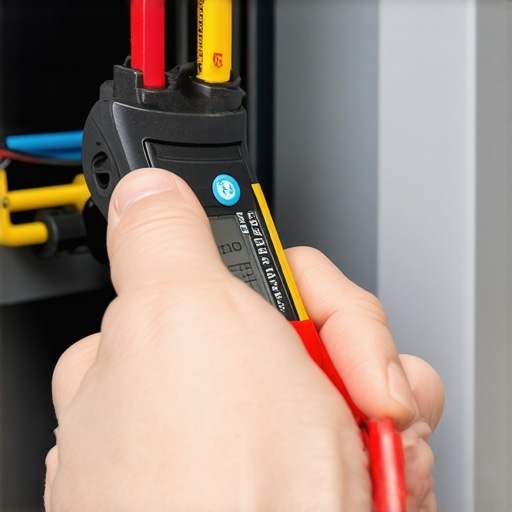
When I tackle appliance maintenance, I rely heavily on a high-quality digital multimeter, such as the Fluke 117. This device allows me to quickly diagnose electrical issues, verify the function of thermal fuses, and ensure components like thermostats and relays are operating correctly. Its accuracy saves me time and prevents unnecessary part replacements. For example, testing a dryer’s thermal fuse with a multimeter can reveal if overheating caused a failure, enabling a precise fix rather than guesswork.
Leveraging Specialized Software for Long-Term Monitoring
In recent years, smart diagnostic tools like the GE SmartHQ app have become invaluable. They provide real-time insights into appliance health, alerting me to anomalies before they escalate into costly repairs. These apps can track usage patterns, filter clogging, and even recommend maintenance schedules. As the Internet of Things (IoT) continues to evolve, integrating these tools can extend the lifespan of your appliances significantly. In the future, I predict that AI-driven diagnostics will become standard, offering predictive maintenance to prevent breakdowns altogether.
How do I maintain appliances over time for optimal performance?
Regular maintenance routines are crucial. I set monthly reminders to clean lint traps, replace filters, and inspect accessible components. Using a simple brush and compressed air for condenser coils or vent pathways can prevent overheating and improve efficiency. Maintaining a detailed maintenance log—either digitally or with a paper record—helps track recurring issues and plan preventive actions. For complex diagnostics, consulting professional experts can save you from costly mistakes, especially when involving hazardous electrical components. Discover more about trustworthy maintenance practices by visiting this comprehensive guide.
Scaling Up Maintenance and Repairs with Time
The key to long-term appliance health is consistency. As I’ve learned, establishing a schedule—say, every three months—helps catch minor issues before they become major failures. When appliances are operated frequently, wear-and-tear accumulates faster, but proactive inspections can extend service life considerably. Moreover, investing in professional calibration or parts replacement when needed (like updating worn rollers or sensors) ensures peak performance. As technology advances, expect tools that automate much of this process, making maintenance almost hands-free in the future. Keep an eye on innovations at trusted local service providers to stay ahead of the curve.
If you’re ready to take your appliance care to the next level, I highly recommend trying the advanced diagnostic techniques discussed here, starting with a quality multimeter and integrating smart monitoring tools. Not only will this optimize performance, but it also provides peace of mind knowing your appliances are well managed. For expert assistance in implementing these strategies, don’t hesitate to contact us through our contact page. Happy maintenance!
The Hardest Lesson I Learned About installation,same-day service,warranty,appliance repair
One of my biggest takeaways is that rushing or overlooking professional installation can lead to unforeseen issues down the line. I once installed a dishwasher myself, skipping the proper leveling and sealing—only to find it leaking during its first cycle. That experience taught me to trust expert installation, which often saves time and money in the long run. Another lesson is that not all warranties are created equal; I used to assume coverage was comprehensive until I read the fine print and learned about exclusions. Knowing what your warranty covers—and more importantly, what it doesn’t—can prevent costly surprises. Additionally, I discovered that same-day service isn’t just a marketing gimmick; with the right resources, you can get quick, reliable help that keeps your routines intact. Lastly, I realized that preventative maintenance, like regular cleaning and minor part checks, can extend appliance lifespan significantly, saving you both stress and expense.