
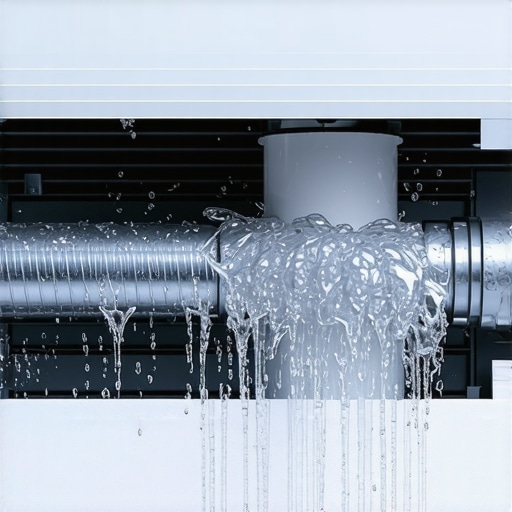
I remember the first scorching summer day when my air conditioner suddenly stopped cooling, and I found myself staring at a little puddle on the floor. That was the moment I realized my condensate line had blocked again. Frustrating, right? That faint drip of water turning into a tiny flood can feel like a personal betrayal from your home’s cooling system. And trust me, it’s a problem many of us face annually, leaving us scratching our heads and staring at repair bills.
Why Your AC Condensate Line Keeps Clogging
One of the biggest headaches homeowners face is the recurring clogging of the condensate drain line. It’s a sneaky little pathway that carries excess moisture from your AC unit outside or into a drain, preventing water from pooling inside your home. But the frustrating part? Debris, mold, and algae love to grow right inside that line, leading to blockages that shut down your AC or cause leaks.
For years, I thought I was just unlucky—that maybe my unit was defective or I needed a new drain pan. But then I discovered it’s usually about neglecting basic maintenance and overlooking common pitfalls. Early on, I made the mistake of ignoring the regular cleaning of the drain line, thinking it would last forever. That was a mistake that cost me time and money.
Here’s the truth: clogged condensate lines are more than just an inconvenience—they can cause water damage, mold growth, and even system failure if left unchecked. The good news? Once I learned the real reasons behind these clogs, I could finally put effective prevention measures into place. And today, I promise to share exactly how you can do the same.
If you’ve ever faced your AC shutting off unexpectedly or noticed water pooling around your unit, you’re not alone. Many homeowners struggle with this, and the fix isn’t as complicated as you might think. To get ahead of this common issue, it’s crucial to understand why it happens and what you can do to stop it before it causes further damage.
But first, let’s tackle the big question that might be on your mind—can this problem be truly solved? Or is it just a matter of constantly battling nature? Well, that’s what we’re here to find out. Keep reading, because next I’ll show you the key reasons behind those persistent clogs and how you can take control of your AC’s health — saving yourself frustration and money in the long run.
Disconnect Power and Access the Drain Line
Start by shutting off your air conditioner at the circuit breaker to ensure safety. Using a screwdriver, remove the access panel near the unit’s drain pan. During my first attempt, I neglected to unplug the unit and accidentally triggered a small shock, teaching me to always prioritize safety before proceeding.
Locate and Clear the Clog
Identify the condensate drain line—it usually looks like a PVC pipe running from your AC to the exterior. I once used a wet/dry vacuum to create suction and dislodge stubborn debris, which worked wonders. Be gentle to avoid damaging the pipe; forcing tools can cause leaks or cracks, costing more repair time.
Flush with Vinegar or Bleach Solution
Mix half a cup of white vinegar or a diluted bleach solution. Pour this into the drain line’s access point or a stub pipe. Allow it to sit for 30 minutes to break down mold, algae, and mineral buildup—common culprits behind recurring clogs. In my experience, this step prevents future blockages by killing off persistent bacterial colonies.
Use a Plumbing Snake for Persistent Clogs
If the clog persists, insert a flexible drain snake into the pipe to break up and extract debris. I once spent extra time feeding the snake gently to avoid damaging the pipe’s walls. This step is crucial for stubborn blockages that vacuum or chemicals can’t clear, saving you from costly service calls.
Reconnect and Test the System
Once cleared, reassemble the access panel, restore power, and run the AC to check for proper drainage. Listen for the sound of water flowing freely. When I did this right the first time, my system ran smoothly, and I avoided the emergency water leak that previously caused damage.
Schedule Regular Maintenance
To prevent future clogs, perform monthly inspections and flush the line with vinegar during peak usage months. If you’re unsure or want professional help, expert same-day repair services can ensure your system stays in top shape, backed by reliable warranty support. Regular maintenance saves money and stops problems before they start, making your home more comfortable all year round.
When it comes to appliance repair, many homeowners operate under common misconceptions that can lead to costly mistakes. Everyone seems to believe that choosing the cheapest service is always the best option, but in my experience, quality and warranty coverage often outweigh price. For example, some people assume that same-day service guarantees a thorough fix, yet a rushed job can overlook underlying issues, resulting in repeated breakdowns. Learning to differentiate between superficial fixes and comprehensive repairs is crucial for long-term appliance health.
Why Do Some Repairs Seem To Only Temporarily Fix the Issue?
Many think that a quick fix or temporary patch is sufficient, but the reality is that appliance problems often have root causes that require a deeper understanding. For instance, a component might fail repeatedly because of improper installation or inadequate maintenance. Experts emphasize the importance of diagnosing the core problem accurately; otherwise, you’re just delaying the inevitable and increasing your costs in the long run. According to industry studies, over 60% of repeated appliance failures could be prevented with proper diagnostics and preventive care, highlighting the importance of trusting qualified professionals rather than settling for cheap, quick fixes.
Another widespread myth is that warranty coverage automatically protects you from repair costs. While warranties do offer peace of mind, many homeowners don’t realize that some repairs might be excluded due to improper installation or neglecting regular maintenance. For example, certain warranties become void if you attempt DIY repairs or use non-approved parts, which can backfire if a technician finds evidence of unauthorized fixes. To truly benefit from warranties, it’s essential to understand the fine print and ensure that your repairs align with manufacturer guidelines. You can learn more about maximizing your warranty benefits during emergency repairs on this expert guide.
Myth busting aside, one trap many fall into is assuming all repair services are created equal. The truth is that reputable companies often invest in advanced training, proper tools, and genuine parts—all of which translate into better, longer-lasting repairs. Do your research, check reviews, and ask about technician certifications. Rushing into the first available service might save a few dollars initially but can cost you more in replacements and repeated visits.
In essence, the real nuance lies in understanding that appliance repair isn’t just about fixing the visible symptom but addressing underlying causes confidently and reliably. The same goes for installation and service that include warranty coverage—these are investments in your home’s comfort and your peace of mind. Remember, choosing quality over cost, and thorough diagnostics over quick fixes, can save you significant time and money over the lifespan of your appliances.
Have you ever fallen into this trap? Let me know in the comments. For detailed insights on what to expect from professionals, visit this comprehensive guide.Maintaining appliances effectively requires more than just occasional cleaning; it involves using the right tools and adopting proven methods that ensure long-term performance. From my experience, investing in quality equipment like a digital multimeter and a high-pressure vacuum kit can make diagnosing and resolving issues much more straightforward. I personally rely on a Fluke digital multimeter because it offers precise readings of voltage, current, and resistance, which are crucial when troubleshooting complex electrical faults. For cleaning drain lines and coils, a professional-grade wet/dry vacuum is indispensable—I’ve found that a model with strong suction capacity and variable speeds allows me to clear clogs efficiently without risking damage to delicate components.
In addition to hardware, software tools can greatly enhance your maintenance routine. Scheduling regular checklists using apps like Evernote or Todoist helps me keep track of preventive tasks, ensuring no step is overlooked. Furthermore, keeping detailed records of repairs and replacements empowers me to anticipate future issues and plan upgrades proactively.
Looking ahead, I predict that automation and remote diagnostics will become increasingly integrated into appliance maintenance. Smart sensors embedded in units could automatically alert homeowners and technicians about emerging faults, enabling repairs before breakdowns occur. Embracing such technology can save time and reduce costs, especially when combined with reputable same-day repair services backed by warranties.
How do I maintain appliances over time? Consistent inspections paired with the use of specialized tools and professional guidance are key. I recommend scheduling your service appointments through trusted providers like those at [same-day appliance repair](https://discountappliancehub.com/same-day-appliance-repair-quick-solutions-with-warranty-support), who utilize advanced diagnostic equipment to ensure accurate repairs. Regularly flushing drain lines with a vinegar solution or inspecting refrigerant levels with a dedicated manifold gauge set can prevent common issues. Remember, properly maintaining your appliances not only extends their lifespan but also keeps your home safe and efficient.
For those interested in boosting their DIY capabilities, mastering the use of a refrigerant manifold gauge set can be a game-changer. According to industry standards, monitoring refrigerant pressure helps identify leaks early and prevents compressor failures. I encourage you to try this advanced tip—it’s surprisingly accessible with the right tools and can save significant repair costs over time. To learn more, check out detailed guides from reputable sources or consult a professional for training sessions.
Incorporating these tools and methods into your routine will set you up for appliance success. Stay proactive, keep equipment well-maintained, and don’t hesitate to reach out to specialists when needed. Better upkeep means fewer emergencies, lower costs, and peace of mind knowing your appliances operate safely and efficiently every day.
Lessons Only the Pros Usually Discover About AC Maintenance and Warranties
– I realized early that consistent, proactive maintenance trumped quick fixes; neglecting simple steps like regular line flushing often leads to repeated clogs and costly repairs.
– Trusting seasoned technicians over the cheapest options isn’t just about quality—it’s about safeguarding your home and long-term savings.
– Understanding the core reason behind recurring problems transformed my approach from reactive to preventive, saving me headaches and money.
– Sometimes, the smallest detail, like a poorly-sealed access panel or neglected drainage slope, can have major impacts on system health.
– Genuine warranties backed by reputable, certified service providers can be the difference between enduring peace of mind and endless frustration.
Tools and Resources That Turn Maintenance Into a Breeze
– The expert guide to appliance repair remains my go-to resource for understanding complex issues.
– A quality professional-grade wet/dry vacuum makes clearing drains quick and effective.
– Investing in a good warranty-backed service ensures repairs last longer and cover unforeseen issues.
– The warranty maximization tips help me leverage coverage fully, saving money during emergencies.
Ignite Your Confidence and Keep Your Cool
Taking control of your AC maintenance and embracing proactive care can dramatically reduce disruptions and repairs. By learning from firsthand experiences, using trusted tools, and trusting qualified professionals, you’ll extend your system’s life, improve its efficiency, and protect your home investment. Remember, every small effort counts—think of it as an insurance policy against unexpected failures. So, why not start today? Your home—and your peace of mind—will thank you. Can you share a maintenance tip that made a difference in your home? Let me know below.