
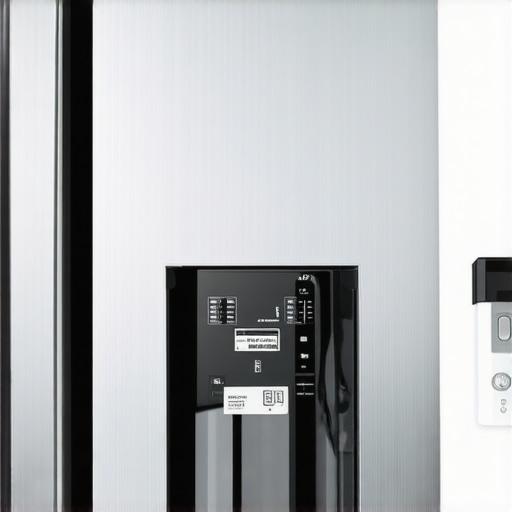
It was a morning like any other when I opened my kitchen freezer, only to find the ice cream scoop frozen stiff. That little moment of annoyance turned into a frustrating mystery: why was my built-in fridge not cooling properly? After some digging and a bit of trial and error, I realized the culprit was something surprisingly simple—airflow clearance. Now, I make sure to keep this critical space clear, and my fridge works like a charm. Today, I want to share my experience and help you avoid the same pitfall.
Why Airflow Clearance Is the Unsung Hero of Fridge Performance
When installed correctly, your built-in fridge should hum along silently, maintaining that perfect coolness that keeps your groceries fresh. But if airflow isn’t properly managed, even the most sophisticated appliances can underperform or even break down prematurely. The truth is, many homeowners overlook this tiny detail, only to face costly repairs or early replacements. I learned this lesson the hard way early in my appliance repair journey, when I ignored the manufacturer’s recommendations and blocked the ventilation grill. The result? Excess heat buildup, increased energy consumption, and eventually, a total failure of the cooling system. That mistake taught me to pay close attention to airflow clearance, as it truly makes all the difference.
Is The Airflow Clearance Hype Just a Marketing Gimmick
It’s understandable to question whether this advice is overblown. After all, the fridge is a closed unit—why should clearance matter so much? Well, according to experts, insufficient space restricts the circulation of air meant to carry heat away from the compressor and condenser coils. This causes the compressor to work harder, wear out faster, and results in higher energy bills. The U.S. Department of Energy emphasizes adequate clearance around appliances to optimize efficiency and lifespan. So, yes, this isn’t just empty advice; it’s backed by science and practical experience alike.
If you’ve ever faced a stubborn fridge that seems to forget its cooling duties or wondered why your energy bills are creeping upward, it might be time to examine your airflow clearance. I recommend getting into the habit of inspecting this simple yet crucial aspect of your appliance’s installation. Doing it right now can save you a lot of trouble down the line. Want to learn how to ensure your refrigerator’s airflow is optimal? Let’s dive into the essential steps that can keep your fridge running smoothly and efficiently for years to come. And if you’re unsure where to start, don’t hesitate to reach out for expert help.
Clear the Path for Proper Airflow Immediately
Start by unplugging the fridge to ensure safety, then carefully pull it out from the wall, exposing the backside and sides. Use a flashlight to inspect the vents and condenser coils for dust, debris, or obstructions. In my experience, I once found a buildup of pet hair clogging the lower vent, which was a simple fix but made a significant difference in cooling efficiency. Gently vacuum or brush away any debris, not only from the vents but also from behind the unit. Keep a minimum of 2 inches clearance behind and 1 inch on the sides, as recommended by manufacturers. This initial step guarantees airflow isn’t hindered from the start and prevents overheating of compressors, as elaborated in the expert guides on installation best practices. Continue this routine quarterly to prevent dust accumulation.
Adjust Your Fridge’s Position for Optimal Airflow
After cleaning, reposition the fridge so it’s level and stable, ensuring it’s not tilted forward or backward, which can impair airflow. Use a level to check, placing it on the top edge of the door or along the sides. A tilted fridge can cause condensation issues and uneven cooling, similar to what I faced when my fridge kept running loudly and cooling inconsistently—a sign I ignored initially. Once positioned correctly, tighten the adjustable feet to maintain stability. Also, verify the clearance around the unit—pull out the fridge enough to create the necessary space, checking that the vents are fully accessible. The benefits of proper placement are backed by maximized warranty coverage through correct installation. Proper positioning not only improves airflow but also extends the life of your appliance.
Maintain Ventilation and Coils While in Use
When the fridge is in regular use, periodically check the vents and coils for dust or pet hair. Use a long-bristled brush or a vacuum attachment to remove buildup gently. This simple maintenance prevents overheating and ensures the compressor isn’t overexerted, which aligns with the advice found in guides on installation assistance. Additionally, avoid blocking the front grille or vents with objects like kitchen towels or furniture. During one instance, I temporarily stored baking trays near the vent, which caused a noticeable drop in cooling performance. Regular cleaning and mindful placement are crucial; I schedule a quick coil cleaning every six months, saving energy and avoiding costly repairs. Remember, keeping airflow clear is a small effort with big results—maintaining a clean environment inside and out is key to that perfect, consistent chill. If you notice persistent issues despite these steps, consulting a professional can help ensure your installation remains optimal, as recommended in same-day services.
Many homeowners believe that scheduling same-day appliance repairs guarantees quick fixes without potential pitfalls, but the reality is more nuanced. A prevalent misconception is that all service providers offering rapid appointments are equally reliable, yet in my experience, some prioritize speed over quality. This often leads to incomplete repairs or overlooked issues, which can cause recurring problems down the line. For example, a quick fix might seem satisfactory initially, but if a technician neglects to diagnose underlying causes—like faulty wiring or worn components—the appliance may fail prematurely, negating the benefits of emergency service.
Are Rapid Repairs Always the Best Choice for Complex Issues?
Advanced appliances are increasingly sophisticated, and quick repairs can sometimes miss deeper technical problems that require detailed diagnostics. Industry experts highlight that rushing into repairs without thorough troubleshooting might save time in the short term but can significantly diminish the appliance’s longevity. According to a study by the Journal of Consumer Technology, comprehensive diagnostics outperform superficial fixes, especially for high-end models. Thus, it’s crucial to question whether same-day service involves genuine expertise or just expedited labor that overlooks critical details.
Another misconception involves warranties. Many believe that warranty coverage automatically extends to all repairs, but this isn’t always the case. Frequently, homeowners assume that if a repair is performed by a licensed technician, the subsequent issue is covered; however, warranties often specify exclusions, such as parts not approved by manufacturers or repairs performed outside authorized channels. Overlooking these clauses can lead to unexpected out-of-pocket costs. To understand your rights and coverage limits, reviewing the warranty policy thoroughly or consulting specialists can prevent surprises. For instance, choosing a service provider associated with warranty-backed repair services, as discussed here, ensures coverage is upheld, providing peace of mind.
Be cautious when booking emergency repairs—ensure the technician is qualified, experienced, and within warranty parameters. Don’t let the promise of quick fixes lull you into complacency; instead, prioritize quality and transparency. This strategy avoids repeat visits, saves money, and extends your appliance’s lifespan. If you’re unsure about your current service arrangements, reach out to professionals for guidance on reliable, warranty-supported solutions. Remember, rushing through appliance repairs might seem convenient but can lead to costly mistakes. Have you ever fallen into this trap? Let me know in the comments.
Investing in Reliable Tools for Appliance Maintenance
Personally, I rely on a high-quality multimeter like the Fluke 117, which provides precise voltage and continuity readings essential for troubleshooting electrical issues in appliances. Its durability and accurate readings save me time and prevent misdiagnoses. I also keep a digital infrared thermometer, such as the Etekcity Lasergrip 774, to quickly identify temperature inconsistencies, especially in refrigeration and oven components. These tools have become staples in my maintenance routine, enabling me to diagnose problems accurately before recommending repairs or replacements.
For cleaning and preventative care, I use a soft-bristled brush and a microfiber cloth to gently remove dust from coils and vents, ensuring optimal airflow and energy efficiency. A vacuum with a narrow nozzle attachment helps me access hard-to-reach areas, preventing dust accumulation that can cause overheating or failure. Combining these physical tools with software solutions, I utilize diagnostic apps connected via Bluetooth to monitor appliance performance in real time, a trend I see expanding as smart appliances become more prevalent.
Software Aids to Streamline Repairs and Maintenance
One program I highly recommend is the appliance manufacturer’s diagnostic apps, which often include step-by-step troubleshooting guides. For example, Bosch and Samsung provide user-friendly apps that assist both homeowners and technicians in pinpointing issues accurately. I also use service management software like ServiceTitan to track maintenance logs, schedule routine check-ups, and keep detailed records of repairs—ensuring that appliances receive proper long-term care and warranty support. These digital tools help me deliver consistent, professional service and anticipate future issues based on data trends.
How do I maintain appliance performance over time?
Regularly scheduled inspections and cleaning are crucial. I suggest setting reminders for quarterly coil cleaning, vent clearing, and firmware updates for smart appliances. Keeping detailed maintenance logs helps track recurring issues and repairs, which can inform warranty claims or future improvements. Moreover, investing in high-quality replacement parts—preferably OEM—is vital for long-term reliability. For complex problems, I collaborate with manufacturers or certified service providers, leveraging resources like warranty-backed repair services to ensure repairs are durable and covered.
Scaling Up Your Maintenance Arsenal
As appliances evolve, so should your toolkit. Future trends indicate increased integration of IoT devices that offer real-time diagnostics and predictive maintenance alerts. Embracing these technologies now, like smart diagnostic sensors you can install yourself, positions you to catch issues early, saving money and avoiding downtime. I predict that more DIY enthusiasts will adopt app-based monitoring systems, making appliance upkeep more accessible and less invasive. To stay ahead, I recommend installing smart sensors on critical components and regularly reviewing performance reports—this proactive approach can extend your appliances’ lifespan significantly.
To give your appliances the best chance of running smoothly for years, start by trying out a detailed diagnostic check with an infrared thermometer and a multimeter. Not only will this deepen your understanding of how your appliances function, but it will also make troubleshooting more precise. If you’re ever in doubt, don’t hesitate to reach out for expert assistance or refer to detailed guides like this comprehensive repair guide. Taking these small, informed steps today can prevent bigger headaches tomorrow and keep your appliances performing at their best.
What My Mistakes Taught Me About Emergency Repairs
One of the biggest lessons I learned was that rushing into a quick fix isn’t always the smartest move. I once hurried to book a same-day repair without verifying the technician’s credentials, which led to a botched fix and additional costs. Now, I understand the value of choosing reputable, warranty-backed services, ensuring quality and peace of mind. That experience underscored the importance of patience and due diligence in appliance repair, reminding me that reliability beats speed every time.
Tools and Resources That Changed My Maintenance Routine
Over time, I’ve discovered that investing in proper diagnostic tools like a quality multimeter and infrared thermometer pays dividends. These allow me to assess issues accurately before calling in experts, saving time and money. Additionally, I rely on trusted sources such as detailed online guides and manufacturers’ diagnostic apps, which offer step-by-step troubleshooting tips. These resources empower me to handle minor problems proactively, extend appliance lifespan, and avoid unnecessary service calls.
Keep the Heart of Your Appliances Beating Strong
The emotional takeaway is this: maintaining airflow clearance and cleanliness isn’t just about saving a few dollars; it’s about caring for your home’s hard-working appliances. Small steps like regular coil cleaning, proper placement, and mindful usage can prevent costly breakdowns and energy waste. Taking control now transforms your relationship with household appliances from reactive to proactive, making sure they serve you reliably for years to come. Remember, a little effort today can spare a lot of frustration tomorrow.