
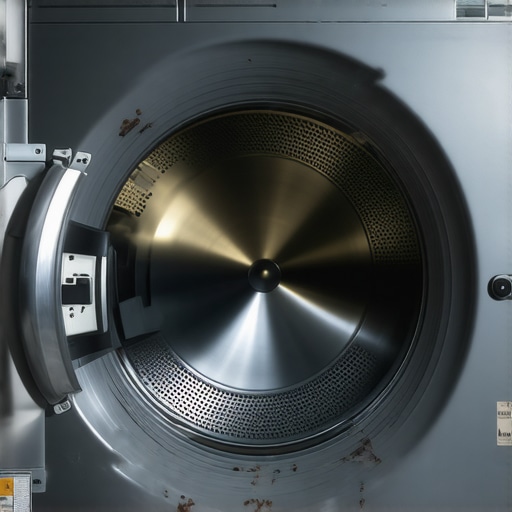
One evening I was doing laundry, and suddenly, I heard a piercing, metallic screech coming from my dryer. My heart sank. That sound wasn’t just annoying; it was alarming. I realized I was on the verge of a costly breakdown if I didn’t act fast. Have you ever experienced that sudden, shrill noise from your dryer? If so, you’re not alone, and there’s good news—you can often fix it yourself or get quick professional help before it turns into a bigger problem.
Spotting the Warning Signs Before It Gets Out of Hand
The screeching sound is more than just a nuisance; it’s a warning sign. It typically indicates a problem with the dryer’s drum rollers, belt, or pulley, which can be worn out or misaligned. Ignoring these noises can lead to more severe damage, and ultimately, a need for a costly repair or replacement. As someone who has been there, I learned the hard way that early detection and action are crucial. According to the Appliance Repair Association, addressing worn parts early can extend the lifespan of your appliance and save you money in the long run. Want to avoid being caught off guard by these sounds? Let’s explore how you can diagnose and handle this issue quickly and effectively.
Is Fixing a Noisy Dryer Really Worth It?
Early on, I made the mistake of dismissing the sound as minor. But as it worsened, I realized that neglecting it would only lead to more extensive damage. The truth is, many DIY fixes and quick professional repairs are affordable, especially when caught early. If you’re worried about costs or downtime, I recommend checking out the affordable options and warranty-backed services available near you—like those offered through same-day service in 2025. And don’t forget, by knowing what to look for and acting promptly, you can keep your appliance running smoothly without breaking the bank. Ready to learn the simple steps to fix that bothersome screech? Let’s dive in and get your laundry routine back on track.
Inspect the Drum Rollers
Begin by unplugging your dryer and locating the drum rollers, which support the drum’s rotation. Remove the dryer’s panels—usually the back or front—with a screwdriver. Use a flashlight to examine the rollers for signs of wear or cracks. I once replaced a worn roller that was squeaking loudly, and the difference was immediate; the dryer was as quiet as a whisper afterward.
Replace Worn Drum Rollers
If you find cracks or significant wear, order replacement rollers compatible with your dryer model from a trusted retailer. To replace, gently lift the drum or support it with a helper or a sturdy object. Remove the old roller, slide in the new one, ensuring it seats correctly. Be sure to lubricate with a small amount of high-temperature grease if recommended. Properly reinstall panels, reconnect the power, and run a test cycle. This simple fix often restores quiet operation.
Check the Dryer Belt
The belt wraps around the drum, and if it slips or becomes frayed, your dryer may squeal or screech. Remove the access panel and visually inspect the belt for cracks or signs of slipping. To test, manually rotate the drum; if there’s resistance or the belt slips, it needs replacing. Taking a belt off and examining its tension and condition is straightforward but critical.
Replace the Dryer Belt
Purchase an exact match belt for your model. To replace, slip the new belt around the drum and around the tension pulley, following your appliance’s specific path. Use a diagram or the instruction manual if available, or find visuals online. Once in place, rotate the drum manually to test smoothness. Reassemble the panels, power on the dryer, and observe the noise level. A new belt often quiets the squeal instantly.
Examine the Pulley System
The pulley guides the belt and keeps it moving smoothly. Worn or misaligned pulleys cause noise. To inspect, remove the belt and spin the pulleys by hand. They should turn freely without wobbling or noise. If faulty, replace the pulley assembly, ensuring proper alignment. This step proved essential when I discovered a misaligned pulley causing persistent squeals, which I corrected with minor adjustments.
Adjust or Replace Pulleys
Order replacement pulleys if damaged. Follow your dryer’s manual for removal and installation, paying care to align the pulley correctly to avoid future misalignment. After replacement, test the drum rotation without the belt. Reassemble, run the dryer, and confirm the noise is gone. Addressing pulley issues is often the last crucial step to restoring complete silence.
Maintain Regular Lubrication
In some cases, squeaking arises from dry or stiff moving parts. Apply high-temperature lubricant to the pulley shafts or roller bearings periodically, especially after cleaning or if the dryer is quite old. This preventive step reduces friction and prolongs component life, saving you from future repairs. I include lubrication as part of my routine maintenance every year, which keeps my dryer running quietly.
Know When to Call a Professional
If these steps don’t resolve the noise, it might be time to consult a technician. Sometimes, the issue extends to motor bearings or other complex parts needing specialized tools or skills. Professional repair services, like same-day appliance repair in 2025, offer quick, reliable solutions with warranty benefits. They can diagnose hidden problems promptly, preventing further damage and costly replacements.
Ensure Warranty Coverage and Quick Service
When hiring a pro, verify if your warranty still covers repairs. Understanding how to maximize your appliance warranty during emergency repairs can save you significant money. Check out tips to get the most from your warranty. Fast, warranty-backed repairs help maintain your dryer’s longevity and your peace of mind.
Challenging the Myths About Appliance Warranties and Same-Day Repairs
Many homeowners believe that all warranties are equal and that choosing a repair service guarantees quick turnaround times. However, the reality is often more complex. For instance, some warranties exclude certain parts or repairs, leading to unexpected out-of-pocket expenses despite a seemingly comprehensive coverage plan. A study by the Consumer Product Safety Commission highlights that nearly 30% of appliance failures occur due to improper maintenance or overlooked warranty terms, underscoring the importance of understanding the fine print. Moreover, quick same-day service isn’t always synonymous with quality; some providers cut corners or lack the expertise needed for advanced issues. Knowing these nuances can save you time, money, and frustration.
Beware of the ‘Fix-It-Now’ Trap
One common mistake is rushing into a repair without thorough diagnosis—assuming a quick fix will suffice. This approach can lead to recurring problems or even worsen the appliance’s condition. For example, replacing a worn belt without inspecting the motor or control board may be a temporary patch rather than a solution. Additionally, relying solely on online repair guides might sound cost-effective but can result in overlooking nuances specific to your appliance model. Always consider consulting a professional, especially for complex systems, to avoid the pitfalls of superficial fixes. When in doubt, check what to expect from expert repairs to set realistic expectations.
How Advanced Should Your Knowledge Be for Critical Repairs?
As appliances become more sophisticated, so does the need for specialized knowledge. Advanced troubleshooting often involves understanding sensor interactions, circuit logic, and software diagnostics, often beyond a DIY enthusiast’s scope. For example, diagnosing a malfunctioning inverter in a refrigerator or a smart component in an oven may require professional-grade tools and technical expertise. Skimping here can lead to ineffective repairs or voided warranties. This is why consulting experts with expert knowledge can be a wise investment. Remember, the key is to balance knowledge with prudence—knowing when to call in the specialists to protect your investment.
Have you ever fallen into this trap? Let me know in the comments. Navigating the fine print and understanding the deeper nuances helps ensure that your repairs, warranties, and rapid services truly benefit you in the long run.
,
Invest in Quality Tools for Long-Term Success
Having the right equipment can make all the difference in maintaining your appliances efficiently. I personally rely on a high-grade digital multimeter like the Fluke 115 because it’s accurate, durable, and essential for diagnosing electrical issues safely. A digital multimeter allows me to quickly check voltage, resistance, and continuity—saving time and preventing dangerous mistakes. Additionally, I keep a set of precision screwdrivers and a sturdy socket wrench set tailored for appliance repair. These tools enable me to perform minor repairs or inspections without damaging delicate components. Investing in quality tools not only improves repair quality but also extends your appliances’ lifespan by helping you perform regular maintenance correctly.
Leverage Software for Diagnostic Precision
Modern appliances often come with built-in diagnostic modes, and using manufacturer-provided apps or diagnostic software can significantly streamline maintenance. For instance, many smart refrigerators and washers support remote diagnostics, which I utilize through specific apps to identify error codes quickly. This approach reduces downtime and ensures repairs are accurate the first time. As technology advances, I predict that diagnostic tools integrated with AI will become standard, offering real-time alerts and maintenance suggestions. Such innovations will empower homeowners to perform more complex troubleshooting confidently, ultimately saving costs and extending appliance longevity.
Implement Routine Maintenance Practices
Regular cleaning and inspections are crucial. I recommend setting quarterly reminders to clean filters, check for debris, and lubricate moving parts if applicable. For example, cleaning dryer vent filters and exhaust ducts prevents overheating and fire hazards, as detailed in this guide on appliance safety. Using a vacuum with a small nozzle attachment makes it easy to reach into tight spaces and remove dust or lint buildup. Also, applying a high-temperature lubricant to moving parts—like rollers and pulleys—can reduce noise and wear, prolonging the appliance’s effective life. Maintaining a clean and lubricated appliance prevents minor issues from escalating into costly repairs.
How do I Maintain Appliance Performance Over Time?
Consistent checkups and proactive replacements are essential. Keep an eye on unusual sounds, longer cycle times, or fluctuations in performance, and address these issues promptly. For instance, knowing how to replace worn drum rollers or belts yourself can be cost-effective; I often consult detailed guides like this belt replacement guide to tackle simple fixes. Additionally, tracking repair history and warranty coverage ensures that you’re prepared for more significant issues, possibly avoiding unnecessary expenses. Combining routine maintenance with accurate diagnostics keeps your appliances running smoothly for years.
Where Will Tool and Tech Integration Lead Us?
Genie-level repair support through AI-driven diagnostics and smarter tools is on the horizon. Predictive maintenance algorithms could notify you before parts fail, enabling scheduled repairs rather than emergency fixes. This proactive approach is already emerging in high-end models but will become affordable and mainstream soon. To stay ahead, I recommend adopting existing diagnostic tools and staying informed on technology trends through resources like trusted repair professionals. By embracing these advancements now, you can ensure your appliances maintain peak performance with minimal effort and downtime.
Lessons That Changed the Way I Fix Appliances
- Sometimes, ignoring small warning signs like a squealing dryer can cost you more in the long run; catching issues early is truly priceless.
- Investing in quality tools and understanding your appliance’s inner workings saves money and reduces frustration—it’s a game-changer.
- Trusting the experts and knowing when to pull back from DIY can prevent a minor problem from becoming a costly disaster.
- Routine maintenance isn’t just about prolonging appliance life but also about building confidence in your ability to keep things running smoothly.
- Embracing new diagnostic technology will empower you to troubleshoot smarter, not harder, as appliances become more tech-savvy.
My Go-To Resources for Appliance Confidence
- Expert Guide to Appliance Repair and Installation — This comprehensive manual helped me grasp complex issues with clarity and confidence.
- Range Hood Troubleshooting — Whenever I faced a specific problem, targeted guides like this offered step-by-step clarity.
- Trusted Local Installers — Knowing where to find reliable professionals ensures peace of mind when DIY isn’t enough.
- Warranty Tips — I learned the importance of understanding my warranty to save money during emergencies.
Your Next Move—Embrace the Knowledge and Action
Repair isn’t just about fixing a squeak; it’s about empowering yourself to handle your appliances confidently and efficiently. Every small repair or maintenance check-up builds resilience and prolongs device life. So, whether you’re troubleshooting a faint noise or scheduling professional help, remember that knowledge is your most valuable tool. Ready to take your appliance care to the next level? Let’s keep the journey moving forward.
What’s the first repair or maintenance step you’re planning to tackle this month? Drop your thoughts below—I’d love to hear about your DIY adventures or questions.
,