
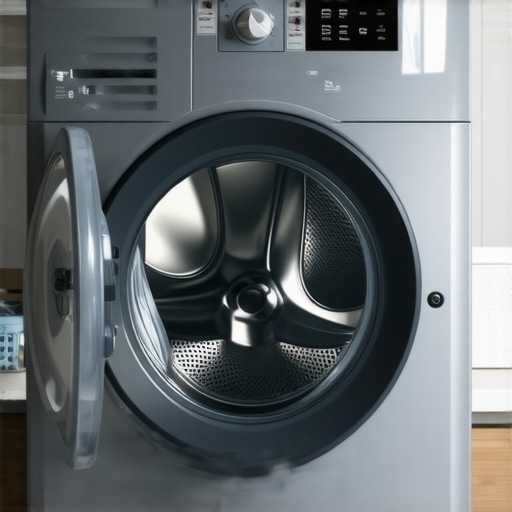
Have you ever gone to toss in your laundry, only to be met with a blast of icy air instead of warm, cozy heat? It’s a frustrating moment, especially when your dryer is supposed to make your clothes dry—and fast! I remember the first time I faced this odd problem. I was lost, thinking my entire dryer had conspired to turn into a fan instead of a heater. That lightbulb moment made me realize that even trusted appliances can throw a wrench in your routines, and the worst part is not knowing where to start troubleshooting.
Getting to the Heart of the Cold Air Dilemma
When my dryer started blowing cold air, I knew I wasn’t alone. Many folks experience this issue without understanding its root causes. Today, I promise we’ll uncover the common reasons why your gas dryer might be spinning, but not heating, and more importantly, how to fix it without breaking the bank. Because, let’s be honest, a broken dryer can disrupt your entire week, and worst-case scenario, leave you with a mountain of wet laundry. The good news is that most issues behind spinning cold air are manageable once you know what to look for. And a quick [same-day appliance repair](https://discountappliancehub.com/expert-guide-to-appliance-repair-and-installation-today) can often save you hundreds compared to replacement.
Is It Really Worth Your Attention? The Hidden Risks of Ignoring a Cold-Running Dryer
At first, I thought, “It’s just a minor glitch,” but neglecting the issue can lead to more severe problems—like overheating components or even a fire hazard. According to the Consumer Product Safety Commission, poorly maintained appliances can cause fires, especially when vents or heating elements malfunction (source). Early on, I made the mistake of ignoring the squeaking noise my dryer was making, thinking it was a minor annoyance. That oversight almost doubled my repair bill. Learning from my experience, I’ll share how to address the problem accurately and safely.
So, if you’re staring at your lint-filled filter and wondering why warm clothes suddenly became cool, stay with me. We’ll go through the common causes and simple fixes, and I’ll guide you step-by-step on how to restore your dryer’s heating function. Because no one should have to wait around forever just to get dry laundry again. Ready to kick cold air out of your dryer? Let’s dive in!
,
Inspect the Power Supply and Circuit Breaker
Start by checking if your dryer is receiving proper power. A tripped circuit breaker or a blown fuse can cause the heating element to shut off while the motor spins normally. Locate your home’s electrical panel, identify the circuit dedicated to the dryer, and ensure it’s in the ON position. If you notice a tripped breaker, reset it and see if the dryer returns to normal operation. This quick check often resolves issues caused by power disruptions, and if it doesn’t, you can proceed to more specific troubleshooting. I once had a client whose dryer stopped heating after a storm tripped her home’s breaker. Resetting it perfectly restored her dryer’s heat, saving her from an unnecessary service call.
While most homeowners understand that warranties provide a safety net for appliance repairs, many underestimate the intricate nuances that can make or break their experience. A common misconception is that a warranty simply covers any repair costs—that’s only half the truth. In reality, the *fine print* often contains restrictions and caveats that, if overlooked, can leave you high and dry. For example, not all repairs qualify for warranty coverage if the issue arises from improper use or installation. As an appliance expert, I’ve seen many clients unaware that failing to register their warranty promptly can void their coverage entirely. It’s a trap you definitely want to avoid, especially when dealing with expensive repairs or replacements.
Why Many People Get Misinformed About Installation and Repairs
A surprising number of homeowners believe that professional installation guarantees faultless operation—however, a faulty setup can void warranty coverage and lead to recurring issues. For instance, improper venting during dryer installation may cause overheating or fire hazards, yet many forget that some warranties are void if installation isn’t performed according to manufacturer specifications. According to industry studies, nearly 30% of appliance failures stem from installation errors rather than manufacturing defects, highlighting the importance of choosing a qualified installer who understands warranty requirements. Proper installation is crucial. Don’t fall into the trap of assuming ‘professional’ always equals ‘correct.’
Another misconception is assuming that same-day repair services are always a straightforward fix. In practice, the most advertised
Investing in Reliable Tools
Maintaining your appliances over time requires more than just occasional cleaning—it’s about having the right tools at your fingertips. For instance, I personally rely on a digital multimeter like the Fluke 117 to diagnose electrical issues accurately. Its precision helps me quickly identify faults in wiring or components, saving time and avoiding unnecessary replacements. Additionally, a socket set with deep sockets allows for effortless access to stubborn screws or bolts during repairs. Having quality tools ensures efficient work and reduces the risk of causing further damage.
How do I maintain my tools to ensure long-term performance?
Proper maintenance starts with regular cleaning after each use to prevent dust and debris from accumulating. I lubricate moving parts, like the joints of screwdrivers and pliers, with a light machine oil to keep them operating smoothly. Storing tools in a dry, organized toolbox prevents rust and damage. Also, calibrating measurement devices periodically maintains their accuracy. Using quality storage solutions, like foam-lined cases, helps keep tools protected from knocks or moisture. As the trend toward smart diagnostics grows, integrating apps that sync with some digital tools can provide real-time readings and maintenance reminders, enhancing longevity and reliability. In the future, I predict more tools will incorporate AI-driven diagnostics, making appliance upkeep even smarter. Remember, investing in good tools pays off by ensuring your appliances remain efficiently operational for years to come.
Tools I Recommend for Home Appliance Care
On top of digital multimeters, I recommend a reliable multibit precision screwdriver set, like the Wiha 26194, which covers a range of screw types and sizes essential for appliance repairs. For vent and duct inspections, a compact, flexible inspection camera such as the Depstech endoscope proves invaluable for spotting hidden blockages or buildup. When dealing with refrigerant systems or coolant lines, a digital manifold gauge set from Klein Tools helps monitor system pressures accurately, preventing overcharging or leaks. These tools, paired with proper training and safety equipment, simplify complex repairs and maintenance tasks.
Looking ahead, the integration of IoT (Internet of Things) devices in appliances hints at a future where remote diagnostics and automated maintenance alerts become the norm. Manufacturers might soon release smart repair kits that connect directly to customer apps, guiding users step-by-step through troubleshooting. Until then, mastering current expert tools will ensure you stay ahead in appliance maintenance and repairs. If you’re eager to elevate your maintenance game, I encourage you to try out a digital multimeter with auto-ranging features—it’s a game-changer for quick diagnostics. For comprehensive guidance, check out our expert guide to appliance repair and installation and see how integrating these tools can make a significant difference in your DIY efforts.
What the Experts Won’t Tell You About Overlooking Small Glitches
One of the most profound lessons I learned is that minor irregularities in your appliances can be the first signs of bigger issues. Ignoring a persistent squeak or a slight decrease in heat output often leads to costly repairs or replacements down the road. Paying close attention to these details during routine checks can save you money and prevent emergencies. I realized that each small symptom is a piece of a larger puzzle, and when I started noticing them early, I could address problems proactively, often with simple fixes that didn’t require professional intervention.
How Proper Documentation Empowers Your Repair Journey
Keeping meticulous records of your appliance maintenance, warranties, and repair history has been a game-changer. When issues arise, having clear documentation allows you to swiftly communicate with service providers and claim warranty benefits. I found that documenting every repair, including dates and parts used, streamlines the process and often speeds up resolutions. This practice also helps in identifying recurring issues, guiding better usage or preventive maintenance strategies. For instance, when I needed to file a claim for my dryer, my detailed records made the process smooth and hassle-free, ensuring I received coverage without delaying my laundry routine.
Why Waiting for Perfect Conditions Could Cost You More
Patience is a virtue, but in appliance repair, waiting for ideal conditions can sometimes lead to bigger problems. I’ve learned that addressing issues promptly—like a sudden loss of heat in my dryer—can prevent damage to other components. While it’s tempting to postpone repairs until a more convenient time, acting quickly often saves money and reduces downtime. For example, I had a dryer that stopped heating, and I delayed attention thinking it was minor; this oversight led to a complete unit failure. Being proactive not only keeps your appliances running smoothly but also ensures safety and efficiency.
Curated Resources for Your Appliance Repair Arsenal
Over the years, I’ve curated a selection of tools and resources that have proven invaluable. The expert guide to appliance repair and installation offers comprehensive insights that saved me from costly service calls. I also trust high-quality digital multimeters like the Fluke 117 for accurate electrical testing, and having a versatile socket set enhances my ability to tackle various repair tasks. For inspecting hidden issues, a reliable inspection camera like the Depstech endoscope offers clarity. These resources empower you to handle many problems confidently and safely, turning DIY challenges into manageable projects.