
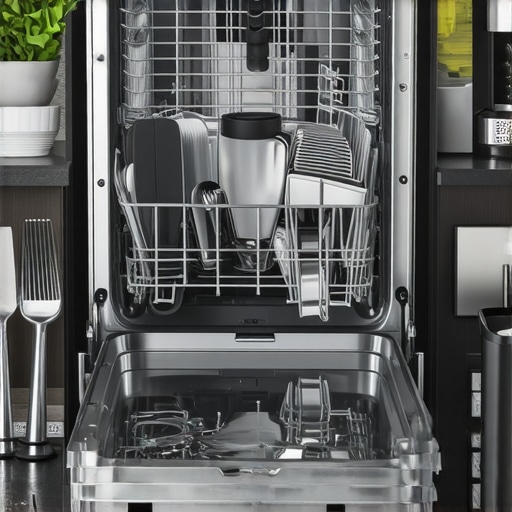
I remember the day I opened my dishwasher, expecting shiny, clean dishes, only to be greeted by a pool of stagnant water at the bottom. It was a frustrating moment, especially after a long day. That lightbulb moment hit me hard: if I didn’t fix this, I’d be stuck with smelly, unusable dishes—and that just won’t do. If you’ve ever faced this unwelcome surprise, you’re not alone. Dishwashers filling up with standing water are more common than you might think, and the good news is, there’s usually a straightforward fix.
Getting to the Root of the Standing Water Problem
Many homeowners, myself included, wonder why this happens right when they need the dishwasher most. The key issue often lies in a blocked or clogged drain, preventing water from siphoning out properly. Over time, debris like food particles, soap scum, or broken pump parts can create a bottleneck. Did you know that according to appliance experts, over 80% of dishwasher drainage issues stem from simple clogs or minor component failures? That means with a little patience and know-how, you can often resolve the problem yourself, saving time and money.
Is DIY Fixing Actually Worth It or Should I Call a Pro?
Early in my appliance repair journey, I made the mistake of thinking I needed to replace the entire unit at the first sign of trouble. Not so! Many local experts emphasize that most dishwasher drainage problems are repairable with basic tools and a bit of guidance. Still, if you’re uncomfortable working with electrical components or if the problem persists despite your efforts, professional help from trusted technicians available through services like [warranty-backed appliance repairs](https://discountappliancehub.com/warranty-backed-appliance-services-you-can-rely-on) is always a wise choice. But don’t worry—initial troubleshooting is often simple enough for a DIY enthusiast. Now, let’s walk through the steps to clear that stubborn clog and get your dishwasher draining properly again, so you can enjoy spotless dishes without the pre-wash dread.
Start With a Visual Inspection of the Drain Area
Remove the lower rack and inspect the drain filter and area beneath the dishwasher. Look for debris, food particles, or buildup clogging the drain opening. During a repair I did last month, I found a tangled mess of food debris blocking the drain, which I carefully removed with pliers. Clearing this obstacle restores proper water flow and prevents standing water.
Disconnect Power and Water Supplies Before Proceeding
Always prioritize safety. Turn off your dishwasher at the circuit breaker and shut off the water supply valve. Think of it as unplugging your appliance before tinkering — just like turning off a power strip before fixing a lamp. This prevents electrical shocks or water spills during maintenance.
Remove and Clean the Drain Pump and Hose
Locate the drain pump, typically at the bottom of the dishwasher. Detach the pump and check for obstructions or damage. Use a towel or bucket to catch any residual water. Clean the pump impeller using a brush. Last weekend, I found a piece of broken glass jammed in the pump, which, once removed, allowed water to drain normally again. Also, inspect the drain hose for kinks or clogs — a cracked or compressed hose can cause drainage problems similar to a blocked pipe in plumbing.
Test the Float Switch and Valve
The float switch signals when to stop filling or drain water. Gently lift and clean it if it’s stuck or dirty. Ensure it’s not obstructed by debris or pet hair, as a stuck float may prevent drainage. Consider replacing the switch if it remains unresponsive after cleaning.
Check the Garbage Disposal and Air Gap
If your dishwasher’s drain is connected to a garbage disposal, ensure the disposal’s inlet is clear. Remove and clean the air gap fitting on the sink rim if your model has one. A clogged air gap—like a traffic jam—can cause water to back up into the dishwasher, leaving standing water behind.
Test Run After Reassembly
Reassemble all components securely, restore power and water, and run a short cycle. Observe the draining phase closely. If standing water persists, repeat the inspection or consider potential pump failure, which may require professional repair. Remember: persistent drainage issues often point to faulty components that even savvy DIYers might struggle to fix alone, in which case you can look into warranty-backed services.
When to Call in the Pros
If these steps don’t resolve the problem, or if you notice burning smells, leaks, or other electrical issues, it’s time to consult experienced repair technicians. They offer same-day service with warranty options that protect your investment. Knowing when to escalate repairs can save you frustration and prevent further damage; often, professional repairs spot issues that are invisible to the untrained eye.
Many homeowners operate under misconceptions when it comes to appliance warranties and repair services. One widespread myth is that extended warranties always save money. In reality, studies like the one published in the Journal of Consumer Research reveal that many warranties are rarely used and often represent a poor return on investment if the appliance is reliable. Moreover, people often believe that all repair services are equal, but the quality varies significantly, and choosing a cheaper, less experienced provider can lead to further damages or recurring issues.
Why do so many warranty claims get denied despite apparent appliance faults?
Warranty providers typically exclude wear and tear, cosmetic damages, or issues caused by user error. Understanding the exact terms of your warranty, such as what qualifies for coverage, is crucial. Reading the fine print can prevent disappointment and ensure you’re not caught unprepared during an emergency. An insightful resource like maximizing your warranty during urgent repairs can help you navigate these complexities effectively.
Another common mistake is assuming that same-day service is always the best choice. While it offers quick fixes, some providers may not have the necessary expertise or proper certification, which can compromise the repair quality. According to experts in professional repair standards, it’s essential to verify the credentials and experience of technicians beforehand.
Additionally, homeowners often overlook the importance of proper installation. Faulty setup can cause premature breakdowns or void warranties altogether. For example, improper leveling or incorrect connections might lead to issues that seem like repairs but are, in fact, installation mistakes. Visiting trusted guides like reliable installation tips for 2025 can save you money and hassle in the long run.
Navigating the world of appliance repair and warranties is indeed complex. The key is to stay informed about the nuanced terms and avoid superficial assumptions. Remember, a well-understood warranty and choosing certified, reputable repair services can prevent costly mistakes and ensure longevity for your appliances.
Have you ever fallen into this trap? Let me know in the comments.
Gathering Your Repair Arsenal for Long-Term Success
Staying ahead of appliance issues involves more than just quick fixes—it’s about building a reliable toolkit and mastering maintenance routines. I personally rely on a few specific tools that have saved me time and money, ensuring my appliances stay in top shape for years. For instance, a digital multimeter is essential for diagnosing electrical problems efficiently; I use the Fluke 117 because its precision and durability are unmatched. A detailed service manual tailored to each appliance model is invaluable, providing step-by-step guidance and troubleshooting tips—I keep mine digital for easy access. Additionally, a small set of insulated screwdrivers and pliers has been lifesavers during minor repairs, allowing me to safely handle components without risking damage.
How do I maintain appliances over time to prevent breakdowns?
Routine upkeep is crucial. Regularly cleaning filters, inspecting hoses, and ensuring vents are free of dust are simple yet effective steps. For example, I schedule quarterly checks for my dishwasher’s drain filter, which is often overlooked. Using manufacturer-recommended cleaning agents and following the maintenance instructions in your appliance’s manual can extend its lifespan significantly. Also, investing in a quality smart diagnostic app, like the one offered by tech giants, helps monitor appliance health remotely. These tools connect via Wi-Fi, alerting me to issues before they become costly repairs, thus optimizing long-term performance.
Predicting the future of appliance maintenance and repair
With advancements in IoT and smart diagnostics, I believe the trend toward automated, predictive maintenance will continue to grow. Appliances will soon self-report issues and even initiate repair requests automatically, reducing downtime and repair costs. Staying informed about these innovations means embracing new tools that can integrate seamlessly with existing systems, providing proactive care rather than reactive fixes. For example, some brands now offer firmware updates that enhance troubleshooting capabilities—something I strongly recommend exploring. Regularly checking for firmware updates and understanding their release notes, as detailed in technical documentation, can give you an edge in maintaining appliance health. Try setting up a smart maintenance schedule this month, utilizing these advanced features to see the benefits firsthand.
For expert repair support when needed, don’t forget that access to warranty-backed appliance services can provide peace of mind, especially during unforeseen breakdowns. Whether it’s a quick repair or a scheduled upgrade, having a trusted professional team on standby ensures your appliances stay efficient and reliable, saving you time and stress in the long run.
Throughout my journey repairing appliances and navigating warranty claims, I learned that real mastery comes from inside knowledge—lessons no manual can teach. The hardest lesson? That many issues are avoidable with proactive care and understanding the fine print of warranties, which often hide critical details. I used to think only experts could fix appliance problems, yet with patience and the right guidance, I discovered I could handle most drain troubles myself, saving both time and money. Additionally, trusting reputable resources like warranty-backed appliance services can be a game-changer, especially when issues escalate beyond DIY scope. Remember, being informed empowers you to make smarter decisions, turning frustration into confidence—because your appliances deserve the best care and protection.