
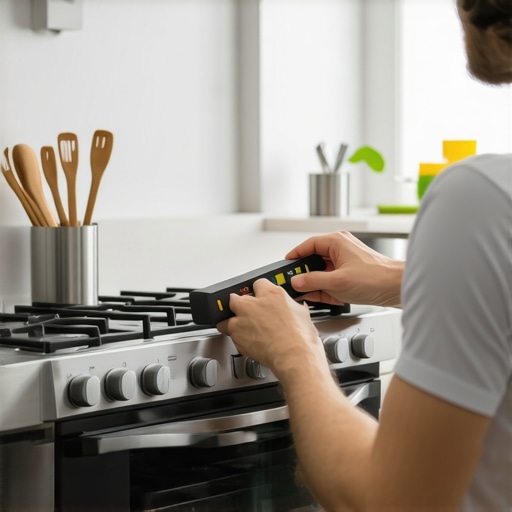
It was a chilly Saturday morning when I finally decided to bake my grandmother’s famous chocolate cake. I was confident—until I pulled the pan out of the oven and saw a lopsided, uneven rise that made my heart sink. That lightbulb moment hit me hard: I had never truly understood the importance of having my range perfectly leveled. Since then, I’ve made it my mission to figure out the best way to ensure even baking every time. Let me tell you, proper leveling isn’t just about aesthetics—it’s about consistency, safety, and confidence in the kitchen.
Why Leveling Your Range Is a Game-Changer for Baking
Your stove or oven isn’t just a pretty appliance; it’s the heart of your baking success. An uneven range can cause all sorts of issues—cakes that slump, muffins that tip over, and uneven heat distribution that makes your food cook inconsistently. Imagine wasting ingredients and hours, only to end up with a misshapen loaf or undercooked cookies. That’s frustrating—and totally preventable.
As I learned from professional appliance experts, a level range ensures that heat distributes uniformly, leading to perfectly baked goods, every single time. And here’s a surprise: even a slight tilt of just a degree can drastically affect baking results. According to appliance repair specialists, addressing these small imperfections is often the key to trouble-free baking sessions. Not to mention, an uneven stove can cause uneven wear and tear, which might lead to premature breakdowns—as well as unsafe conditions.
So, the question is: have you ever faced inconsistent baking or felt unsure whether your range is truly level? If so, stick around. In the upcoming sections, I’ll walk you through how to level your range properly, saving you time, money, and countless baking mishaps.
Is leveling a range really worth the effort? You might wonder if all the fuss is necessary for just a few degrees of tilt. Here’s the truth: an unlevel range doesn’t just mess with your baked goods. It can also affect how your stove performs over time, lead to costly repairs, and even pose safety risks. So, yes—it is absolutely worth doing. And trust me, with a few simple tools and some patience, you can do this yourself, no professional help needed. Want to learn exactly how to get it right? Keep reading, and I’ll guide you step by step.Secure Your Space and Gather Tools
Before starting, clear the area around your range and place a towel or mat underneath to catch any drips or spills. Gather a carpenter’s level, a adjustable wrench, and, if necessary, shims or leveling legs specific to your appliance. I once tried doing this without a level—resulting in a crooked oven that made my homemade pizza slide off! Now, always use a quality level to ensure precision.
Check the Existing Level and Identify the Tilt
Place the level on the countertop directly in front of the oven door and on top of the cooktop if available. Observe the bubble; the goal is to have it centered. If the bubble leans toward one side, that indicates a tilt in that direction. I remember attempting to balance my range on a wobbly piece of cardboard—nope! A proper level saved me from future uneven baking.
Adjust the Range Accordingly
Using Shims or Adjustable Legs
If your range has adjustable legs, use the wrench to turn them clockwise or counterclockwise, raising or lowering each corner until the bubble is centered. For shims, slide them underneath the legs to raise specific corners. I once added small plastic shims and was amazed at how quickly the level improved. Just be sure to keep the shims steady and check frequently.
Ensuring Stability During Adjustment
After each tweak, double-check the level. Be cautious not to over-tighten or destabilize the appliance. Also, verify that the range remains stable and doesn’t wobble, which could cause issues later. Once properly leveled, tighten all bolts securely. A stable, level range prevents heat inconsistencies and ensures safety—as I learned when a slightly tilted stove caused during a cooking mishap.
Confirm the Level and Finish
Place the level in multiple orientations—front to back and side to side—and verify the bubble remains centered. If it does, congratulations—you’ve successfully leveled your range! If not, repeat adjustments until perfect. Remember, a well-leveled oven leads to even heat distribution, making your bakes flawless. For complex cases or stubborn tilts, consider professional installation services. You can find reliable experts at this link.
When it comes to appliance services, many homeowners hold onto myths that can lead to costly mistakes. Let me share some insights I’ve gained from years of experience, challenging popular beliefs and highlighting pitfalls you might unknowingly fall into. First, the idea that hiring the cheapest service guarantees savings is a fallacy; low-cost providers often cut corners or lack proper certification, risking future breakdowns. Instead, opting for reputable, warranty-backed professionals ensures quality work and protection—consider reviewing [top tips for same day service and warranties](https://discountappliancehub.com/top-tips-for-same-day-service-warranty-coverage) to make informed choices. A common trap is believing that DIY repairs are always cost-effective. While minor fixes can sometimes be handled at home, attempting complex appliance repairs without proper knowledge can void warranties and cause further damage. Experts warn that misunderstood repair procedures often lead to safety hazards and higher expenses over time.
What advanced clues indicate whether a repair attempt will jeopardize your warranty or safety?
Recognizing subtle signs like inconsistent operation or unusual noises can prevent do-it-yourself mishaps. According to appliance specialists, misdiagnosing issues or neglecting manufacturer instructions often results in warranty denial and potential safety risks. Be cautious of warranties that seem overly restrictive; in reality, reputable warranties cover a wide array of repairs if performed by certified technicians—learn more about [warranty-backed appliance services](https://discountappliancehub.com/warranty-backed-appliance-services-you-can-rely-on). Moreover, many believe that installation is a straightforward plug-and-play process. However, improper setup—the wrong electrical connections, incorrect leveling, or inadequate ventilation—can cause failures or safety dangers. Proper installation, verified by professionals, is essential for optimal performance and longevity. Don’t underestimate the importance of accurate setup; see [how to ensure reliable appliance installation in 2025](https://discountappliancehub.com/how-to-ensure-reliable-appliance-installation-in-2025). Lastly, the myth that service can always be scheduled at your convenience ignores the urgent need for prompt, same-day repairs that minimize damage and inconvenience. Professionals who prioritize quick response and offer warranty-covered solutions, like [fast trustworthy appliance installation](https://discountappliancehub.com/fast-trustworthy-appliance-installation-near-you), can save you time and money. Always ask whether emergency repair options include warranty benefits to ensure peace of mind during critical moments. In summary, understanding the nuances—distinguishing myths from facts—can save you from unnecessary risks. Recognize that quality service, adherence to proper installation, and comprehensive warranties aren’t just marketing fluff but vital components of reliable appliance care. Have you ever fallen into this trap? Let me know in the comments.
Staying Ahead with the Right Tools
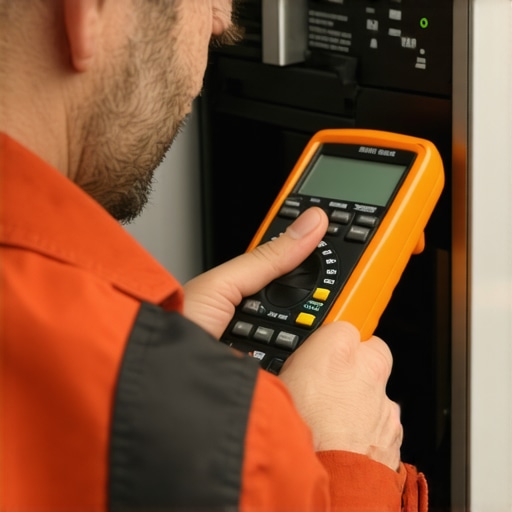
Personally, I swear by a digital multimeter for diagnosing electrical issues. Unlike basic testers, a quality multimeter allows me to measure voltage, current, and resistance precisely, helping me pinpoint problems quickly. I also rely on a torque screwdriver when tightening appliance screws, ensuring I don’t over-tighten or strip delicate components—a mistake I made early on that cost me extra repairs. For complex parts, I use a ultrasonic cleaner to remove grime from delicate components without causing damage, which extends the lifespan of sensitive electronics. These specialized tools save me money and avoid unnecessary service calls.
Software That Keeps My Repairs on Track
When it comes to maintaining consistent repair quality, I depend on software like PartsTree and RepairSolutions1. They provide detailed part diagrams, repair histories, and manufacturer updates. These platforms help me stay aligned with the latest technician guidelines, reducing guesswork and increasing efficiency. As technology advances, integrating such software into my routine ensures I keep up with evolving appliance designs and repair protocols. I predict these digital tools will become even more intelligent, using AI to suggest troubleshooting steps based on symptom descriptions.
How do I maintain appliances over time?
Regular maintenance extends the life of your appliances significantly. I schedule quarterly inspections for critical components like filters, belts, and seals. For example, cleaning the condenser coils on refrigerators every six months prevents overheating and reduces energy costs. Additionally, updating firmware when applicable ensures appliances run smoothly and benefit from the latest features—most manufacturers provide free updates accessible through official apps or websites. Implementing routine checks and updates can help you avoid costly repairs; consult expert guides such as this comprehensive guide for detailed schedules.
Choosing the Right Maintenance Approach
While DIY maintenance works for minor tasks, I recommend professional checkups for complex or risky repairs. For instance, calibration of smart thermostats or gas appliances should be handled by certified technicians to ensure safety and warranty coverage. Manufacturers often recommend specific maintenance routines; following these can prevent voiding warranties or causing damage. When in doubt, contacting a trusted provider like our team ensures quality service backed by warranty benefits. Remember, proactive maintenance saves time and money in the long run, and with the advent of advanced diagnostic tools, technicians can identify issues before symptoms become apparent.
Future of Appliance Maintenance
As IoT-enabled appliances become more prevalent, maintaining connectivity and software health will be crucial. I foresee a future where devices notify you of issues proactively, and remote diagnostics allow technicians to prepare parts in advance—minimizing downtime. Staying current with these trends will include integrating smart home management platforms and predictive analytics into your maintenance routine. Start experimenting with regular software updates and monitoring systems now to benefit from those upcoming innovations.
Lessons That Changed My Approach to Appliance Care
One unexpected insight I gained was realizing that even the slightest tilt of my range significantly impacts heat distribution, leading to uneven baking or cooking. It taught me to prioritize precision over speed, ensuring my appliances are perfectly set up for optimal performance.
Another revelation was understanding that professional tools, like high-quality levels and proper shims, are worth every penny. They make the leveling process straightforward and prevent costly mistakes that could void warranties or cause safety hazards.
Finally, I learned that proactive maintenance and correct installation go hand in hand. Investing time in proper setup not only extends your appliance’s lifespan but also saves you money and frustration in the long run. The peace of mind that comes with knowing your range is level is truly invaluable.
Tools, Resources, and Knowledge that Keep Me Ahead
My go-to tools include a reliable digital level—precision is everything when leveling a range—and a sturdy wrench for adjusting leveling legs. I trust these because they give me the control I need and reduce guesswork. For detailed guidance, I recommend the expert guide to appliance installation in 2025, which offers step-by-step instructions backed by industry professionals.
Additionally, I keep a set of quality shims and a torque screwdriver to ensure each adjustment is secure without over-tightening. These tools help me maintain safety and appliance longevity. Regularly reviewing reputable sources like warranty-backed appliance services alerts me to best practices and emerging technology trends for appliance care.
Embrace the Power of Action and Improvement
Leveling your range might seem simple, but its impact is profound. A well-leveled appliance ensures consistent heat, safer operation, and fewer repairs—benefits that transform your culinary and household routines. Don’t wait for uneven baking or appliance issues to remind you that proper setup matters. Take that first step today, and soon you’ll wonder why you didn’t do this sooner.
What has been your biggest challenge when installing or leveling an appliance? Share your experiences below, and let’s grow smarter together!