
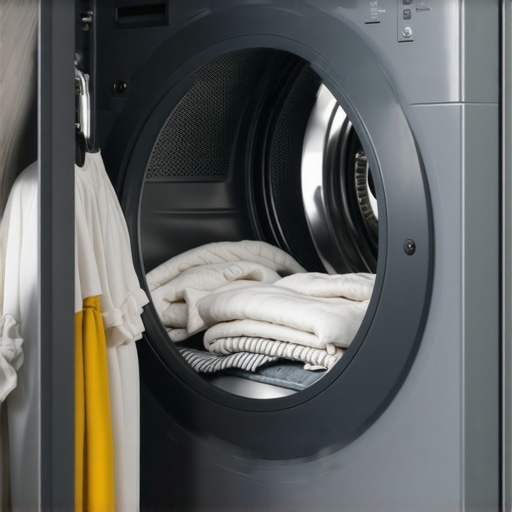
Have you ever stood in your laundry room, watching your dryer spin, only to be greeted by an unexpected loud thumping noise? It’s that jarring sound that suddenly turns a routine laundry day into a mini stress session. I remember the first time it happened to me—my heart sank, wondering if I had to replace the entire appliance. Turns out, that loud thumping isn’t just annoying; it’s a sign that something needs attention. The good news? Most of the time, it’s fixable without breaking the bank.
Today, I’ll walkthrough what causes that unsettling thumping, how to identify if it’s time to call in a pro, and simple steps you can take to get your dryer back to whisper-quiet operation. Because let’s be honest—who wants their laundry day cut short by a squealing, banging machine?
Pinpointing the Cause of the Thumping Sound
In my experience, the most common reason a dryer makes a loud thumping noise during its rotation is a worn-out or broken drum support roller. Think of these rollers as the wheels that help your dryer drum spin smoothly. When they’re damaged, the drum can wobble or hit the sides, creating that telltale thud. Another culprit could be an imbalanced load—stuffing your dryer with too many clothes on one side can cause uneven rotation, leading to a loud bump.
Early on, I made the mistake of ignoring a minor imbalance, thinking it was just a one-time thing. Big mistake. It worsened over time, and soon I was facing what seemed like a full-blown repair. The lesson here? Don’t dismiss strange noises; they’re often signals of underlying issues that, if addressed promptly, can save you a ton of money and hassle.
If you’re curious about proper maintenance or want to explore installation tips, you might find [this expert guide to appliance repair and installation today](https://discountappliancehub.com/expert-guide-to-appliance-repair-and-installation-today) helpful. Also, if you’re contemplating whether to fix the issue yourself or seek professional help, check out [how to identify a legitimate same day repair service](https://discountappliancehub.com/how-to-identify-a-legitimate-same-day-repair-service).
So, have you noticed a loud thumping during your dryer’s spin cycle? If yes, let’s dive into how you can troubleshoot this problem and restore peace to your laundry room.
Remove the Dryer Drum for Inspection
Start by unplugging your dryer and moving it to a well-lit workspace. Use a screwdriver to remove the screws holding the top panel and control console, then lift it off. Take out the front panel to access the drum. I once repaired a dryer like this after noticing a persistent thump—inside, I discovered a worn drum support roller that was causing the wobble. Carefully slide the drum out, supporting it as you go.
Identify and Replace Worn Roller Components
Inspect the drum support roller, idler pulley, and drum glides for signs of wear or damage. These parts are like the wheels on a skateboard—if they’re worn out, the ride (or spin) gets noisy. In my case, a cracked support roller was evident. Replace the faulty roller with a new one, ensuring it’s compatible with your model. This process resembles changing a wheel—it requires patience and attention to detail.
Balance the Load and Check for Obstructions
Uneven loads or objects trapped between the drum and the drum wall can cause thumping. Spread clothing evenly or remove any foreign objects. Think of it as balancing weights on a wheel—an imbalance intensifies vibrations. Once you’ve realigned the load, run the dryer empty to see if the noise persists, confirming whether the issue is mechanical or load-based.
Tighten or Replace Belt and Support Structures
Loose or frayed belts can create banging sounds. Examine the drive belt for cracks and replace if necessary. Also, ensure all mounting brackets are securely fastened. I once overlooked a loose belt, which caused the drum to hit the side, creating loud noises. Tightening or replacing belts is like tensioning a guitar string—proper tension ensures smooth, quiet operation.
Reassemble and Test the Dryer
After replacing worn parts and balancing the load, reassemble the dryer in reverse order. Double-check all screws and connections. Plug the dryer back in and run a short cycle, listening carefully. In my experience, this final step confirms whether the repair was successful. If noise persists, it might be time to consult a professional, especially since complex issues like a warped drum or misaligned components can require specialized tools. Learn more about reliable appliance repair options and warranties at this link.When it comes to appliances, many homeowners hold onto misconceptions that can lead to costly mistakes. One prevalent myth is that a standard warranty covers all repairs, but in reality, warranties often exclude cosmetic damages or specific parts, making it vital to read the fine print. Another common misunderstanding is that installation is a simple plug-and-play process; however, improper setup can void warranties or cause performance issues, so relying on professional installation guarantees peace of mind. Regarding same-day service, many assume it’s always guaranteed, but high demand can lead to delays—knowing how to schedule efficiently or understanding service policies helps you avoid surprises. A frequent blunder is neglecting to verify if a repair technician is authorized; employing unlicensed or untrained workers can risk poor repairs and jeopardize warranty claims. Advanced homeowners also ask:
How can I ensure my appliance repairs don’t void the warranty?
Experts recommend documenting repairs, using manufacturer-approved parts, and consulting your warranty policy beforehand; for detailed guidance, see this resource. Keep in mind, many people underestimate the importance of professional installation and service—cutting corners here often leads to higher long-term costs. Don’t fall into the trap of thinking DIY fixes are always harmless; a slight mistake can escalate into bigger problems. Properly understanding these nuances ensures your appliances function optimally and that you’re protected when issues arise. Have you ever fallen into this trap? Let me know in the comments.
Invest in Reliable Diagnostic Tools for Peace of Mind
Personally, I rely on a digital multimeter calibrated regularly to assess electrical faults accurately. Its precision helps prevent unnecessary part replacements, saving time and money. I also use a torque wrench when installing or servicing components to ensure I meet manufacturer specifications, which is critical for prolonged appliance lifespan.
Incorporate Software Monitoring for Modern Appliances
For smart appliances, I recommend platforms like the manufacturer’s app or third-party diagnostic software that can track performance over time. These tools not only alert you to issues early but also provide data to guide maintenance schedules. As technology advances, integrating cloud-based monitoring is predicted to become a standard, enabling proactive repairs before breakdowns occur.
Master Proper Maintenance Routines to Extend Appliance Life
Consistent cleaning, such as clearing lint filters or descaling coffee machines, significantly reduces wear. I schedule quarterly check-ups for filters and seals, which I document with a maintenance log. This habit helps identify patterns that might indicate emerging issues, saving you from costly repairs. For instance, regularly inspecting dryer vent systems can prevent dangerous buildups and ensure efficient operation.
Use Quality Replacement Parts and Follow Installation Best Practices
Replacing worn components with OEM parts is a non-negotiable in my toolkit. For example, I recommend always verifying compatibility when purchasing parts—this is crucial to maintain warranty coverage and ensure safety. When installing, I follow manufacturer instructions meticulously or consult expert guides like this comprehensive resource. Proper installation now minimizes future troubleshooting and keeps your appliances functioning optimally.
Adopt a Proactive Approach to Maintenance and Repair
Scheduling annual professional inspections can catch issues early, like worn-out drum support rollers or misaligned belts, which I’ve seen cause major failures otherwise. Additionally, opting for fast, trustworthy installation services ensures your setup is correct from the start. This reduces the likelihood of damage and future repairs, extending your appliance’s lifespan significantly.
How do I maintain appliance longevity over time?
To keep appliances running smoothly, I suggest a combination of routine cleaning, timely part replacement using OEM components, and leveraging smart diagnostics when possible. For instance, integrating a maintenance schedule into your calendar can help. Additionally, always adhere to manufacturer recommendations for usage and avoid shortcuts during installation or repair, as these can void warranties or cause damage. Learning how to properly support your appliances during setup and maintenance—like ensuring a sturdy installation—can make a big difference in preventing long-term issues. For more detailed guidance on ensuring reliable installations, check this expert advice.
From my years of experience with appliance repair, I’ve learned that the most challenging issues often hide behind seemingly minor problems like a loud thumping in the dryer. The key to long-term peace is recognizing when a small symptom signals a bigger concern and knowing how to address it effectively. In this article, I want to share some of these insights to help you become proactive in maintaining your appliances.
The Hidden Lessons Every Dryer Owner Should Discover
- Ignoring early signs can lead to costly repairs: I once delayed fixing a wobbly drum and ended up replacing the entire assembly—saving a few dollars upfront cost me triple later. Learning to trust your ears and instincts is vital.
- Proper maintenance extends appliance lifespan: Regularly inspecting support rollers and belts prevents sudden breakdowns. A bit of effort in checking components periodically can save you from emergency repairs.
- DIY can be rewarding but risky without proper knowledge: I recommend consulting a professional or reliable guides like this expert guide before attempting major repairs. Sometimes, the cost difference is worth peace of mind.
- The myths about warranties and service providers: Many assume warranties cover everything—reality is, they often exclude certain parts or damages. Knowing what your coverage includes can prevent surprises. For expert help, consider these trusted warranty-backed services.
Equip Yourself with Tools That Make a Difference
Investing in a quality digital multimeter and torque wrench provides accurate diagnostics and proper installation—tools I personally use and trust. They help prevent unnecessary part replacements and ensure your appliance is reassembled correctly, prolonging its life.
Take Action for a Quieter Laundry Room
Don’t wait until the next load creates chaos; embrace regular inspections and timely repairs. Whether you choose to handle minor fixes yourself or call in experts through services like fast, trustworthy installation, empowering yourself is the first step toward hassle-free laundry days.