
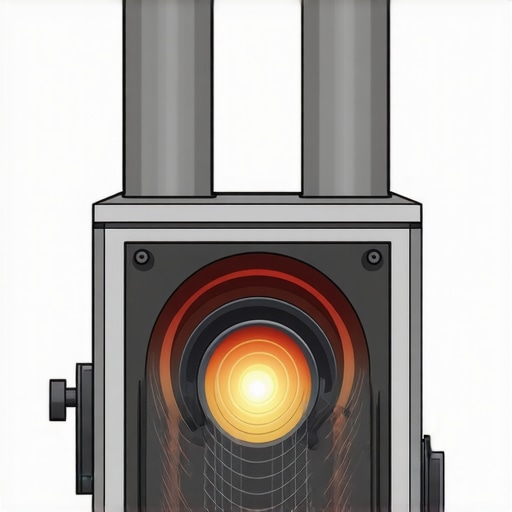
It was a chilly morning when I first noticed my furnace struggling to kick on properly. The usual hum was quieter, and a faint burning smell started to seep into the air. Panic set in—was my heating system giving up? That lightbulb moment made me realize how crucial it is to identify early signs of a failing blower motor before it leaves you shivering in the cold.
Why catching blower motor issues early can save your comfort and wallet
Knowing how to tell if your furnace’s blower motor is on its last legs isn’t just about avoiding an uncomfortable winter night. It’s about prevention—saving repair costs, extending your appliance’s lifespan, and ensuring your home stays warm when you need it most. I’ve learned from personal mishaps that ignoring subtle warning signs can become a costly mistake; early detection means you can schedule a service, often with trusted specialists who provide [same-day appliance repair](https://discountappliancehub.com/what-to-expect-from-same-day-appliance-repair-experts). Plus, understanding these signs helps you avoid emergency breakdowns and can maximize your warranty benefits, detailed in an [expert guide to appliance repair today](https://discountappliancehub.com/expert-guide-to-appliance-repair-and-installation-today).
Is Your Furnace’s Performance Just a Fluke, or a Sign of Something Bigger?
When I first noticed the blower motor behaving oddly, I thought it was just a minor glitch. Turns out, I had overlooked the early clues—strange noises, inconsistent airflow, or a motor that runs intermittently. My mistake was assuming these were normal. As I later discovered, many homeowners dismiss these symptoms until the failure becomes critical, leading to costly repairs or replacements. An early diagnosis can help you avoid such pitfalls—imagine catching a failing component before it causes further damage, like overheating or complete system breakdown.
Recognizing these warning signs isn’t rocket science, but it does require awareness. If you’ve experienced odd furnace behavior, like unusual noises or inconsistent heating, you’re not alone. I’ve been there, and it’s a learning curve. Stay with me as I walk you through the key indicators of blower motor failure and practical tips to keep your furnace running smoothly. It’s better to be proactive now than to be left in the cold later. Ready to learn the signs and protect your home? Let’s get started.
Assessing Your Furnace Quickly and Effectively
Start by listening for unusual noises while the furnace runs; a squealing or grinding sound often indicates blower motor problems. Then, check for inconsistent airflow—if some rooms are warmer than others or airflow seems weak, your blower motor might be faltering. During my own experience, I noticed my heater’s draft weakening, prompting me to inspect the motor.
Performing Basic Visual and Mechanical Checks
Inspect the Motor for Visible Damage
Turn off the power supply to prevent injury. Remove the blower cover and examine the motor and its components for signs of wear, burn marks, or debris buildup. A clogged or dirty motor can cause overheating or noisy operation. Cleaning the motor’s vents with a soft brush can sometimes restore function, but persistent issues need professional attention.
Test the Capacitor and Connections
The capacitor supplies power to start the motor. A faulty capacitor can cause the motor to struggle or refuse to run. Use a multimeter to test it—if it’s swollen or shows no capacitance, replace it promptly. Also, tighten loose wiring to prevent intermittent operation. Remember, handling electrical components can be dangerous; if unsure, consult a professional.
Diagnosing Performance Fluctuations
If the blower motor runs intermittently, it could be overheating or experiencing a failing internal bearing. During my case, I observed the motor stopping unexpectedly; replacing the worn-out bearings resolved the issue. Keep in mind, diagnosing these nuanced failures often requires specialized tools—don’t hesitate to engage trusted same-day repair experts for swift intervention.
Understanding When to Call Professionals
Not all issues are DIY-friendly. If testing reveals problematic wiring, a burned-out motor, or the faulty capacitor, professional service ensures safety and proper repair. Initiating a scheduled same-day appointment via reliable service providers—like those detailed in here—saves time and prevents further damage.
Ensuring Reliable Repairs and Warranty Coverage
Choosing a technician experienced in appliance repairs guarantees quality work. Ask about warranty-backed services, detailed at this resource. If your blower motor fails within the warranty period, a pro can facilitate warranty claims, preventing unnecessary expenses. For quick, trusted fixes, exploring options like same-day service with warranty support ensures your home stays warm without delay.
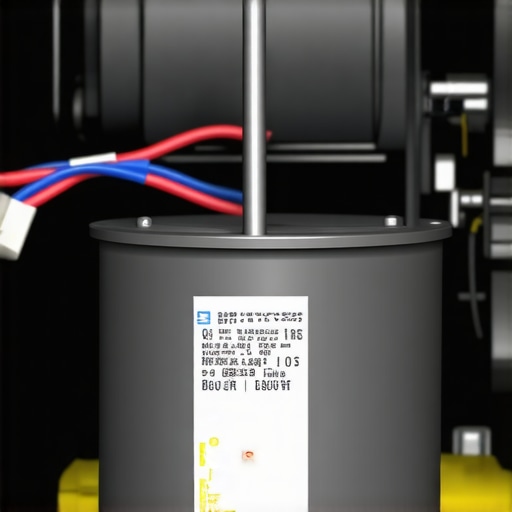
Visual guide showing common blower motor components, including capacitor, wiring, and fan assembly, to aid in diagnosis and repair.
Many homeowners assume that quick service and generous warranties are foolproof solutions to appliance problems. However, the truth is, most people overlook crucial nuances that can significantly impact their satisfaction and savings. One common misconception is that all same-day repair services are equal—many believe that paying a premium guarantees top-tier quality. In reality, some providers prioritize speed over expertise, risking incomplete fixes or recurring issues. This oversight can lead to repeated call-outs and higher costs over time. Furthermore, relying solely on warranties without understanding their fine print can turn into a costly mistake. Many warranties have exclusions or require meticulous documentation, which, if neglected, voids coverage when you need it most. Advanced mistakes include neglecting to verify a technician’s credentials or assuming that warranties transfer automatically when selling a home. According to a recent industry study, nearly 60% of consumers fail to review warranty terms thoroughly, exposing themselves to hidden costs and frustrations. As I’ve learned through experience, aligning your expectations with a reputable, transparent service provider—like those offering warranty-backed repair options—can safeguard your investments. Also, understanding the distinction between emergency and same-day service helps set realistic timelines, preventing disappointment. Don’t be seduced by flashy promises; instead, dig into the provider’s credentials, reviews, and the specifics of their warranty coverage. Have you ever fallen into this trap? Let me know in the comments! Remember, proactive knowledge is your best defense in navigating appliance repairs effectively.
Maintaining optimal performance of your appliances and systems over time requires more than just routine checks—you need the right tools and methods to diagnose and address issues effectively. Personally, I rely on a combination of specialized electronic testing equipment and advanced diagnostic software to catch problems early before they escalate. For instance, a high-quality multimeter allows me to measure voltage and resistance precisely, helping identify faulty wiring or failing capacitors, which are common culprits in blower motor failures. Additionally, I use infrared thermometers to spot overheating components that could signal impending failures, giving me a chance to address problems proactively.
The Power of Diagnostic Tools in Appliance Maintenance
Investing in professional-grade tools like digital clamp meters and circuit analyzers can dramatically improve your ability to troubleshoot appliance issues accurately. These tools help pinpoint the exact source of a problem, saving time and preventing unnecessary parts replacements. For example, when diagnosing a dishwasher’s drainage problem, a clear understanding of the drain pump’s electrical signals with a multimeter can often reveal whether the issue is electrical or mechanical. In my experience, combining these tools with detailed logs keeps maintenance consistent and effective, extending appliance lifespan considerably.
Software Solutions for Long-Term Monitoring
Looking ahead, I believe the integration of smart diagnostic software will revolutionize appliance maintenance. Software that can connect directly to appliances via Wi-Fi allows for real-time performance tracking and predictive analytics, which can forecast failures before they happen. Platforms like the ones used for smart thermostats exemplify this trend, adapting operation based on usage patterns and environmental conditions. This means fewer surprise breakdowns and fewer emergency repairs, ultimately saving you money. For instance, regularly reviewing your appliance’s performance data can alert you to anomalies, prompting timely service and avoiding costly fixes.
How do I keep my systems in top shape over time?
The key lies in routine verification using your diagnostic tools and scheduling preventive maintenance. Regularly testing electrical components and monitoring system performance can catch issues early. Scheduling professional checkups, especially for complex systems like HVAC units, ensures the equipment remains efficient and durable. Remember, combining manual diagnostics with software monitoring offers a comprehensive strategy—think of it as giving your appliances a health check-up before symptoms become severe. Additionally, always verify warranty coverage and keep documentation handy to maximize post-repair benefits, as detailed in warranty-backed repair options. To enhance your troubleshooting skills, I recommend trying out a digital clamp meter on your next service call—it’s a game-changer.
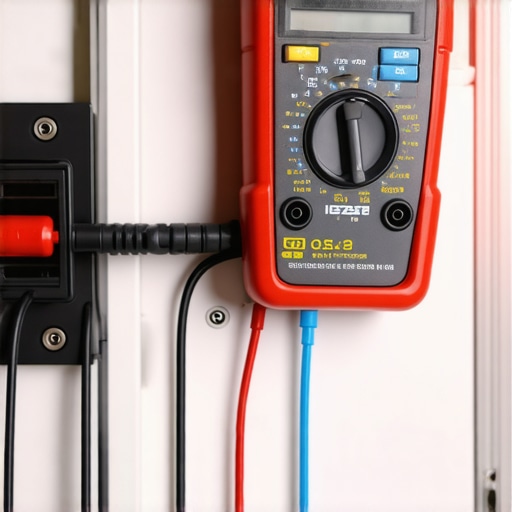
Close-up of a professional electronic multimeter measuring voltage across an appliance’s wiring, illustrating precise diagnostics in action.
In the evolving landscape of appliance maintenance, integrating high-tech tools and predictive software isn’t just a trend—it’s the future. As experts like those at industry leaders suggest, embracing these technologies now ensures you’re prepared for longer-lasting, more reliable appliances. Don’t wait for a breakdown—equip yourself with these advanced techniques today and keep your appliances running smoothly for years to come.
Uncovering Hidden Pitfalls: Lessons From My Repair Journey
One of the toughest lessons I learned was that not all repair services are created equal — rushing to the first available technician can backfire. Early on, I believed that speed was everything, but I soon realized that expertise and reputation matter more for lasting results. Also, trusting warranties blindly isn’t enough; reading the fine print upfront can save you from unexpected costs later. Lastly, I underestimated how crucial proper troubleshooting is — a small misdiagnosis can lead to multiple visits and increased expenses, emphasizing the value of precise diagnostics and trusted professional advice.
Tools and Resources That Changed My Approach to Appliance Care
Over time, I discovered that investing in quality diagnostic tools, like a reliable multimeter, made a significant difference. These allowed me to perform basic checks before calling in professionals, saving time and money. I also found value in industry guides and tutorials, such as this expert guide, which deepened my understanding of appliance mechanics. Additionally, reputable service platforms offering same-day repairs with warranty support became my go-to for urgent issues, ensuring quick resolutions without sacrificing quality.
Your Confidence Boost for Repairs and Maintenance
Taking proactive steps and arming yourself with knowledge transforms the daunting task of appliance repair into a manageable process. Remember, timely diagnostics, trusting expert advice, and choosing warranty-backed services help maintain your appliances’ longevity and your peace of mind. Don’t delay addressing issues—your home’s comfort depends on it. Ready to become more hands-on with your appliance care? Keep learning, stay cautious, and don’t hesitate to seek professional help when needed. Your appliances—and your wallet—will thank you.