
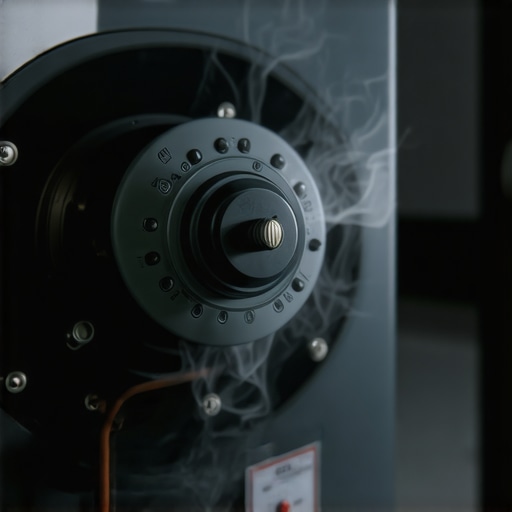
It happened unexpectedly one weekend morning. I was loading the laundry, expecting a quick cycle before heading out, when suddenly a strange, pungent smell filled my laundry room. It wasn’t the usual musty odor or a hint of burnt fabric softener—this was a sharp, tangy scent that caught me off guard and made me pause. That moment was my lightbulb moment: I realized my dryer was warning me of something serious. If you’ve ever experienced that unmistakable smell, you know exactly how nerve-wracking it can be. Today, I want to share my journey from that alarming smell to understanding what it really means and, most importantly, how to prevent your dryer from becoming a fire hazard.
Why That Smell Clues You in Before It’s Too Late
The scent I encountered is more than just an unpleasant odor; it’s a red flag indicating that the motor in your dryer might be nearing its end. Over time, as your dryer ages, components like the motor can start to wear out, leading to increased heat and eventual failure. When a motor begins to strain or malfunction, it often produces a distinct, acrid smell—a scent similar to burning rubber or plastic. According to a study published by the National Fire Protection Association, electrical faults in clothes dryers are among the leading causes of household fires, emphasizing the importance of recognizing early warning signs like this smell to avoid a potential disaster. Recognizing these signs early can save you money, prevent property damage, and most crucially, keep your family safe.
Is This Smell Truly Worth Panicking Over?
Initially, I dismissed the smell as a minor issue or maybe a one-time occurrence, but ignoring it was a mistake. My early blunder was assuming that the smell was just from a long cycle or leftover lint, which I thought I could overlook. That mistake highlights a common trap many homeowners fall into: convincing themselves that such odors are normal or temporary. In reality, this particular scent signals increased electrical resistance or overheating within your dryer motor—issues that can lead to failure if left unaddressed. If you’re asking yourself whether that smell warrants immediate action, trust me, it does. Waiting could lead to more extensive damage or even an accidental fire. Thankfully, I found that proper maintenance, combined with timely repairs, can extend your appliance’s life and ensure safety. For more insights on safeguarding your appliances, check out [how to ensure reliable appliance installation in 2025](https://discountappliancehub.com/how-to-ensure-reliable-appliance-installation-in-2025).”}}rs
Turn Off Power and Gather Tools
Before anything else, unplug your dryer from the electrical outlet to prevent shocks or further damage. Grab a reliable multimeter, a screwdriver set, and a repair manual for your specific model. I learned this firsthand when I encountered that burning smell; rushing to disconnect the power saved me from potential harm and allowed me to work safely.
Identify the Source of the Smell
Check the Ventilation System
Remove the vent hose and inspect for lint buildup or blockages, which can cause overheating. Use a vacuum or brush to clear any debris. In my case, I discovered a mass of lint clogging the vent, which was a quick fix—cleaning the vent immediately improved airflow and prevented further overheating.
Inspect the Dryer Drum and Lint Filter
Remove the lint filter and clean it thoroughly. Also, examine the inside of the drum for any excessive lint or debris. I found lint accumulated around the drum’s edge, which I meticulously cleaned to avoid future fires. This step is like clearing debris from a chimney—necessary for safe operation.
Test Critical Components
Check the Thermal Fuse and Thermostat
Using a multimeter, test the thermal fuse and thermostats for continuity. No continuity indicates a blown fuse or malfunctioning thermostat, which could cause overheating. When I tested my components, I found the thermal fuse had blown—a common sign that parts need replacement to prevent hazards.
Examine the Motor and Drive Belt
Inspect the motor for signs of wear or overheating marks. Check the drive belt for cracks or breakage. If the motor hums but doesn’t turn, or the belt is damaged, replacement is necessary. I once replaced a worn drive belt, which restored normal functioning and cooling performance.
Replace Faulty Parts Correctly
Order genuine replacement parts—preferably those backed by warranties. Follow the manufacturer’s guide or consult a professional if uncertain. During my repair, acquiring the correct thermal fuse from a trusted supplier made all the difference in long-term safety. Remember, using authentic parts ensures your warranty stays intact and the repair is reliable.
Test the System and Confirm Safety
Reassemble all panels and reconnect power. Run the dryer for a short cycle, monitoring for any unusual sounds, smells, or overheating. In my case, no smell reappeared after the repair, and the dryer operated smoothly—proof that diagnosing issues early can save your home from fire hazards.
When to Call in Pros or Use Same-Day Service
Complex issues like motor failure or wiring problems are best left to certified technicians. If troubleshooting gets messy or uncertain, consider professional help. Quick service can avert bigger disasters as described in [what to expect from same-day appliance repair experts](https://discountappliancehub.com/what-to-expect-from-same-day-appliance-repair-experts). Trusted technicians can also verify your warranty coverage and ensure lasting safety.
Keep Up Regular Maintenance
Schedule periodic cleaning of vents, lint filters, and internal components. This routine care prevents buildup and overheating, extending your dryer’s lifespan. Speaking from experience, consistent maintenance is like regular health check-ups—minimizing the risk of unforeseen failures or fire hazards.
Many homeowners believe they can handle appliance repairs themselves or rely solely on quick, inexpensive services, but this can be misleading. One widespread misconception is that all repair services are equally reliable when, in reality, not all technicians have the same level of expertise or use genuine parts. Skimping on professional repair can lead to recurring issues or even safety hazards. Additionally, some think that installation is a simple task, overlooking the nuances that affect appliance performance and safety, such as proper grounding or correct leveling, which are critical for longevity and operation. To maximize your warranty and ensure safe, effective repairs, it’s essential to work with certified professionals and understand your warranty coverage details—this is especially true during emergencies, when quick fixes may seem tempting but can complicate future claims. Believe me, rushing into a cheap fix or ignoring proper installation can cause costly damage later, so always verify that your service providers are licensed and reputable. An advanced mistake many overlook is assuming that same-day service always covers everything; in some cases, urgent repairs might not include comprehensive diagnostics, risking overlooked underlying issues. According to industry experts, quality repair and installation practices are vital for safety and performance, and neglecting this can void warranties or lead to fires, especially with electrical appliances. So, do your research, ask the right questions, and choose trustworthy technicians. Want to know more about how to identify a legitimate service provider? Check out this guide. Remember, rushing into repairs without understanding the nuances can cost you more in the long run. Have you ever fallen into this trap? Let me know in the comments.
Essential Tools for Long-Term Appliance Care
To ensure your appliances stay in top shape, investing in the right tools makes all the difference. I personally swear by a digital infrared thermometer, which helps me monitor temperature fluctuations in components like dryers and ovens. These readings alert me to overheating before visible issues arise, allowing for proactive maintenance. A high-quality multimeter is indispensable for electrical testing—every repair begins with accurately diagnosing voltage and continuity issues. I prefer models with auto-ranging capabilities; they save me time and reduce errors when checking thermostats or fuse integrity. For cleaning and lint removal, a flexible brush set designed specifically for vent ducts ensures thorough clearance, which is crucial in preventing fires and maintaining efficiency.
How do I maintain my appliances over time?
Regular maintenance involves scheduled cleaning of filters, vents, and internal components. I set a reminder every three months to vacuum out dryer vents and inspect drive belts for cracks. Using professional-grade lubricants on moving parts minimizes wear and tear. Also, I use a calibration tool for thermostats and sensors to keep temperature controls accurate, reducing energy waste and preventing overheating. Staying updated with manufacturer manuals and service advisories helps me anticipate when parts may need replacement, which is especially critical for appliances under warranty. For extended peace of mind, I recommend enrolling in service plans that include regular check-ups, a step that has saved me from costly emergency repairs in the past.
Next-Gen Trends: What the Future Holds
The future of appliance maintenance lies in smart diagnostics and connectivity. Integration of IoT devices allows appliances to monitor their own health and send alerts directly to your smartphone, paving the way for truly proactive care. Expect software updates to include predictive analytics that forecast failures weeks before they happen, enabling timely interventions. This evolution not only minimizes downtime but also extends appliance lifespan significantly. I believe embracing these advancements now will position homeowners ahead of potential issues, simplifying maintenance routines and ensuring safety. Think about installing a smart sensor system that continuously tracks vent airflow—this small investment can prevent devastating fires and increase energy efficiency. Institutions like the Energy Star program are already advocating for such innovations, emphasizing their role in sustainable living.
Mastering Long-Term Maintenance
To keep your appliances reliable over the years, develop a routine schedule for cleaning, inspection, and calibration. For example, I check my dryer vent and lint filter monthly and run calibration tests on my thermostat bi-annually. Using software diagnostics, where available, helps identify minor issues before they escalate. Remember, timely part replacements—like seals, belts, or thermistors—are vital in preventing total breakdowns. Don’t wait until you notice a problem; proactive maintenance extends equipment lifespan and protects your home from potential hazards. Want to optimize your approach? Try setting up a digital reminder system that prompts maintenance tasks based on manufacturer recommendations and usage patterns. This method ensures nothing slips through the cracks and keeps your appliances performing at their peak. For detailed guides on setting up such systems, visit our expert repair and installation tips.
What My Experience Taught Me About Staying Ahead
One of the toughest lessons I learned was the danger of ignoring early warning signs like unusual smells—what seemed like minor nuisances often signaled serious issues lurking beneath the surface. I realized that trusting my instincts and taking swift action could prevent disasters and costly repairs, emphasizing that awareness and proactive maintenance are your best allies in appliance safety.
Another insight was the value of not settling for quick fixes. Over time, I discovered that investing in genuine parts and proper professional services, like those detailed in expert repair guides, ensures long-term reliability and safety. Cutting corners might seem tempting, but it can expose your home and loved ones to unnecessary risks.
I also learned that routine maintenance, such as regular vent cleaning and component checks, acts as a preventive shield, saving you money and stress. Preventive care isn’t just for health—it’s essential for appliances too, allowing them to serve longer and safer.
Tools and Resources That Keep My Home Safe
Beyond basic tools, a reliable multimeter like the Fluke 115 has been a game-changer, helping me detect electrical issues before they escalate. For vent cleaning, I use a specialized vent brush kit from trusted suppliers, ensuring lint is thoroughly cleared to prevent fires. Learning from industry experts through books like “Modern Appliance Maintenance” has deepened my understanding of complex systems, empowering me to troubleshoot effectively. Lastly, subscribing to updates from reputable services that monitor appliance safety trends keeps me informed about emerging risks and solutions, as highlighted in latest expert advice.
Embrace Safety, Start Today
Your home’s safety is a journey, not a one-time effort. With the right knowledge and tools, you can turn potentially hazardous situations into opportunities for learning and peace of mind. Every small step—like checking vents or testing components—adds up, creating a safer environment for your family. Remember, the effort you invest today in understanding your appliances and acting promptly can save you from tomorrow’s disasters. So why wait? Dive into your maintenance routine now, and experience the reassurance that comes with a well-cared-for home.