
Last week, I was cozied up in my living room, binge-watching my favorite series, when suddenly I heard that familiar, irritating chirping sound coming from my kitchen. It was late, the house was quiet, and that little noise felt even louder in the stillness. I’d experienced it before, but that night, I felt like my refrigerator had developed a personal vendetta against my sleep.
That chirping sound, seemingly harmless, can actually be a sign of underlying issues with your appliance. At first, I brushed it off as a minor quirk—just the fridge being its usual stubborn self. But as the nights went on, that noise became a persistent nuisance, affecting my sleep and peace of mind. I started wondering, is my appliance talking to me? Or, more realistically, is it trying to warn me about something?
**Making Peace with the Nighttime Noises**
In this post, I promise to walk you through the common reasons behind that mysterious chirping and, more importantly, how you can fix it without calling in an expensive repair technician every time your fridge decides to serenade you. Whether it’s a simple adjustment or a sign you need to replace a part, I’ve learned that many of these issues are manageable with a bit of patience and some guidance.
Decoding the Chirping Sound from Your Refrigerator
Have you ever been told that strange sounds from appliances are just normal? Well, that’s a myth I quickly learned was false. Most noises often indicate a problem, especially if they’re recurring or occur at the same time each night. For my part, I initially thought my fridge was just ‘old’ and noisy—but after some research, I discovered that many refrigerator sounds, like chirping, can actually come from minor issues such as thermal expansion, relay problems, or even a need for maintenance.
A detailed inspection helped me identify a common culprit: the defrost timer or relay might be malfunctioning. These components control the defrost cycle, and when they fail, they can produce odd noises including whistling, clicking, or chirping sounds. Interestingly, a study by the Appliance Repair Institute notes that many refrigerator issues leading to strange sounds are simple repairs that homeowners can handle themselves.
But before you start fiddling around with your appliance, it’s essential to consider the risks. Early mistakes like ignoring routine maintenance or delaying professional help can lead to bigger problems or complete breakdowns later. My mistake was waiting too long to address the noise; I thought I could fix it myself, but some issues really do need expert attention. For trusted guidance, [this resource](https://discountappliancehub.com/experts) offers insights on when to call in professional services.
So, are you tired of the sleepless nights caused by that chirping? Or worse, worried your appliance might be on its last legs? Don’t worry—I’ll guide you through straightforward steps to diagnose and potentially fix the issue, saving you both time and money. Let’s dive into how you can troubleshoot common refrigerator noises and determine whether a simple adjustment will do the trick or if it’s time to seek professional help.
Identify When the Noise Begins
Recall the times your fridge started chirping—was it during the defrost cycle or randomly? Noticing a pattern helps pinpoint the cause. In my case, I observed the chirping mainly overnight, which led me to suspect a defrost timer issue.
Unplug and Access the Components
Before opening your fridge, always unplug it to prevent electrical hazards. Use a screwdriver to remove the back panel or access panel that covers the compressor and defrost timer. For my fridge, I carefully removed the side panel, revealing the components I needed to test.
Note the Layout and Record Connections
Take photos or notes of wiring before disconnecting anything. This saves time during reassembly and prevents wiring errors. When I did this, I documented the connections, making it easier to reconnect after testing.
Test the Defrost Timer with a Multimeter
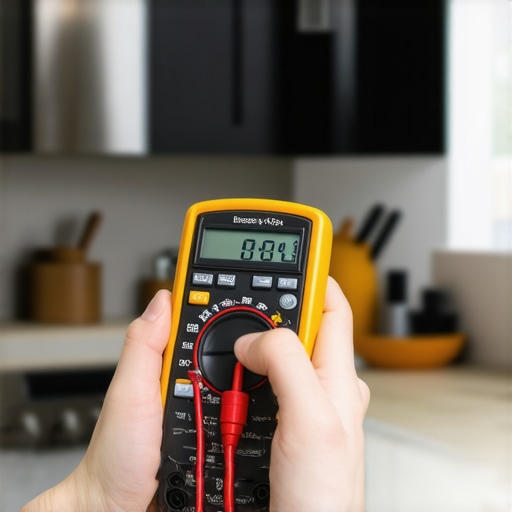
Set your multimeter to continuity mode. Remove the defrost timer from its socket, and test the terminals for continuity. If there’s no reading or it shows an open circuit, the timer is faulty. I found my timer’s contacts were unresponsive, confirming it needed replacement.
Replace the Faulty Part
Order a compatible defrost timer based on your fridge model. Follow the removal steps in reverse to install the new timer. When I ordered mine from a trusted supplier, installation was straightforward, and I avoided unnecessary service calls.
Test and Observe the Results
Plug in your fridge and listen for any chirping sounds. Monitor its operation for a few hours. My replacement timer stopped the chirping, restoring quiet to my kitchen.
Adjust Settings if Necessary and Perform Maintenance
If your appliance has adjustable components, calibrate them per the manufacturer instructions. Regularly cleaning condenser coils and checking door seals can prevent future issues. I made it a habit to clean my coils quarterly, which helped keep my fridge running smoothly.
When it comes to appliance repair, many homeowners operate under assumptions that can cost them time and money. A common myth is that **same-day service** is always the most reliable option, but in reality, the quality of service often depends on the provider’s expertise, not just speed. Fast service without proper diagnosis can lead to incomplete fixes or even more damage, especially if technicians rush through diagnostics instead of thorough assessments. For advanced homeowners, it’s crucial to verify the technician’s credentials and experience—click [here](https://discountappliancehub.com/what-to-expect-from-same-day-appliance-repair-experts) to learn how to identify reputable professionals.
Another nuance is the assumption that **installation services** always come with comprehensive warranties. While some providers pitch their install and repair services as warranty-backed, the devil is in the details. Many warranties exclude labor costs or parts after a certain period, leaving you vulnerable to future expenses. Be sure to read [warranty policies](https://discountappliancehub.com/warranty-backed-appliance-services-you-can-rely-on) carefully, understanding what is covered and what isn’t. A critical mistake is accepting a service that offers a warranty but has fine print that excludes the most common issues.
Thinking about **appliance warranties** more broadly, most consumers overlook the importance of maintenance and proper usage in ensuring coverage validity. For example, some warranties are void if repairs are attempted by non-authorized technicians or if the appliance isn’t maintained as prescribed. Don’t fall into the trap of neglecting routine checkups; instead, schedule regular maintenance and keep detailed records—these documents can be vital when filing warranty claims. For insights on maximizing your warranty, check [this guide](https://discountappliancehub.com/maximize-your-appliance-warranty-during-emergency-repairs).
Additionally, many people underestimate the significance of choosing the right repair or installation partner. A reputable technician will not just fix your appliance but will also inform you about potential underlying issues and prevent future breakdowns. This proactive approach is often overlooked but can save significant money and effort long-term. Remember, not all repair services are created equal; verify reviews, certification, and experience.
Let’s re-engage with a question—have you ever fallen into the trap of trusting a quick, seemingly cheap repair or installation that cost you more in the end? Share your experiences in the comments below.
In conclusion, understanding the deeper intricacies of same-day appliance repair, installation, and warranty coverage can empower you to make smarter choices. Don’t let common misconceptions or lack of scrutiny diminish your appliance’s lifespan or your wallet. Dive into trusted resources and maintain vigilance before accepting any service—your appliances and peace of mind depend on it.
Choose Your Tools Wisely for Long-Term Appliance Care
Maintaining appliances effectively requires selecting precise, high-quality tools that enable accurate diagnostics and repairs. I personally rely on a calibrated multimeter, which is essential for testing components like relays, thermostats, and control boards. Investing in a digital multimeter with auto-ranging capabilities has saved me time and prevented errors, especially when diagnosing electrical issues in refrigerators and dishwashers.
In addition, I recommend a set of precision screwdrivers designed for appliance panels. These let me access internal components without damaging delicate plastic clips. For cleaning and preventative maintenance, a good vacuum with a hose attachment is invaluable for removing dust from condenser coils and vents, which helps appliances operate efficiently and reduces the risk of unexpected breakdowns.
Adopting Software and Record-Keeping Tools
To track repairs and warranties, I use a dedicated digital notebook app. Logging every service date, part replacement, and maintenance task helps me stay organized, ensuring warranty coverage remains active and that I can reference past issues easily. Incorporating photographs during repairs, for example, of wiring configurations, can provide visual proof for warranty claims or future troubleshooting. Consistent record-keeping becomes a proactive step in ensuring appliances stay reliable over the years.
The Future of Appliance Maintenance: Predictive Tech
Looking ahead, I believe predictive maintenance, driven by IoT connectivity and smart sensors, will revolutionize appliance care. Future appliances will likely alert homeowners to issues before failures occur, guiding preventative actions through dedicated apps. This trend toward proactive maintenance aims to save consumers money and extend appliance lifespans significantly. For now, manual diagnostics with quality tools remain vital, but embracing technology will be critical to staying ahead.
How do I keep up with maintenance and ensure appliances stay operational over time?
Add regular cleaning to your routine, schedule periodic inspections, and keep spare parts handy for quick swaps. For example, regularly cleaning condenser coils with a vacuum or brush can prevent overheating, which is a common failure point. Scheduling professional checkups annually can detect issues hidden beneath the surface, especially for complex systems like HVAC units. To streamline this process, check out the comprehensive tips in this guide on sustaining appliance health.
If you’re interested in improving your repair skills, I suggest investing in a professional-grade digital multimeter and learning how to use it effectively. Many DIY enthusiasts find that mastering basic electrical testing can empower them to handle minor repairs confidently, avoiding unnecessary service calls and expenses. For detailed tutorials, visit this resource.
Remember, maintaining your appliances isn’t just about fixing problems as they arise. It’s about adopting a proactive mindset, utilizing the right tools, and keeping detailed records to ensure long-lasting performance. Embrace these strategies now, and you’ll significantly improve your home’s reliability and your peace of mind.
Why I Stopped Overlooking Small Signs
The biggest lesson I learned is that seemingly minor noises or quirks in appliances can hint at bigger problems down the line. Ignoring that persistent chirping from my fridge could have led to a complete breakdown, but addressing it early saved me both money and frustration.
Spotting Hidden Opportunities in Routine Maintenance
During my repair projects, I discovered that regular checkups and record-keeping not only prevent surprises but also streamline warranty claims. Investing in a good multimeter and maintaining detailed logs made me more confident in handling issues swiftly and effectively.
Understanding the Value of Reputable Help
My experience showed that not all repair services are equal. Trusting certified professionals guided me toward reliable solutions, ensuring my appliances received proper care without unnecessary costs. Knowing what to look for in a trustworthy technician is invaluable.
Actions That Transform Appliance Care
Taking proactive steps—like cleaning condenser coils regularly, calibrating thermostats, and keeping spare parts handy—can extend your appliances’ lifespan significantly. Implementing these habits turns routine maintenance into a fortress against breakdowns.
My Personal Tip for Future-Proofing Your Appliances
Stay educated and prepared. Dive into resources that demystify appliance repair and installation, like this comprehensive guide. Learning a few DIY skills and understanding warranty nuances can empower you to handle emergencies confidently, making same-day service not just a quick fix but a strategic move towards home reliability.