
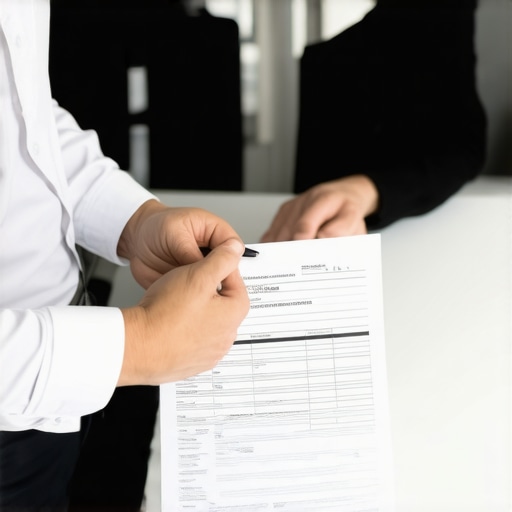
I remember the exact moment I realized I had no idea how to properly file an appliance warranty claim. It was a chilly Saturday morning when my refrigerator suddenly stopped cooling. Frustration set in as I scrambled to find the receipts and warranty paperwork, only to realize I’d overlooked some crucial details. That experience was a lightbulb moment for me—and probably for you too—because many of us face appliance failures with no plan in place.
In today’s post, I promise to share actionable tips and insights that will make your warranty claims smoother, saving you time, money, and the headache of dealing with unresponsive service providers.
The Real Reason Warranty Claims Feel Like a Battle
Let’s be honest: dealing with appliance warranties can be a headache. Between vague requirements, unhelpful customer service, and the fear of rejection, it’s easy to feel overwhelmed. But here’s the thing—I’ve learned that most issues stem from a simple mistake made early on: not understanding what your warranty actually covers or how to document your complaint effectively.
For example, I once tried to file a claim for a dryer that stopped spinning. I assumed I just needed to call the manufacturer, but I missed the step of taking detailed photos of the malfunction and a copy of my purchase receipt. The claim was denied because I hadn’t provided enough proof. That mistake cost me extra money and wasted valuable time.
To prevent yourself from falling into the same trap, it’s essential to know the ins and outs of the process. Fortunately, there are proven strategies that can help you maximize your warranty benefits, especially during urgent repairs. For more tips on navigating emergency repairs, check out this comprehensive guide.
Prepare Your Documentation Like a Pro
When I faced my dishwasher leak, I learned that clear, detailed photos of the damage alongside the purchase receipt are crucial. Take high-resolution images showing the issue from multiple angles, and ensure your receipt includes the purchase date and model number. Store these files digitally in a dedicated folder for quick access, especially during emergencies. This preparation made my claim process smoother and avoided delays.
Identify Exactly What Your Warranty Covers
Review your warranty document carefully. Highlight key areas like specific parts, repair service coverage, and expiration dates. For instance, I once assumed my warranty covered all repairs for my oven, but it specifically excluded certain electronic components. Recognizing this helped me tailor my claim and avoid wasting time on unsupported issues. Visit this resource to better understand warranty specifics.
Contact Certified Repair Providers Quickly
Always reach out to authorized technicians to handle repairs. When my microwave stopped working unexpectedly, I called a trusted local repair service instead of attempting DIY fixes. They arrived promptly and diagnosed the problem accurately. For faster service, many providers offer same-day appointment options. This approach prevents further damage and expedites your warranty claim process.
Keep Detailed Records of Every Step
Maintain a log of all communications, dates, and actions. When I contacted customer support, I recorded the representative’s name, the date, and what was discussed. Follow up with written summaries via email to create an audit trail. These records prove invaluable if disputes arise or delays occur, helping you leverage your warranty benefits effectively.
Request Properly Scheduled Repairs
Scheduling the right service is key. Use trusted providers for same-day repairs whenever possible, especially for urgent issues. When my fridge started defrosting unexpectedly, I contacted a specialist offering quick, reliable service. They confirmed the problem, repaired it on the same day, and ensured my warranty was honored without hassle. Proper scheduling minimizes downtime and preserves warranty validity.
Finalize and Follow Up on Your Claim
Once repairs are complete, verify that your warranty provider has processed the claim and covered the costs. Review the invoice and repair reports diligently. If any discrepancy arises, don’t hesitate to follow up promptly. Keeping copies of all documents ensures you can settle any future disputes swiftly, maintaining the integrity of your warranty coverage. For comprehensive tips, see this guide.
Many homeowners believe they understand warranty coverage and repair procedures, but in reality, there are subtle nuances that can trip even the most prepared. For instance, a common myth is that all repairs are covered once a warranty is active; however, many warranties exclude certain parts or types of damage, especially if improper installation or maintenance contributed to the problem. To truly maximize warranty benefits, it’s crucial to read the fine print and know exactly what is covered and what isn’t.
Another overlooked aspect involves the timing of repair requests. Waiting too long to report an issue can invalidate your warranty claim, especially if the manufacturer requires prompt notification. Additionally, many assume that a simple DIY fix ensures coverage; in fact, unauthorized repairs can void your warranty entirely, making it essential to engage certified professionals for installation and repairs. For advanced repair strategies and installation tips, check out this expert guide.
A hidden trap in warranty claims is the misunderstanding of what constitutes valid documentation. Photographs, detailed descriptions, and official receipts are often necessary to support your case. Failing to provide comprehensive evidence can lead to claim rejection, costing you both time and money. Furthermore, many people underestimate the importance of choosing certified repair providers. Engaging uncertified technicians can not only void your warranty but also lead to subpar repairs, which might cause further damage.
Have you ever fallen into this trap? Let me know in the comments. Delaying the repair process or neglecting proper documentation are pitfalls that can escalate small issues into costly problems. Instead, proactively familiarize yourself with your warranty terms and strategic repair options. Recognize that some advanced repairs or installations benefit greatly from professional, warranty-backed services—like trusted installation providers. This approach not only protects your investment but also ensures longevity and optimal performance of your appliances.
Maintaining Your Appliances for the Long Haul
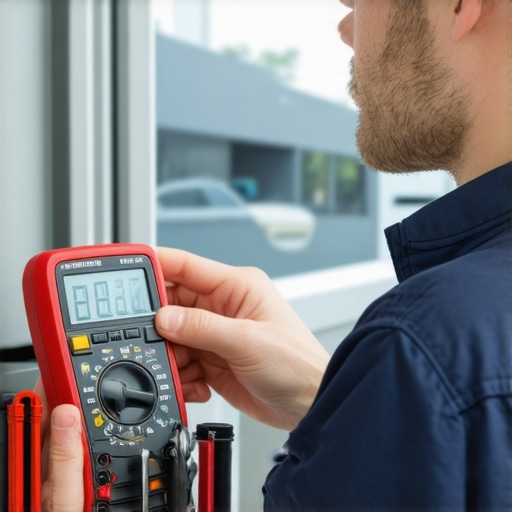
To keep your appliances running smoothly over time, investing in the right tools and techniques is essential. I personally rely on a few key pieces of equipment that have proven their worth in both troubleshooting and preventive maintenance. For example, a digital multimeter lets me quickly diagnose electrical issues without guesswork, ensuring that I identify problems accurately before calling in professionals or attempting repairs myself. I prefer a high-quality multimeter with auto-ranging and true RMS capabilities, like the Fluke 117, because it provides precise readings even on complex circuits.
Another indispensable tool is a refrigerant leak detector, such as the Ultragas Electronic Leak Detector. Maintaining sealed systems is critical for appliances like refrigerators and HVAC units, and catching leaks early prevents costly repairs later. I regularly use this detector to verify system integrity after any maintenance or installation work, helping to extend the lifespan of my appliances.
Power drills with a variety of bits enable me to handle installation tasks efficiently. From cleanly removing appliance panels to securing mounting brackets, a versatile drill saves time and reduces frustration. I opt for a cordless model with at least 18 volts of power and variable speed settings, like the Makita XFD12Z, to ensure reliability and convenience during lengthy repair projects.
How do I keep my appliances in tip-top shape over time?
Beyond tools, establishing a routine maintenance schedule is crucial. Regularly cleaning filters, coils, and vents can significantly improve efficiency and prevent unexpected breakdowns. For instance, cleaning your refrigerator’s condenser coils every six months can reduce energy consumption and lower the risk of compressor failure. For more detailed guidance on installation and ongoing maintenance, consult the expert guide.
Looking ahead, I believe this trend of proactive maintenance and smart diagnostics will continue to evolve. Advances in IoT-enabled sensors mean appliances will soon alert us to issues before they manifest, allowing for even more efficient upkeep.
If you haven’t already, try integrating a thermal camera into your maintenance routine. It can detect hot spots indicating failing components or poor connections, which are often invisible to the naked eye. Companies like FLIR make compact, user-friendly models that could become your new best friend for troubleshooting.
Remember, the goal is reliability. By leveraging the right tools and proactive maintenance practices, you’ll extend your appliances’ life and reduce costly emergency repairs. Don’t wait until an appliance fails; start today by assessing your toolkit and scheduling routine inspections. For trusted installation and service providers, check out trusted local experts and keep everything working seamlessly.
The Hard Lessons I Didn’t Expect About warranty,appliance repair,same-day service,installation
- One of the most surprising insights I gained is how crucial it is to read your warranty fine print carefully—many homeowners overlook specific exclusions that could cost them dearly during repairs.
- Another lesson learned firsthand is the importance of acting quickly; delays in reporting issues often invalidate warranty claims, turning a simple fix into a costly hassle.
- Lastly, trusting certified repair professionals isn’t just about quality; it’s a strategic move to preserve your warranty coverage and prevent unintended voids from DIY attempts.