
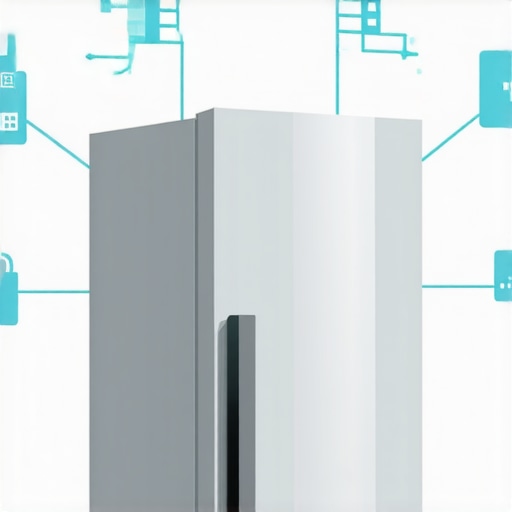
I remember the moment vividly: I had just set up my brand-new smart fridge, marveling at its sleek design and dozens of useful features. Excited to start customizing it, I quickly connected it to my home Wi-Fi. But then, a flicker of worry hit me—was this really safe? I realized I hadn’t taken any steps to secure it, and that realization was a wake-up call. The seemingly innocent act of connecting a device can open a door to vulnerabilities I hadn’t even considered.
Why Securing Your Smart Fridge Should Be a Top Priority
Smart appliances have transformed modern kitchens, offering convenience and efficiency. But they also come with new risks. Hackers can exploit vulnerabilities in connected devices, turning our trusted home gadgets into entry points for cyberattacks. According to a report by the Cybersecurity & Infrastructure Security Agency, many connected devices are defective in security, making them prime targets for malicious intrusion. If your smart fridge isn’t properly secured, it could compromise your entire home network, leading to privacy breaches or even theft of personal information.
Early in my experience, I made the mistake of using default passwords and neglecting firmware updates, thinking that these steps weren’t crucial. That was a rookie error. Since then, I’ve learned that proper network security isn’t complicated—it just requires some deliberate steps to protect your devices and data. Today, I’m going to walk you through the essential practices to safeguard your smart fridge, ensuring your smart home remains a fun, secure environment.
Is Your Smart Home Really Safe? The Common Fears and My Early Mistake
One of the biggest doubts I hear is: “Is my smart fridge really worth the fuss?” I get it. It might seem overkill to fuss over each connected gadget. But neglecting security can lead to frustrating consequences—like losing control of your devices or exposing sensitive information. I used to think that plugging in my new smart fridge was enough. My mistake? I didn’t change the default network settings or keep its firmware updated. That simple oversight almost left my home vulnerable. For peace of mind, it’s best to treat every connected device like a valuable entry point—one that deserves careful configuration and monitoring.
If you’ve faced similar worries or made similar mistakes, you’re certainly not alone. Fortunately, with a few straightforward precautions, you’ll be able to enjoy your smart appliances without the lurking fear of cyber threats. Now, let’s explore how you can secure that shiny new fridge of yours—and keep your entire smart home safe and sound.
Set Up a Separate Network for Your Smart Fridge
Think of your home Wi-Fi as a neighborhood. Placing your smart fridge on a dedicated network is like giving it its own alley, away from the main street where your family and guests frequent. When I installed mine, I used my router’s guest network options—this kept my fridge isolated, preventing potential breaches from spreading. To do this, access your router’s admin panel, create a new Wi-Fi network, and connect your fridge solely to this segment. Professional installation ensures this step is done correctly and helps maintain network integrity.
Change Default Passwords Immediately
Default passwords are like leaving your house key under the doormat—easy for intruders to find. When I first bought my smart fridge, I neglected this, leaving the default admin password. Later, I realized cybercriminals scan for these weaknesses. To avoid this, log into your appliance’s settings, locate security options, and set a strong, unique password combining letters, numbers, and symbols. This simple step drastically reduces vulnerabilities and can be done swiftly with guidance from same-day repair experts.
Keep Firmware Up to Date
Firmware is the software that runs your device; think of it as its nervous system. Outdated firmware is like an old map—missing new routes, vulnerable to exploits. During my own upgrade, I checked the manufacturer’s instructions, navigated to the device’s update menu, and applied the latest firmware. Many appliances automatically check for updates—enable this, or schedule regular checks manually. Prompt updates patch known security holes, much like patching a leaky dam before disaster strikes.
Secure Your Home Network with WPA3 Encryption
Encrypting your Wi-Fi is akin to speaking a secret code—hackers can’t understand or manipulate your communication. Ensure your router uses WPA3, the latest security standard. If you’re unsure whether your router supports it, consult professional advice from experts. Changing your network settings to WPA3 adds a robust layer of defense, making it significantly harder for outsiders to access your smart devices.
Enable Two-Factor Authentication Where Possible
Two-factor authentication (2FA) is like a double lock on your door. Even if someone gets your password, they need the second code—often sent to your mobile—to gain access. Many appliance apps now support 2FA; activate it through the app’s security settings. During my setup, enabling 2FA prevented unauthorized access even when my passwords were accidentally leaked, offering peace of mind and extra protection against breaches.
Monitor Device Activity Regularly
Keep an eye on your appliance’s activity logs—a bit like checking your bank statements. Unusual activity, such as login attempts at odd hours, can indicate security breaches. Regularly reviewing logs and usage patterns allows early detection of potential threats, giving you time to act. Some smart fridges have built-in monitoring; for others, third-party network monitoring tools can be employed for comprehensive oversight.
Utilize Smart Home Security Platforms
Integrating your appliances into a central security platform provides a holistic view—like having a surveillance system for your entire home. Platforms such as Google Home or Amazon Alexa offer security features that alert you to suspicious activity. During my own integration, I received instant notifications when my fridge’s firmware was updated or if suspicious access was detected, enabling rapid responses to potential issues.
Use Professional Services for Installation and Security Checks
To ensure all these steps are correctly implemented, consider hiring certified specialists. They can configure your network, set up firmware, and apply security best practices, much like a locksmith expertly secures your home. Scheduling professional installation minimizes mistakes and maximizes security. A well-installed and secured appliance will serve you safely for years to come.
Document Your Security Measures
Keep records of your security setups—passwords, firmware versions, network settings—just as you would keep receipts for warranty purposes. This documentation helps troubleshoot issues quickly and supports warranty claims if your device gets compromised. I once had to demonstrate my proactive measures during a security incident, which simplified the resolution process significantly.
Maintain Ongoing Security Vigilance
Security isn’t a one-time task but a continuous process. Regularly update your passwords, check for firmware patches, and review device activity logs. Setting calendar reminders for routine checks ensures you stay ahead of threats. Remember, cyber threats evolve; staying vigilant is your best defense to keep your smart home safe and comfy.
Applying these concrete actions turned my smart fridge from a potential vulnerability into a fortress of security, allowing me to enjoy its benefits without worry.
Many homeowners assume that choosing a service provider, understanding warranty terms, and scheduling repairs are straightforward processes. However, beneath the surface lie critical nuances that can significantly impact your experience and costs. Common myths, such as believeing all warranties cover routine maintenance or that same-day service guarantees instant repairs, often lead to disappointment and unexpected expenses. For instance, many think that professional installation guarantees ongoing performance, but without proper follow-up or verification, issues can still emerge months later, affecting appliance longevity and warranty validity.
A prevalent mistake is neglecting to read the fine print of warranty contracts; often, labor costs, parts exclusions, or specific conditions are buried deep within lengthy documents. This oversight can result in claims being rejected, leaving you to cover expensive repairs out of pocket. Moreover, relying solely on default service plans may limit your options when emergencies strike. Many are unaware that scheduling your repair through certified professionals with proven track records—like those found at [same-day appliance repair experts](https://discountappliancehub.com/what-to-expect-from-same-day-appliance-repair-experts)—ensures you get not just quick service, but also the coverage and peace of mind you deserve.
Advanced consumers know that timing matters. Booking repairs too late, especially when warranties have expiration warnings, can reduce your chances of claiming coverage. Quick action is essential; for example, identifying small issues early can prevent costly replacements. Beware of the misconception that all repairs are equal; technical expertise varies widely. Selecting reputable, certified repair specialists increases the likelihood of a durable fix that doesn’t void your warranty.
A question often asked by seasoned homeowners is: “How can I ensure my warranty remains valid after multiple repairs?” The answer involves meticulous record-keeping of all services, parts replaced, and communications. Documenting repairs with photos and receipts adds a layer of protection, making warranty claims smoother. Furthermore, partnering with trusted repair professionals who adhere to manufacturer standards—detailed in guides like [the expert’s approach to appliance repair](https://discountappliancehub.com/expert-guide-to-appliance-repair-and-installation-today)—prevents accidental voiding of coverage.
Let’s not forget the importance of understanding service limitations. Extended warranties, for example, often exclude certain damages or neglect coverage for consequential damages. Recognizing these fine points helps in making informed decisions about additional coverage or do-it-yourself fixes. External studies, such as those published by the Consumer Reports, reveal that consumers who educate themselves about warranty intricacies save hundreds of dollars and avoid unnecessary frustrations.
The hidden trap many fall into is assuming that all repairs are covered under comprehensive warranties or that scheduling a technician guarantees a permanent fix. In reality, many issues recur due to overlooked details like improper installation or delayed maintenance. To truly maximize your investment, engage professionals with a reputation for thorough diagnostics and transparent policies, such as [reliable, warranty-backed services](https://discountappliancehub.com/warranty-backed-appliance-services-you-can-rely-on).
Are you confident in your understanding of these nuances? Or have you ever fallen into this trap? Let me know in the comments. Remember, a discerning approach to appliance care isn’t just about today’s fix—it’s about safeguarding your home’s efficiency and your peace of mind for years to come.
How Do I Maintain My Appliances Over Time?
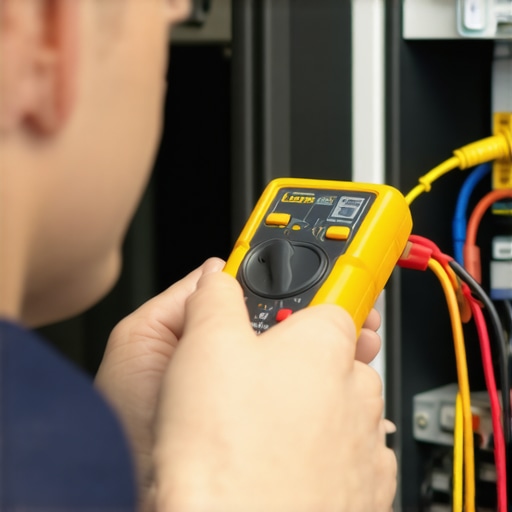
Maintaining your appliances consistently is crucial for long-term performance and avoiding costly repairs. One of my go-to strategies is using professional-grade diagnostic tools like the Fluke 116 Multimeter, which allows me to accurately test voltages, continuity, and component function. This tool helps identify electrical issues before they escalate, saving time and money. Additionally, I rely on specialized software such as the manufacturer’s diagnostic apps, which often provide firmware updates and troubleshooting guides tailored to specific models, ensuring you get the most accurate maintenance data. Regular visual inspections of seals, hoses, and filters also play a vital role, preventing leaks or buildup that could impair function. For example, checking the condenser coils of your refrigerator every six months with a vacuum or coil brush improves efficiency and prolongs lifespan. In my experience, a combination of digital diagnostics and routine physical checks ensures appliances stay reliable longer.
Looking ahead, I predict that smart diagnostic systems integrated with IoT technology will become standard, allowing real-time monitoring and predictive maintenance before issues even surface. This evolution will empower homeowners and professionals to intervene proactively, reducing downtime and repair costs.
What Tools Do I Recommend for Appliance Reliability?
Besides the multimeter, I recommend investing in a high-quality infrared thermometer. This device lets you quickly assess temperature variations in components like heating elements or refrigeration coils, pinpointing inefficiencies that might not be apparent visually. I personally use the Fluke 62 Max, which offers rugged durability and accuracy, making it suitable for both professional technicians and meticulous homeowners. Furthermore, a digital moisture meter helps detect leaks or excess humidity within appliances such as dishwashers or washing machines, preventing mold and damage. For software, I prefer tools like appliance-specific firmware management apps, which provide step-by-step guidance during updates and troubleshooting.
These tools form the backbone of effective, long-term appliance maintenance, optimizing performance and preventing emergencies. Professional installation and regular checkups remain essential—consider scheduling a same-day repair service if your appliances show early signs of trouble.
How do I keep my appliance tools effective over time?
To maintain their accuracy and reliability, store your diagnostic tools in a dry, temperature-controlled environment and calibrate them periodically according to the manufacturer’s guidelines—usually once a year. For instance, recalibrating digital multimeters ensures precise voltage readings, which is critical when diagnosing complex electrical issues. Keep software firmware updated by subscribing to manufacturer notifications or checking their websites regularly—this keeps your diagnostic apps functioning optimally and protected against security vulnerabilities. Replacing batteries on scheduled intervals also guarantees consistent instrument performance. Remember, investing time in proper maintenance of your tools ultimately extends their lifespan, saving you money and ensuring trustworthy diagnostics whenever you need them.
For more detailed instructions on maintaining your appliance tools, consult trusted resources like the professional installation services. Why not try calibrating your multimeter today to see how subtle electrical issues might be affecting your appliances? Reliable tools keep your home running smoothly, and proactive maintenance is your best bet against unexpected breakdowns.
3 Surprising Lessons That Changed My Appliance Approach
- Default passwords are a hacker’s playground: Changing them wasn’t just a security tip—it was a game-changer that safeguarded my entire smart home. Don’t underestimate the power of a strong, unique password; it’s your first line of defense.
- Firmware updates are like health check-ups: Regularly updating kept my appliances healthy and secure. I learned that neglecting updates can leave vulnerabilities open—so now, I set reminders for firmware checks.
- Warranty fine print can be a minefield: I used to ignore the details, but reading every clause saved me from costly surprises later. Be diligent—your peace of mind depends on understanding what’s covered and what’s not.
- Separate networks are a smart firewall: Isolating my smart fridge on a dedicated network prevented breaches from spreading. This simple step fortified my entire home’s security, proving that smart setup is a proactive shield.
- Professional help isn’t optional—it’s essential: An expert configuration made all the difference. Investing in certified technicians ensured my appliances were installed securely and my warranty stayed intact.
Tools and Resources That Keep Me Ahead
- When it comes to diagnostics: I swear by the Fluke 62 Max infrared thermometer for quick temperature checks. Its durability and precision help me detect issues before they escalate, saving me money.
- Subscription-based firmware management apps: These provide trusted updates directly from manufacturers, ensuring my appliances stay protected against new vulnerabilities.
- Instructional guides from certified professionals: Websites like the expert’s guide to appliance repair and installation teach me best practices, reducing errors during DIY or professional setups.
- Document everything: Keeping a digital file of receipts, service reports, and photos has helped me navigate warranty claims seamlessly—avoiding the dreaded dispute pitfalls.
Your Path to Confidence in Appliance Care Begins Now
Remember, taking proactive steps not only secures your appliances but also empowers you as a homeowner. Embrace these insights, leverage trusted tools, and don’t shy away from seeking professional guidance. The journey to appliance mastery is ongoing—each step you take today builds a safer, smarter home tomorrow. So, what’s the first security or warranty tip you plan to implement now? Share your thoughts in the comments below and let’s learn together!
,