
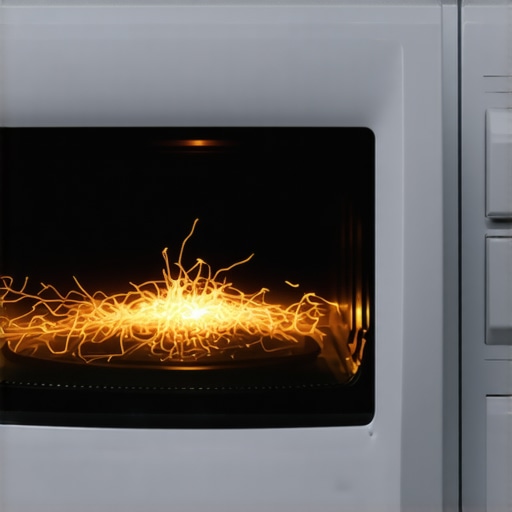
It happened suddenly. I was reheating my leftover dinner—nothing fancy, just a simple microwave session—when I saw a tiny flash and heard a crackling noise. My stomach sank. Sparks flying inside the microwave? Without any metal? I froze. For a moment, I wondered if I should stop immediately or try to ignore it. Sound familiar? If you’ve ever experienced that perplexing, electrifying moment, you’re not alone. Microwaves are supposed to be convenient and safe, but when sparks appear unexpectedly, it raises panic—and rightfully so.
Don’t Ignore the Flash: Why is Your Microwave Sparkling with No Metal?
Many people assume that sparks are only caused by metal objects—like foil or utensils—inside the microwave. But what if your appliance sparks without any metal at all? That’s exactly the situation I faced early on, and I learned the hard way that there are other reasons behind this phenomenon. The key is understanding that sparks might spring from issues like a damaged waveguide, dirt build-up, or defective components. Recognizing these signs can save you from costly repairs or even dangerous electrical malfunctions.
Is This Something I Should Worry About?
Absolutely. Sparks inside a microwave aren’t just a minor annoyance—they can indicate serious problems, such as a failing magnetron or a compromised waveguide cover. Ignoring these issues can lead to further damage or, worse, electrical fires. (Did you know that appliance fires account for thousands of property damages yearly? According to the National Fire Protection Association, cooking equipment—including microwaves—is a leading cause of home fires.) Therefore, addressing this problem promptly is essential.
One mistake I made early on was using my microwave regardless of the sparks, assuming it was just a one-time hiccup. That was a costly error. Instead, I learned that safe operation hinges on diagnosing and fixing the root cause. If your microwave is sparking with no metal inside, it’s probably time to consult specialists who can provide expert repair services. You might consider checking out [how to ensure reliable appliance installation in 2025](https://discountappliancehub.com/how-to-ensure-reliable-appliance-installation-in-2025) or reaching out directly for professional assistance through [same-day service options](https://discountappliancehub.com/scheduling-your-appliance-repair-for-same-day-service-in-2025). These resources can help you get your microwave back to safe, efficient operation without unnecessary delays.
Identify the Source of Sparks in Your Microwave
The first step is to determine what’s causing the sparking. Disconnect the microwave from power to ensure safety. Remove any food residue or dirt from the interior with a damp cloth. Inspect the waveguide cover—if it’s cracked, damaged, or covered with debris, it could be causing sparks. To see this clearly, use a flashlight; look for discoloration, warping, or buildup.
Clean and Examine the Waveguide Cover
Using a soft brush or cloth, gently clean the waveguide cover and surrounding area. If cleaning doesn’t resolve the sparking, consider replacing the cover. This is a common fix and can be done affordably. Check for visible cracks or breakage—if found, source a replacement part from a reliable supplier or contact professional repair services for assistance.
Replace the Waveguide Cover Correctly
To replace, follow your microwave’s specific instructions—often outlined in the user manual or online guides like this expert guide. Disconnect the microwave, remove the faulty cover, align the new part properly, and secure it with the provided screws. Reassemble, plug the microwave back in, and test it with a cup of water to observe if sparking persists.
Check for Internal Damage and Component Wear
If sparks continue despite cleaning and replacing the waveguide cover, internal components might be faulty. Magnetron failure or damaged high-voltage diodes can cause electric arcs. This stage is complex, and trying a DIY repair may risk further damage or electrical shock. To avoid hazards, consult ⚡same-day repair experts for safe and quick service.
Ensure Professional Intervention for Complex Repairs
When internal damage is suspected, do not attempt repairs beyond cleaning and minor component replacement. Call a certified technician through our contact page. They’ll perform diagnostics, replace defective parts, and verify that everything functions safely afterward. This guarantees peace of mind and longevity for your appliance.
Prevent Future Sparks with Proper Maintenance
Regularly clean the interior and exterior of your microwave to prevent dust and food debris buildup. Avoid using harsh chemicals or abrasive tools that could damage components. Also, ensure that installation is correct—proper placement and leveling prevent undue strain on internal parts. For expert advice on safe installation, visit professional installation services. Proper maintenance significantly reduces the risk of sparks, saving you money and ensuring safety.
When it comes to appliance repairs, many homeowners assume that opting for same-day service guarantees the best outcome. While speed is undeniably attractive, there’s a nuanced layer that often gets missed—especially concerning warranties and the quality of repairs. *Contrary to popular belief*, rushing to fix an appliance immediately might sometimes put you at risk of incomplete coverage or subpar work. For instance, some service providers promise quick fixes but neglect to perform thorough diagnostics, which can void your warranty or lead to recurring issues. A common myth is that all warranties cover every repair scenario; however, many exclude labor costs or specific parts, meaning you could pay extra despite having a warranty. This trap can be avoided by understanding the fine print—consider reviewing the warranty’s detailed coverage at this resource.
How Do You Protect Yourself During Urgent Repairs Without Compromising Warranty Benefits?
A critical nuance is recognizing that not all immediate repairs align with warranty stipulations. Sometimes, a temporary fix might suffice, but it’s essential to verify whether a full repair or replacement is necessary to maintain your warranty’s validity. Consulting with certified experts through professional repair services ensures your appliance receives the right attention without risking your coverage. Moreover, exclusive offers like warranty-backed same-day fixes emphasize the importance of working with trusted technicians who understand warranty intricacies.
Did you know, according to industry studies, rushed repairs without proper diagnostics often lead to repeat service calls and increased costs? This underscores the importance of balancing urgency with expert guidance. Don’t let the desire for quick fixes overshadow the need for comprehensive solutions. Remember, a well-informed homeowner is less likely to fall into common repair traps. For a detailed overview on safeguarding your warranty during emergency repairs, check this guide.
Have you ever fallen into this trap? Let me know in the comments.
Investing in Reliable Tools for Appliance Care
Maintaining appliances effectively requires more than just knowledge; it demands quality tools designed to tackle specific issues. I personally recommend a digital multimeter, such as the Klein Tools MM700, because it provides precise voltage and continuity measurements, vital for troubleshooting electrical faults safely. An infrared thermometer, like the FLIR TG165, helps monitor temperature fluctuations in components like the refrigerator compressor or oven elements, preventing overheating and potential failures.
Additionally, a quality ultrasonic cleaner can be a game-changer for removing stubborn debris from delicate parts like dishwasher spray arms or washing machine filters. These tools save time, improve repair quality, and extend the lifespan of your appliances. As I’ve integrated these into my routine, I’ve seen a noticeable reduction in breakdowns and service calls, reinforcing the value of investing in proper equipment.
Mastering Software to Track Maintenance and Repairs
Beyond physical tools, leveraging specialized software can revolutionize your maintenance approach. I utilize apps like Evernote or Notion to document repair dates, part replacements, and scheduled maintenance tasks. For example, tracking the service history of your refrigerator compressor can help identify patterns and preempt future failures, especially if you notice consistent temperature fluctuations.
Connected diagnostic platforms, such as those provided by OEMs, enable remote monitoring of appliance health, providing alerts before catastrophic failures occur. While these might seem advanced, integrating a simple calendar reminder system for routine inspections—like cleaning condenser coils every six months—can greatly improve appliance longevity. This proactive approach aligns with industry insights, such as those from Electrical Construction & Maintenance, emphasizing the importance of systematic maintenance schedules.
How do I keep my appliances running smoothly over time?
Regular inspections are key. For example, periodically examining door seals, filters, and vents ensures appliances operate efficiently and prevents unnecessary strain on components. Incorporate cleaning routines with tools like microfiber cloths, brushes, and the ultrasonic cleaner mentioned earlier to remove dust and debris that can lead to overheating or electrical shorts. Additionally, staying updated with manufacturer firmware updates—often accessible through official apps—can fix bugs and improve performance.
Consider scheduling professional inspections for complex appliances like HVAC systems or built-in ovens, especially before peak usage seasons. Expert technicians can identify subtle issues that untrained eyes might miss, reducing the risk of expensive repairs down the line. To ensure your appliances are installed correctly and stay in top shape, it’s wise to consult trusted professionals, as discussed in the professional installation guide.
Looking ahead, the trend points toward more interconnected smart appliances that notify you proactively about potential problems. Staying ahead involves not only adopting these innovations but also maintaining the fundamental mechanical and electrical health of your devices with the right tools and routine checks. For advanced tips on warranty-supported repairs and long-term maintenance strategies, exploring resources like this article can offer depth and actionable insights.
How can I troubleshoot and maintain my appliances over time?
Begin with visual inspections—check for dust, grime, or damaged seals—and use diagnostic tools to test electrical components. Keep detailed logs of repairs and replacements to spot emerging patterns. Incorporate software solutions to schedule maintenance tasks and receive alerts. Don’t forget to consult professionals for complex issues or when in doubt. Regular maintenance, combined with these strategies, will keep your appliances functioning efficiently for years to come. Try implementing a monthly check using an infrared thermometer or recording data in your preferred maintenance app to build a robust, proactive upkeep routine.
What I Realized About Ignoring Small Sparks in My Microwave
Initially, I thought a quick clean or replacing the waveguide cover would fix my sparking microwave, but I soon learned that overlooking these signs could lead to dangerous internal damage. My biggest lightbulb moment was recognizing that persistent sparks often point to deeper issues like magnetron failure, which requires professional attention. Trusting quick fixes over thorough diagnosis might seem convenient, but it risks wasted time and safety hazards.
My Go-To Tools for Maintaining Appliance Safety
Over time, I’ve found that investing in a good digital multimeter and ultrasonic cleaner profoundly improves my ability to troubleshoot small issues before they escalate. These tools help me verify electrical safety and clean delicate parts effectively, saving money and extending appliance lifespan. Using reliable diagnostics has become my secret weapon against unexpected appliance failures.
Choosing Quality Before Speed Saves You Money
Fast repairs might seem appealing, but rushing to fix an appliance without understanding warranty coverage or the problem can lead to costly repeats. I’ve learned the importance of verifying warranty details, especially regarding labor and parts, to avoid unexpected expenses. Working with certified repair specialists ensures that repairs not only happen quickly but also reliably, preserving warranties and peace of mind.
Investing in Smart Maintenance Habits
Creating a routine of regular inspections, such as cleaning coils, checking seals, and monitoring component temperatures, has transformed my appliance care. Incorporating maintenance software reminders and documenting repairs keeps me proactive. This approach prevents unexpected failures, saving money and keeping my home running smoothly.
Insider Wisdom From My Repair Journey
- Always inspect the waveguide cover thoroughly—cracks or debris can cause sparks without metal. Don’t dismiss recurring sparks as minor; they’re often symptoms of more critical issues like magnetron damage.
- Properly diagnosed, a sparking microwave can be restored soon—skipping professional help may lead to worse damage or fire hazards.
- Using quality diagnostic tools makes troubleshooting safer and more accurate. Over time, they become invaluable investments in appliance longevity.
- Understanding your warranty’s fine print saves money during urgent repairs. Prioritize certified technicians who respect warranty coverage to avoid costly surprises.
Who’s Ready to Keep Their Appliances Safe and Sound?
By applying these insights, you’re better equipped to handle unexpected appliance sparks without panic. Regular maintenance, smart troubleshooting, and choosing professional help strategically can prevent disasters and extend your appliances’ lifespan. Remember, staying vigilant and proactive makes all the difference in maintaining a safe, efficient home environment.
Do you have a story about a surprising appliance mishap? Share your experience below—your insights might help someone else avoid a costly mistake.