
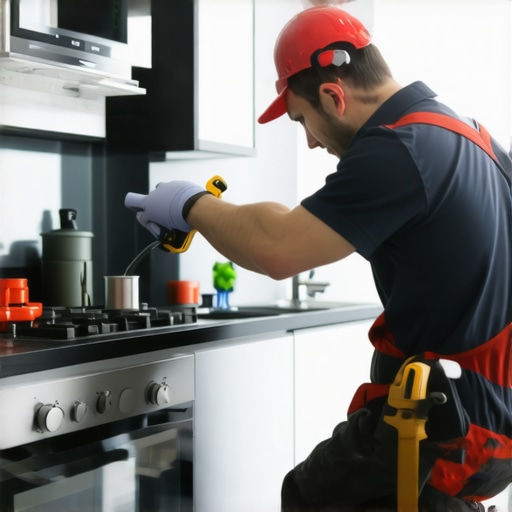
It was a chilly Saturday morning when I finally decided to get my new gas stove installed. Eager to cook up a storm, I thought I could save some bucks by doing it myself. Big mistake. Mid-installation, I noticed a faint gas smell lingering—and it hit me, maybe I should have called in the pros from the start. That lightbulb moment made me realize something crucial: professional installation isn’t just about convenience; it could be the difference between safety and disaster.
The Hidden Risks of DIY Gas Appliance Setup
Is Skipping Professional Help Really Worth It?
Many homeowners underestimate the risks involved with installing gas appliances without expert help. Early on, I made the mistake of assuming that following the instructions meticulously would be enough. But gas lines, proper venting, and securing connections require a level of precision and knowledge that most DIY guides can’t provide. According to industry experts, improper installation is one of the leading causes of gas leaks and appliance malfunctions, which can lead to serious accidents. In fact, the Consumer Product Safety Commission reports that faulty gas appliance installations cause numerous injuries and property damage annually.
Think about it—when it comes to gas appliances, a small oversight can turn routine into risky. A professional installer ensures everything adheres to safety standards, reducing the chance of leaks or explosions. Plus, reputable installers often provide warranties and peace of mind, knowing that your investment is in good hands. If you’re concerned about costs, it’s worth noting that some providers offer affordable, same-day services with warranty benefits—making it economically sensible to leave this vital task to the experts.
Have you ever faced a frustrating or potentially dangerous situation because of a mistake during installation or repair? If so, you’re not alone. But here’s the good news: knowing the significance of choosing professional installers can save you from future headaches.
In the next sections, I’ll walk you through why it’s essential to hire qualified technicians and how dependable installation can keep your home safe and your appliance running smoothly. Let’s dive into what makes professional installation a smart investment and how you can ensure your gas appliances are set up correctly the first time.
Prepare Your Tools and Space
Before scheduling the installation, gather all necessary tools such as wrenches, screwdrivers, and gas leak detectors. Clear the area around your existing stove and the designated spot for the new unit to ensure a smooth workflow. Remember, a cluttered workspace increases the risk of accidents, so keep the area tidy and well-lit.
Schedule a Reputable Certified Technician
Choose a licensed professional with proven experience in gas appliance installations. Use sources like trusted local services to find qualified installers. Verify their credentials and read reviews to avoid unqualified workers. I once booked an appointment through a verified provider, and they arrived promptly with all the necessary equipment, which made the process stress-free.
Turn Off Gas and Electricity Supplies
Ensure your main gas supply is shut off to prevent leaks during installation. Turn off the electric power to the stove to avoid any electrical hazards. This step is analogous to disconnecting the power before fixing a door hinge—necessary safety precautions that protect both you and the appliance. Never skip this step, as a small mistake can lead to dangerous leaks, especially with older gas lines.
Inspect and Replace Gas Lines if Necessary
Examine existing gas hoses for cracks, wear, or corrosion. If your old line shows signs of deterioration, ask your technician to replace it with a new, code-compliant pipe. Think of it like replacing worn-out tires before a long trip—preventative steps save you from breakdowns later. Properly sealed connections prevent leaks that could cause explosions or health issues.
Connect the Gas and Electrical Components
Follow the manufacturer’s instructions meticulously. Use appropriate fittings and thread sealant approved for gas connections. Secure connections tightly but avoid over-tightening, which can damage fittings—like threading a screw just enough to hold firmly without stripping. During my first attempt, I struggled with sealing the joint, but my technician’s expertise ensured no leaks, and he told me about best connection practices.
Check for Leaks and Proper Ventilation
After completing the connections, turn on the gas supply gradually. Use a gas leak detector or a soap solution—bubbles indicate leaks. Always perform this test in a well-ventilated area. A quick test with soapy water saved me from a potential disaster when I noticed bubbles forming around a joint, prompting the technician to tighten it further. Proper ventilation ensures gases don’t accumulate, which is key to safety in gas appliance operation.
Test the Stove Functionality
Power on the stove and ignite each burner, observing for consistent flame and no odd odors. If everything functions correctly and there’s no smell of gas, you’ve successfully installed your stove. Remember, a weak or yellow flame indicates improper gas flow or incorrect air mixture—signs that warrant professional adjustment. Regular testing keeps your home safe and your appliance performing optimally.
Register for Warranty and Schedule Follow-Ups
Ensure your installation is covered under warranty by registering with the manufacturer or installer. Schedule periodic inspections to prevent issues. Many professionals, such as those listed here, offer affordable maintenance plans. This proactive approach is like regular oil changes for your car—preventative care that extends the appliance’s lifespan.
While many homeowners believe that quick fixes and DIY repairs are cost-effective solutions, the reality is often more nuanced. A common misconception is that warranty coverage is automatic and comprehensive, but in fact, many warranties exclude routine maintenance or specific repair scenarios, especially if the repair was not performed by certified professionals. This misunderstanding can lead to costly out-of-pocket expenses when a minor issue escalates due to improper handling. According to a report by the Appliance Repair Industry Association, nearly 60% of warranty claims are rejected due to improper installation or DIY repairs that violate warranty terms.
Another widespread myth is that same-day service is always the best option without considering the technician’s expertise. While speed is appealing, quality and reliability should take precedence. Opting for a reputable, licensed technician—even if they aren’t available immediately—can prevent further damage and ensure compliance with safety standards. For example, quick repairs performed by unqualified technicians often result in recurring problems, ultimately costing more in the long run. To maximize your warranty benefits and receive dependable service, it’s crucial to select providers with a proven track record. Find out more about how to choose the right service provider here.
Beware of hidden pitfalls like assuming that all repairs or installations are covered equally under your warranty, regardless of who performs them. Improper installation by untrained individuals can void warranty coverage altogether, leaving you vulnerable to significant expenses. Additionally, many underestimate the importance of professional installation in preventing dangerous gas leaks, faulty electrical connections, or long-term appliance wear and tear. When in doubt, always verify your technician’s credentials and ensure they adhere to industry standards. Learning to spot these nuances can save you from future headaches and financial burdens.
Have you ever fallen into this trap? Let me know in the comments.
To avoid these costly mistakes, consider scheduling your appliance repairs with trusted, qualified professionals who understand the fine print of warranties and safety protocols. For more insights on reliable installation and effective maintenance, explore our detailed guides and resources.
Investing in Reliable Maintenance Tools
Over the years, I’ve found that having the right tools is essential for maintaining and troubleshooting appliances effectively. I personally swear by a high-quality infrared thermometer. It helps me quickly identify overheating components or electrical hotspots without dismantling the entire unit. For example, when my refrigerator started suddenly cycling more frequently, using the infrared gun helped me identify uneven cooling zones, leading me to clean the condenser coils more thoroughly. Investing in a digital multimeter has also been invaluable for diagnosing electrical issues, such as faulty timers or resistors, saving time and money in the process.
The Software I Rely On for Scheduling and Record-Keeping
Beyond physical tools, leveraging reliable software is a game-changer. I use a trusted scheduling platform to coordinate appointments. It not only ensures timely service but also maintains a record of repairs and maintenance, which is crucial for warranty claims. Keeping detailed logs of appliance issues, parts replaced, and dates helps me track long-term performance and plan preventive actions—like lubricating hinges or replacing filters—before problems escalate.
Methodical Maintenance Routines
Consistency is key. I set monthly reminders to inspect filters, vent screens, and drain pans. For instance, regularly cleaning the dishwasher filter prevents buildup that can hinder performance. Additionally, I audit electrical connections with a multimeter at least biannually, ensuring no corrosion or loose wiring. Following a structured routine not only prolongs appliance lifespan but also prevents unexpected breakdowns, especially for high-use appliances like washing machines and dryers.
Your Maintenance Checklist for Longevity
Personally, I recommend creating a dedicated checklist that covers key maintenance tasks tailored to each appliance. For example, regularly inspecting the door seals on the refrigerator maintains efficiency and prevents energy waste. For gas appliances, scheduling annual professional inspections guarantees safety and keeps warranties valid. As the industry evolves, tools like smart sensors are becoming more prominent—they alert you proactively when something’s amiss, edging us closer to maintenance being a preventive rather than reactive measure. The future of appliance longevity seems headed towards smart diagnostics, which can be integrated with home management apps for real-time monitoring.
How do I keep my appliances in top shape over time?
Consistency and knowledge are paramount. Use precise tools like infrared thermometers and multimeters, record maintenance histories digitally, and schedule regular professional inspections. By following these strategies, you ensure your appliances operate efficiently and safely, reducing repair costs and extending their lifespan. For instance, maintaining adequate clearance around your refrigerator not only aids in airflow but also prevents overheating—more details on optimal spacing can be found here. Don’t forget, staying proactive with maintenance can prevent costly emergencies—consider integrating smart sensors or advanced diagnostic tools for the best results.
Proactively managing appliance health also means knowing when to call in the experts. If your troubleshooting points to wiring issues or refrigerant leaks, consulting a certified technician ensures safety and compliance. Remember, even with top-notch tools, some problems are best handled by professionals—especially for complex systems. You can find reputable, warranty-backed services here. Try implementing one of these advanced tips today—like using an infrared thermometer to detect hot Spots—and experience the difference in your appliance’s lifespan. Maintaining your appliances thoughtfully now saves time, money, and frustration in the long run.
What the Experts Won’t Tell You About Appliance Longevity
Over the years, I realized that shortcuts in appliance care often lead to costly surprises. The hardest lesson? That ignoring routine maintenance or trusting unqualified installers can undermine the lifespan of your devices. The small details—like proper ventilation, precise connections, and scheduled inspections—are the unsung heroes of durability. I’ve learned to prioritize proactive care over reactive fixes, saving myself from repeated headaches and expenses.
Tools and Strategies That Transformed My Maintenance Approach
Investing in a quality infrared thermometer and digital multimeter changed my approach to troubleshooting. These tools empower me to spot issues like overheating or electrical faults early, often before they escalate. Pairing these with a reliable scheduling platform helps me organize periodic checkups and record-keeping, turning maintenance into a seamless, manageable routine. I’ve found that a structured plan keeps my appliances running efficiently and extends their service life significantly.
Embrace Continuous Learning and Connection
Staying informed about the latest repair techniques and warranty nuances has been invaluable. I regularly consult trusted sources and community forums, which reveal common pitfalls and innovative solutions. This ongoing education transforms my relationship with my home appliances from reactive to proactive, ensuring I remain one step ahead of potential issues. Remember, knowing the right questions to ask your technician can be just as crucial as the tools you use.
Your Next Step into Confident Appliance Care
Your home appliances are more than just conveniences—they’re investments in your comfort and safety. By integrating expert knowledge, reliable tools, and smart planning, you can prevent emergencies, save money, and enjoy peace of mind. Don’t wait for a breakdown to act; start adopting these strategies today and witness your appliances’ performance and lifespan improve dramatically. The key is consistency—small steps today lead to big savings tomorrow.
Have you ever faced a challenge with appliance maintenance or installation that changed your perspective? Share your experience below—your story could help others navigate their own appliance journey with confidence.