
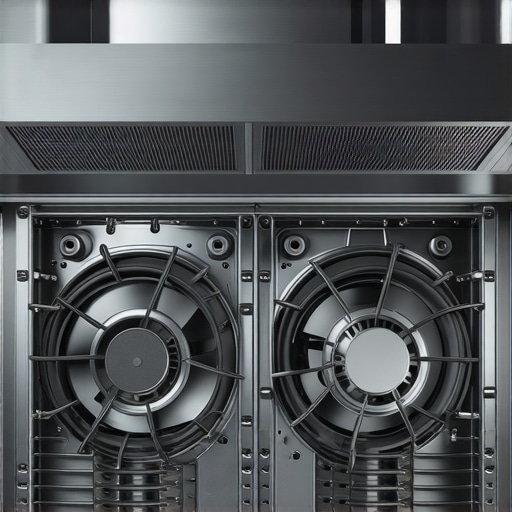
It was a frantic Saturday morning when I first heard that terrible grinding sound coming from my kitchen vent. My heart sank—was my range hood about to give out? I had just replaced the filters last month and thought I was in the clear. Turns out, I was about to learn a lesson many home cooks and DIY enthusiasts face: that seemingly innocent noise can be a sign of a serious problem lurking beneath the surface.
Decoding the Kitchen Whisperer: The Range Hood Grind
Most folks I know overlook their range hoods until something goes drastically wrong. But those appliances are more than just background noise—they’re vital for your kitchen’s ventilation and safety. When a grinding noise appears, it’s tempting to ignore it, hoping it’s just a minor glitch. But trust me, ignoring that pitch can lead to more costly repairs or even a fire hazard. Today, I’ll give you the inside scoop on what causes that unsettling noise and, more importantly, how to take action before things escalate.
Is Your Range Hood Noise Actually Worth the Hype?
Early on, I made a mistake many beginners do: I dismissed the noise as a normal part of operation. That was the first mistake. According to industry experts, unusual sounds like grinding can be signs of worn-out bearings or a failing motor—a reality that shouldn’t be overlooked. Did you know that routine inspections can prolong your appliance’s life and save you money? (Learn more about trustworthy appliance services at [here](https://discountappliancehub.com/warranty-backed-appliance-services-you-can-rely-on).) If you’ve noticed that suspicious squeal or grind, it’s time to dig deeper.
In the sections ahead, we’ll explore the common culprits behind that grinding sound and what steps you can take—whether you’re comfortable troubleshooting or need a professional’s help. Having faced this myself, I can assure you that a little knowledge can restore peace to your kitchen and keep your range hood humming smoothly for years to come.
Identify the Source of the Noise
Start by unplugging your range hood to ensure safety. Remove the grease filters and visually inspect the motor and fan blades for debris or visible damage. I once found a small screwdriver lodged in mine, which caused a terrible grinding sound. Clear any obstructions and check for loose parts.
Check the Motor Bearings
Listen closely—if the noise persists after cleaning, the bearings might be worn out. Use a flashlight to examine the motor’s shaft, and try manually turning it to detect resistance or roughness. Remember, bearings that are failing often cause that grinding sensation. Applying a few drops of manufacturer-approved lubricant can sometimes buy you time, but if the noise continues, replacement is advisable.
Test the Fan Assembly
Reassemble everything temporarily and turn on the range hood. Observe if the fan spins freely or if it wobbles. An unbalanced or bent fan blade can cause grinding sounds. In my experience, replacing a bent blade with a matching one from the manufacturer resolved the issue swiftly, saving me the hassle of a full motor replacement.
Inspect the Drive Belt and Pulley
If your range hood uses a belt drive system, examine the belt for cracks or signs of wear. A slipping or frayed belt can produce grinding noises when the motor struggles. Replace worn belts promptly; this is a quick fix that prevents further damage and ensures smooth operation.
Assess Electrical Components and Connections
Loose wiring or faulty switches sometimes cause abnormal motor behavior. Carefully inspect the wiring harness for secure connections, especially if you’ve recently cleaned or replaced filters. If you notice melting or burning smells, turn off the device immediately and consult a professional.
Consider Professional Troubleshooting
When in doubt, it’s safer to call a certified appliance technician. They can diagnose issues like motor failures or bearing replacements more accurately. Experienced technicians hold warranties on their repairs, offering you peace of mind. For quick access to reliable services, check out trusted local technicians who can resolve your issues efficiently.
Prevent Future Problems Now
Regular maintenance extends the life of your range hood. Clean the filters monthly and schedule professional inspections yearly. If your appliance is still under warranty, documenting issues with photos and logs helps when filing warranty claims—learn how to document appliance damage at this guide. Prompt attention to grinding noises can save you significant repair costs and ensure your kitchen stays safe and functional.
Many homeowners believe that appliance warranties and installation processes are straightforward, but in reality, there’s a lot of nuance often overlooked. For instance, a common misconception is that warranties cover every repair, regardless of the cause. However, most warranties exclude routine maintenance and wear-and-tear issues, so understanding the fine print is essential. Relying solely on the warranty without proper documentation or understanding of its terms can lead to denied claims, costing you time and money. For example, some assume that a technician’s visit guarantee means the repair is free, but if the warranty doesn’t cover the specific component, you’ll be billed separately.
Another mistake is equating quick installation with quality. Speedy setup often gets prioritized, but if the installation isn’t performed following manufacturer specifications, it can void your warranty or cause operational issues later. To avoid this, always verify that your appliance is installed by certified technicians, and consult reliable service providers like trusted local installers.
Furthermore, many think same-day appliance repair is unnecessary if the appliance is still functioning, but delaying repairs can exacerbate underlying problems, leading to more expensive fixes and potential safety hazards. Advanced diagnostics show that early intervention, especially with issues like electrical faults or refrigerant leaks, significantly extends appliance lifespan. Notably, the industry recommends scheduling quick repairs to prevent minor problems from escalating.
However, there’s a common trap where consumers believe all repair services are equally reliable. Many third-party providers offer cheaper rates but lack proper warranty support or use inferior parts, which might invalidate your original warranty or lead to recurring failures. Always opt for warranty-backed services to ensure your repair is protected.
On the installation front, ignoring manufacturer specifications is a frequent pitfall. Improper leveling of appliances like washing machines or incorrect venting for dryers can cause inefficient operation or damage, sometimes voiding the warranty. Following best practices, such as proper leveling and secure connections, is more vital than most realize. For detailed guidance, consider consulting expert tips like professional repair expectations.
Finally, understanding the limitations of your warranty and repair options empowers you to act decisively when issues arise. Knowledge about what is covered, how to document damages, and choosing reputable service providers can save you significant costs. As industry statistics suggest, proactive maintenance and insightful service selection can extend your appliance’s lifespan by up to 30%, reinforcing the value of being informed.
Have you ever fallen into this trap? Let me know in the comments.Maintaining your appliances for long-term performance requires the right tools and a proactive approach. Personally, I rely on a high-quality multimeter, specifically the Fluke 117, because of its accuracy and durability—it’s indispensable when diagnosing electrical issues. For mechanical parts, a set of precision screwdrivers with insulated handles makes removal and reassembly safer and more efficient. I also utilize a digital infrared thermometer to quickly identify overheating components or hot spots, which helps prevent future failures.
When it comes to software, I recommend installing diagnostic apps provided by appliance manufacturers, if available. These apps often offer step-by-step troubleshooting guides and can verify if firmware updates are needed, ensuring your appliance operates with the latest improvements. Additionally, keeping a detailed maintenance log through spreadsheet software allows tracking of recurring issues and the dates of repairs or inspections, which proves invaluable during warranty claims or professional diagnostics.
Predicting where this trend is headed, I believe integration of IoT devices will make appliance maintenance smarter and more automated. Future appliances may self-diagnose issues and notify you directly via your smartphone, or even schedule repairs automatically—saving time and reducing downtime.
How do I maintain my appliances over time?
Regularly cleaning filters, inspecting electrical connections, and scheduling professional inspections are keys to longevity. I also advocate performing seasonal checks—like testing refrigerator door seals or inspecting dryer venting—to catch issues early. Investing in the right diagnostic tools not only streamlines troubleshooting but also minimizes costly repairs down the line.
For example, understanding how to properly level a washing machine, as detailed in this guide, can prevent excessive wear and mechanical failures over time.
Remember, preventative maintenance combined with reliable tools ensures your appliances remain dependable. Don’t hesitate to try using an infrared thermometer to detect unusual heat buildup—it’s a game-changer for early fault detection. Stay proactive, and your appliances will reward you with years of trouble-free service.
Stepping Beyond the Manual: The Hidden Value of Personal Experience
If there’s one lesson I wish I learned sooner, it’s that troubleshooting appliance issues isn’t just about following instructions—it’s about understanding the subtle cues your device gives you. Handling my range hood’s grinding sound taught me that observing the small details, like slight resistance in the fan or unusual heat, can save you time and money in repairs. Trusting my instincts and noting these signs made me realize that being hands-on and attentive is the best way to care for your appliances.
Tools of the Trade That Make a Difference
Over time, I’ve found that having a reliable set of diagnostic tools transforms guesswork into confidence. For example, a quality multimeter helps identify electrical problems quickly, while a flashlight reveals hidden debris or corrosion. Investing in these tools isn’t just about fixing an issue—it’s about empowering yourself to maintain your appliances proactively. Relying on professional equipment and resources increases your chances of catching problems early, avoiding costly replacements down the line.
The Power of Consistent Practices and Vigilance
Regular maintenance might seem tedious, but it acts as a health check for your devices. Scheduling routine filter cleanings or inspections has kept my appliances running efficiently and avoided the grindings and squeals I once ignored. Maintaining a habit of observation—like listening for unusual sounds or feeling for abnormal heat—prevents minor problems from escalating. Remember, a small investment in time today creates longer-lasting, more reliable appliances tomorrow.
Curious how to combine these insights for long-term savings? Consider reading about trusted professional services like warranty-backed appliance repairs. They can offer guidance and assistance when DIY isn’t enough, ensuring your appliances get expert attention when truly needed.Embrace the Journey and Keep Your Appliances Happy
Every repair or maintenance session is an opportunity to deepen your understanding and connect more personally with your home. Remember, you’re not just fixing a machine—you’re extending its lifespan, ensuring safety, and even saving money. Stay curious, stay vigilant, and don’t hesitate to consult trusted sources or professionals to support your journey. Together, we can keep our appliances – and our homes – running smoothly for years to come.