
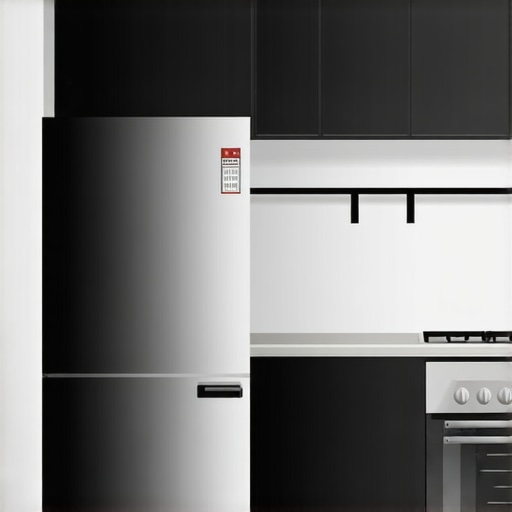
I’ll never forget the moment I first installed a fridge and thought, “Well, that looks good enough.” It was after a few weeks when I noticed strange noises, slight overheating, and a sudden decline in energy efficiency. Turns out, I had placed my refrigerator too close to the wall. That little mistake cost me more than I expected: higher electricity bills, potential damage, and the hassle of troubleshooting.
Why Your Fridge Needs Space — and How I Learned the Hard Way
Many homeowners overlook the importance of proper spacing around their appliances. The truth is, leaving an adequate gap behind your fridge isn’t just about aesthetics; it’s about safety, efficiency, and longevity. When I finally read up on the topic, I discovered that manufacturers typically recommend a clearance of at least 1-2 inches behind the fridge. This allows for proper airflow, which is critical for preventing overheating and costly repairs. According to appliance experts, insufficient space can cause your compressor to work harder, increasing wear and tear, and even leading to early failure (source).
Is Proper Ventilation Really That Important?
Initially, I wondered if this whole spacing thing was exaggerated. I thought, “A couple of inches? Isn’t that just for appearance?” Well, I was wrong. The proper distance ensures your refrigerator’s cooling system runs efficiently. Without enough room, condensers get clogged, and motors overheat. The result? Higher energy bills and shorter appliance life. But don’t worry—I’ve got practical advice to help you get this right without overthinking every inch.
Before we move into the specifics, let me share a mistake I made early on that could have been avoided. When installing my fridge, I failed to check the manufacturer’s guidelines and relied solely on guesswork. This oversight cost me time, money, and peace of mind. To save you from the same pitfalls, I suggest following a simple set of steps for ideal placement and ensuring your appliance stays in tip-top shape.
Ready to optimize your kitchen space and extend your fridge’s lifespan? Let’s dive into how you can achieve the perfect distance and avoid common installation errors that could lead to unnecessary repairs or energy waste.
Measure and Prepare Before Installation
Start by consulting your refrigerator’s manual to identify its recommended clearance. I remember the first time I installed my fridge without reading these guidelines; I misjudged the space needed, which caused overheating within weeks. To avoid this, use a tape measure to determine the exact dimensions of your appliance and compare them with your kitchen space.
Choose the Right Location
Select a spot that has a level floor and allows for the necessary clearance. Think of your refrigerator like a racing car; it needs room to breathe to run efficiently. When I positioned my fridge in a tight corner, I noticed increased energy bills and uneven cooling. Ensuring a minimum of 1-2 inches behind and on the sides helps the compressor regulate temperature effectively.
Use a Leveling Tool for Accuracy
Place a carpenter’s level on top of the fridge to verify its position. During my first attempt, I simply eyeballed the level, which resulted in a leans and vibrations. Use shims or adjustable legs to level the appliance precisely. Proper leveling prevents leaks and rattles, extending your fridge’s lifespan.
Maintain the Correct Clearance During Usage
Regularly check that nothing shifts over time, reducing clearance. I learned this the hard way when I moved furniture and accidentally pressed my fridge closer to the wall. This minor change boosted the risk of overheating. Periodic inspections will keep your appliance running smoothly, avoiding costly repairs.
Utilize Professional Services When Needed
If you’re unsure about installation, consider calling a nearby expert. Quick and professional setups reduce mistakes and ensure warranty protection. For reliable installation and repair, I recommend trusted local providers that offer same-day service, which can be a lifesaver during emergencies (see here for more info).
Remember, proper spacing isn’t just about following rules; it’s about maintaining your appliance’s health and your energy bills. Take the time to get it right, and you’ll enjoy a longer-lasting, more efficient fridge. And should your appliance ever need servicing, knowing you prioritized proper installation will streamline the process and safeguard your warranty (learn about warranty tips here).
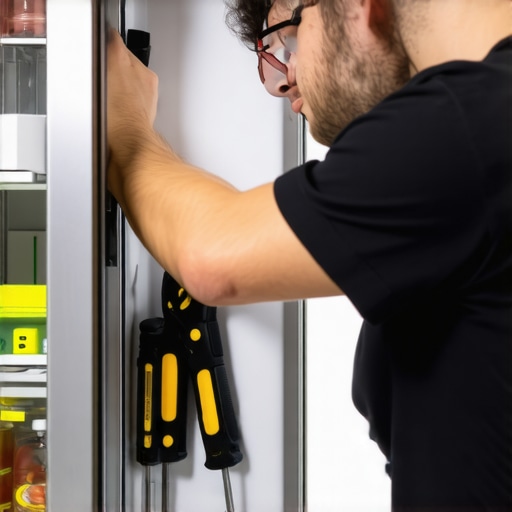 Many homeowners operate under misconceptions when it comes to same-day appliance services and warranty claims, which can lead to costly mistakes and unmet expectations. First, a widespread myth is that same-day service guarantees instant repairs regardless of the issue. In reality, the term ‘same-day’ often refers to scheduling availability rather than immediate completion. Expert technicians prioritize urgent cases, but complex repairs still require adequate diagnostics, parts sourcing, and proper execution, as highlighted in industry analyses (reliable repair tips).
Another common misconception is that your warranty covers all repair expenses. However, many warranties exclude routine maintenance, cosmetic damages, or certain parts like belts or filters, which can surprise unprepared homeowners. Additionally, warranty coverage often hinges on adherence to proper installation and usage guidelines, emphasizing the importance of professional installation for warranty validation (warranty optimization).
One trap to avoid is assuming that a quick fix from an unlicensed technician is equally reliable. While lower-cost, these services can jeopardize warranty coverage and lead to recurring failures. Certified professionals follow manufacturer standards, ensuring your warranty remains intact and your appliance functions optimally. Be cautious of unauthorized repair services that cut corners, which can cause more harm than good (verified service providers).
Advanced Question: How Can You Ensure That Your Appliance Repairs and Installations Comply With Manufacturer Requirements?
Ensuring your repairs and installations are warranty-compliant involves understanding manufacturer specifications and choosing certified technicians. Many brands specify certain procedures, parts, or calibration steps, and deviations may void your warranty. For instance, improper leveling or insufficient ventilation—topics we’ve covered earlier—can also invalidate warranty claims. Consulting with authorized service providers and requesting detailed documentation of repairs not only protects your warranty but also provides peace of mind. Remember, comprehensive documentation and adherence to manufacturer standards give you leverage when disputing denied warranty claims (warranty filing tips).
Finally, when scheduling same-day services, verify that the technician is qualified and authorized, which adds an extra layer of assurance. A reputable, warranty-backed provider can streamline the process, ensure quality work, and help you avoid common pitfalls. Checking reviews, certifications, and licensing before proceeding can save you money and frustration in the long run (find trusted providers).
By peeling back these common myths and understanding the real nuances behind appliance repair and warranty claims, you can maximize your investment and minimize unnecessary expenses. Have you ever fallen into this trap? Let me know in the comments.
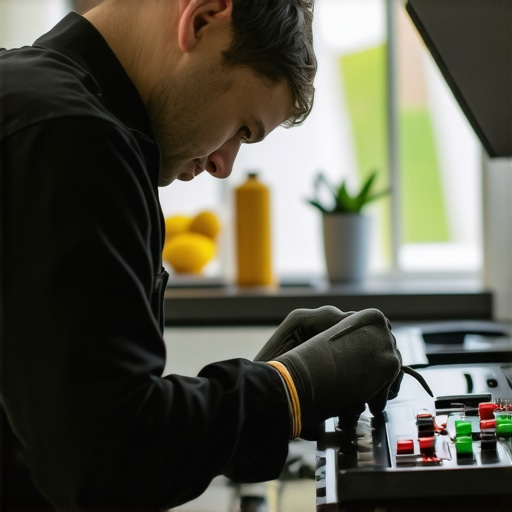
Maintaining your appliances over time requires careful attention to detail and the right set of tools. From diagnostic devices to professional-grade lubricants, every item in my toolkit serves a specific purpose in ensuring longevity and optimal performance. One essential tool I personally rely on is the infrared thermal camera. It helps me quickly identify overheating components in refrigerators and dishwashers without disassembling the unit. I use the FLIR ONE Pro for its precision and portability, which allows me to spot issues before they escalate into costly repairs. Regular use of this device not only saves time but also provides peace of mind, especially when dealing with warranties that require documented evidence of proper maintenance.
Another must-have in my toolkit is a digital multimeter, like the Fluke 115. This allows me to test electrical components safely and accurately. Whether checking the continuity of heating elements or measuring voltage at circuit boards, this tool helps me quickly pinpoint faults. It’s indispensable for anyone serious about appliance repair because it reduces guesswork and increases diagnosis reliability. Additionally, I keep a set of precision screwdrivers and nut drivers, which are crucial for safely opening units without damaging sensitive parts.
On the software side, I recommend using diagnostic apps tailored for specific appliances. Many manufacturers now provide proprietary apps that can troubleshoot issues remotely using Wi-Fi modules. For example, LG’s ThinQ app lets you run diagnostic tests and even reset your fridge’s control board without a technician. Incorporating these digital tools into your routine can streamline maintenance, improve response times, and support warranty claims by providing detailed error logs, which are sometimes required during repairs (see how to maximize warranty benefits here).
How do I maintain these tools and techniques over time?
Consistent calibration and proper storage are key. Regularly check and calibrate your multimeter and thermal camera according to the manufacturer specifications. Store them in a clean, dry environment, and avoid exposing them to extreme temperatures. Keeping your equipment in top condition ensures ongoing accuracy and reliability, saving you money and potential warranty complications down the line. Investing in quality tools isn’t just for DIY enthusiasts; it’s an investment in your appliance’s long-term health. As trends move toward more integrated smart appliances, I predict the importance of digital diagnostics and remote monitoring will only grow in the upcoming years. Staying ahead with the latest tools not only keeps your appliances functioning smoothly but also prepares you for future advancements in the field.
If you’re serious about maintaining your appliances effectively, start by integrating a thermal camera into your routine. Try calibrating it today and get a clearer picture of your appliances’ health — a small step that can save you from big headaches later.
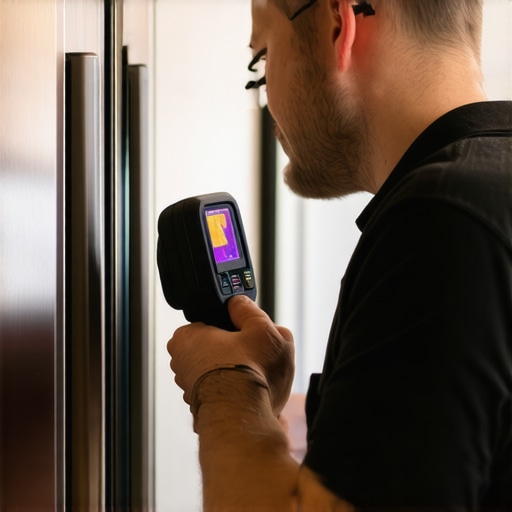
Remember, proper maintenance isn’t a one-time effort. It’s about establishing a routine that combines the right tools with systematic checks. This proactive approach ensures your appliances remain reliable and your warranty stays valid. For more insights into effective appliance care, check out our comprehensive expert guide to appliance maintenance.
,
The Hardest Lesson I Learned About Same-Day Service and Warranty
Early on, I believed that a quick response was the ultimate value, but I discovered that rushing could compromise quality, leading to repeat visits and frustration. Patience and thorough diagnostics proved far more beneficial in the long run.
Three Myths About Appliance Repair That Cost Me
I once thought that all technicians were interchangeable and that DIY fixes saved money. Both assumptions were costly mistakes, emphasizing the importance of trusting certified experts who understand warranty nuances and proper installation standards.
What Industry Insiders Won’t Usually Say
Many repair providers prioritize speed over compliance with manufacturer guidelines, risking warranty voids for customers. Awareness of these behind-the-scenes practices helps you choose services that truly protect your appliance’s lifespan and warranty coverage.
My Tried-and-True Resources for Reliable Service
- Certified Local Technicians: Trustworthiness and familiarity with manufacturer standards make them my go-to for complex repairs.
- Diagnostic Tools like FLIR Thermal Cameras: They help detect overheating issues early, preventing costly breakdowns.
- Official Manufacturer Manuals and Guides: Essential for understanding the exact clearance and installation requirements.
- Warranty Policy Documents: Knowing the fine print saves surprises when claiming repairs or replacements.
Keep Moving Forward: Your Appliance Journey Matters
Remember, embracing these insights about same-day service, installation, and warranty nuances can empower you to make smarter decisions and extend your appliances’ life. Take steps today—your future self will thank you for it.