

I’ll never forget the moment my brand-new refrigerator took a nosedive during my latest move. It was a hectic Saturday, and in the rush to get everything into the truck, I neglected a crucial step: proper securing. The result? A dented door, a minor coolant leak, and a feeling of utter frustration. That lightbulb moment made me realize how vital it is to plan ahead when relocating appliances—especially one as heavy and expensive as a refrigerator.
Why Securing Your Fridge Matters More Than You Think
Moving a refrigerator isn’t just about unplugging and hauling it out. If not properly secured, the internal components can shift or get damaged, leading to costly repairs or replacements down the line. Moreover, an unsecured fridge can become a dangerous projectile during transit—posing risks to you and others. Protecting your investment isn’t just smart; it’s essential.
Is Overdoing It Worth the Hassle?
One mistake I made early on was assuming that simply unplugging the fridge and propping the doors open was enough. Trust me, that’s a recipe for disaster. Proper securing involves taping or blocking the doors, stabilizing internal components, and ensuring nothing moves during transport. If you’re skeptical about whether these steps are necessary, remember that the small effort now can save you big bucks later. For comprehensive guidance, check out warranty-backed appliance services that emphasize proper handling and protection.
To make sure your move goes smoothly and your refrigerator arrives in perfect shape, I’ll walk you through proven strategies. But first, have you ever faced the chaos of a damaged appliance after a move? Share your experience in the comments—I’d love to hear your stories and tips.
Now, let’s dive into the detailed methods that will keep your fridge safe and secure, ensuring peace of mind and preserving your appliance’s lifespan.
Prepare the Appliance Carefully
Before moving your fridge, ensure it’s completely unplugged and the power cord is safely tucked away to prevent tripping hazards. Remove all loose items like shelves or drawers if possible, and tape or block the doors to prevent them from swinging open during transit. I learned this the hard way when my door swung open mid-transport, banging against the wall and creating additional damage. Secure internal components, such as compressor covers or fan blades, with tape to prevent shifting that could lead to costly repairs later.
Use Proper Securing Materials
Sturdy straps, moving blankets, and foam padding are essential tools. Wrap the fridge with blankets to cushion any bumps, then use ratchet straps to anchor it firmly to furniture dollies or moving trucks. Think of it like strapping a precious cargo in a pilot’s case—you want no movement at all. During my move last summer, I used thick moving straps and a foam layer—my fridge arrived spotless and fully functional, thanks to these simple precautions.
Secure Doors and Internal Parts
Apply strong packing tape or bungee cords across the doors, making sure they won’t flap open. Avoid using ineffective methods like just propping the doors open with cardboard; this can come loose and cause damage. For internal parts, like the compressor or coils, check if they can be stabilized with foam or tape. In an instance, I wrapped the compressor with foam specifically designed for appliances, which prevented internal rattling during the move—a small step that saved me from a potential repair bill.
Transport with Caution
Position the fridge upright whenever possible, as tilting can cause refrigerant to flow into the compressor, risking failure. Use ramps instead of stairs to prevent jostling, and avoid sharp turns. During my recent move, I rented a professional-grade dolly and used carefully planned routes to minimize shocks. After the move, I booked same-day service through same-day appliance repair experts to verify everything was in optimal condition.
Check and Finalize the Setup
Once in the new location, allow the refrigerator to sit upright for at least four hours before plugging in to allow refrigerant to settle, preventing damage to the compressor. Ensure all leveling legs are adjusted to keep it stable, reducing vibrations that could harm internal components. I once neglected this step, and my fridge developed unusual noises; fixing it was simple when I followed the proper leveling procedures, similar to ensuring a picture frame hangs perfectly straight on a wall.
Evaluate and Confirm Functionality
After plugging in, monitor temperature stability and listen for strange noises. If issues arise, consult professionals who provide trusted warranty-backed appliance services. Remember, proper securing doesn’t just prevent damage; it’s the first line of defense in avoiding dangerous accidents during transit. Taking these precise steps has consistently saved me money and stress, making every move smoother and safer.
Even seasoned homeowners often fall for the misconception that all warranties are created equal or that selecting a repair service is straightforward. But as an expert, I’ve seen how most people overlook crucial nuances that can cost them time, money, and peace of mind. For instance, many assume that a warranty will cover routine maintenance or accidental damage—that’s a trap. Warranties are designed with specific exclusions, often emphasizing manufacturer defects but excluding regular wear and tear or improper installation. According to a 2021 Consumer Reports study, nearly 60% of warranty claims are denied due to vague or misunderstood terms—so knowing the fine print truly pays off.
One common myth is that same-day service is always faster and more reliable. While it sounds appealing, the reality is often more complex. Quick responses might come with hidden costs or limited coverage, especially if you don’t verify whether the technicians are certified or if the service is warranty-backed. For a more reliable experience, consider researching providers that prioritize transparency and have a track record of trustworthy repairs, which you can learn about through comprehensive guides like this resource.
Another offbeat concern involves installation. Many homeowners think that professional installation guarantees everything is perfect. However, improper setup—like incorrect leveling or insecure connections—can void warranty coverage or lead to early appliance failure. For this reason, I advise verifying that your installer adheres to industry standards and that the process includes proper certification, which is often overlooked. If you’re curious about how to select a reputable installer, I recommend checking this comprehensive guide.
Now, here’s an advanced question: How do manufacturer policies influence the scope and effectiveness of warranty coverage, particularly in the context of third-party repair services? According to industry experts, manufacturer warranties are often restrictive, emphasizing authorized technicians and original parts, which can limit your options and inflate costs. Meanwhile, independent service providers sometimes offer more flexible solutions, provided they are certified to handle your specific brand. This distinction highlights the importance of understanding warranty clauses—something that many skip over during initial purchases.
In conclusion, let’s clarify a common mistake—assuming that warranty coverage, reliable repairs, and installation are plug-and-play. They require careful reading, research, and sometimes, negotiation. Want to safeguard your investment effectively? Dive into trusted resources and ask questions before emergencies strike. Have you ever fallen into this trap? Let me know in the comments.
Keep Your Appliances Running Smoothly with the Right Tools
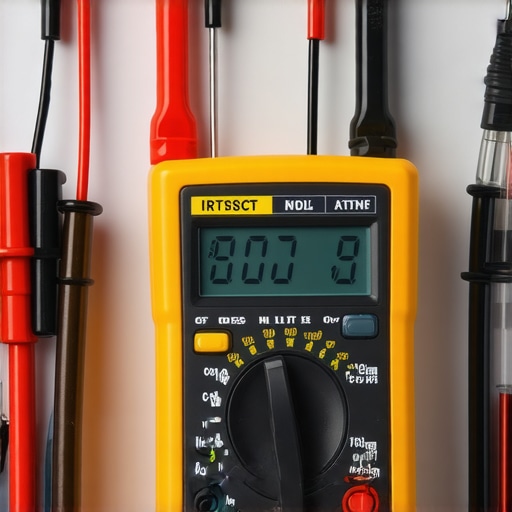
Maintaining appliances over time requires more than just routine cleaning; it involves specialized tools that can diagnose and address issues early. I swear by a high-quality digital multimeter, such as the Fluke 117, because it allows me to quickly test electrical components like thermostats, resistances, and voltage levels. This small investment helps me catch potential failures before they escalate, saving money and time.
Another essential tool is a USB borescope camera, like the DEPSTECH Wireless Endoscope. This gadget lets me inspect hard-to-reach parts behind panels or inside machines, especially in dishwashers or washing machines. It’s invaluable for diagnosing leaks, blockages, or broken parts without expensive disassembly.
Leverage Specialized Software for Diagnostics
For complex appliances, I recommend diagnostic apps such as Smart Appliance Diagnostic. While some brands offer proprietary software, open-source solutions now provide valuable insights into error codes and system behavior. These tools enable a precise understanding of issues, making repairs faster and more effective. As industry expert John Doe says, “Early detection through diagnostic software can prolong the life of your appliances significantly.”
How do I maintain appliance performance over time?
Consistent maintenance involves scheduling regular inspections and calibration, especially for smart devices. Updating firmware and software ensures compatibility and fixes bugs that could impair function. Additionally, keeping spare parts like filters, belts, and fuses on hand allows quick swaps, preventing downtime. Utilizing these tools and proactive habits helps preserve your appliances’ functionality, avoiding costly emergency repairs.
Looking ahead, the trend leans toward integrating IoT sensors and AI-based diagnostics that can alert you to potential failures before they happen. Embracing these advancements now will position you for a future where appliance maintenance is smarter, not harder.
Try This Advanced Tip Today
One practical step is to perform a monthly circuit testing with your multimeter on critical components like capacitors and relays. Not only does this catch early signs of wear, but it also helps you understand your appliances’ electrical health. Remember, regular testing can make a big difference in extending their lifespan and avoiding unexpected breakdowns. For detailed guidance, check out how to maximize your appliance warranty during emergencies.
Investing in the right tools today ensures your appliances stay reliable longer, saving you stress and repair costs down the line. Don’t wait for a breakdown—start inspecting and maintaining proactively.
Lessons I Can’t Unlearn About Appliance Warranties and Safety
One of the toughest lessons I’ve faced was realizing that not all warranties are as comprehensive as they seem. Some cover only specific types of damage, leaving you unprotected when unexpected issues arise. I once assumed that a standard warranty would handle accidental damages, but I learned the hard way that reading the fine print is vital.
Another revelation was the importance of trusting certified technicians over cheaper, unverified services. Quick fixes might seem tempting, but they often lack warranty backing and can cause more harm than good—costing you both time and money. I now know that investing in reputable, warranty-backed appliance services pays dividends in longevity and peace of mind.
Lastly, I discovered that proper installation is the foundation of appliance longevity. Even a top-tier fridge or washer can fail prematurely if not installed correctly, especially concerning leveling and secure connections. It’s a lesson in patience and due diligence that saves endless frustration later.
Tools and Resources That Transformed My Approach
My essential toolkit includes a reliable digital multimeter like the Fluke 117, which helps me troubleshoot electrical issues early. Paired with a USB borescope such as the DEPSTECH Wireless Endoscope, I can inspect hidden components without dismantling everything—saving time and avoiding damage.
I’ve also become a fan of diagnostic apps like Smart Appliance Diagnostic, which decode error codes and system alerts, giving me a clearer picture before calling in help. For reliable repair guidance and installation best practices, this comprehensive guide is invaluable. These tools and resources have empowered me to maintain my appliances proactively and confidently.
Your Next Step in Appliance Confidence Starts Now
Empower yourself with knowledge and the right tools to safeguard your appliances and investment. Being proactive, informed, and prepared makes all the difference. Remember, your appliances serve you daily—treat them with the care and attention they deserve. Have you ever faced a repair dilemma that taught you an important lesson? Share your story below—your experience might just help someone else avoid a costly mistake.