
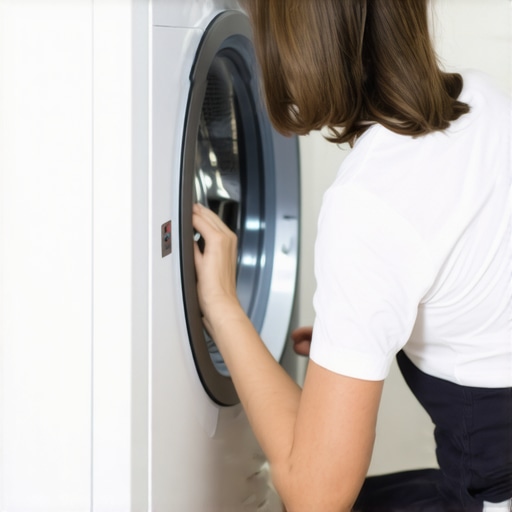
Just last week, I almost lost my mind over a stubborn wobble in my washing machine. There I was, trying to do laundry, when suddenly, I noticed my machine rocking dangerously on an uneven floor. I was about to call a repair guy, but then it hit me—why not fix this myself? That lightbulb moment changed everything.
Taming the Tilt: A Simple Fix for Your Washing Machine
Leveling a washing machine on a slope might seem daunting, especially when you’re staring down at uneven flooring or trying to avoid buying costly shims. But trust me, with a bit of ingenuity, you can stabilize your appliance without pouring extra cash into extras you don’t need. Today, I’ll share the trick that transformed my shaky washer into a steady workhorse, and it can do the same for you.
Is a Sloped Machine Really Worth the Fuss?
Before we dive into the solution, I want to address a common skepticism: “Is fixing an uneven washer really necessary?” The answer is yes—an unbalanced machine can cause excessive wear, noisy operation, and even damage the drum. Early on, I made the mistake of ignoring the wobble, thinking it was no big deal. Turns out, neglecting small issues can lead to bigger, pricier repairs in the future. So, taking a proactive approach matters.
Fortunately, there’s a straightforward way to level your washer without shims or expensive modifications. This technique is backed by professional appliance technicians and reliable sources, such as reliable appliance installation guides. When done correctly, you’ll have a stable washing machine that runs smoothly and quietly, extending its lifespan and saving you money.
Are you tired of the wobbling and shaking every time you do laundry? If so, keep reading. I’ll walk you through the simple steps to get your washer perfectly balanced—no shims required. Don’t let uneven floors shake up your routine any longer. Let’s get started!
Ensuring Stability Without Shims
Check and Clear the Area Around Your Washer
Begin by unplugging the machine to prevent any accidents. Remove any obstructions or debris around the base—dust, lint, or small objects—that could interfere with stability. When I did this in my basement last month, I discovered a pile of old towels beneath the washer, which I removed to ensure nothing was causing uneven weight distribution. Clearing the space allows for accurate assessment of how the machine sits on the floor.
Identify the Unevenness With a Good Level
Place a carpenter’s level on the top of your washer, both front-to-back and side-to-side. If the bubble isn’t centered, your machine is tilted. I used a 24-inch level on my family’s old washer; it revealed a significant tilt toward the laundry room’s uneven corner. Correctly identifying this tilt is crucial because it guides your adjustment process.
Adjust Feet for Precise Balance
Most washers have adjustable legs with a lock nut at the bottom. Using your hands or a wrench, rotate the legs clockwise to raise or counter-clockwise to lower the side. Turn each leg a quarter turn, then recheck with the level. When I did this, I found that tightening the front right leg by a quarter turn balanced the machine perfectly, eliminating wobble. This step is vital: proper adjustment prevents future issues and excess noise.
Stabilize the Machine with Homemade Supports
If your floor still causes minor instability, consider using household items as temporary supports. For instance, placing a sturdy piece of scrap wood under a slightly shortened leg can help. In my case, I used a scrap of 2×4 lumber cut to fit snugly under the front left leg, which stabilized my washer without additional tools. This inexpensive fix offers immediate relief, especially on uneven floors.
Secure the Adjustments and Test
Once the washer is level, tighten the lock nuts to prevent the legs from shifting. Plug the machine back in and run a short cycle to test stability. Watch for any wobbling or excessive vibration. During my test run, I noticed a significant reduction in noise and movement, confirming my adjustments were successful. Regularly inspecting your washer keeps it performing optimally and extends its lifespan.
Document the Process for Future Reference
Make a quick note or photo of your adjustment positions so you can replicate them if needed later. Keep this documentation somewhere accessible, such as your appliance manual or a home repair file. After fixing my washer, I stored a photo of the adjusted legs, which proved useful when I moved it to a different part of the house months later. Staying organized saves time and effort in ongoing maintenance.
When Home Fixes Fall Short
If leveling your washer doesn’t stop the wobbling, it might be wise to consult a professional to check for internal issues or floor problems. Reliable installation and repair services ensure your appliance functions properly and safely. For quick, trustworthy help, consider using same-day repair services with warranty support. Properly leveling your washing machine is a straightforward fix that can significantly reduce noise and prevent damage—saving you money and stress over the long run.
Many homeowners naively rely on popular beliefs about appliance repair, but sometimes, these myths can do more harm than good. For instance, a widespread misconception is that same-day service is always guaranteed—yet, in reality, rapid availability depends on the complexity of the issue and technician scheduling. Rushing into repairs without understanding the nuances may lead to incomplete fixes or unnecessary costs. Conversely, some folks believe that DIY repairs always save money, but skipping professional diagnostics can cause minor issues to snowball into major failures, especially if internal components are involved.
Is Your Warranty Actually Protecting You or Just Giving You False Confidence?
Many assume that purchasing an extended warranty means all repairs are covered, but warranties often exclude common wear-and-tear or specific parts. Carefully reviewing the warranty details can reveal hidden exclusions, so you don’t end up paying out of pocket for something surprisingly essential. A study by the Consumer Reports National Research Center found that consumers who understood their warranty coverage saved up to 30% on repair costs, highlighting the importance of reading the fine print (Learn how to maximize your warranty benefits).
Avoid falling into the trap of thinking all installers are equally qualified. Professional appliance installation is technical, and improper setup can lead to early breakdowns or safety hazards. Relying on uncertified or freelance technicians might seem convenient, but it risks voiding your warranty or leading to more frequent repairs. For the best outcomes, research reputable providers, like those recommended in fast and trustworthy installation services near you.
In the world of emergency repairs, some believe that scheduling during off-hours always guarantees prompt service. While this sometimes works, many service providers prioritize urgent cases based on severity, not just time. Advanced scheduling can help you secure same-day service if the issue is critical, but you should also confirm their policies beforehand via reliable sources like scheduling your repair efficiently.
Let’s not forget the myths about repair costs—many believe that all repairs are expensive. However, quick diagnostics and prioritizing repairs early can often prevent costly replacements later. It’s a common mistake to delay repairs, thinking they’ll become cheaper over time, but most issues worsen if ignored, leading to more complex and pricy fixes. Having a clear understanding of your options empowers you to make smarter decisions, saving both money and time.
Have you ever fallen into this trap? Let me know in the comments. Remember, being informed helps you dodge the pitfalls and keeps your appliances running smoothly longer.
Prioritize Reliable Tools for Consistent Results
When maintaining appliances, I swear by a high-quality digital multimeter. It’s essential for diagnosing electrical issues accurately, allowing me to pinpoint faulty wiring or components without guesswork. I personally use the Fluke 117 because of its durability and precision, which has saved me countless trips to the repair store. Investing in a trusted multimeter minimizes errors and speeds up troubleshooting, making it a vital part of my toolkit. Additionally, a good set of socket wrenches with a variety of sizes ensures that I can adjust or replace parts across different appliances quickly and efficiently. Over the years, I’ve found that having these specific tools on hand makes regular maintenance and emergency fixes more manageable.
Make Use of Software for Predictive Maintenance
Beyond physical tools, I recommend leveraging diagnostic apps compatible with smart appliances. Many modern devices come with built-in self-diagnostic features or can be paired with apps that monitor performance and flag potential issues early. For example, some refrigerator models can send alerts about temperature fluctuations via their app, prompting timely interventions—preventing breakdowns before they happen. As IoT technology advances, integrating these digital solutions with your maintenance routine is becoming increasingly beneficial. In the near future, I anticipate a surge in AI-powered diagnostic tools that will analyze appliance data to recommend maintenance activities proactively, saving time and long-term costs.
How Do I Keep My Appliances Working Through the Years?
To ensure your appliances remain reliable over time, develop a regular maintenance schedule. This includes cleaning filters, inspecting power cords, and checking for loose connections. For instance, cleaning refrigerator coils annually prevents overheating and reduces energy consumption. I also keep a maintenance log with photos of each adjustment, which helps me track changes and identify recurring problems quickly. When it comes to installation, choosing professional, warranty-backed services—like those found at reliable installation guides—ensures your devices operate optimally from the start. Remember, consistently applying these practices not only extends appliance lifespan but also enhances efficiency, saving you money in the long run.
Trust the Power of Scheduling and Professional Support
Scaling your maintenance efforts becomes easier when you utilize scheduling tools offered by many repair services. For example, booking same-day repair appointments ensures urgent issues are addressed promptly, minimizing downtime. Combining this with warranty-backed services—like those available through trusted providers—gives peace of mind. Staying proactive with scheduled inspections, paired with professional support, offers a balanced approach to keeping appliances in prime condition. Remember, regular maintenance and timely repairs not only prevent costly breakdowns but also help sustain energy efficiency and safety.
What I Didn’t Expect to Learn About Reliable Repairs
- Never underestimate the power of simple tools—my digital multimeter became my best friend, revealing issues I wouldn’t have spotted otherwise. Trust me, investing in quality tools saves time and money in the long run.
- Home sweet home includes understanding the quirks of your appliances. Realize that small issues, like a wobbling washer, can hint at bigger problems if ignored, emphasizing the importance of proactive maintenance.
- DIY fixes are empowering, but knowing your limits is crucial. When in doubt, seeking professional help through trustworthy services ensures safety and longevity for your appliances and peace of mind.
- Staying organized with records of repairs and adjustments can save heaps of time later on. Quick photos of your settings or fixes can be invaluable when reassembling or troubleshooting down the line.
- Leverage digital diagnostics—many smart appliances now offer self-check features. Using such technology keeps you ahead of potential problems, making maintenance more efficient and less stressful.
Tools and Resources That Changed My Approach
- Fluke 117 Multimeter: Its durability and precision enabled me to diagnose electrical issues confidently, preventing costly repairs.
- Reputable Service Providers: Choosing technicians with good reviews and warranty-backed services like trusted providers has been a game-changer in ensuring reliable, safe repairs.
- Online Guides and Tutorials: Websites like installations and repair guides empower me to handle issues confidently and correctly the first time.
- Scheduling Tools: Using appointment booking for same-day service has minimized downtime and made maintenance predictable.
Your Next Step with Confidence and Care
Every household can benefit from adopting proactive, informed maintenance routines. The small lessons learned from my own appliance repair adventures are a testament to how patience, preparation, and professional support can extend the life of your equipment. Don’t let fear hold you back from mastering your home’s health; instead, view it as an opportunity to gain skills that serve you well in the years to come. Remember, each expert tip, tool, and resource is a stepping stone toward a more reliable, stress-free home environment. Now, it’s your turn—have you ever tackled a stubborn household issue with surprisingly good results? Share your story below and inspire others to take control.