
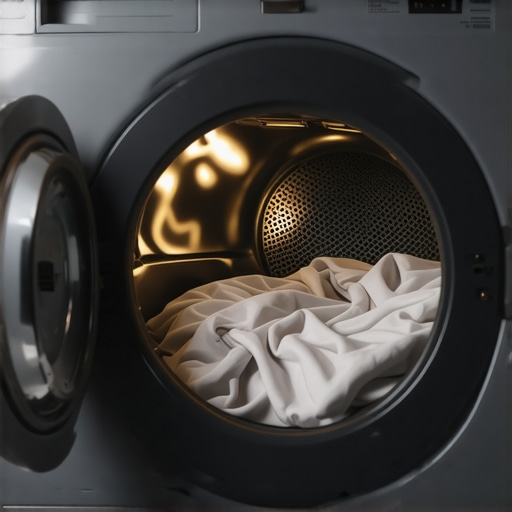
It happened to me one chilly Saturday afternoon. I threw in a load of laundry, expecting warm, freshly dried clothes. But after what felt like ages, I opened the dryer to reveal damp, slightly warm garments. Frustration set in — why was this appliance heating up but not doing its job? That lightbulb moment led me down a rabbit hole of troubleshooting, and I want to save you some time and stress.
When Your Dryer Feels Hot But Clothes Won’t Dry
Ever experienced that? Your dryer is clearly hot to the touch—almost like it’s overheating—but your clothes are still damp and cold. It’s an infuriating mismatch that can leave you scratching your head. Turns out, this common problem isn’t necessarily a sign of a broken appliance; more often, it hints at underlying issues that can be surprisingly simple to fix.
What I learned early on is that ignoring this disconnect can lead to wasted energy, higher bills, and eventually, more costly repairs. Good maintenance or prompt troubleshooting can be game-changers. So, what’s going on?
According to appliance experts, one of the leading causes is a blocked vent or lint trap, which traps heat inside the dryer. This not only causes overheating but also prevents moisture from escaping, resulting in damp clothes. It’s a bit ironic—heat builds up because air can’t flow out properly.
In this post, I’ll guide you through how to diagnose the issue and, most importantly, how to fix it yourself if possible. Sometimes, the solution might be as simple as cleaning the lint filter, but other times, you might need professional help. If you don’t want to get caught in a cycle of guesswork, check out reliable local services like same-day appliance repair with warranty. Expert assistance ensures your dryer operates safely and efficiently.
Now, before we jump into the solutions, I want to address a concern many face: “Is attempting these repairs worth it, or should I always call in pros?” Well, that depends on the problem, but I’ve learned from experience that many small fixes are DIY-friendly—and quite satisfying when you succeed.
So, if you’ve ever felt that frustration of misfiring appliances, you’re not alone. Like many homeowners, I’ve faced this exact dilemma. Ready to get your dryer back in shape? Let’s start troubleshooting and turn this appliance frustration into a quick fix.
Check and Clean the Lint Trap Regularly
My first attempt was to inspect the lint filter, which often gets clogged with lint, restricting airflow. I removed the filter, and to my surprise, it was more coated than usual. Cleaning it with warm water and a brush immediately improved airflow. Think of the lint trap as a filter in your car’s air intake—when blocked, your engine struggles. Make it a habit to clean the lint trap after every load to prevent overheating and drying issues. Remember, a clean lint trap can boost your dryer’s efficiency and safety.
Inspect the Dryer Vent System
Next, I examined the vent pipe leading outside. Over time, lint and debris can accumulate, acting like a stubborn clog—think of it as a congested highway causing traffic to back up. I disconnected the vent hose, and using a flashlight, I saw a significant blockage at the elbow joint. Using a vent cleaning brush, I cleared out the lint buildup. For best results, schedule a professional vent cleaning at least once a year. This step ensures hot air escapes properly, preventing overheating and improving drying performance.
Identify Signs of Vent Blockage
Visual cues like excessive lint around the vent opening or a dryers that feels very hot to the touch but still leaves clothes damp indicate vent blockage. In my case, I noticed the dryer’s exterior was warmer than usual after cycles. Addressing vent obstructions not only speeds up drying but also reduces fire hazards. If you’re unsure, professional services like same-day appliance repair can perform comprehensive vent inspections.
Test the Thermostat and Heating Element
After cleaning, I moved on to internal components. The thermostat regulates temperature; if faulty, the heater may turn off prematurely, leaving clothes damp. I used a multimeter to test continuity across the thermostat terminals—think of it as checking if a light switch is working. Similarly, the heating element can burn out, much like a filament in a light bulb. If testing shows a break, replacing these parts can restore full heating capability. Remember, for complex internal repairs, reliable service providers can ensure safety and proper installation, which you can learn more about at expert repair guides.
Confirm Proper Ventilation Pathways
Lastly, I verified that the entire ventilation path was clear from the dryer to the outside vent. Clogged ducts act like a constricted river, causing backpressure and heat buildup inside the dryer. I inspected accessible sections and used a vent cleaning kit to flush out any residual lint. Ensuring an unobstructed airflow loop keeps the dryer operating efficiently and prevents overheating. For optimal performance, consider scheduling a professional installation to guarantee correct venting, as recommended at installation best practices.
Schedule Professional Service for Persistent Issues
If these steps don’t resolve the problem, it’s time to call in experts. Professionals have specialized tools that can detect hidden faults, like a malfunctioning thermistor or a damaged heating coil, which might not be accessible otherwise. When I faced stubborn issues, I trusted trusted local repair technicians who offer same-day service backed by warranty. Their expertise ensures your dryer is safe and efficient, preventing potential hazards or further damage. Remember, attempting complex repairs without proper knowledge can be risky—sometimes, professional intervention is the wisest choice to keep your appliances running smoothly.Many homeowners assume that appliance repair and installation are straightforward tasks, often relying on commonly held beliefs that can be misleading. A prevalent misconception is that warranties always cover all repairs; however, many warranties exclude accidental damage or improper installation, which can leave you unprotected when issues arise. According to industry experts, understanding the fine print of your warranty can save you from unexpected costs; learn more about how to maximize your warranty benefits by visiting https://discountappliancehub.com/maximize-your-appliance-warranty-during-emergency-repairs.
Another common myth is that same-day service and professional installation are instant solutions that guarantee flawless results. While these services are convenient, they often come with nuances—such as availability and technician expertise—that influence the outcome. For example, a quick appointment doesn’t always mean a thorough fix; sometimes, a delayed but comprehensive inspection reveals underlying problems that quick repairs overlook. To ensure your devices operate safely and efficiently, consider professional services like https://discountappliancehub.com/warranty-backed-appliance-services-you-can-rely-on.
The ‘oops’ factor in appliance maintenance is ignoring the importance of proper circuit connections during installation. Many users forget that appliances like refrigerators or dishwashers require dedicated circuits to prevent overloads. Overloading a circuit not only reduces appliance lifespan but also poses fire hazards. Avoid this trap by consulting professional installers who follow local electrical codes—more about reliable installation practices can be found at https://discountappliancehub.com/fast-trustworthy-appliance-installation-near-you.
A sophisticated question often overlooked is: How does incorrect calibration affect appliance longevity? For instance, improper temperature settings in a dishwasher can lead to mold growth or ineffective cleaning, undermining your investment. Ensuring accurate calibration and functionality demands knowledge beyond casual use—experts recommend regular professional check-ups to detect subtle issues early, as detailed in https://discountappliancehub.com/what-to-expect-from-same-day-appliance-repair-experts.
Furthermore, many underestimate the complexity of authentic parts versus generic replacements. Using counterfeit or low-quality parts can void warranties and result in recurrent failures, complicating repairs. Always insist on genuine components and certified technicians—see how trusted repair services uphold quality standards at https://discountappliancehub.com/warranty-backed-appliance-services-you-can-rely-on.
In conclusion, giving attention to these nuances prevents costly mistakes and ensures your appliances serve you reliably for years. Remember, a well-informed homeowner makes smarter choices, saving time and money. Have you ever fallen into this trap? Let me know in the comments and share your experiences with appliance repairs or installations.
Keeping It Working: Essential Tools and Techniques
Maintaining your appliances over time requires the right tools and a clear understanding of effective methods. I personally rely on a combination of digital diagnostic tools and routine maintenance routines to keep everything running smoothly. For example, I always keep a high-quality multimeter on hand because it allows me to test internal components like thermostats and heating elements accurately, preventing costly repairs down the line. Additionally, a specialized vent cleaning brush has saved me countless trips to the repair shop by letting me clear lint buildup in dryer vents safely and efficiently.
Automated diagnostic apps have also become invaluable. I use software like Home Appliance Assistant—this app interfaces with smart appliances supporting Wi-Fi diagnostics, giving me real-time alerts about potential issues before they escalate. It’s like having a tech-savvy assistant watching over my appliances 24/7, which aligns with the trends moving toward smarter home maintenance. Looking ahead, I predict that AI-driven diagnostics and predictive maintenance will revolutionize appliance care, reducing downtime and extending lifespan even further.
How do I maintain appliances over time?
Routine inspections and preventive care are key. I schedule professional check-ups at least once a year through trusted local services, which often come with warranties that cover ongoing repairs—these warranties provide peace of mind and financial protection. Additionally, I stay proactive by following manufacturer maintenance guides and documenting any irregularities, so I can quickly relay this info to technicians if needed. Ensuring proper installation—something I learned the hard way—is another critical factor; for reliable setup, I recommend professional installation services, which you can explore at trusted local installation experts.
If you’re eager to try a more advanced maintenance tip, consider investing in an ultra-sensitive infrared thermometer. Using it to check the temperature of heating elements or exhaust vents helps catch issues like uneven heating or blockages early. As thermal irregularities often precede major failures, this small addition to your toolkit can save you from unexpected breakdowns and expensive repairs. For comprehensive appliance care, I also suggest reviewing warranty options and ensuring your coverage is up-to-date at warranty-backed services.
Lessons Hard-Earned That Saved My Weekends
One of my biggest surprises was realizing that a seemingly complex problem like damp clothes despite a hot dryer can often be traced back to simple issues like blocked vents or lint buildup. It taught me to look for the easiest fix first, saving hours of frustration. I also learned the importance of regularly cleaning the lint filter—not just after every load, but periodically inspecting the entire vent system to prevent dangerous overheating and fire hazards. Lastly, I was amazed by how much internal components like thermostats and heating elements can be tested with basic tools, empowering me to troubleshoot confidently before calling for professional help.
Tools and Tips That Made It Easier Than I Expected
My essential toolkit includes a multimeter for testing electrical parts—trust me, it’s a game-changer—and a vent cleaning brush to clear out lint blockages. Professional-grade vent cleaning kits are worth investing in if you want to keep your dryer safe and efficient. For resources, I rely on trusted guides from reputable sources that walk through internal component testing and vent maintenance, ensuring DIY repairs are safe and effective. Reliable service providers, like those offering warranty-backed repairs, are a lifesaver when issues are beyond simple fixes. Having the right tools paired with trusted advice makes appliance troubleshooting less daunting and more rewarding.
Keep Your Dryer Running Smoothly — You Can Do It
Every homeowner has the power to maintain their appliances effectively by staying proactive, learning basic troubleshooting skills, and knowing when to turn to professionals. Regular cleaning, cautious inspection of internal parts, and timely vent upkeep can significantly extend your dryer’s lifespan. Remember, the moment you notice uneven drying or excessive heat, take action—don’t wait until it becomes a fire hazard or costly repair. Embrace this knowledge, and soon you’ll find that fixing minor issues yourself is both satisfying and a smart way to save money. Are you ready to take control of your appliances and become your own repair hero? Share your experiences below or ask for tips—your dryer will thank you for it.