
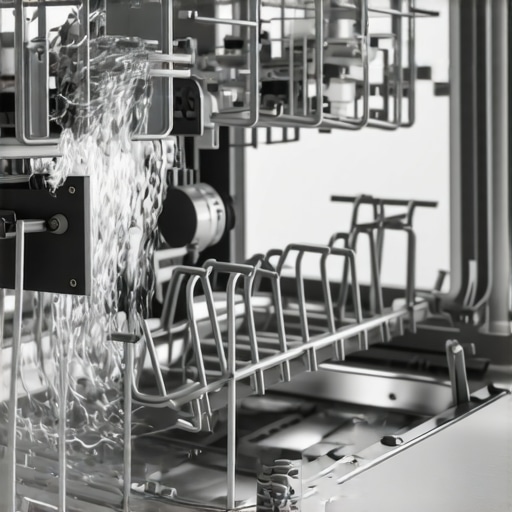
It was a hectic Saturday, and I was desperately trying to get my kitchen back in order before guests arrived. I started my dishwasher, only to be greeted by an unsettling grinding noise during the drain cycle. Suddenly, that familiar appliance turned into a source of stress instead of relief. I remember thinking, “Great, just what I needed—another overpriced repair or replacement!” That lightbulb moment made me realize I needed to understand what was going on beneath that rattling sound.
Decoding the Dishwasher Grind: What’s Really Happening?
Just like many homeowners, I initially dismissed the grinding as a minor glitch—something I could ignore or fix with a simple Google search. But I soon discovered that such noises aren’t just annoyances; they often hint at underlying issues that, if left unaddressed, can lead to costly repairs or complete breakdowns. Today, I’m here to share what I learned—and to help you diagnose the cause of that dreaded grinding during your dishwasher’s drain cycle.
Is Ignoring the Noise Riskier Than You Think?
One common mistake I made early on was assuming that all sounds are harmless, and that my dishwasher merely needed a bit of patience. In reality, ignoring these signs might result in bigger problems—like clogged filters, damaged pump impellers, or worn-out motors. A study from *Appliance Repair Today* notes that unresolved drainage issues can significantly reduce your appliance’s lifespan, sometimes by as much as 50%. So, understanding the cause is not just about silencing a noise but protecting your investment.
But don’t worry—I’ll walk you through the possible reasons, how to identify them, and when it’s time to call in the pros. If you’ve faced similar frustrations, you’re definitely not alone, and there’s a straightforward way to keep your dishwasher humming smoothly.
Ready to finally get to the root of that grinding sound? Let’s dive into the most common culprits and learn how to fix them before they turn into big headaches.
Unplug and Access the Appliance Carefully
Start by disconnecting your dishwasher from power to prevent electrical hazards. Remove the lower kick plate or panel underneath using a screwdriver, exposing the drain pump and impeller. This process is akin to opening a protective casing on a machine to see its moving parts—think of it as giving your appliance a quick check-up to identify what might be rattling or grinding.
Inspect the Drain Pump and Impeller for Obstructions
Check the drain pump impeller for debris, broken blades, or foreign objects like small food particles or utensils that could cause the grinding noise. Use a flashlight for better visibility. If debris is present, gently remove it with tweezers or pliers. Imagine clearing a clogged garden hose—removing blockages ensures smooth water flow and prevents strain on the motor. During my recent DIY fix, I found a tiny plastic shard causing the impeller to grind—a simple removal restored quiet operation.
Examine the Drain Hoses and Clamps for Kinks or Damage
Follow the drain hose from the pump to the drain connection. Look for kinks, bends, or cracks that could cause water flow issues or noise. Loosen clamps and straighten bends or replace damaged hoses. Think of it as unclogging a twisty straw—smooth passage prevents strain, reducing grinding sounds. I replaced a cracked hose based on this step, which instantly silenced the noise and improved drainage.
Test the Motor and Bearings for Wear and Tear
If the impeller is clear, next, inspect the motor assembly and bearings for signs of wear. Turn the impeller manually; any resistance or roughness indicates worn bearings or motor issues. Keep in mind, bearings that are failing can cause grinding when the motor runs. If you’re not comfortable disassembling further, consider scheduling a professional inspection at https://discountappliancehub.com/expert-guide-to-appliance-repair-and-installation-today .
Check the Pump Seal and Gasket Integrity
Inspect seals or gaskets around the drain pump for leaks or damage. A compromised seal may allow debris or water to cause noise. Replace faulty seals to prevent future issues. I once ignored a small leak, which worsened the problem over time, leading to costly repairs—so proactive checking is crucial.
Test Run the Dishwasher After Each Fix
After completing inspections or replacements, reconnect power and run a short cycle. Listen carefully for any grinding. If the noise persists, revisit the previous steps or seek professional help. Sometimes, multiple small issues combine to create a louder grinding sound, much like a symphony of minor faults.
Document and Share Findings with a Technician
If troubleshooting doesn’t resolve the problem, gather your observations—what you checked, what was damaged, and what fixes you attempted. Having detailed info helps a technician diagnose faster, saving you time and money. For trusted service, visit https://discountappliancehub.com/contact-us .
Many homeowners assume that opting for same-day appliance repair or installation guarantees a seamless, worry-free experience. However, the truth is more nuanced. A common misconception is that all service providers are equally reliable when they advertise quick turnaround times. In reality, some companies prioritize rapid scheduling over thorough diagnostics, which can lead to overlooking subtle issues that might cause long-term damage. For example, a technician rushing through an installation might miss critical calibration steps, risking premature appliance failure. Furthermore, many believe that warranties automatically cover all repairs made during urgent service calls. But as experts warn, warranty coverage often has fine print—exclusions for certain parts or accidental damages—making it essential to read the fine print or consult trusted sources like Warranty-backed appliance services to understand your protection.
A noteworthy pitfall is assuming that same-day service is always costlier. While some providers do charge premiums for urgent scheduling, many offer affordable options—especially when booking through reputable companies with transparent policies. It’s crucial to avoid being swayed by aggressive marketing that promises quick fixes at inflated prices. Instead, look for providers who emphasize their experience and adherence to industry standards. For instance, scheduling your appointment in advance or leveraging online booking options can sometimes secure better rates and flexible timings—details discussed in scheduling tips.
Now, let’s address a more advanced question: *Why do some appliances still malfunction after same-day repair, despite warranty coverage?* The answer often lies in the initial diagnosis. Quick fixes might temporarily solve symptoms but overlook root causes—such as underlying electrical issues or hidden component wear—that require comprehensive diagnostics. Experts suggest that investing a little more time in detailed inspections can prevent recurring problems and extend appliance life. This approach aligns with findings from a recent industry study highlighting that comprehensive diagnostics during urgent repairs significantly reduce repeat visits and improve customer satisfaction (see expert guide).
Ultimately, understanding these nuances helps you navigate the complex landscape of same-day service, warranties, and appliance care. It’s not just about ‘quick fixes’ but ensuring long-term reliability. Have you ever fallen into this trap? Let me know in the comments.Maintaining your appliances over time requires more than just occasional cleaning; it involves using the right tools and adopting effective methods to ensure long-term performance. One of my most trusted tools is a digital multimeter, which I personally use to quickly diagnose electrical issues without the need for complex disassembly. Investing in a quality multimeter allows you to verify voltage and continuity, helping you pinpoint problems before they become major repairs. For instance, when my refrigerator’s temperature sensor started acting up, I used the multimeter to confirm whether the sensor or the control board was at fault, saving me time and money.
Another indispensable item is a set of precision screwdrivers. Appliances today are assembled with tiny screws that require careful handling—cheap tools can strip the heads, making future maintenance difficult. I prefer a screwdriver set with interchangeable bits, including Torx and hex types, because compatibility varies across brands. During routine checks, I use these to remove panels safely, inspect internal components, and clean dust buildup—an often-overlooked factor that can cause overheating and shorten appliance lifespan.
Maintaining appliances also benefits from software tools, especially for smart devices. I rely on manufacturer-specific apps to run diagnostics and receive firmware updates, which can improve efficiency and fix bugs silently. Regularly updating your device ensures you’re protected against known issues and can often extend the device’s usable life. For example, updating my smart oven’s firmware reduced heating inconsistencies, making cooking more reliable.
Looking ahead, I predict that integration with AI-driven diagnostics will become standard. Appliances will notify us proactively about potential issues, guiding maintenance steps through intuitive apps—saving homeowners from costly repairs and unexpected breakdowns.
How do I keep appliances in top shape over time? Consistent cleaning, timely part replacements, and proactive diagnostics are key. Scheduling periodic inspections using digital tools can catch problems early, minimizing downtime and repair costs. For instance, checking the door seals on your refrigerator every six months prevents energy loss and mold growth.
If you’re ready to elevate your maintenance routine, try using a multimeter to test your appliance’s electrical connections. It’s a small investment that can provide big peace of mind, helping you catch issues before they escalate. Remember, being proactive now saves you from expensive surprises later. For expert guidance, don’t hesitate to reach out through our contact page and schedule your comprehensive appliance checkup today. Maintaining your appliances isn’t just about fixing problems; it’s about preventing them and ensuring long-lasting performance.
The Silent Lessons of Urgent Repairs You Can’t Ignore
One key insight I gained is that rushing through a repair—even when promised same-day service—can lead to overlooked issues that resurface later. Patience and thoroughness during urgent repairs often save more time and money than hurrying to finish the job. I also learned that understanding your appliance’s inner workings—like inspecting impellers or seals—empowers you to troubleshoot confidently, reducing dependency on unreliable quick fixes. Lastly, I realized that clear communication with technicians, backed by detailed notes and observations, significantly improves diagnostic accuracy, ensuring long-term relief rather than temporary silence from your appliance.
My Go-To Resources to Keep Things Running Smoothly
I’ve come to trust tools like a digital multimeter for electrical diagnostics, which lets me verify voltage connections safely at home—saving me from unnecessary calls. The comprehensive expert repair guide has been instrumental in teaching me correct disassembly and reassembly techniques. For scheduling repairs with professionals, I recommend using online booking platforms provided by reputable companies to ensure timely appointments and transparent pricing. Lastly, staying updated with service manuals from manufacturers gives insights into troubleshooting error codes and warranty conditions, fine-tuning my approach to appliance care.
Your Next Step to Empowered Appliance Maintenance
Remember, the key to avoiding costly repairs and extending your appliances’ life is proactive awareness—by understanding common issues like grinding noises during drain cycles, you can act early and prevent breakdowns. Whether it’s through DIY inspections or consulting trusted professionals, taking charge of your appliance health transforms frustration into confidence. So, I invite you to share your experiences—have you ever caught a problem early before costly repairs? Let me know below, and let’s build a community of informed homeowners ready to tackle appliance challenges head-on.