
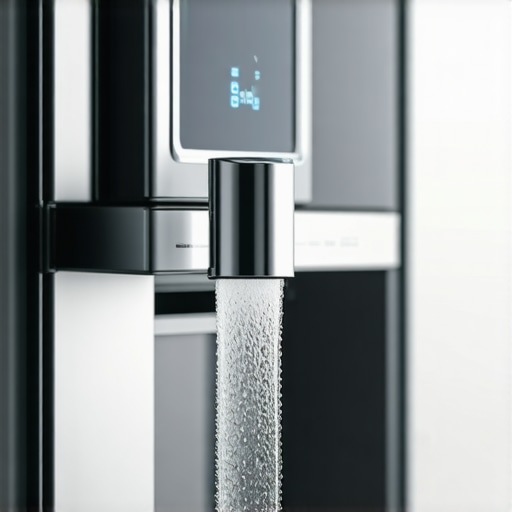
It was a typical afternoon when I reached for a cold glass of water from my fridge, only to be met with a frustrating sluggish flow. That sudden drop in water pressure made me pause—and realize how much we depend on our appliances without giving them much thought until something goes wrong. If you’ve noticed your fridge water dispenser taking longer or barely working at all, you’re not alone. This seemingly small issue can be quite annoying and might signal a bigger problem brewing underneath.
The Hidden Struggles Behind a Sluggish Water Dispenser
Ever wonder why your once-fast water flow has slowed to a drip? Well, it’s often due to mineral buildup, clogged filters, or pressure issues. In my experience, overlooked causes like frozen water lines or faulty valves can also be culprits. Understanding what’s behind this slowdown is essential because it affects your daily convenience and could lead to further appliance damage if left unaddressed.
Could it be that simple? Sometimes, a quick filter change does the trick. But other times, more involved repairs are necessary. That’s why I want to help you diagnose and fix this problem effectively—so you can enjoy a steady water flow without calling for costly repairs. Ready to dive into the details? Let’s get started.
Is DIY Fixing Really Worth the Hassle?
Initially, I made the mistake of thinking I could handle this issue myself without proper knowledge. I watched a few online tutorials, fiddled with some valves, and hoped for the best. But I ended up causing more problems, which led to unnecessary expenses. It’s a common trap: overestimating your DIY skills and underestimating the complexity of appliance systems.
For reliable guidance—and to avoid damaging your appliance—consider consulting expert services like those available at [warranty-backed appliance services](https://discountappliancehub.com/warranty-backed-appliance-services-you-can-rely-on). They offer trustworthy repairs that ensure your fridge’s water dispenser functions perfectly again. If you’re facing persistent problems, reaching out to professionals might be the most cost-effective and safest approach.
In the next sections, I’ll walk you through practical troubleshooting tips and when it’s time to call in the pros. Because understanding your appliance is the first step towards keeping it running smoothly—and avoiding unnecessary expenses.
Start with a Simple Filter Check
Pull out the water filter and inspect it for clogs or buildup. If it’s been over six months since your last replacement, it’s likely the culprit. Replace it using the manufacturer’s recommended filter model, and run the dispenser to see if the flow improves. I once replaced a clogged filter that had turned opaque after a year, instantly restoring water pressure. Regular filter changes prevent buildup and maintain optimal flow.
Inspect the Water Line for Freezing or Kinks
Trace the water line from the dispenser back to the inlet valve. Look for kinks, bends, or ice formation, especially if your fridge is in a cold area or if the line runs through a poorly insulated space. If frozen, thaw it with a hair dryer on low heat—avoiding direct contact—to carefully melt the ice. Once I had a frozen line, I used a hair dryer and warmed the line gradually, which resolved the issue without replacing parts.
Check the Water inlet valve
Locate the inlet valve at the back of your fridge. Disconnect power and turn off the water supply. Remove the valve and test it with a multimeter for continuity. If it’s defective, replace it with a compatible part. Remember, faulty valves can cause low or no water flow. When mine failed, a quick replacement fixed the slow dispenser, saving me a costly service call.
Assess Water Pressure from the Supply Line
Disconnect the supply line from the filter or inlet valve and attach it to a pressurized container with water. Open the water supply gently—if the flow is weak here, the issue lies outside your fridge. Contact your water provider or handyman for pressure adjustments. I tested my line directly and discovered the supply itself was weak due to municipal pressure issues, prompting me to install a booster pump.
Solve Clogs or Mineral Buildup
Use a vinegar solution to flush out mineral deposits in the dispenser assembly. Mix equal parts white vinegar and warm water. Remove the dispenser cover and soak or spray the mixture into the inlet and outlet ports. Let it sit for 10 minutes, then flush with water. I cleaned my dispenser with vinegar, which dissolved the scale, restoring improved flow. Regular cleaning prevents future clogs.
When to Rely on Professional Repairs
If the above checks don’t resolve the issue, it’s time to consult experts—especially if internal wiring or complex valve repairs are involved. Professional technicians can diagnose and repair tricky components safely and efficiently, often providing same-day service and warranty options. For trusted, affordable repairs, consider reaching out to [warranty-backed appliance services](https://discountappliancehub.com/warranty-backed-appliance-services-you-can-rely-on) or [contact professionals directly](https://discountappliancehub.com/contact-us). In my experience, a quick professional diagnosis saved me from opening a fridge cabinet I wasn’t comfortable handling myself, ensuring a reliable fix without risking further damage.Many believe that fixing appliances or securing same-day service is straightforward—simply calling a technician and hoping for quick results. However, the nuance lies in understanding the complexities behind warranty coverage, professional installation, and the realities of rapid repairs. A common misconception is that all repair services are equal, but in reality, few are truly reliable, especially when it comes to preserving your warranty or ensuring long-term performance. Rushing into a quick fix without appreciating the detailed nuances can lead to costly mistakes and recurring issues. For example, some underestimate the importance of verifying whether a technician is certified or if the parts used are genuine, which can jeopardize your appliance’s warranty and safety.
Are Same-Day Repairs Ever Truly Fixing the Root Problem?
While same-day service promises convenience, it often addresses symptoms rather than causes—especially if the technician rushes through diagnostics. A study published by the Appliance Repair Institute emphasizes that rushed repairs increase the likelihood of future breakdowns, ultimately costing homeowners more in repairs and replacements. Furthermore, many overlook the significance of proper installation. An improperly installed appliance not only voids warranty but can also reduce efficiency and lifespan. Techniques like correctly securing connections and ensuring electrical safety are often neglected in hurried setups, leading to avoidable damages. A common trap is assuming that warranty coverage automatically shields you from repair costs—this isn’t always accurate. Many warranties have fine print exclusions, especially if the appliance wasn’t installed by a certified professional or if maintenance protocols weren’t followed diligently. Regularly reviewing your warranty coverage, and understanding what repairs are covered versus what voids the warranty, can save you significant money during emergencies. Trusting third-party repair services without verifying their credentials or experience can lead to subpar repairs, further complicating warranty claims. For expert guidance, consider reliable services that offer warranty-backed repairs, ensuring both immediate fixes and future security. You can explore options like warranty-backed appliance services which are committed to quality and long-term reliability. Before scheduling repairs, always verify the technician’s certifications and the parts they use—relying on genuine components is crucial for uphold your warranty and appliance safety. Proper installation is equally vital; inferior setups may appear functional initially but could cause damage or void your warranty down the line. To guarantee your appliance performs optimally and remains covered, a thorough understanding of these nuances is key. Have you ever fallen into this trap? Let me know in the comments.Maintaining your appliances effectively requires the right tools and a methodical approach. One essential item I rely on is a high-quality multimeter, such as the Fluke 117. It provides precise readings for electrical components, helping me identify faults quickly without unnecessary guesswork. Additionally, a digital manometer is invaluable for checking water pressure in systems like dishwashers and refrigerators—ensuring optimal performance and longevity.
For cleaning and maintenance, I swear by a handheld ultrasonic cleaner. It’s fantastic for removing mineral deposits from small parts like water inlet valves or spray arms, preventing clogs and ensuring smooth operation. I prefer models with adjustable frequency and temperature controls, giving me the flexibility to customize cleaning processes depending on the component’s needs.
Invest in Quality Repair Kits and Tools
Another recommendation is a comprehensive appliance repair toolkit that includes screwdrivers, nut drivers, pliers, and specialized bits. I favor kits that come with anti-static gloves and ESD-safe tools, which protect sensitive electronic parts from static discharge. This can save you from costly damages during repairs.
Embrace Advanced Diagnostic Software
Looking ahead, the future of appliance maintenance is leaning heavily toward smart diagnostic tools. Software like the Manufacturer’s diagnostic apps, which connect via Bluetooth to compatible appliances, can provide real-time error codes and detailed troubleshooting steps. These apps often come with firmware update features that keep your appliances running smoothly long-term.
How do I Keep My Repairs Long-Lasting
Implementing preventive maintenance is key. Using the right tools to regularly inspect components—like checking water pressure with a digital manometer—can catch issues early before they escalate. Also, maintaining a schedule for replacing filters and cleaning components with ultrasonic cleaners prolongs appliance life and reduces unexpected breakdowns. For comprehensive guidance on installation and maintenance, exploring resources like this expert guide can be a game-changer.
Finally, always document your repairs meticulously. Keeping a record of parts replaced, dates, and observations helps in future troubleshooting and warranty claims. If you’re unsure about a complex repair, don’t hesitate to contact professionals offering warranty-backed services for peace of mind. An investment in quality tools and ongoing learning not only ensures your appliances stay reliable but also enhances your confidence in handling unforeseen issues. Remember, mastering these tools and techniques today makes your appliance management tomorrow way simpler—so give that ultrasonic cleaner a try on your next water dispenser clog and enjoy the smooth operation for years to come.
What I Wish I Knew When I Started Fixing Appliances
One of the toughest lessons I learned was that rushing into repairs without understanding the root causes can turn minor issues into major expenses. For example, assuming a faulty water inlet valve was the sole culprit often led me to overlook simple fixes like filter replacement or line thawing. Recognizing patterns—like mineral buildup late in the year—helped me troubleshoot more efficiently.
Another insight was that professional installation and proper maintenance are key to longevity. Relying solely on quick fixes without considering installation quality or warranty coverage sometimes voided my protection, leaving me unprotected during emergencies. Always double-check if your technician is certified and if genuine parts are used; it saves money and extends your appliance’s life.
I also discovered that knowing when to call in experts versus DIY-ing can save both time and money. Complex electrical issues or internal valve repairs are better left to professionals, especially those offering trusted services like warranty-backed repairs. A quick professional diagnosis often prevents further damage and preserves your warranty.
Tools and Resources That Boost My Repair Success
Over time, I’ve relied on essential tools like a high-quality multimeter, such as the Fluke 117, which provides precise electrical readings, and ultrasonic cleaners for removing mineral deposits safely. These tools have been invaluable for diagnosing issues and performing long-lasting repairs.
Additionally, resources like comprehensive repair guides have deepened my understanding of appliance systems. They offer step-by-step instructions that help me troubleshoot confidently and reduce unnecessary trips to the repair shop.
For ongoing maintenance and peace of mind, subscribing to trusted services and using genuine replacement parts ensures durability. Regularly inspecting and maintaining components, like filters and water lines, keeps my appliances running smoothly and prevents costly surprises.
Seize the Moment: Empower Your Appliance Care Journey
Fixing your fridge water dispenser or any appliance isn’t just about quick repairs—it’s about gaining confidence, knowledge, and independence. The more you learn and invest in reliable tools and resources, the easier it becomes to tackle issues early and protect your warranty. So, next time your dispenser slows down, remember: your proactive approach can save you time, money, and frustration. Ready to take charge of your appliance maintenance? Share your best tip or ask a question below—you might inspire someone else to start their repair journey.