
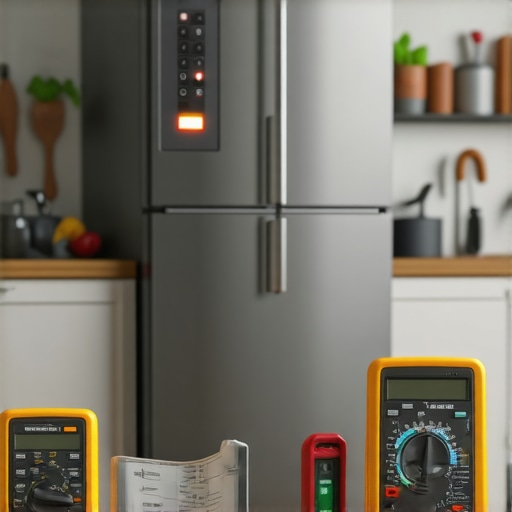
It happened during one of those intense thunderstorms—my power went out for a split second, then flickered back on like a tired light bulb. Only to find my fridge making weird noises and the lights dimming oddly. It was a gut punch, realizing that my trusted kitchen cornerstone might have taken a hit. That moment—right there—I knew I had to act fast, or risk losing not just groceries but also risking costly repairs.
Don’t Let a Power Surge Rob Your Fridge’s Lifespan
Power surges are sneaky foes. They can cause immediate damage or silently weaken your appliances over time. When a surge hits, it’s like giving your fridge a mini electrical shock—damaging its compressor, control board, or motor. The bad news? Without prompt action, you could be facing hefty replacement costs or even a full appliance failure.
As someone who’s been there, I learned the hard way that overlooking this problem can be more damaging than the surge itself. Early on, I made the mistake of jumping straight into hard resets without diagnosing the real issue. This delayed repairs and made the situation worse. Trust me—knowing what to do immediately after a power surge can save you hundreds and extend your fridge’s lifespan.
So, what are the smart steps to take right now? How do you assess the damage? And more importantly, how can you get back to cold storage without breaking the bank?
This post will walk you through my tried-and-true advice—based on experience and a bit of research—so you won’t have to face this challenge alone. We’ll cover simple checks, when to call in a professional, and how to ensure your appliance is protected going forward.
Are you tired of worrying about power spikes ruining your appliances? Hang tight—by the end of this, you’ll have a clear plan to protect your fridge and save your groceries! And if you’ve already faced the agony of a surge-damaged fridge, ask yourself: Did you know that quickly disconnecting and resetting your unit can sometimes work wonders? For more detailed guidance, check out [this expert advice on appliance repair](https://discountappliancehub.com/same-day-appliance-repair-quick-solutions-with-warranty-support).,
Check the Power Supply and Reset the Unit
My first step during the last surge incident was to unplug the refrigerator for five minutes. This simple reset can clear minor control board glitches. After plugging it back in, I heard the compressor trying to start, indicating some power was reaching the unit. If your fridge isn’t responding or making noises, verify the outlet with another device or use a multimeter to ensure power delivery. If the outlet’s fine but the fridge still doesn’t start, inspect the circuit breaker or GFCI outlet for tripped switches—reset if needed. For detailed instructions on resetting appliances, see this guide.
Inspect the Control Boards and Electrical Components
Power surges often damage control boards or electronic modules. Carefully open your fridge’s access panel (refer to expert repair tips) to locate the main control board. Look for visible signs like scorched areas, bulging capacitors, or corroded connectors. Use a multimeter to check continuity on power lines entering the boards. A blown fuse within the unit could also be the culprit—replace it if necessary. Remember, if you’re uncomfortable with electrical work, contacting a professional via our contact page can prevent further damage.
Test the Compressor and Motor Function
If the control system appears intact, listen for the compressor’s hum or attempt to manually spin the fan and compressor rotors gently with a screwdriver—if they turn freely, it’s a good sign. Power surges can cause the compressor’s start relay or motor to fail. Use a multimeter to test for continuity on the compressor terminals—no continuity indicates a potential fault. In my experience, a burned-out compressor often requires replacement, which is best handled by a qualified technician. For guidance on diagnosing compressor issues before calling a pro, visit this article.
Assess the Refrigerant System and Seals
Although refrigerant leaks are less common immediately after a surge, they can develop if components are damaged. Look for oily spots around fittings and hoses—these may indicate leaks. Keep in mind, handling refrigerant requires specialized skills and equipment. If you suspect a leak, avoid trying to fix it yourself; instead, contact a certified technician through same-day repair services. Addressing refrigerant problems promptly prevents long-term damage and keeps your fridge working efficiently.
Evaluate the Door Seals and Drainage System
Power surges can cause subtle issues like warped door seals or clogged drainage pathways, leading to moisture buildup and temperature instability. Check the door gaskets for cracks or gaps—replace if necessary. Clear the defrost drain and ensure the water flows freely; blockages can affect internal humidity and cooling. Regular maintenance of these components extends your appliance’s life and improves performance. For detailed cleaning methods, see this cleaning guide.
Decide When to Call a Professional
After performing these checks, if the refrigerator still isn’t functioning properly, it’s time to bring in a professional. Skilled technicians can run advanced diagnostics and replace damaged parts safely. Remember, many appliance repair companies offer same-day service with warranty coverage, helping you minimize downtime and expenses. Investing in expert repair ensures your fridge is thoroughly inspected and repaired correctly, preventing future issues.
While many homeowners assume that a manufacturer’s warranty and quick service plans are foolproof safety nets, the reality is far more nuanced. Common myths often lead consumers to underestimate the importance of understanding the fine print and the complexities behind professional repair and installation processes. Let’s dig deeper into what most people overlook, so you can avoid costly mistakes.
**Myth: All warranties are equal and cover everything**. Many believe that if an appliance is under warranty, any repair or replacement is automatically covered. However, warranties often have exclusions, such as damages caused by power surges or improper installation. This is especially crucial when dealing with surge-related damage, where many mistakenly think their warranty will cover the repairs—when in fact, many plans exclude external causes. To truly safeguard your investment, check the warranty details thoroughly and consider supplementary coverage like [warranty-backed appliance services](https://discountappliancehub.com/warranty-backed-appliance-services-you-can-rely-on).
**The ‘Oops’ Trap: Rushing into repairs without verifying the root cause**. A common mistake is calling a technician at the first sign of trouble without performing preliminary checks. For instance, fiddling with the appliance’s control boards or ignoring simple resets can lead to unnecessary service fees or parts replacement. An advanced mistake is assuming that a broken part is always the culprit—sometimes, the issue stems from external factors like power issues or improper installation.
**Installation: The often-ignored step that can make or break warranty claims**. Proper installation is critical—not only for performance but also for warranty validity. Improper setup can invalidate your coverage if a malfunction is linked to installation errors. This is why professional installation from trusted providers, such as [fast and trustworthy installation near you](https://discountappliancehub.com/fast-trustworthy-appliance-installation-near-you), is a smart investment. Skipping this step might save a few dollars upfront but can cost you much more in the long run.
Are DIY Repairs Riskier Than We Think?
Many homeowners believe that simple repairs or resets are safe do-it-yourself projects. While minor fixes can sometimes be handled at home, advanced diagnostics—like testing compressor motors or control boards—should be left to professionals. This is especially true when dealing with sensitive components that could cause further damage if mishandled. Attempting such repairs without proper knowledge not only voids warranties but can also pose safety risks.
**Be cautious of the fine print in repair plans**. Companies offering same-day service often emphasize swift response times, but these services may come with limitations. For example, some plans require scheduling within a tight window or specify certain approved repair technicians. Failing to adhere to these terms might invalidate your coverage. To maximize your benefits, refer to detailed guidance like top tips for same-day service with warranty coverage.
In conclusion, understanding the subtleties behind warranties, installation requirements, and repair processes can save you time, money, and frustration. Don’t fall for oversimplified assumptions—do your homework, verify the fine print, and partner with trusted professionals. If you’ve ever fallen into these traps, share your experience in the comments. Have you ever faced an unexpected warranty surprise? Let me know—your story might help someone else avoid the same mistake.Maintaining your appliances effectively requires more than just occasional inspections; it involves using the right tools and adopting systematic methods. Over the years, I’ve found that investing in quality diagnostic equipment not only speeds up repairs but also ensures long-term reliability. One tool I swear by is a digital multimeter—it’s essential for testing electrical components like control boards, motors, and relays. Personally, I prefer a multimeter with auto-ranging features because it simplifies testing and reduces errors, especially in complex circuit scenarios. Another underrated tool is a smartphone with specialized inspection apps, which allows me to document issues visually and maintain detailed records for warranty claims or future reference. Using apps like RepairPal helps in diagnosing common problems based on symptoms and can guide you through basic troubleshooting steps.
When it comes to software, I rely on diagnostic programs specific to appliance brands—these tools connect via USB or Wi-Fi and provide detailed error codes and system statuses. Many manufacturers now offer remote diagnostic capabilities, streamlining the repair process and enabling quicker same-day service. Incorporating these tools into your routine can significantly extend your appliance’s lifespan by catching small issues before they escalate.
Looking ahead, I predict that smart diagnostics will become more integrated into household appliances. With IoT technology advancing rapidly, future models will likely communicate their health status directly to manufacturers or technicians, enabling preemptive maintenance. This evolution will reduce downtime and repair costs for consumers and professionals alike.
How do I keep my appliance maintenance routine effective over time?
Consistency is key. Regularly scheduled inspections using diagnostic tools—like digital multimeters and brand-specific apps—can help identify potential problems early. Maintaining firmware updates for smart appliances ensures they operate with the latest efficiencies and security features. Additionally, partnering with trusted local technicians who utilize advanced diagnostic equipment, such as those found through trustworthy installation and repair services, guarantees your appliances are in capable hands.
For example, keeping your refrigerator’s control board clean and free of dust can prevent overheating and failure, especially during hotter months. Using a detailed diagnostic checklist before calling a professional ensures that you communicate specific issues, saving time and expenses. Remember, adopting a systematic approach with the right tools not only maintains appliance performance but also safeguards your warranty benefits, especially when combined with proper installation and timely servicing. Try using a multimeter to test your appliance connections—it’s a simple yet powerful step towards proactive maintenance. For more advanced tips, review how to maximize your warranty during repairs.
What I Wish I Knew About Power Surges and Your Appliance Investments
One of the most impactful lessons I learned was that even minor power fluctuations can silently sabotage your appliances, especially your trusty fridge. Waiting for obvious signs before acting might feel safe, but it often leads to costly repairs or replacements. Recognizing the signs early, like dimming lights or strange noises, can save you hundreds and extend your appliance’s life.
Another insight is that not all repairs are purely mechanical—electrical components like control boards and relays are vulnerable to surges. Regularly inspecting and understanding the internal health of these parts, perhaps through specialized diagnostics, equips you better for quick action.
Finally, I realized the importance of being proactive rather than reactive. Installing surge protectors and scheduling routine maintenance can act as shields against unpredictable power events, shielding your investments from preventable damage.