
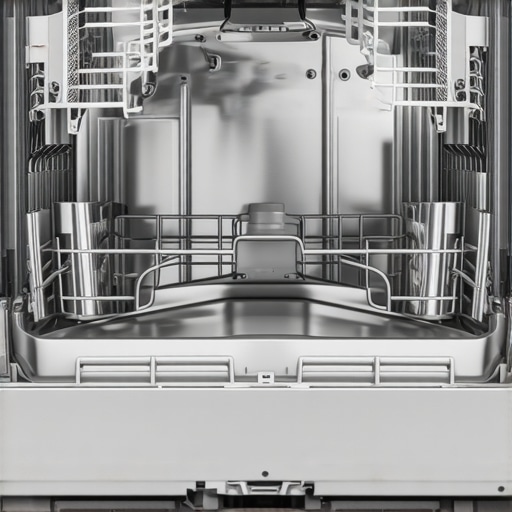
Ever had that moment where you’re cleaning your kitchen and notice a weird, lingering smell coming from the dishwasher? Or maybe your dishes just aren’t coming out as spotless as they used to? I’ve been there—believe me, it can be pretty frustrating. One lightbulb moment I had was realizing I was using vinegar as a magic solution to descale my dishwasher. Spoiler: It wasn’t the miracle fix I thought it was. If you’re like me, you want to keep your appliances running smoothly without risking damage or wasting money on ineffective methods.
Why Vinegar Might Not Be the Best Descaling Solution for Your Dishwasher
When I first started noticing mineral buildup and soap scum, I reached for the bottle of white vinegar. It seemed logical, right? Vinegar is an acid that can dissolve mineral deposits, and it’s affordable and natural. However, what I didn’t realize back then was that using vinegar regularly can actually cause more harm than good. It can wear down rubber seals and gaskets, leading to leaks or even more costly repairs down the line.
Recent studies have shown that frequent exposure to acidic substances like vinegar can degrade appliance components—no one wants that. Instead, there are safer, more effective methods to keep your dishwasher clean and descaling without risking damage.
Is Vinegar Really Worth the Hype?
I made the mistake early on of thinking vinegar was a foolproof, eco-friendly fix. That misconception almost cost me a new seal in my dishwasher. If you’re curious whether vinegar is a good descaling agent or just a quick fix, you’re not alone. In this post, I’ll walk you through the realities, share my personal experiences, and recommend the best practices to keep your machine in tip-top shape—without unnecessary risks.
So, if you’re tired of guessing whether those vinegar bottles are helping or hurting your appliances, stay with me. We’ll explore proven techniques that save money, protect your warranty, and ensure your dishwasher stays spotless for years to come. Want to make sure you’re not wasting time and potentially damaging your appliance? Let’s dive into what really works—and what doesn’t.
Clean the Filter First
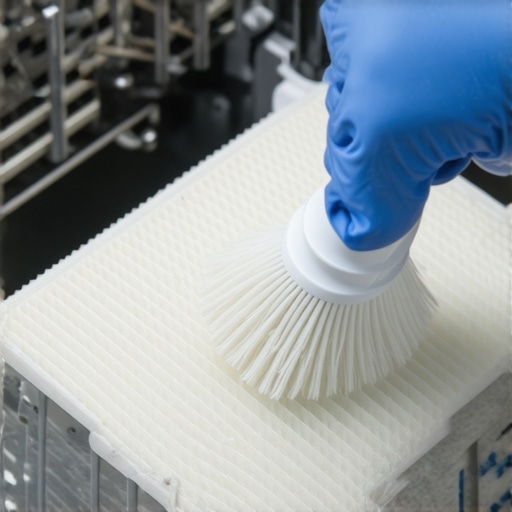
Start by locating and removing the dishwasher filter, usually at the bottom of the unit. Rinse it under warm water and scrub away any debris or mineral buildup with a soft brush. This prevents clogs and ensures the descaling process works effectively. I once skipped this step, and residual debris caused a blockage that delayed my maintenance; now, I always do this first for smooth operation.
Choose a Commercial Descaling Agent
Select a dishwasher-specific descaler or a standing purchase of products recommended by appliance experts. Pour the recommended amount into the detergent compartment or directly into the tub, depending on the product instructions. Unlike vinegar, these agents are formulated to handle mineral deposits safely without risking rubber seals or gaskets. Using a professional descaler helped me restore my machine’s cleaning power without damaging parts.
Run a Hot Cycle for Deep Cleaning
Set the dishwasher to run on the hottest cycle available. A longer, hot wash dissolves mineral deposits and removes soap scum. During my first attempt, I was tempted to use a quick cycle, but I learned that a thorough, hot run is most effective—especially if you’ve ignored buildup for a while. Make sure no dishes are inside to avoid water spots or damage.
Follow Up With a Rinse Cycle
After the descaling cycle, run an empty rinse cycle to wash away loosened deposits and residual chemicals. This step ensures no cleaning agent remains, preventing streaks or future buildup. I once skipped this and noticed film on my glassware, a clear sign of incomplete rinsing. Doing this extra step kept my dishes sparkling and my machine running smoothly.
Maintain Regular Cleaning to Prevent Buildup
Schedule monthly cleanings using either commercial descale solutions or the occasional use of specialized cleaning tablets. Also, regularly clean the filter and check spray arms for clogs. Consistency prevents mineral buildup and prolongs your dishwasher’s lifespan. I’ve set reminders to perform these tasks, which saves me from costly repairs or quick fixes like vinegar attempts that can cause damage in the long run. For more guidance on appliance maintenance, visit Expert Appliance Repair Tips.
In the world of appliance repair and installation, many people operate under misconceptions that can cost them time, money, and frustration. As an expert in this field, I’ve seen common myths persist despite overwhelming evidence to the contrary. Let’s explore some of these nuanced errors and uncover what truly matters when it comes to maintaining your appliances, securing warranties, and choosing same-day services.
Believing All Warranties Are Created Equal
One of the biggest misconceptions is that every warranty covers the same issues equally. Many assume that a manufacturer’s warranty automatically protects against all repairs; however, in reality, coverage varies widely. For instance, some plans exclude parts like filters or specific components, and others may not cover labor costs. My experience suggests that understanding the fine print is crucial—so always read your warranty details thoroughly. For advice on maximizing your warranty benefits during emergency repairs, check out this guide.
The Common Mistake of Ignoring Installation Quality
Proper installation isn’t just a box to check; it directly influences appliance longevity. Many believe that a DIY or rushed installation doesn’t significantly impact performance, but improperly installed units can lead to frequent breakdowns, inefficient operation, or voided warranties. Experts emphasize that certified professionals follow precise procedures—like ensuring correct leveling, ventilation, and electrical connections—that prevent future problems. Skipping these steps often results in ‘Oops’ moments, such as water leaks or electrical issues, which can be costly to fix later. To ensure reliable installation, review our trusted techniques that safeguard your investment.
Why Same-Day Service Can Be a Double-Edged Sword
While same-day repair services promise swift solutions, there’s a hidden trap. Many customers expect emergency repairs to be flawless, only to find that rushed jobs sometimes lead to incomplete fixes or missed diagnostics. The challenge is balancing urgency with quality—sometimes, a slightly longer wait ensures thorough inspection and proper part replacement. Advanced technicians use detailed checklists and diagnostic tools, which aren’t always feasible under tight timeframes. If you’re considering same-day services, it’s worth examining what to expect. Remember, a quick fix isn’t necessarily a lasting solution.
How Slipshod Repairs Impact Long-Term Performance
One of the most overlooked aspects is the importance of qualified repairs. A common myth is that any repair is better than none, but improper fixes can cause recurring problems, damage delicate parts, or void warranty coverage. For example, using third-party replacement parts might save money upfront but could compromise appliance safety or performance. The industry standards recommend using Original Equipment Manufacturer (OEM) parts and certified technicians—advice backed by studies from the Appliance Repair Association. To avoid these pitfalls, always verify your repair service’s credentials and parts quality. Learn more about trustworthy repair practices here.
In the end, the key to effective appliance care extends beyond superficial fixes or assumptions. It requires a nuanced understanding of warranties, professional standards, and when to opt for trusted, comprehensive services. Have you ever fallen into this trap? Let me know in the comments.
Keeping your appliances running smoothly over the long haul requires more than just basic care; it involves investing in the right tools and adopting precise maintenance routines. Over the years, I’ve found that a few specialized devices, combined with methodical practices, significantly extend the lifespan of household appliances and ensure consistent performance. In this section, I’ll share some of my most trusted tools and techniques that have proven effective in my own repair and maintenance endeavors.
What Makes a Good Multimeter for Appliance Diagnostics?
When diagnosing electrical issues, a high-quality digital multimeter is indispensable. I personally recommend the Fluke 115 True RMS Multimeter because it offers accurate readings, durability, and user-friendly features. Its True RMS capability is crucial for measuring complex AC voltages and currents found in modern appliances. Using this multimeter, I routinely verify voltage supply consistency, test motor windings, or ensure proper grounding—steps that prevent unnecessary part replacements and help maintain your warranty coverage. Investing in a reliable multimeter translates into fewer service calls and more confident troubleshooting.
How Does a Quality Socket Set Help with Appliance Repairs?
For component-level repairs, having a comprehensive socket and wrench set tailored for appliances makes all the difference. I use the GearWrench 80550 set because it includes various sizes and ratchets that fit tight spaces in dishwasher motors or refrigerator coils. Properly tightening connections and replacing screws securely can prevent leaks and noise issues. A good socket set doesn’t just save time; it also reduces the risk of damaging delicate parts during disassembly. When combined with a torque wrench, this toolkit guarantees that fasteners are precisely tightened to OEM specifications, which is essential for long-term reliability.
Can Software and Apps Improve Maintenance Scheduling?
Modern appliances often come with smart diagnostics or Wi-Fi modules—know-how that can be enhanced with dedicated apps. I rely on appliance management software like the Whirlpool App, which provides maintenance reminders, diagnostic tips, and warranty information. Setting up alerts through these tools ensures you don’t forget routine tasks such as cleaning filters, inspecting hoses, or running descaling cycles. This proactive approach minimizes breakdowns and preserves your warranty—a smart way to keep appliances functioning optimally over years. As technology evolves, I foresee a future where AI-driven maintenance prompts will further personalize appliance care, reducing repair costs and downtime.
What Are Maintenance Routines That Yield Long-Term Benefits?
Beyond tools, consistent routines are vital. I recommend scheduling quarterly inspections—checking hoses for cracks, listening for unusual noises, and testing emergency functions. Regularly replacing filters, inspecting seals, and updating firmware (for smart models) prevent small issues from becoming costly repairs. Remember, a little upkeep now can save a lot of money and inconvenience later. For example, ensuring your dishwasher’s spray arms are free of mineral deposits improves cleaning efficiency and extends component life—details that are often overlooked but make a big difference.
Looking ahead, the integration of IoT devices and predictive maintenance algorithms will revolutionize appliance care. These advancements will enable appliances to self-diagnose and alert homeowners before failures occur, much like the way your car warns you about tire pressure. Embracing cutting-edge tools and routines today positions you ahead of the curve, ensuring your appliances remain reliable and within warranty for years to come. Want to boost your repair confidence? Try calibrating your multimeter with a known voltage source or test socket connections regularly—small steps that empower you to handle issues proactively. For further insights on professional repairs and parts, explore our expert guide.
Lessons That Changed My Approach to Appliance Maintenance
- One of the toughest lessons I learned was that quick fixes like vinegar might seem convenient but can undermine your appliance’s longevity. Real maintenance requires patience and proper techniques, which I discovered after costly repairs due to overlooked details.
- I used to believe that warranties covered everything, but diving into the fine print revealed gaps that can leave you vulnerable. Taking the time to understand your warranty can save you from unexpected expenses during emergencies.
- Skipping professional installation might save money upfront, but the long-term risks often outweigh those savings. I now insist on certified experts to ensure my appliances operate at peak efficiency and warranty validity.
- Same-day services are tempting, but rushing repairs can lead to missed issues. I’ve learned that a bit of patience and choosing reputable technicians ensures lasting fixes rather than temporary band-aids.
- Investing in quality diagnostic tools and routines has profoundly improved my troubleshooting skills. Simple steps like using a good multimeter or checking spray arms regularly make a big difference in maintaining performance.
Tools and Resources That Elevate My Repair Game
- Fluke 115 True RMS Multimeter — Trusted for its accuracy and durability, it’s my go-to for electrical diagnostics, helping me prevent unnecessary part replacements.
- GearWrench Socket Set — Versatile and reliable, this toolkit makes disassembly straightforward and safe, protecting delicate appliance components.
- Appliance Management Apps like Whirlpool’s — These apps send maintenance reminders and diagnostics, empowering me to stay proactive about my appliance care.
- Expert guides from this resource — They’ve demystified complex repair tasks and helped me build confidence in handling issues myself.
Your Next Step: Embrace Smart Appliance Care
Taking control of your appliance maintenance journey can be empowering and financially rewarding. With the right knowledge, tools, and mindset, you’ll extend the life of your dishwasher and other household devices, saving money and frustration in the long run. Remember, every expert was once a beginner—so don’t hesitate to start small and build your confidence each day.
What’s one appliance maintenance tip that transformed your approach? Share your story below—I’d love to hear about your experiences and insights.
,