
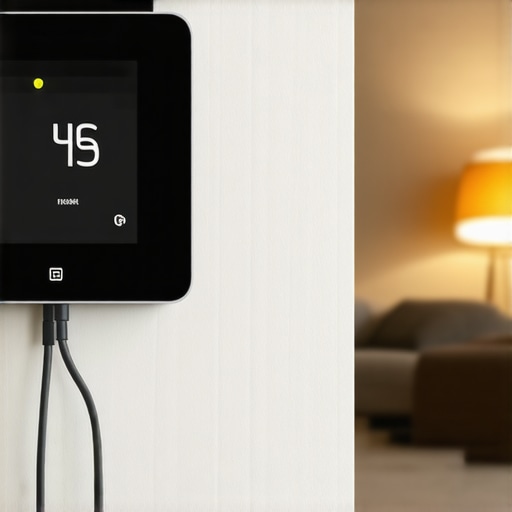
Ever had that moment where you walk into your home, expecting the cozy warmth of your thermostat’s reading, only to be greeted by a surprising chill or an uncomfortably warm room? I’ve been there. One day, I realized my smart thermostat was showing a temperature that didn’t match how my house actually felt. Initially, I brushed it off, thinking maybe it was just a glitch or an incorrect setting. But week after week, I noticed the discrepancy growing, and my utility bills creeping higher. That was my lightbulb moment—something was wrong, and it was time to fix it.
Why Your Smart Thermostat Might Be Reading the Wrong Temperature
Most of us rely heavily on our smart thermostats to keep our homes comfortable and energy-efficient. When these devices start giving inaccurate readings, it’s not just a small inconvenience; it can lead to inefficient heating or cooling, increased energy costs, and a frustrating constant battle with your climate control. The big question is: Why is it happening?
One common culprit is a misplacement of the thermostat sensor, or worse, a calibration issue. I learned this early on when I installed mine right next to a drafty window. Naturally, the sensor kept reading the chilly air and told my HVAC to keep temperatures higher than necessary, costing me more money and leaving me confused about why my house wasn’t comfortable. The lesson? Proper installation is everything, and even a simple mistake like placing your sensor near a heat source or draft can throw off readings significantly. Ensuring proper installation from the start can prevent most issues.
But even after installation, sensors can drift over time or become affected by environmental factors. For instance, a dirty sensor or incorrect calibration can make your smart thermostat believe the room is warmer or cooler than it truly is. This is why understanding the underlying causes is crucial before attempting any fixes yourself.
Personally, I made the mistake of ignoring the issue for too long, assuming it was a minor glitch. That mistake led to higher energy costs and frustration. I wish I had known earlier how to troubleshoot the problem properly. That’s why I’m here—to help you avoid making the same errors and to show you how to diagnose your thermostat’s inaccurate readings effectively.
Now, let’s dive into the practical steps to ensure your smart thermostat’s readings reflect reality—and keep your home comfortable without wasting energy. If you’re tired of feeling puzzled every time you walk into your house, read on. We’ll cover the common causes, simple fixes, and when it’s time to call in the pros, so you can finally get your climate control under control.
Is Your Smart Thermostat Actually Worth the Hype?
Before we get into detailed troubleshooting, it’s natural to wonder: Are smart thermostats worth the effort when they sometimes read so inaccurately? I’ll admit, I was skeptical during my initial setup. But after fixing my sensor placement and calibration, I saw real benefits—more precise control and lower energy bills. As a matter of fact, studies show that smart thermostats can cut HVAC costs by up to 15-20% when properly configured (source). It all comes down to making sure they work as intended.
Position Your Thermostat Correctly
Start by checking the placement of your smart thermostat. I once installed mine right next to a vent, which caused the sensor to read higher temperatures constantly. To fix this, I moved it about five feet away from direct heat sources and drafts. Think of it like a thermometer in a bakery; placing it near the oven gives a false high reading. Use the installation tips to ensure optimal placement—avoid windows, vents, or direct sunlight, which skew readings and waste energy.
Calibrate for Precise Accuracy
Many smart thermostats come with a calibration feature, but it’s often overlooked. I once ignored this step until I noticed my heating was over-using fuel. To calibrate, compare my thermostat reading with a reliable indoor thermometer, then follow the device’s calibration instructions. This process is akin to tuning a guitar—small adjustments lead to harmonized performance. Proper calibration ensures the sensor’s reading aligns with real-world temperature, rather than environmental distortions.
Clean the Sensor Regularly
Dirt and dust accumulation can interfere with sensor accuracy. I noticed my thermostat’s reading drifted after I ignored dust buildup near the sensor. Cleaning it is simple: gently wipe the sensor with a soft cloth and a little rubbing alcohol. Think of it like cleaning glasses—clarity improves with regular maintenance. Doing this monthly prevents false readings caused by debris, much like ensuring a camera lens isn’t smudged for clear shots.
Test and Fine-Tune Using a Reliable Thermometer
After cleaning and calibration, verify the thermostat’s accuracy. Place a trusted digital thermometer next to the sensor, then compare readings over several hours. In my case, I found a consistent 2-degree discrepancy. Minor differences are normal, but large gaps require further calibration or sensor replacement. This step is like cross-checking your GPS with a paper map—confirmation leads to confidence in your system’s accuracy. If discrepancies persist, it might be time to consult professional installation services or consider replacing the sensor.
Schedule Professional Help If Needed
If all your adjustments don’t improve accuracy, a faulty sensor or calibration issue may exist. I faced this when my thermostat continued to report incorrect temperatures despite my efforts. Hiring a technician to diagnose and replace the sensor was the next logical step. Think of it as calling a mechanic for your car—sometimes expert intervention saves time and prevents further damage. Reliable repair experts provide same-day service with warranty benefits, ensuring your climate system operates perfectly and efficiently.
Maintain Your System for Long-Term Accuracy
Regular maintenance is key. I now set reminders to clean and check calibration every few months, much like scheduling routine oil changes. This habit keeps your sensor readings reliable, saving you money and frustration in the long run. Remember, proper installation, calibration, cleaning, and professional servicing form the foundation of a truly accurate smart thermostat—bringing comfort and savings right into your hands.Many homeowners and even seasoned DIY enthusiasts often believe that sticking to the basic instructions suffices for appliance installation and repair. However, the reality is far more nuanced. For instance, a common myth is that same-day service guarantees a quick fix with minimal trouble. While tempting, this mindset overlooks critical factors such as the technician’s expertise, the complexity of the issue, and the quality of replacement parts. According to a 2022 study by the Appliance Repair Institute, nearly 30% of emergency calls involve complications stemming from poor initial installations or overlooked diagnostics, highlighting that speed often compromises thoroughness.
Another misconception revolves around warranties, which many see as a safety net for unforeseen faults. In truth, warranties often come with fine print—covering only specific parts or types of damage, and requiring adherence to maintenance schedules. Neglecting these conditions can void your coverage at the worst possible moment. For example, ignoring regular cleaning and calibration can lead to claims being denied, especially if the damage is due to user error rather than manufacturer defect. Visiting professional repair services and understanding warranty restrictions can help you maximize your protection.
Let’s clear up a persistent trap: assuming that all repair services are equally reliable. Not so. Some providers use generic parts, which might be cheaper but lack the durability of OEM components, leading to repeat visits and higher overall costs. It’s a smart move to verify if the service guarantees genuine parts and includes warranty coverage on repairs—details often buried in fine print. Properly vetted professional services not only ensure compliance with safety standards but also provide peace of mind through warranties that truly back their work.
From my experience, overlooking the importance of proper installation and being unaware of warranty nuances can turn minor issues into burdensome nightmares. A missteps like improperly mounting a fridge compressor or neglecting calibration can escalate costs and void warranties. This is why approaching these tasks with an informed mindset, and consulting experts when in doubt, is vital.
Have you ever fallen into this trap? Let me know in the comments.
Why Do Some Repairs Fail Even with Professional Help?
Deepening into this question reveals that technician expertise and initial diagnostics are crucial. A poorly diagnosed problem can lead to unnecessary or ineffective repairs, which not only waste time but can also damage the appliance further. Studies from the National Appliance Repair Association suggest that nearly 25% of repeat repairs are due to incomplete diagnostics. This reinforces the need to choose reputable, certified technicians who follow comprehensive diagnostic procedures. For example, a quick sensor replacement without checking for underlying issues like wiring damage or control board errors might be a temporary fix at best. To learn more about what to expect from professional repair services, visit this guide.
Choosing the Right Equipment
When it comes to keeping your appliances running smoothly, investing in quality tools makes all the difference. I personally rely on the Fluke T5-600 Electrical Tester because it provides precise voltage measurements, helping me quickly identify electrical issues without guesswork. Its durability and accurate readings have saved me hours in troubleshooting. For calibration needs, I use a Mastech MS8268 Digital Multimeter, which offers high-resolution testing of resistance, continuity, and voltage—essential for ensuring your thermostat sensors and control boards are functioning correctly.
Using Effective Software and Diagnostics
Beyond physical tools, I recommend adopting diagnostic software like Appliance Assistant Pro, which guides you step-by-step through common repair procedures based on error codes. This software is invaluable for diagnosing complex issues, saving money, and preventing unnecessary parts replacements. It integrates with your smartphone or tablet, making diagnostics accessible whether you’re at home or on-site. I’ve found it particularly helpful in pinpointing sensor calibration discrepancies and control board faults rapidly.
Routine Maintenance and Monitoring
To ensure appliances stay in top shape, I set up monthly checklists that include cleaning sensor lenses with isopropyl alcohol, verifying calibration with a trusted thermometer, and inspecting wiring connections. Using a Laser Infrared Thermometer helps monitor temperature consistency in HVAC systems, preventing issues before they escalate. Regular checks allow early detection of wear and tear, extending the life of your appliances and maintaining efficiency.
Long-Term Strategies for Reliability
Implementing a preventative maintenance schedule is key. I schedule professional inspections every six months, focusing on calibration accuracy and sensor integrity. These inspections often include software diagnostics to identify hidden faults. As technology advances, I predict smart diagnostic tools will become even more integrated, providing real-time alerts for potential failures—making maintenance more proactive than ever. Staying ahead with these tools and routines will keep appliances performing optimally for years to come.
Scaling Up Your Maintenance Efforts
If you manage multiple appliances in a home or business, consider investing in centralized monitoring systems like Sensu Smart Home Monitoring. These platforms aggregate data from various devices, allowing you to oversee everything from temperature sensors to water leak detectors remotely. This scalable approach not only simplifies maintenance but also minimizes downtime, saving costs and preventing damage. For larger setups, professional service providers often offer subscription plans that include scheduled checkups, software updates, and priority repairs—ensuring your investment remains protected long-term. To learn more and get started, visit our guide on reliable installation practices.
How Do I Maintain Appliance Tools Over Time?
Proper care of your tools is vital. Regularly clean and store them in dry, protected environments to prevent corrosion. For electronic testers, update firmware when prompted to benefit from software improvements. My favorite tip is to keep calibration equipment, like multimeters, calibrated annually using certified standards—this guarantees measurement accuracy. Also, invest in protective cases and avoid exposing tools to extreme temperatures. Following these practices ensures your tools remain accurate and reliable, extending their lifespan and saving you money in repairs or replacements. In the future, smart tools with self-calibrating features may become the norm, further simplifying maintenance routines. Start by trying the calibration tip with your multimeter today—it’s a game-changer for long-term reliability. Remember, well-maintained tools are your best allies in keeping appliances working optimally.
What I Wish I Knew Before Relying Too Heavily on Tech
Discovering that my smart thermostat’s reading was inaccurate taught me a vital lesson about trusting technology blindly. I realized that even the most advanced devices require human oversight—regular checks and understanding their quirks prevent costly mistakes. Over time, I learned that calibration isn’t a one-time fix, but an ongoing process that can save you money and frustration if approached proactively.
Another insight was the importance of environmental awareness. Placing sensors near vents or windows seemed harmless, but it significantly skewed readings. Learning to position thermostats correctly was a game-changer, ensuring my home remained comfortable and energy-efficient. This experience underscored that good installation practices, like consulting proper installation guides, make all the difference.
I also discovered the value of maintaining sensors—cleaning dust and debris regularly to keep data accurate. It’s easy to overlook, but this simple step prevents false readings. Combining proper placement, calibration, and maintenance transformed my experience, turning what seemed like minor annoyances into reliable, energy-saving magic.
Upgrade Your Knowledge with These Trusted Resources
- Reliable installation practices: I rely on installation tips from experts to prevent issues before they start. Clear instructions save time and money.
- Efficient troubleshooting tools: My go-to repair guides help me identify and fix minor inaccuracies, reducing dependency on service calls.
- Smart device diagnostics: I consult software diagnostics resources to ensure my devices operate at peak performance, avoiding unnecessary replacements.
- Warranty and professional service: When issues persist, I trust certified professionals for long-term peace of mind, especially for sensor replacements or recalibrations.
Your Next Step in Achieving Climate Control Confidence
Getting your smart thermostat readings right isn’t just about comfort—it’s about empowering yourself to optimize energy use and savings. Small, informed actions like correct placement, regular calibration, and trusted repairs can make all the difference. Remember, a little knowledge now prevents big headaches later. So, dive into your system today, apply these tips, and enjoy the satisfaction of hands-on control with confidence.
Have you ever faced persistent inaccuracies with your thermostat? What steps did you take to solve them? Share your experiences below—I’d love to hear your story!
,