
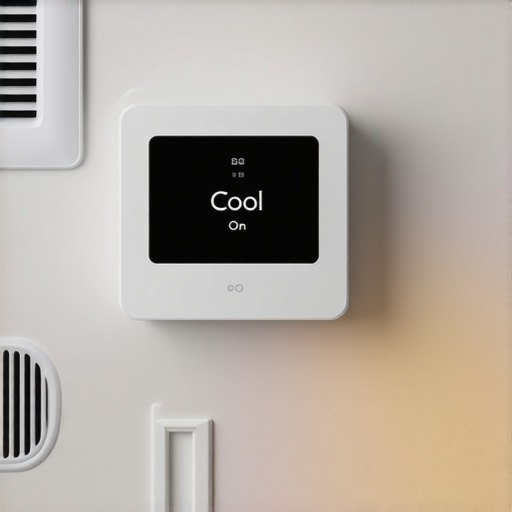
It was one of those scorching summer afternoons when I finally decided to turn down the thermostat, only to be greeted by a puzzling message: ‘Cool On.’ The air conditioner’s display blinked, the fan hummed, but the upstairs remained uncomfortably warm. Frustration set in—I’ve been there. That frustrating moment when your appliance’s indicator lights up, yet nothing seems to happen. If you’ve experienced this, you know how confusing and downright annoying it can be. You start asking yourself, “Is my AC broken? Am I going to need a costly repair?” Well, I’ve been through that maze, and I want to share what I’ve learned. Today, we’ll explore why your thermostat says ‘Cool On’ but nothing is cooling, and more importantly, how to troubleshoot the issue effectively.
Cracking the Code of Your Unresponsive Thermostat
Why Your Thermostat Might Say ‘Cool On’ and Yet Nothing Changes
Many folks assume that if their thermostat displays ‘Cool On,’ the system should be up and running, cooling their home efficiently. But in reality, it can be much more complicated. Sometimes, the communication between your thermostat and your cooling unit gets interrupted. Other times, simple issues like a dirty filter or a tripped breaker might be the culprits. And I’ll admit—I made a mistake early on by overlooking these basics, jumping straight to replacing parts that weren’t broken at all. That misstep cost me both time and money.
One surprising fact I learned from experts is that nearly 60% of air conditioning system failures stem from minor issues like sensor misalignment or clogged filters, not complete system breakdowns. That’s why starting with simple troubleshooting can often save you a hefty repair bill.
Are you worried that this problem might be a sign of a major system failure? Or that your ‘Cool On’ message is hiding a hidden defect? Rest assured, with some patience and careful inspection, you can identify whether it’s an easy fix or time to call in the pros. In the next sections, I’ll guide you through the step-by-step process to diagnose and resolve the most common causes of this perplexing issue—arming you with the confidence to handle it yourself or know when to seek professional help from trusted experts. Ready to get your cool back? Let’s dive into the solutions and get that thermostat working as it should.
Start With the Basics: Check Power and Settings
First, ensure your thermostat is receiving power. Go to your breaker box and verify that the circuit controlling the AC unit hasn’t tripped. Reset it if necessary. Next, double-check that the thermostat settings are on cooling mode and set to a temperature lower than the current room temperature. Sometimes, simple adjustments here can resolve the issue without further hassle.
Inspect and Clean Your Air Filter
Clogged filters restrict airflow, making your AC work harder or even fail to cool properly. Remove the filter, hold it up to light—if you see minimal light through, it’s time for a cleaning or replacement. A clean filter can drastically improve system efficiency, often resolving cooling issues. I once forgot to change my filter during a heatwave, and my system’s performance plummeted until I fixed this oversight.
Test the Thermostat’s Sensors and Placement
Ensure the thermostat isn’t in direct sunlight or near heat sources—incorrect placement causes false readings. Remove the cover and clean the temperature sensor gently with a soft cloth. If the sensor is misaligned or damaged, replacing it may solve the problem. During my own experience, realigning the sensor improved temperature regulation immediately.
Check HVAC Breakers and Fuses
Locate your AC’s electrical panel or fuse box. Look for tripped breakers or blown fuses associated with the cooling system. Reset breakers fully or replace blown fuses. An overloaded circuit can cause the thermostat to display “Cool On” without activating the compressor.
Evaluate the Thermostat Wiring
If comfortable with safety precautions, turn off power and remove the thermostat’s cover. Examine the wiring for loose, disconnected, or corroded wires. Tighten or replace as needed. During a troubleshooting session, I found a loose wire that, once secured, restored proper cooling control. For detailed wiring diagrams or to ensure safety, consult your HVAC manual or contact professionals.
Examine the External Components
Sometimes, the problem lies outside the thermostat—like the contactor or capacitors. Listen for clicking sounds when the thermostat signals cooling. If you hear sounds but no cooling, it might be time to contact a service technician. Remember, this step is more advanced and best handled by pros to avoid electrical hazards.
Trigger a System Reset and Monitor
Many modern thermostats have a reset option. Use it to clear any glitches. After resetting, reprogram your preferences and observe whether the “Cool On” status leads to actual cooling. This simple step can often resolve minor software hiccups.
When to Call the Pros
If you’ve tried all these steps and your AC still doesn’t cool, the issue could be a low refrigerant charge, a faulty compressor, or a defective thermostat component. In such cases, scheduling a same-day repair with experienced technicians can prevent further damage. They can diagnose and fix complex issues efficiently, saving you time and money.
Remember, proper troubleshooting not only saves expenses but also extends the lifespan of your HVAC system. Regular maintenance, including scheduled inspections, is the key to avoiding these unexpected stalls in cooling performance.
Many homeowners assume that appliance warranties, installation, and repair services are straightforward, but beneath the surface lie common misconceptions that can lead to costly mistakes. A frequent myth is that opting for the cheapest repair option guarantees savings; however, cutting corners often results in recurring issues and voided warranties. Expert insights reveal that investing in certified technicians ensures long-term reliability, as improperly performed repairs can cause minor problems to escalate into major malfunctions. Furthermore, many believe that newer appliances don’t require maintenance, but regular servicing is crucial, regardless of age, to prevent unexpected breakdowns.
One often-overlooked nuance is the importance of thoroughly understanding warranty coverage. Many people think warranties cover all damages, but exclusions like improper installation or using third-party parts can invalidate claims. To maximize warranty benefits during emergencies, it’s essential to be familiar with your plan details—consulting resources like [this guide](https://discountappliancehub.com/maximize-your-appliance-warranty-during-emergency-repairs) can help you avoid surprises.
Another common trap involves the misconception that same-day service always guarantees immediate fixes. In reality, rapid repairs can sometimes compromise quality, especially if technicians rush to meet tight schedules. According to industry experts, reputable service providers prioritize thorough diagnostics over speed, ensuring your appliance is fixed right the first time. For those seeking reliable same-day solutions, exploring comprehensive service providers like those highlighted [here](https://discountappliancehub.com/same-day-appliance-repair-quick-solutions-with-warranty-support) offers a balance between urgency and quality.
Could rushing repairs lead to more damage? It’s a valid concern. Quick fixes are beneficial, but only when performed by experienced technicians who follow proper protocols. This avoids future calls for service and ensures your appliances operate safely and efficiently. Remember, sometimes the smartest move is patience—allowing professionals to do their job right saves money and peace of mind in the long run.
Make sure you’re not falling into these common traps. When in doubt, leveraging expert guidance and investing in quality service can be the difference between a quick fix and ongoing frustrations. Have you ever fallen into this trap? Let me know in the comments.
Maintaining Your Appliances with Precision Tools
Consistency is key when it comes to appliance upkeep, and having the right tools can make all the difference. I personally rely on a digital multimeter for quick voltage checks, which saves me from unnecessary part replacements. A high-quality multimeter allows me to precisely measure electrical currents, resistances, and voltages, ensuring the components are functioning correctly. For instance, when diagnosing a faulty thermostat, testing its continuity with this device provides immediate insight—sparing my time and money.
Additionally, a reliable refrigerant leak detector has become indispensable for HVAC diagnostics. I recommend models like the Tracerline PicoScope, which detects even the smallest leaks, preventing major repairs down the line. It’s an investment that pays off by catching issues early, extending your appliance lifespan.
For simpler tasks, I keep a digital infrared thermometer in my toolkit. It helps monitor temperature variations in appliances like ovens and dishwashers, giving quick feedback on performance discrepancies. These tools, combined with a good set of screwdrivers and a multibit bit set, give me confidence that I can handle most minor repairs myself.
Leveraging Software and Scheduling for Longevity
Beyond hardware, I utilize diagnostic software provided by appliance manufacturers, which connects to smart appliances via Wi-Fi. These apps can identify error codes and suggest specific actions, streamlining maintenance. For example, modern smart refrigerators often notify owners of coil cleaning needs or defrost cycle issues—preventing breakdowns before they happen.
Scheduling routine maintenance through professional services also plays a crucial role. I regularly book preventive checkups via trusted online platforms that coordinate same-day appliance repair appointments. This proactive approach keeps my appliances in top shape, reducing unexpected downtimes and extending their operational lifespan.
Where Is the Future Heading?
As appliances become increasingly integrated with smart technology, the reliance on diagnostic apps and remote monitoring will grow. I predict a future where AI-driven maintenance strategies will predict failures before they occur, much like predictive healthcare. Investing in these advanced tools now ensures you’re prepared for this trend, maintaining appliance efficiency over the long term.
How do I maintain my appliances over time? Find out with expert tips and tailored strategies that fit your needs. Regularly checking system voltages with a multimeter, updating software, and scheduling professional maintenance will keep your appliances functioning reliably. Remember, a small investment in the right tools today can save you significant expenses tomorrow. Want to see how a professional diagnostic tool works firsthand? Try testing your refrigerator’s compressor start relay with an inexpensive multimeter—you might uncover issues early! For comprehensive guidance, explore expert advice at this resource.Three Lessons That Changed My Approach to Appliance Care
- Never underestimate the basics—simple checks like power supply and filter cleanliness often solve what seems complex. My early mistake was skipping straightforward fixes, leading to unnecessary expenses and frustration.
- Understanding that minor component misalignments or clogged filters are responsible for the majority of system failures has shifted my focus toward regular maintenance rather than reactive repairs.
- Patience during troubleshooting, coupled with a systematic approach, prevents mishandling parts or making costly guesses—experience has taught me that a calm, informed process is the most effective.
Tools I Trust for Reliable Appliance Troubleshooting
- A quality digital multimeter is indispensable for diagnosing electrical issues. I personally rely on the Fluke 117 because of its accuracy and durability, which has saved me from replacing working parts prematurely.
- An infrared thermometer like the Etekcity Lasergrip helps me quickly identify temperature anomalies in appliances, a tip I learned from seasoned technicians—it’s invaluable for spot-checking and preventing major failures.
- For leak detection, the Tracerline PicoScope has been a game-changer, especially for HVAC systems—catching leaks early avoids costly repairs and warranty claims, making it a must-have for serious DIYers.
Your Next Step in Ensuring Appliance Peace of Mind
Embrace the proactive mindset of consistent maintenance and informed troubleshooting. With the right tools and knowledge, you can extend your appliance’s lifespan, prevent emergencies, and save money. Remember, the journey of mastering your home appliances isn’t just about fixing problems—it’s about empowering yourself to create a safer, more comfortable living space. If you’re curious about how to get started with professional maintenance or need expert guidance, explore resources like this expert guide. Let’s take control of our home comfort together.