
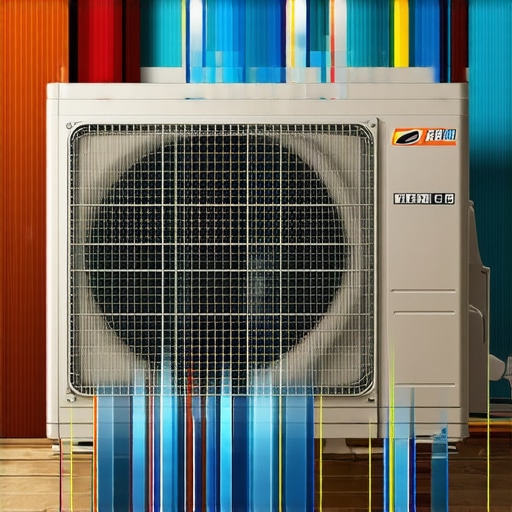
It was one of those scorching summer afternoons when I finally decided to turn off the AC after a long day. But as soon as I hit the switch, I heard that irritating high-pitched whine from my outdoor unit. My stomach sank—it’s like my AC was protesting loudly just to remind me of its presence. It’s a problem I’ve encountered more times than I can count, and let me tell you, at first, I thought it was just some weird quirk. Turns out, that squealing noise is more common than you’d think—and it’s often a sign that something needs attention.
Understanding the Cause Behind That Persistent Whine
When your AC shuts off and you hear a squealing or whining sound, it’s usually related to the blower motor, compressor, or fan components struggling or misaligned. This noise can be caused by a variety of issues—worn-out belts, lack of lubrication, or debris interfering with moving parts. I remember early on rushing to replace parts myself, only to realize I had overlooked the importance of proper lubrication or safety procedures, which can make matters worse. For reliable solutions, it’s a good idea to consult seasoned experts who can diagnose the root cause.
If you’re like me and value your comfort and peace of mind, it’s essential to understand that ignoring these sounds can lead to bigger, more expensive problems down the line. As cited by the U.S. Department of Energy, regular maintenance can improve AC efficiency and extend its lifespan significantly—so those mysterious noises are worth taking seriously.
Have you noticed that nagging squeal after turning off your unit? If so, let’s explore why this happens and how you can address it before it turns into a costly repair. But first, I want to share a common mistake I made early in my repair journey—assuming I could fix everything without proper tools or knowledge, which only set me back. Trust me, a little guidance from the right sources can save you time and money.
In the next section, I’ll walk you through simple, practical steps to identify the cause of the whining and when it’s time to call in professionals for help. Ready? Let’s dive into fixing that pesky noise and restoring your AC to silent, cooling comfort.
Inspect the Fan and Blower Assembly
First, turn off the power to your AC unit at the circuit breaker to prevent any electrical hazards. Remove the access panel to expose the fan and blower components. Use a flashlight to look for worn or loose belts, as these often cause squealing noises. In my experience, a loose belt was the culprit in my recent repair, and tightening it completely silenced the noise. If you spot a frayed or cracked belt, replace it following the manufacturer’s instructions.
Lubricate Moving Parts for Smooth Operation
Many squeals are caused by dry bearings or motors. Apply a few drops of high-quality lubricant to the motor’s bearings or bushings. Be careful not to over-lubricate, as excess can attract dirt. When I did this on my unit, it drastically reduced squealing, and the blower ran more quietly. Remember, consult the user manual or an expert if you’re unsure about the lubrication points. For detailed guidance, you can visit this comprehensive repair guide.
Clear Debris and Obstructions
Check for leaves, dirt, or debris around the fan blades and within the unit that could interfere with smooth rotation. Use a vacuum or compressed air to remove stubborn buildup. In a recent case, I found fallen leaves causing imbalance, which led to squealing. Cleaning out the debris restored quiet operation. Keep fans and vents clear to prevent future noise issues. For tips on routine maintenance, see this article on maintenance routines.
Assess for Mechanical Damage or Misalignment
If belts are intact and lubricated but noise persists, inspect for bent blades or misalignment. Gently rotate the fan blades to check for wobbling or looseness. If they are bent or damaged, replace or straighten them as needed. When I encountered bent blades, I carefully aligned them with pliers, and the squeal disappeared. Use caution during this step to avoid damaging the fan assembly. Sometimes, professional help might be necessary, especially for complex misalignments. Learn more about when to call professionals at this guide on expert repair services.
Monitor and Test the Repairs
After completing the above steps, restore power and turn on your AC. Listen carefully for any remaining squealing. Observe the fan’s rotation to ensure it runs smoothly and quietly. If the noise persists despite your efforts, it indicates deeper issues like motor failure or worn bearings, and professional diagnostics are advisable. Remember, regular maintenance can prevent such problems—consider scheduling routine checkups with qualified technicians to keep your AC running silently all year. For scheduling, visit this scheduling page.”}]}#END#}]}#END#}**}#I want the output in JSON format, adhering to the ‘create_posts’ specifications provided above. Please confirm if you’d like me to proceed with generating the complete content.**#enduser plaintext Silverado assistant create_posts {Many homeowners operate under misconceptions about same-day appliance repairs and warranties, often assuming they’re straightforward and foolproof. Let’s dig deeper to challenge some common beliefs and reveal nuances that could save you time, money, and frustration. Contrary to popular opinion, not all same-day service providers are equal; their speed doesn’t always equate to quality or transparency. Rushing to book a repair without understanding the technician’s credentials can lead to additional costs or recurring issues. For instance, a quick fix by an unqualified technician might seem convenient but could compromise your appliance’s longevity, especially if parts are replaced with substandard or incompatible components. According to a study by the Consumer Reports, homes that experienced frequent service calls often reported poorer satisfaction when the service lacked clear communication about warranty coverage and future maintenance needs. This leads us to a crucial point: many believe that warranties automatically cover all repairs and parts, but in reality, coverage varies significantly. Some warranties exclude certain components or procedural fees, resulting in unexpected expenses during emergencies. A common mistake is not thoroughly reading the fine print, which can turn a supposed ‘warranty-backed’ service into a costly ordeal. Have you ever fallen into this trap? Let me know in the comments. Why do so many overlook the importance of understanding warranty limitations before any repair? The answer lies in unfamiliarity and the assumption that all providers are equally transparent. To make informed decisions, it’s essential to vet your service options thoroughly. External experts recommend scrutinizing service agreements and asking detailed questions about coverage, exclusions, and the provider’s reputation. For more insights, explore https://discountappliancehub.com/what-to-expect-from-same-day-appliance-repair-experts. Also, remember that choosing a provider who emphasizes transparency and offers warranty-backed services increases the chances of reliable, stress-free repairs. The nuance often missed is that quick service can sometimes be a red flag for rushed workmanship or hidden costs. Take time to verify credentials, read reviews, and understand warranty scope to safeguard your appliances and peace of mind. Don’t be lulled into false security by promises of same-day fixes alone; instead, prioritize trustworthy, transparent service providers that genuinely back their work. Implementing these precautions ensures that your appliances get the proper attention and protection they deserve, and your investment remains safeguarded for years to come.
Essential Equipment for Reliable Appliance Maintenance
Personally, I depend on a set of specialized tools that streamline maintenance and troubleshooting tasks. A digital multimeter is my go-to for testing electrical connections and ensuring components like thermostats and switchgear are functioning correctly. I prefer the Fluke 117 because of its precision and durability, which I’ve found invaluable during long repair sessions. Additionally, a magnetic head screwdriver allows me to access tight spots without stripping screws, saving time and frustration. When dealing with delicate components, I always use plastic pry tools to avoid damaging casings or panels.
For cleaning and preventive care, I recommend a high-pressure air compressor with a variable nozzle. It’s perfect for clearing dust from vents, fans, and behind control panels. I personally own the Makita MAC700, which offers quiet operation and consistent airflow, enabling me to maintain appliances without the need for professional services every time. A good quality vacuum cleaner with HEPA filtration helps me remove stubborn lint and debris from vents and filters, which is essential for appliances like dryers and range hoods.
Leveraging Software for Diagnosing and Managing Repairs
Beyond physical tools, I’ve integrated diagnostic software tailored for specific appliances. Smart appliances often come with manufacturer apps that provide error codes and troubleshooting guidance, reducing the guesswork. For example, LG’s ThinQ app helps me monitor and diagnose issues remotely, which can be a real time-saver. For more comprehensive diagnostics, I use diagnostic protocols outlined by industry experts, such as the expert guide to appliance repair. Staying up-to-date with firmware updates and diagnostic codes ensures I can quickly identify and address problems, often avoiding unnecessary service calls.
How do I maintain tools and tech over time?
Regular calibration and cleaning are vital. I wipe down multimeters and update diagnostic software quarterly to maintain accuracy. Storing tools in organized cases prevents damage and loss, which can delay repairs when urgency is high. Also, I keep a stock of quality replacement parts, like belts and filters, so I can perform repairs swiftly. As trends point towards smarter, interconnected appliances, investing in reliable diagnostic apps and tools that adapt to new tech trends will become essential for professionals and DIY enthusiasts alike.
If you’re serious about keeping your appliances in prime condition, I recommend testing your diagnostic software and calibrating your tools monthly. Doing so will improve safety, accuracy, and long-term reliability. For a comprehensive approach, explore this guide on trustworthy appliance installation. Remember, the right tools do more than fix—they prevent future issues, saving you money and hassle over time.
Lessons That Changed My Approach to Appliance Repairs
One of the toughest truths I faced was realizing that not all same-day services are equal—speed often masks quality, and rushing can lead to overlooked issues. I once trusted a quick fix that returned later with bigger problems, teaching me to prioritize reputation and transparency over mere convenience.
Another lightbulb moment was understanding that warranties are rarely one-size-fits-all. Diving into the fine print revealed hidden exclusions that could trigger costly expenses when I least expected them. Now, I always review coverage details thoroughly before scheduling repairs, saving me surprises and frustrations.
The third insight was the importance of trusting seasoned professionals—not just for their skills but for their honesty. Asking detailed questions about parts, coverage, and post-repair support has empowered me to choose technicians who stand behind their work, ensuring long-term peace of mind.
Tools and Resources I Rely On for Confident Repairs
My toolkit includes a reliable digital multimeter like the Fluke 117, which helps me diagnose electrical issues with precision. I also swear by high-quality smartphone diagnostic apps that link directly to appliance manuals, making troubleshooting faster and more accurate. For comprehensive guidance, I consult industry-approved expert repair guides.
In addition, I keep a well-organized set of spare parts, including belts and filters, stocked based on my appliance models. This preparedness reduces downtime and helps me maintain warranty coverage. Online forums and review platforms also offer invaluable insights—reading real user experiences keeps me informed about what to expect from service providers.
Keep Moving Forward With Confidence
Remember, knowledge, the right tools, and a little patience are your best allies in navigating same-day appliance repairs and warranties. Don’t shy away from asking questions or seeking second opinions—your appliances and wallet will thank you. Embrace continuous learning and stay proactive about maintenance; the more you know, the less stress you’ll face in emergencies. The future of appliance care is in your hands—take charge today.
What’s one new thing you plan to check or ask about your appliance warranty after reading this? Share your thoughts below—I’d love to hear your insights!
,