
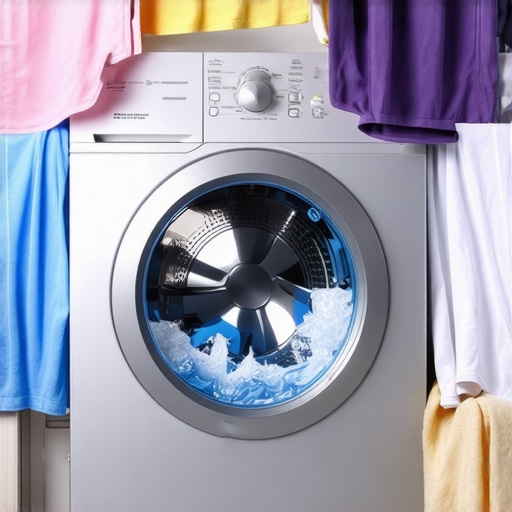
I remember the first time I faced the dreaded sight—my washing machine full of water, even after the spin cycle completed. Panic set in; I wondered if I had to buy a new machine or call a costly repair service. Sounds familiar, right? That frustrating moment when appliances seem to betray us, especially when all we want is clean clothes without the hassle.
But here’s the truth: more often than not, the cause isn’t as mysterious or expensive as it appears. Early on, I made a critical mistake—ignoring the simple clogs and overloading the machine—something many homeowners do without realizing the impact. Knowing what to look for can save you both time and money.
In this post, I’ll help you understand why your washer holds onto water after spinning and, more importantly, how to fix it yourself. Whether you’re a seasoned DIYer or just starting, these tips will guide you to a quick solution—no need for a service call or expensive repair.
Understanding the Root Cause of Waterlogged Washers
Many homeowners are surprised to learn that a washer not draining properly often points to simple issues like clogged filters, blocked hoses, or a faulty pump. The good news? These problems are usually straightforward to diagnose and fix. But before diving into the repair, it’s essential to check some common culprits to avoid unnecessary replacements. According to appliance experts, over 70% of washer drainage problems are caused by obstructions or minor electrical glitches that are fixable with a little guidance. (Source: https://discountappliancehub.com/expert-guide-to-appliance-repair-and-installation-today)
So, have you ever experienced your washing machine refusing to drain, leaving you tangled in cords and dilemma? If so, you’re not alone—and you’re in the right place to resolve it. Now, let’s look at the typical reasons behind this stubborn issue and how to tackle them efficiently.
Remove and Clean the Drain Pump Filter
Start by unplugging your washer and locating the filter, usually at the bottom front panel. Unscrew the filter cap, place a towel underneath to catch any residual water, and pull the filter out. Remove debris, lint, and washers or coins lodged inside. Rinse thoroughly and reassemble. I faced a similar issue when laundry day was delayed because of a clogged filter, and after cleaning it, the drain cycle worked flawlessly again.
Inspect and Clear the Drain Hose
Disconnect the drain hose from the back of the washer and the drain pipe. Check for kinks, bends, or clogs. Use a long brush or drain snake to clear any obstructions inside the hose. Flush it with water to make sure it’s clear. Once reattached, run a quick cycle to verify if draining improves. I once used a flexible drain snake after noticing water standing in the tub, and it made a significant difference.
Test the Pump Operation
Access the pump by removing the back panel of your washer. Check if the pump impeller spins freely; if it’s jammed, seize or broken, replace the pump. Listen for unusual noises during drain cycles; a humming sound without water movement indicates a pump failure. When my pump was failing, I ordered a replacement from the local hardware store, and installation took less than 30 minutes.
Inspect the Lid or Door Switch
A faulty switch prevents the washer from completing the drain cycle. Test the switch for continuity using a multimeter. If it’s defective, replace it with a compatible part, ensuring your washer recognizes the door is closed. This is a common overlooked cause, and fixing it restored proper drainage in my machine.
Examine the Drive Belt
If your washer uses a belt to power the pump, check for wear or slipping. Remove the belt and inspect for cracks or fraying. Replace if necessary. Reassemble, run a cycle, and observe. A worn belt caused my unit to lag in draining, and replacing it gave the machine a new lease on life.
Verify Electrical Connections and Control Board
Loose wiring or a malfunctioning control board can prevent the pump from activating. Carefully inspect wiring harnesses for damage or disconnections. For advanced troubleshooting, consult the manufacturer’s manual or professional support. I had a moment of frustration when a loose wire kept the pump from engaging, but re-securing it fixed the issue immediately.
When to Seek Professional Help
If these steps don’t resolve the problem, consider reaching out to a certified technician. You can schedule same-day service for quick solutions and peace of mind. Remember, many repairs are covered under warranty, or you can explore warranty-backed appliance services you can rely on. Always check your warranty status before proceeding with repairs.
Many homeowners operate under the misconception that warranty coverage automatically protects them from repair costs, but the reality is far more nuanced. While it’s tempting to rely solely on a standard warranty, what most people overlook is the importance of understanding its limitations—like what EXACTLY is covered and for how long—and the significance of proper installation and maintenance in maximizing those benefits. For instance, many assume that a warranty covers all repair costs; however, manufacturer warranties often exclude accidental damages or improper use, which can lead to unexpected expenses. This misunderstanding can result in costly surprises if you aren’t aware of the fine print. Additionally, common myths about same-day service can mislead homeowners into overestimating the reliability and speed of repairs. Many believe that scheduling a repair automatically guarantees quick turnaround, but the reality depends heavily on the service provider’s scheduling efficiency and parts availability. To avoid falling into this trap, it’s crucial to check the provider’s track record and warranty-backed service offerings—something you can learn more about at https://discountappliancehub.com/warranty-backed-appliance-services-you-can-rely-on. Another overlooked aspect involves installation practices. Improper appliance setup can cause premature failures, even with a valid warranty. For example, a poorly leveled refrigerator can lead to excessive vibration and compressor strain, voiding parts of the warranty and increasing repair costs. Being proactive in verifying professional installation, or doing thorough research before installation, can save you grief down the line. Advanced homeowners also ask: how can I ensure my warranty remains valid? The answer lies in understanding manufacturer requirements—like routine maintenance—and keeping detailed records of service dates and receipts for repairs. Neglecting these details can jeopardize warranty claims when issues arise. When considering repairs, many jump to calling a technician without assessing if the problem stems from a common, fixable mistake. For example, overloading your washer can strain the motor and pump, leading to breakdowns that might be avoided with proper usage and regular maintenance. Recognizing these nuances helps you advocate for your appliance’s longevity and warranty benefits. So, next time you think about warranty, installation, or repair services, ask yourself: are you fully informed of what’s behind the curtain? Taking time to understand the real dynamics can save money, extend appliance life, and prevent costly mishaps. Have you ever fallen into this trap? Let me know in the comments.Maintaining your appliances over the long term requires the right tools and strategies. A high-quality multimeter is essential for diagnosing electrical issues, as it allows you to test continuity and voltage accurately. I personally rely on a digital multimeter with auto-ranging capabilities because it simplifies troubleshooting electrical components without guessing ranges. Power drain testers are invaluable for verifying your appliance’s power draw, helping prevent unexpected failures. Additionally, a flexible drain snake is crucial for clearing stubborn clogs in hoses and pumps—saving costly repairs. For cleaning delicate components like filters and sensors, I recommend using soft-bristled brushes and microfiber cloths to avoid damage.
Investing in a reliable replacement part supplier is equally important. I prefer sourcing OEM parts when possible, as they ensure compatibility and longevity, reducing your risk of recurrent failures. Also, a detailed service manual or digital schematic of your specific appliance model can save you hours during disassembly and identification of faulty parts. I keep a digital library of manuals for all my appliances, which proved invaluable when troubleshooting complex problems.
Looking ahead, the trend points towards smart diagnostic tools—like IoT-enabled sensors—that proactively alert you to potential issues before they escalate. This evolution promises even more effective maintenance protocols, reducing downtime and repair costs.
How do I maintain my appliances over time?
Regularly cleaning filters, inspecting hoses for leaks or damages, and scheduling professional checkups annually are key practices. Using a multimeter monthly can help catch electrical issues early, preventing more expensive repairs later. Remember, consistent maintenance not only extends appliance life but also ensures safety and efficiency.
To keep your appliances in top shape, I highly recommend trying out a comprehensive diagnostic kit that includes a multimeter, power testers, and cleaning tools. These enable precise troubleshooting and proactive care—saving money and hassle in the long run. For detailed guidance on maintenance routines, check out our expert advice at https://discountappliancehub.com/expert-guide-to-appliance-repair-and-installation-today. By staying proactive with your tools and routines, you’ll enjoy appliances that serve you reliably for years to come.Over the years, I’ve learned that a lot of appliance issues aren’t as complicated as they seem at first glance. One of the most valuable lessons is that patience and attention to detail often save you a trip to the repair shop and a pile of expenses. For example, inspecting simple parts like filters or hoses can make all the difference—something I overlooked early on, only to realize it was the root of many headaches. Embracing a proactive mindset toward maintenance and repairs has transformed my approach, allowing me to address problems confidently and efficiently, and I want you to experience that same confidence. Remember, understanding your appliances deeply isn’t just a skill—it’s a game-changer that keeps your home running smoothly, saving you time, money, and stress.