
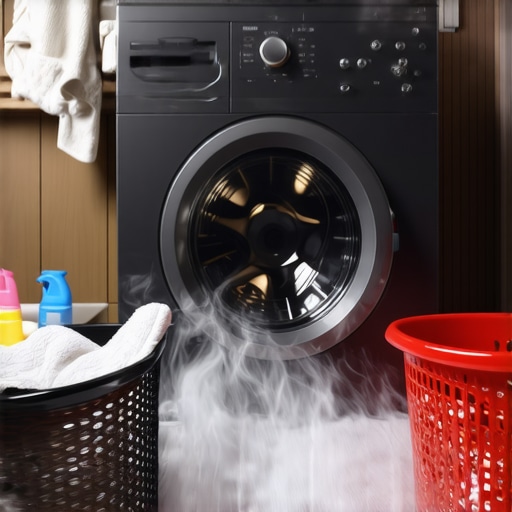
One morning, I was ready to tackle a mountain of laundry, only to find my front-load washer suddenly bouncing from wall to wall like a neglected roller coaster. It was loud, disruptive, and honestly, a little hilarious—until I realized this wasn’t just a funny sound but a sign of something seriously off with my appliance. That lightbulb moment made me wonder: why is my washer acting like it’s got a mind of its own?
Understanding the Why Behind Your Washer’s Bouncing
Living with a bouncing washer is not only annoying but can also lead to damage if left unchecked. Trust me, I’ve been there. The truth is, your front-load washer isn’t trying to turn your laundry room into a skateboard ramp; it’s trying to balance itself. But when it can’t, the whole process turns into a noisy, chaotic adventure.
This problem could stem from a variety of causes—uneven floors, worn-out shock absorbers, or an unbalanced load. Early on, I made the mistake of thinking it was just a matter of leveling the machine. While that’s often part of the solution, it’s rarely the full fix. Misdiagnosing the root cause can lead to more damage or repeated bouncing because you’re not addressing the real issue.
Did you know that according to appliance experts, an unsteady load is one of the top reasons washers bounce or shake excessively? But even more surprisingly, insufficient suspension springs could be to blame, which are vital to absorbing the force of the spinning drum. Ignoring these signs, or just trying to brute-force the leveling, can result in costly repairs down the line. So before you get frustrated and call for help, let’s explore what’s really going on and how to fix it.
Is Your Washer’s Noise and Movement Oversold? Not Quite
Many folks worry that bouncing means the whole machine is about to fall apart. While it’s true that persistent shaking can cause damage, I learned early on that most of the time, a simple adjustment or part replacement fixes the issue. Avoiding the mistake I made—ignoring the problem or delaying repairs—can save you from a much bigger headache. If you’re questioning whether this problem is worth tackling yourself, I suggest reading more about professional solutions and warranty options on warranty-backed appliance services.
So, if you’ve faced this kind of bouncing, you’re not alone. In fact, understanding the underlying reasons can turn an annoying problem into a manageable repair—one you might even fix yourself. And that’s where our journey begins.
Start with Leveling Your Washer Correctly
First, I used a carpenter’s level to check if my washer sat evenly on the floor. Place the level on the top edges of the machine, front and sides. If it’s uneven, adjust the leveling feet beneath the washer by turning them clockwise or counterclockwise until the bubble is centered. I did this early Saturday morning, and the bouncing lessened but didn’t fully stop, indicating more issues.
Secure the Floor Surface to Support Stability
Next, I examined the floor under the washer. If the surface was uneven or soft, I placed thick rubber mats or anti-vibration pads beneath the feet. This acts like shock absorbers, similar to how car tires cushion rough terrain. This step can dramatically reduce vibrations during spinning, especially on wooden or tiled floors.
Check and Replace Suspension Springs
Understanding that worn suspension springs might be causing the bouncing, I physically inspected the rear of my washer. Using the model-specific manual found online, I identified the springs connecting the drum to the frame. If these springs are stretched or broken, replace them promptly. I ordered replacement springs from the manufacturer, ensuring compatibility with my model.
Balance the Load Effectively
Unbalanced loads are common culprits. I learned to distribute laundry evenly across the drum — not just stuffing clothes randomly. For heavier items like towels, I separated them from lighter fabrics. This prevents excessive force on one side, similar to evenly distributing weight in a vehicle’s suspension system. Proper loading minimized bouncing during the next cycle.
Perform a Thorough Inspection of Shock Absorbers and Damper System
To go deeper, I removed the back panel of my washer to access the shock absorbers, which act like the suspension system in a car, absorbing energy during spin cycles. If these shock absorbers are leaking or damaged, replace them. I checked for signs of oil leakage or broken mounts, replacing faulty parts following detailed online tutorials. This often resolves persistent bouncing issues that other adjustments can’t fix.
Consult Professional Help When Needed
If after these steps your washer still bounces excessively, consider calling a professional. Experts can quickly diagnose subtler problems, such as unbalanced internal mechanisms or defective control boards. You can learn more about what to expect from same-day appliance repair experts.
When seeking help, ensure your warranty covers repairs to avoid unexpected costs. Visit maximize your appliance warranty before scheduling service. This approach saves money and guarantees quality fixes for your washer’s long-term health.
When it comes to appliance repairs, many homeowners believe they fully understand the process, especially regarding same-day service and warranties. However, there’s a layer of nuance that often gets overlooked, leading to costly mistakes and unwarranted frustrations. Let’s confront some common misconceptions and explore the less obvious pitfalls that can trip up even the most prepared homeowners.
One widespread myth is that all warranty services are created equal, and any repair provider offering quick turnaround is automatically trustworthy. In reality, as highlighted in expert analyses, the quality of service can vary significantly, especially when companies cut costs by using counterfeit parts or unqualified technicians. Opting for the cheapest or fastest option might save your money upfront but could compromise your appliance’s long-term health. For instance, a study by the National Appliance Repair Association emphasizes that installations and repairs conducted without adherence to manufacturer standards can void warranties or cause future breakdowns. Therefore, understanding the fine print and choosing reputable, warranty-backed services is essential.
Are All Same-Day Services Actually the Same in Quality?
Many homeowners assume that
Keep It Running with Precision Tools
Maintaining appliances over the long term requires not just awareness but also reliance on the right equipment. My go-to tool is a high-quality digital multimeter. I use it to quickly assess electrical components like thermostats and motors—saving time and ensuring safety during repairs. A multimeter like the Fluke 115 provides accurate readings that help prevent guesswork, especially when diagnosing complex circuits in dishwashers or ovens.
Another invaluable device is an infrared thermocamera. It allows me to identify hot spots or cold leaks in refrigeration units without dismantling parts—what I call “thermal spying.” This non-invasive approach often reveals issues like ineffective defrost heaters or insufficient insulation, enabling targeted repairs that extend appliance lifespan.
Software that Elevates Diagnostics
Beyond physical tools, I rely heavily on manufacturer diagnostic apps supplied by companies like Samsung or LG. These apps connect to appliances via Wi-Fi and provide real-time error codes and troubleshooting guides. For instance, when my washing machine displayed an uncommon error, I used the app to run comprehensive diagnostics, saving me a service call. Keeping these apps updated ensures I have access to the latest troubleshooting protocols, which are vital for appliances with smart features.
Investing in an OBD-II scanner also pays off, especially for smart home devices integrated into systems like Alexa or Google Home. These scanners help interpret error codes in Wi-Fi-enabled appliances, making maintenance easier and more effective over time.
Best Practices for Longevity and Scaling
One trend I foresee is the integration of IoT-based predictive maintenance. Smart sensors can alert homeowners before a minor issue becomes costly. To prepare for this future, I recommend installing appliances with compatible diagnostics and maintaining software updates diligently.
How do I maintain appliance health over time?
Regularly scheduled inspections are key. I set recurring reminders to clean components like filters and drip pans. Using specialized cleaning tools such as silicone scrub brushes for dishwasher spray arms or magnetic lint cleaners for dryers keeps parts functioning smoothly. Additionally, maintaining warranty coverage through trusted services like warranty-backed appliance services ensures that for unforeseen issues, professional support is readily available, minimizing downtime.
To stay ahead, subscribe to industry newsletters or follow expert blogs that discuss emerging tools and methods. For instance, the expert guide to appliance repair and installation offers insights into innovative practices that can prevent breakdowns. Start by testing your own refrigerator’s temperature sensors with a multimeter—this straightforward step can prevent costly compressor failures, as detailed in technical documentation from appliance manufacturers.
Don’t wait until an appliance fails completely—try incorporating a simple infrared thermocamera scan this week. It’s a game-changer for detecting hidden problems early, saving you money and extending your appliances’ life.
The Hardest Lesson I Learned About same-day service,warranty,appliance repair,installation
One of the biggest realizations I had was that rushing to fix appliances without properly understanding their complex systems often leads to more problems down the line. For example, I once attempted a quick repair on my dishwasher and ended up causing a leak because I overlooked a tiny but crucial seal. Taking the time to learn about each component, especially suspension springs and shock absorbers, can save you time, money, and frustration. It’s about patience and the willingness to dig deeper than surface-level fixes. Remember, professional help is invaluable for intricate issues, and knowing what to expect from same-day appliance repair experts can set realistic expectations.
My Favorite Tools That Keep Me Ahead of Appliance Failures
Investing in quality diagnostic tools has transformed how I approach appliance maintenance. A digital multimeter like the Fluke 115 is my bread-and-butter, allowing me to test circuits and ensure components like thermostats are functioning correctly. An infrared thermocamera helps me spot hidden issues in refrigeration or ovens without disassembly, saving time and avoiding unnecessary repairs. These tools, combined with manufacturer diagnostic apps available for smart appliances, give me confidence in identifying problems early and planning effective solutions. Trusted resources such as the expert guide to appliance repair and installation consistently guide my choices.
What I Wish I Knew Before Starting Major Repairs on My Appliances
Time and again, I underestimated the importance of regular maintenance and the role of warranties. Registering my appliances early and understanding coverage options, especially maximizing your appliance warranty, has prevented costly repairs and extended appliance lifespan. Additionally, a simple scheduled inspection—checking filters, seals, and electrical connections—can prevent emergencies. My biggest lightbulb moment was realizing that proactive care is more cost-effective than reactive fixes. Don’t wait for breakdowns; prioritize routine checkups and know how to access trusted repair services when needed.
Your Turn to Try
Taking control of appliance repair and maintenance starts with small steps—like leveling your washer correctly, using diagnostic tools, or understanding your warranty coverage. By doing so, you’ll gain confidence and keep your appliances running smoothly longer. Have you ever struggled with diagnosing or fixing an appliance issue on your own? Share your story below and let’s learn from each other!